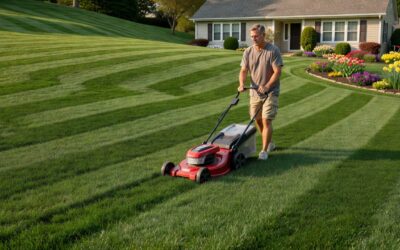
Mowing too early in spring damages recovering grass and compacts wet soil, setting back your lawn for months. The right time to start mowing isn’t about a calendar date—it’s about observable conditions: active grass growth, firm soil, and adequate soil temperature. By watching for these signs and understanding how your region and grass type affect timing, you can make the first cut safely and set your lawn up for healthy growth through the season.
Observable Conditions That Signal It’s Time to Mow
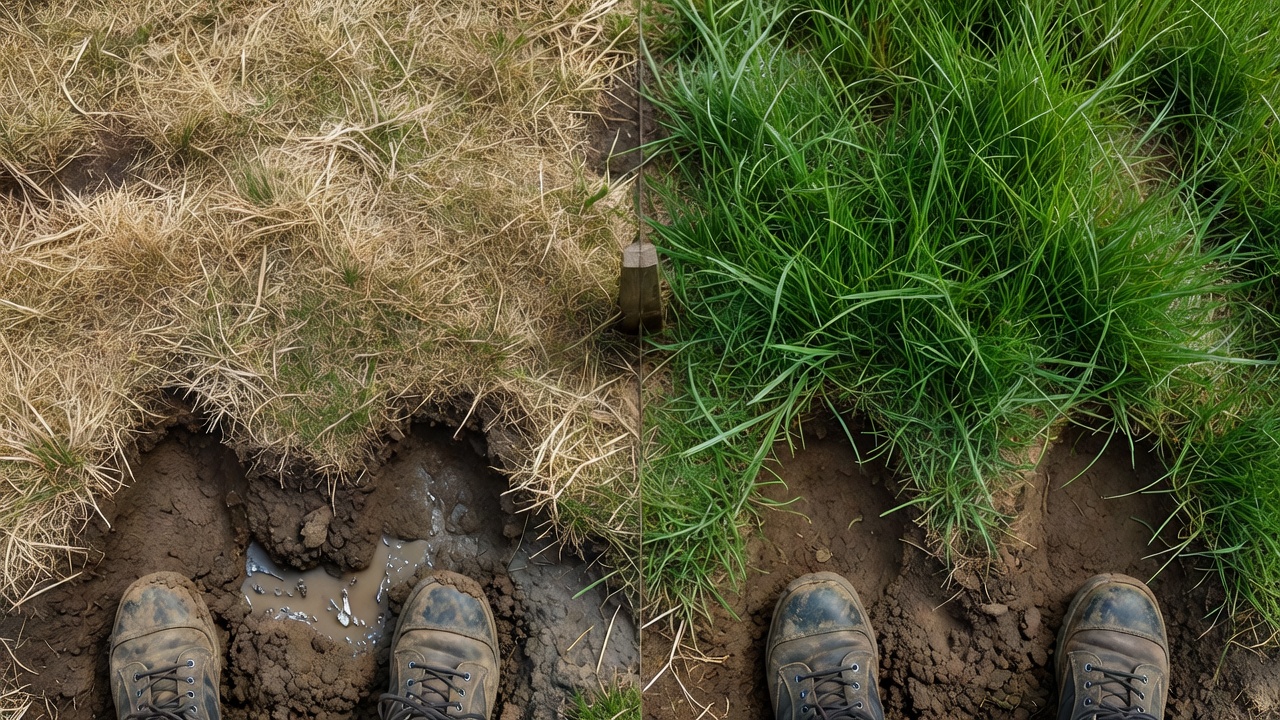
The most reliable way to know your lawn is ready is to check three things yourself: grass color and height, soil firmness, and the absence of standing water.
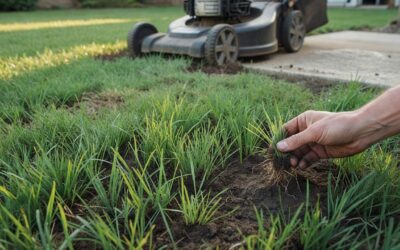
Grass appearance: Dormant grass is brown or straw-colored and doesn’t grow when you mow it. Active grass is visibly green and should reach 1 to 2 inches tall within a week or two of warming weather. When you see new green growth pushing up and the lawn looks like it’s actively growing rather than just thawing, that’s your signal that dormancy is breaking.
Soil firmness: Walk across your lawn. If your footsteps leave deep prints that stay compressed, the soil is too wet and soft to mow safely. If the ground feels firm and your weight doesn’t create lasting impressions, the soil has enough bearing capacity to support your mower without compacting it into a hard crust. This simple footprint test is more useful than waiting for a specific date because soil drying varies greatly depending on winter snowfall, recent rain, and drainage.
Standing water and mud: Avoid mowing if puddles remain or the lawn feels boggy underfoot. Mowing over saturated soil compacts it severely—the mower’s weight drives air out of the soil, and once soil hardens, grass roots struggle to access water and oxygen. Compacted soil can take months to recover even with proper care.
If you mow too early—while grass is still dormant or soil is waterlogged—the mower tears grass tips instead of cutting them cleanly. Torn, brown-tipped leaves invite disease and stress the plant during a critical recovery period. The damage is visible within days as the grass tips brown out. Recovery is possible but takes time; the plant must grow new leaf tissue, which diverts energy from root development in spring when roots need to be establishing themselves.
Regional Timing: Cool-Season vs. Warm-Season Grasses
When your lawn wakes up from winter dormancy depends on where you live and what type of grass you have. The two main categories respond to temperature very differently.
Cool-season grasses: Found throughout northern climates and transitional zones, cool-season grasses (such as fescue, bluegrass, and perennial ryegrass) begin active growth when soil temperature reaches approximately 40 to 50°F. In most northern regions, this happens in late winter to early spring—often February through April depending on latitude and year-to-year weather variation. You’ll see the lawn green up noticeably during this window. The first mow often happens in March or April in the northern United States, but the exact timing shifts based on how early spring arrives that year.
Warm-season grasses: Typical in southern climates, warm-season grasses (such as Bermuda, zoysia, and St. Augustine) stay dormant and brown until soil temperature reaches 60 to 70°F or higher. They don’t respond to early spring warming the way cool-season grasses do. In southern regions, this warm-up often doesn’t arrive until late April or May, sometimes even early June in northern parts of the warm-season zone. If you mow a warm-season lawn while it’s still dormant, you’ll scalp brown, dead-looking grass and won’t stimulate growth—the grass simply isn’t ready.
Identifying your grass type: If you’re unsure whether your lawn is cool-season or warm-season, check your local climate zone or contact your regional extension office (county extension services offer free or low-cost identification). Your mower manual may also note recommended seasonal use. Knowing your grass type transforms the mowing timing question from guesswork into a practical framework.
First Spring Mow vs. Regular Spring Mowing
The first mow of spring serves a different purpose than routine summer mowing, and the technique matters.
Set your mower deck higher for the first spring cut than you would in summer. A typical setting for spring recovery is 2.5 to 3 inches tall, depending on your grass type—check your mower manual or local extension guidance for the optimal height for your specific turf. The reason: short cutting stresses grass that’s just beginning active growth after months of dormancy. Scalped grass (cut too short) exposes bare soil to sunlight, inviting weeds and increasing evaporation stress. Taller grass also shades soil, moderating temperature and moisture swings that recovering turf finds stressful.
Cutting at a higher setting also encourages denser, deeper growth. Grass plants that are cut shorter put energy into lateral shoots (tillers) and root expansion. By cutting higher in spring, you’re telling the plant to prioritize establishing a robust root system before you ask it to handle repeated mowing through the season.
After the first mow and once your lawn is actively growing, you can gradually lower the mower deck to your preferred summer height over the next few cuts. This gradual reduction is gentler on the grass than dropping the deck all at once.
Soil and Weather Conditions to Check
Air temperature and the presence of frost are less important than soil conditions and grass growth stage. A warm spring day doesn’t mean your lawn is ready to mow if the grass is still dormant or the ground is still saturated.
Soil temperature: Soil temperature, not air temperature, drives grass growth. Soil warms more slowly than air because it has high heat capacity. Even if the air reaches 60°F on a sunny day, soil an inch or two down may still be near freezing, especially early in spring. Grass doesn’t actively grow until soil reaches a threshold—roughly 40°F for cool-season grasses and 60–70°F for warm-season types. You don’t need a soil thermometer; the observable signs (grass greening and growing, soil firmness) tell you the same thing.
Frost and thaw: It’s safe to mow after frost has thawed if other conditions are met. Frost itself doesn’t prevent mowing, but frost combined with wet, soft soil creates compaction risk. Once soil has thawed and firmed up, and grass is actively growing, frost is no longer a concern.
Wet and muddy conditions: This is the most critical condition to respect. Mowing over wet, muddy soil is one of the most damaging things you can do to a lawn. The mower’s weight pushes air out of waterlogged soil, compacting it into a dense, hard layer that resists water and air penetration. Grass roots in compacted soil cannot access oxygen or water easily, growth slows dramatically, and disease risk increases. A lawn compacted in spring may struggle through the entire growing season. If in doubt, wait another week. The few days of delay are worth far more than the risk of permanent soil damage.
Why Timing Matters: Preventing Damage
Understanding the consequences of poor timing helps you make confident decisions about your own lawn.
Damage from early mowing: Mowing dormant or recovering grass produces torn, ragged leaf tips because the mower blade isn’t cutting living, turgid tissue—it’s cutting dead or weakened plant material. These torn tips brown out within a day or two and create an entry point for disease organisms. Dormant grass also cannot respond to mowing by regrowing quickly; the plant isn’t mobilizing energy for growth yet. The result is a thin, stressed lawn that stays weak through spring as the plant recovers.
Damage from mowing wet soil: The compaction from mowing waterlogged ground is the single largest preventable spring lawn mistake. Compacted soil stays hard and hydrophobic (water-repellent) for months, even after it dries. Grass in compacted soil shows stunted growth, increased drought stress in summer, and poor recovery after damage. Fixing compacted soil takes time—aeration helps, but full recovery requires either years of natural processes or professional intervention.
Recovery is possible but slow: If you make an early-mowing mistake, recovery is gradual. Torn grass heals as new leaf tissue grows, which takes weeks. Compacted soil improves if you stop adding weight to it, ensure good drainage, and maintain proper watering and fertilization through the season. However, prevention is far easier than recovery, which is why waiting for the right conditions is worth the patience.
Soil and Weather Conditions to Check
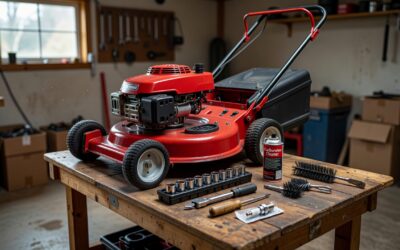
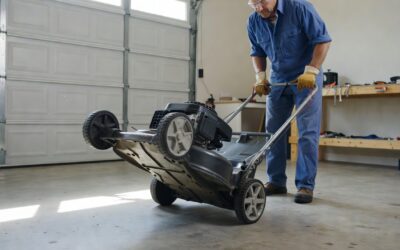
Before your first spring mow, prepare your mower so that the cut itself doesn’t damage healthy grass.
Blade sharpness: A dull mower blade tears grass just like mowing dormant or wet grass does—it crushes and shreds rather than cutting cleanly. Sharp blades are crucial for spring mowing when grass is just recovering and most vulnerable. If you haven’t mowed since fall, or if your mower sat unused over winter, inspect the blade. If it looks rounded or bent rather than sharp, have it sharpened or replaced. A sharp blade also reduces the mower’s workload and fuel consumption.
Oil and fuel: Check the engine oil level and condition. If you used fuel stabilizer in the fall, the fuel should be usable, but if gas sat in the tank untreated, it may have gelled or oxidized. Fresh fuel ensures the mower starts reliably and runs smoothly. A smoothly running engine produces a cleaner cut and puts less stress on the grass.
Deck cleanliness: Dried grass and mud from last fall can harbor rust and reduce cutting efficiency. A quick cleaning—scraping off loose debris and rinsing the underside—helps the mower perform better and prevents rust from spreading.
These are basic checks you can do yourself. For more involved maintenance (spark plug replacement, belt inspection), consult your mower’s manual or consider a professional tune-up if your mower is older or hasn’t run well in past seasons.
Putting It All Together: Your Spring Mowing Checklist
Use this sequence to decide when to start mowing:
- Identify your grass type (cool-season or warm-season) and your region.
- Watch for active green growth in your lawn—not just thawing, but visible new growth.
- Test soil firmness: walk across the lawn and confirm your footsteps don’t leave deep impressions.
- Check for standing water or muddy patches; wait if any are present.
- Inspect your mower blade for sharpness and check oil and fuel.
- Make your first cut at a higher setting (2.5–3 inches) to minimize stress on recovering grass.
- Plan to mow regularly once active growth begins, maintaining consistent height and schedule through the season.
Mowing at the right time—when conditions align rather than on an arbitrary date—protects your lawn from damage and sets up healthy growth for the entire season. The small investment in observation and patience in early spring pays dividends in a thick, resilient lawn through summer and fall.