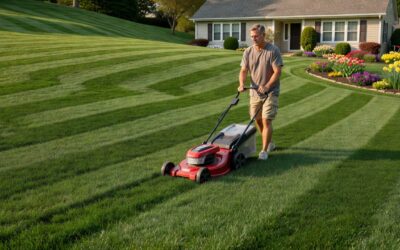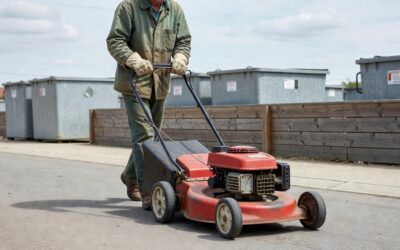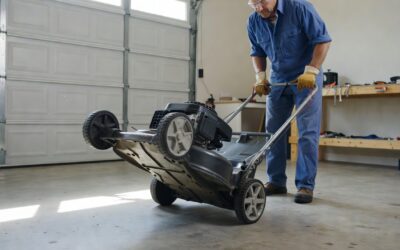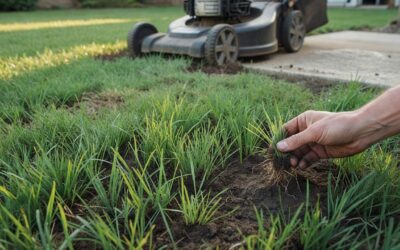
The best time to mow your lawn is mid-morning after dew has dried but before the heat peaks, or late afternoon/early evening. Avoid mowing during midday heat or when grass is wet or dewy. Timing matters because cutting grass when conditions are poor stresses the plant, spreads disease, and leaves ragged wounds that take longer to heal. Getting this right keeps your lawn dense, healthy, and resilient.
Quick Answer: Best Time of Day to Mow
Two windows stand out as optimal for mowing:
- Mid-morning (8 a.m. to 10 a.m.): Dew has dried, but temperatures are still mild. Grass has time to recover before afternoon heat.
- Late afternoon/early evening (4 p.m. to 6 p.m.): Heat is declining, and grass can recover overnight before the next day’s stress.
Two windows to avoid:
- Midday heat (11 a.m. to 3 p.m.): Cut grass loses moisture rapidly in peak sun and heat, stressing the plant.
- Wet or dewy grass (early morning, right after rain): Wet blades tear instead of cutting cleanly, clump together, and promote fungal disease.
Why Timing Matters: Dew, Heat, and Grass Recovery
The Problem with Wet Grass
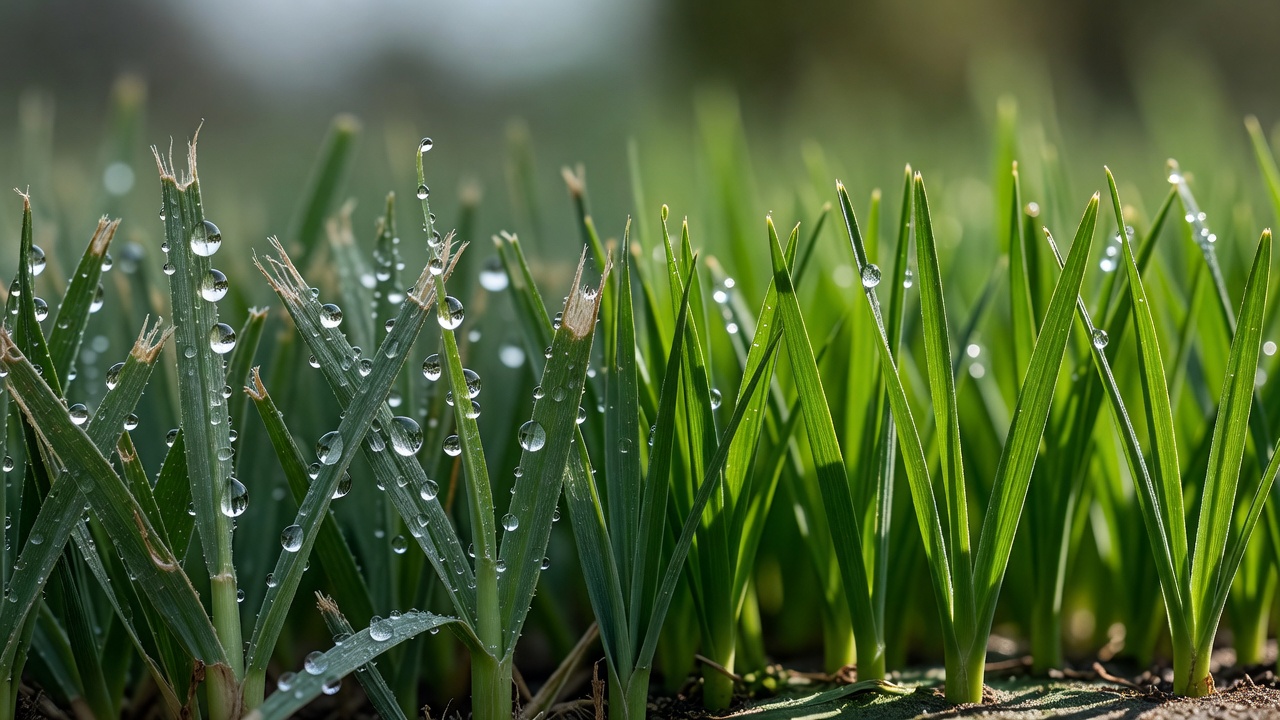
Mowing dewy or rain-soaked grass creates three immediate problems. First, wet blades don’t cut cleanly—the mower tends to tear and crush instead, leaving ragged edges that are slower to heal and more prone to disease entry. Second, clipped wet grass sticks to the mower deck and clumps on the lawn, smothering the grass beneath and creating an unsightly mess. Third, wet conditions accelerate the spread of fungal pathogens, which thrive in high moisture. Letting dew dry for an hour or two after sunrise eliminates these risks.
Why Midday Heat is Risky
When you mow during peak heat, the fresh cut leaf tips are immediately exposed to intense sun and high temperatures. The exposed tissue loses moisture rapidly, and the plant cannot recover before conditions cool. This combination stresses the grass and can cause the cut tips to brown or scald. Mowing in mid-morning or late afternoon gives grass time to recover—either before the afternoon heat peaks or overnight, when transpiration is minimal.
Clean Cuts and Recovery
Grass cut during mild, dry conditions heals faster. A clean cut seals over more efficiently, reducing the window for disease to enter. The plant can redirect energy into recovery rather than fighting stress, so the lawn stays denser and more uniform in color.
Seasonal Timing: Cool-Season vs. Warm-Season Grasses
The best mowing calendar depends on your grass type and local climate. Most lawns in temperate regions fall into two categories.
Cool-Season Grasses
Species like Kentucky bluegrass, perennial ryegrass, and tall fescue grow most actively in spring and fall when temperatures are mild. In summer, they slow down and can go dormant or thin out if stressed. In most temperate climates, you’ll mow frequently in spring (as growth accelerates), less often in mid-to-late summer (as growth slows), then frequently again in fall. Winter mowing is rarely needed unless the grass stays green and keeps growing.
Warm-Season Grasses
Species like Bermuda grass, zoysia, and St. Augustine grass thrive in late spring through summer and go dormant and brown in fall and winter. Mowing starts in late spring when growth picks up, peaks through summer, and stops once the grass browns and goes dormant. In most regions, no mowing is needed during winter dormancy.
The key is to follow the grass’s growth cycle rather than a fixed calendar. Mow more often when grass is growing vigorously and less often when it’s slowing down.
How Often to Mow: The One-Third Rule
Rather than mowing on a fixed schedule, use the one-third rule: never remove more than one-third of the blade height in a single mowing. This guideline protects the plant’s ability to recover and maintain vigor.
Why the One-Third Rule Works
Removing more than one-third of the blade height (called scalping) removes too much leaf area at once. The plant loses photosynthetic capacity and has fewer resources for growth and root development. It also exposes bare soil in thin spots and stresses the grass, making it vulnerable to weeds and disease. Keeping within the one-third threshold lets the lawn stay thick and competitive.
Adjusting Frequency by Growth Rate
During peak growing season (spring for cool-season grass, early summer for warm-season grass), grass may need mowing weekly or even more often. During slower growth periods, you might mow every 10–14 days or less frequently. Watch your lawn’s growth rather than the calendar. If grass reaches the height where removing one-third would be appropriate for your mower deck setting, it’s time to mow.
Practical Mowing Habits for a Healthier Lawn
Keep Blades Sharp
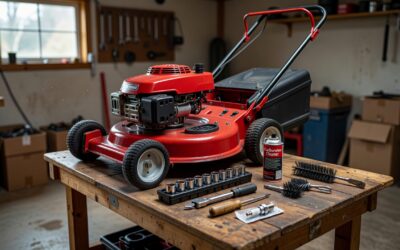
A dull mower blade tears grass instead of cutting it cleanly, leaving shredded tips that brown and lose water. This damage looks like overall discoloration or scalping and invites disease. Sharp blades make clean cuts that seal quickly and look neater. Check your blade condition regularly and sharpen or replace it as needed.
Alternate Mowing Direction
Mowing in the same direction every time compacts soil in wheel tracks and can create visible ruts and a grain pattern in the grass. Alternating the direction each mowing—north-south one week, east-west the next—distributes compaction and encourages upright growth. The lawn will look more uniform and wear more evenly.
Mow at the Right Height for Your Grass Type
Different grasses thrive at different heights. Cool-season grasses generally do well mowed to 2.5 to 4 inches, which preserves leaf area and root depth. Warm-season grasses are often maintained at 1 to 3 inches. Taller mowing generally supports deeper roots, better drought tolerance, and denser cover that crowds out weeds. Mow lower only if your lawn’s specific needs or aesthetic require it.
Weather Exceptions and Safety Caveats
When Rain Delays Mowing
If rain is forecast for several days and your grass is getting long, you face a judgment call. Waiting for ideal dry conditions might mean the lawn becomes overgrown, which is also stressful. In that case, a wet cut may be the lesser evil—just know that you’re accepting higher risk of disease and clumping. After mowing wet grass, clean the mower deck thoroughly to prevent clippings from drying on and feeding fungal growth later.
Safety on Slopes and Uneven Ground
Mowing on wet or sloped terrain increases the risk of slipping and loss of control. If you must mow damp grass, wear footwear with good traction. On steep slopes, mow across the slope rather than up and down to reduce the chance of sliding. Follow your mower’s manual for guidance on safe operation on slopes.
Temperature Extremes
If grass is dormant and brown, there’s no benefit to mowing and you risk damaging the crowns and roots. Similarly, if frost is present or the ground is frozen, delay mowing. During unusually extreme heat, use judgment: if grass is stressed and browning, mowing might worsen the situation, so consider waiting for cooler weather or choosing the early morning window to minimize additional stress.
Troubleshooting Common Timing Mistakes
Brown or Scorched Leaf Tips After Mowing
This symptom usually points to dull blades or mowing in midday heat. Dull blades shred the tissue, which browns quickly. Midday mowing exposes fresh cuts to intense sun and heat, causing the tips to scald. Solution: sharpen your blades and mow during cooler morning or evening hours.
Clumps of Grass Left on the Lawn
Clumping happens when grass is mowed wet and sticks to the deck, then falls off in clumps as you mow. It can also occur if the mower deck is clogged. Let the lawn dry before mowing, and keep the deck clean during and after mowing. If clumps are already on the lawn, rake them up to prevent them from smothering the grass beneath.
Thin or Bare Tracks in Mowing Rows
Repeated compaction in the same wheel tracks compacts soil and stresses grass, causing thinning. The one-third rule helps—overly short mowing (scalping) in the same direction compounds the problem. Alternate your mowing direction to spread compaction around the lawn, and avoid mowing the same path if you can.
Key Takeaways
- Mow in mid-morning after dew dries or late afternoon/early evening to minimize stress and disease risk.
- Avoid mowing during midday heat or on wet grass.
- Follow the one-third rule: never remove more than one-third of blade height per mow.
- Adjust mowing frequency to your grass’s growth rate, not a fixed calendar.
- Keep blades sharp, alternate mowing direction, and mow at a height appropriate for your grass type.
- Cool-season grasses grow most in spring and fall; warm-season grasses in late spring through summer.