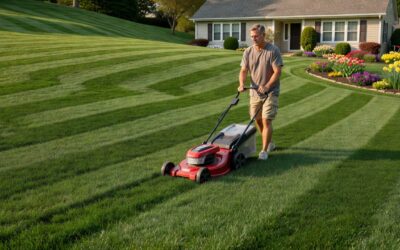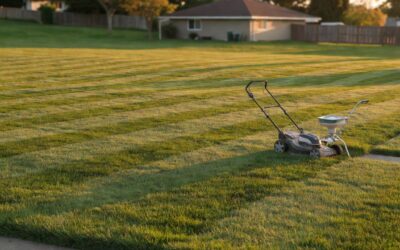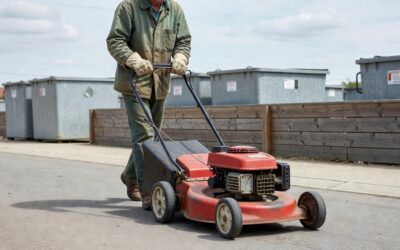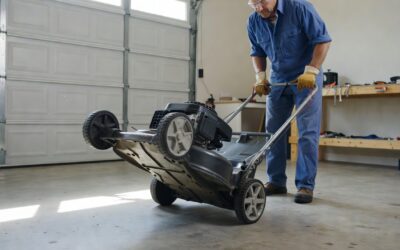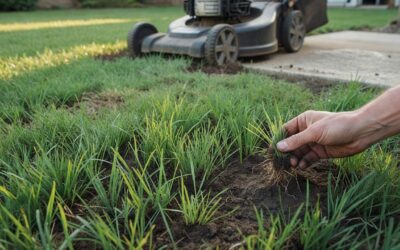
Mowing your lawn too early in spring can set back the entire season’s growth. The right time to mow after winter depends on observable readiness signs rather than a calendar date: the grass must be actively growing again, the soil must be firm enough to support the mower without leaving ruts, frost risk must have passed, and the grass should have reached a typical mowing height of around 3 inches. When those conditions align, set your mower to a higher cutting height than you would use in summer and remove no more than about one-third of the blade length. If frost appears on the grass in the morning or the soil is waterlogged from snowmelt, wait a few more days before mowing.
Is Your Lawn Ready? Signs That Say It’s Time to Mow
The most reliable way to judge whether your lawn is ready for its first spring mow is to look for observable signs of active growth and stable ground conditions, rather than watching the calendar or waiting for a specific air temperature.
Consistent green growth is the primary signal. During winter dormancy, cool-season grasses (like Kentucky bluegrass and perennial ryegrass in northern climates) stop growing and turn brown or tan. As spring arrives, increasing daylight and warming soil temperatures trigger new growth, and the grass begins to green up. Once you see consistent green color across most of the lawn, not just scattered patches, the grass has resumed active metabolism and is ready to be cut. Warm-season grasses (like Bermuda and Zoysia in warmer regions) may still be brown or just beginning to green; these types need warmer soil before they truly wake up, so patience is especially important in their case.
Grass height is the second readiness marker. Before mowing, let the grass grow to roughly 3 inches tall, or whatever height is typical for your lawn type and region. This allows the plant to accumulate enough leaf area to recover quickly after cutting and to produce the energy it needs to continue growing. If you mow when the grass is still short, you risk scalping the lawn—cutting into the crown of the plant—which stresses the turf and can set back recovery by weeks.
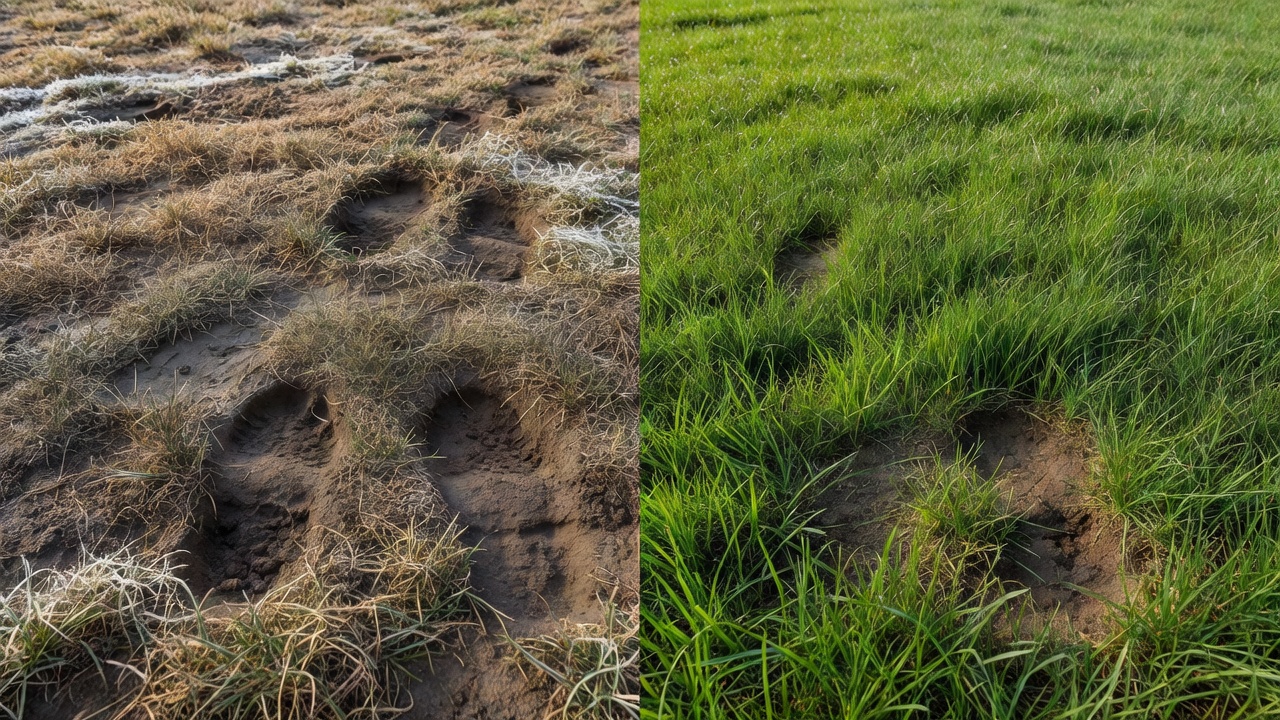
Soil firmness matters for the mower and the grass. Walk across the lawn after winter. If your footprints disappear quickly and you do not sink, the soil has drained enough to support mowing. If you leave deep footprints or sink into the ground, the soil is still waterlogged from snowmelt or winter moisture. Mowing a waterlogged lawn compacts the soil, damages the root zone, and can tear grass blades rather than cutting them cleanly. Wait for the soil to firm up—usually a few days to a week of dry weather—before running the mower.
Frost in the forecast is a reason to pause. Check the weather for the next few days. If frost is predicted, even a light frost, delay mowing. Frost on grass blades makes them brittle and prone to tearing when the mower blade strikes them. Mowing frosty grass can leave the lawn looking ragged and stressed.
Why Mowing Too Early or Too Short Damages the Lawn
Understanding the risks behind these timing guidelines helps explain why patience and a higher cutting height are investments in lawn health.
Cutting dormant grass causes unnecessary stress. During winter, grass is in a dormant state—growth is slowed or paused, and the plant has drawn energy down into the roots to survive cold temperatures. If you mow before the grass has actively resumed growth, you are removing leaf tissue when the plant is not actively replenishing it. This forces the dormant plant to expend precious reserves to regrow leaves, which delays the start of the growing season and can weaken the turf.
Scalping—cutting too short in spring—invites problems. Scalping removes too much of the leaf blade, leaving the grass vulnerable and stressed. A stressed lawn cannot defend itself as well against weeds, disease, and environmental stresses. The shorter, weaker plants are also more easily outcompeted by weeds seeking to colonize the lawn. Recovery from scalping can take several weeks, and the lawn may remain thin and patchy throughout the early growing season.
Mowing wet or frosty grass causes physical damage. When soil is saturated, mowing compacts the ground, which reduces air and water infiltration and damages the root zone. Wet grass blades do not cut cleanly; instead, they are torn and bruised by the mower blade. Frosty grass blades are brittle and shatter under the mower, leaving ragged edges that are prone to browning and disease. These torn, bruised blades also lose moisture more quickly after mowing, which stresses the plant further.
Shorter cutting heights early in the season reduce the plant’s food-making capacity. Grass leaves are the factory where photosynthesis happens and energy is produced for growth and root development. Cutting too short removes the leaf area needed for photosynthesis, which slows the plant’s ability to grow vigorously. This is why mowing short in spring is particularly harmful: the plant is just beginning to gear up for active growth and needs all the leaf area it can keep.
How to Do the First Spring Mow Safely
Once your lawn shows the readiness signs above, follow these best practices for a safe first cut.
Set the mower to a higher cutting height. For the first mow of spring, raise the mower deck higher than you would use in mid-summer. If your lawn is normally mowed at 2 to 2.5 inches during the growing season, set the first spring mow to 3 inches or higher. This taller cut leaves more leaf area on the plant, reducing stress and allowing the lawn to recover quickly. As the season progresses and the grass strengthens, you can gradually lower the cutting height to your preferred maintenance level.
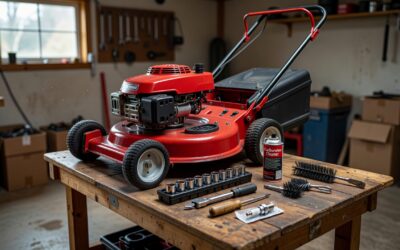
Sharpen the mower blades. Dull blades tear grass instead of cutting it cleanly, which stresses the plant and leaves ragged edges vulnerable to browning and disease. Before the first mow of the season, sharpen the blades or replace them if they are damaged. A clean cut reduces stress on the grass and promotes faster healing.
Follow the one-third rule. Never remove more than about one-third of the grass blade length in a single mowing. If the grass has grown taller than intended and is now 4 or 5 inches high, mow once at a higher setting, then wait a few days and mow again at your target height. Making two lighter cuts is gentler on the plant than one aggressive cut and allows the grass to recover between mowings.
Decide about the clippings. Short clippings left on the lawn decompose and return nutrients to the soil—a practice called grasscycling. If the clippings are long enough to clump, rake them up to prevent smothering the grass underneath. Most lawns benefit from leaving short clippings in place, as long as they are not thick enough to block light and air from reaching the grass below.
Mow when the grass is dry. Even if the soil has firmed up, wait for the grass blades to dry after rain or morning dew before mowing. Dry blades cut more cleanly, and the mower will not clog with wet clippings.
How Climate, Region, and Grass Type Change the Timing
Spring timing varies dramatically depending on where you live and what type of grass you have.
Cool-season grasses wake up early; warm-season grasses wake up late. Cool-season grasses, common in northern and midwestern lawns, grow most actively in spring and fall when temperatures are mild. They begin to green and grow as soon as soil temperatures warm into the 40s and 50s Fahrenheit (roughly 5 to 15 degrees Celsius). You may be mowing cool-season lawns by late March or April, depending on your latitude. Warm-season grasses, common in southern lawns, grow most actively in summer heat. They remain dormant and brown until soil temperatures warm into the 60s or higher (roughly 15 to 20+ degrees Celsius). Warm-season lawns often do not need their first mow until late April or May, or even later in northern parts of the warm-season range. Mowing a warm-season lawn too early, before it has truly broken dormancy, can weaken the turf unnecessarily.
Soil temperature is a more reliable guide than air temperature. Air temperature can swing wildly in early spring—warm one day, freezing the next. Soil temperature, however, changes more slowly and reflects the sustained warmth in the upper layer of soil where grass roots live. Soil that has warmed consistently is the signal that grass is ready to grow actively. You can check soil temperature with a simple soil thermometer, or simply observe whether the soil feels warm to the touch and is no longer frozen or waterlogged.
Regional and geographic differences matter. A lawn in the Upper Midwest may need its first mow in late April or early May, while a lawn in the mid-Atlantic might be ready by mid-April, and a lawn in the Deep South might wait until May or even early June for warm-season grass to fully wake. Microclimates also matter: a lawn on a south-facing slope warms faster than one on a north-facing slope, so the timing can differ even within the same neighborhood.
An unusually early or late spring shifts everything. If spring arrives early and temperatures warm quickly, your lawn may be ready to mow earlier than in a typical year. If spring is late and cold, be patient—your lawn will green up and grow when soil conditions support it, not before. Trust the readiness signs (active growth, firm soil, appropriate height) rather than a calendar date.
What to Do If the Lawn Is Frosty, Waterlogged, or Patchy
Real spring lawns rarely present ideal conditions. Here’s how to handle common exceptions.
If there’s frost on the grass, wait. A light frost in the morning or a forecasted freeze means the grass is not ready. Postpone mowing for a few days until the threat has passed and the grass blades are no longer brittle. One or two days of delay is worth avoiding the damage that frost-mowing causes.
If the ground is waterlogged, do not mow yet. Soggy soil will compact under the mower wheels, damaging the root zone and potentially creating bare spots. The mower will also sink and get stuck. Let the soil dry out for at least several days of warm, dry weather. If winter has been exceptionally wet, this may take a week or two. You can use that time to sharpen blades and plan your first mowing height.
If the lawn is patchy or uneven, raise the mower height. Bare spots, thin areas, and uneven growth are common after winter. Do not try to fix these by scalping the lawn or cutting short. Instead, raise the mower height to avoid cutting into the thin or bare areas, and allow those weak spots to grow in over several weeks. Once the lawn is more uniform and robust, you can gradually lower the cutting height back to normal. Damaged or thin areas may also benefit from overseeding later in spring, after the first few mowings.
If the grass grew unevenly during dormancy, mow at a higher setting first. Uneven growth over winter leaves the lawn at different heights. Mow at a higher-than-normal setting the first time to avoid scalping the shorter spots. After one or two mowings, the lawn will level out and you can return to your target height.
Summary: The Timing Principle
The key to a healthy first mowing is readiness, not a date. Wait until the grass is actively growing, the soil is firm, frost risk has passed, and the grass has reached a mowing height. Then mow at a higher setting and remove no more than one-third of the blade. This conservative approach protects the lawn during the vulnerable transition from dormancy to active growth and sets the stage for a healthy, vigorous growing season.