Quick Answer: How Much Are Edgers?
There is no single price for an edger. The word can mean a lawn or landscape tool or a hair and beard tool. Cost then depends on power source, build quality, capacity, condition, and whether you buy, rent, or hire a service. Manual lawn tools sit at the low end; powered stick, gas, and walk-behind machines generally cost more as…

Pros
- Highly versatile multi-head system with support for a wide range of EGO attachments.
- Brushless motor and carbon fiber shaft are built for durability and reduced vibration.
- Edger attachment offers adjustable depth control for more precise curb and driveway edging.
- Works with EGO 56V ARC Lithium batteries, which is convenient for current EGO users.
Cons
- Battery and charger are not listed in the kit details, so they may need to be purchased separately.
- As a multi-head system, it may not be the simplest choice if you only need a basic standalone edger.
- The product data does not provide weight or runtime, making it harder to compare with other cordless edging options.
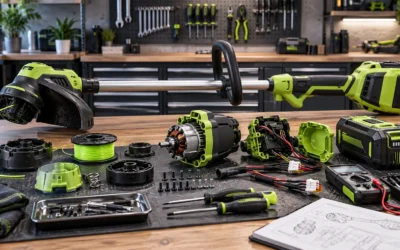
EGO Power+ ME0820 is a cordless multi-head edging kit that pairs the PH1420 power head with the EA0820 8-inch edger attachment. It is designed for homeowners who want one power unit that can support multiple yard-care tasks over time.
The standout feature is flexibility. The power head works with EGO's Multi-Head System attachments, while the edger itself offers up to 3 inches of depth adjustment for crisp lawn borders. A brushless motor, digital two-speed control, and IPX4 weather-resistant construction add practical value for regular outdoor use.
There are a few limitations to consider. The kit details do not include a battery or charger, so some buyers may need to add those separately. It is also best suited to users already invested in the EGO 56V platform, since the system's value is strongest when paired with other compatible attachments.
Overall, this is a strong option for EGO owners who want a durable, expandable edging system rather than a single-purpose tool. It should appeal most to users who value modularity, cleaner edging control, and compatibility with a larger cordless yard-care lineup.

Pros
- Includes both battery and charger for immediate setup.
- Compatible with RYOBI 18V ONE+ batteries for broader system flexibility.
- Lightweight design improves portability and reduces fatigue during regular yard work.
- Supports both .065 and .080 trimmer line for added line compatibility.
Cons
- 13-inch maximum cutting width is more suited to small and medium yards than large properties.
- No runtime, noise level, or weight spec is provided in the source data.
- The product details do not specify advanced features such as brushless motor technology or telescoping shaft adjustment.
Overview: The RYOBI ONE+ 18V 13 in. Cordless Battery String Trimmer/Edger is a lightweight, battery-powered lawn tool designed for basic trimming and edging tasks. Its 2-in-1 setup makes it a practical option for homeowners who want one tool for routine yard cleanup.
Performance: A pivoting head helps the tool transition into edging mode, while the variable-speed trigger gives the user more control over light trimming and tougher spots. The adjustable 11 in. to 13 in. cutting width adds flexibility, and compatibility with .065 and .080 line makes replacement easier.
Drawbacks: This model is best matched to smaller or medium-size yards because its 13-inch cutting width is modest. The provided data does not list runtime, total weight, or advanced motor details, so buyers should avoid assuming high-end performance beyond the stated features.
Verdict: For homeowners already using the RYOBI ONE+ platform, this trimmer/edger offers convenient cordless operation and broad battery compatibility. It is a sensible pick for straightforward lawn maintenance, especially when included battery and charger value matters.

Pros
- True 2-in-1 design that converts quickly between trimmer and edger modes
- Command feed spool with free spools for life program for ongoing convenience
- Two 20V batteries and charger included for extended use out of the box
- Tilting head plus rubberized wheels improve control on varied terrain
- Full Power Share compatibility with other WORX 20V and 40V tools
Cons
- 12-inch cutting diameter may require extra passes on larger lawns
- 0.065-inch line diameter best suited to light and medium grass rather than heavy brush
- Battery-powered design means runtime depends on charge levels without specified duration
The WORX WG163 is a cordless 20V string trimmer and lawn edger built for residential use. Weighing just 5.5 lbs with a compact design, it features rubberized wheels and an adjustable spacer guard that create a solid first impression of a user-friendly outdoor power tool focused on precision and ease.
In performance the 7600 rpm motor and 12 inch cutting diameter handle standard grass trimming effectively. The innovative command feed allows instant line deployment with a push button while the head tilts up to 90 degrees for slopes and tight spaces. Conversion from trimmer to edger takes only seconds and the two included Power Share batteries support the broader WORX ecosystem for ongoing convenience.
Potential drawbacks include the 12 inch path that can slow progress on expansive lawns and the 0.065 inch line suited mainly to lighter tasks. Battery runtime is not detailed in specs so users may need to plan around recharges for prolonged sessions.
Overall the WORX WG163 delivers strong value for homeowners managing small to medium yards who want a convertible cordless tool with ecosystem compatibility and straightforward operation.
What people usually mean by edgers
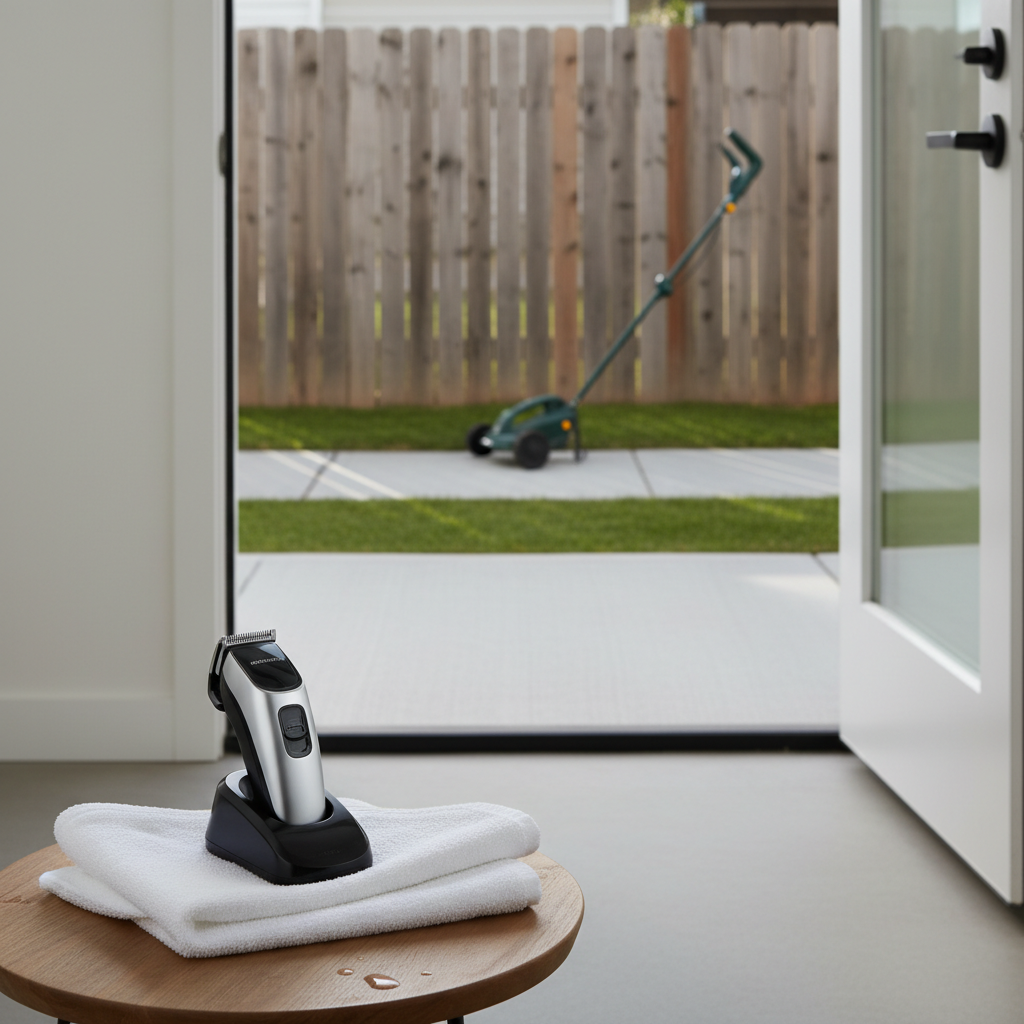
When someone asks how much edgers cost, they may not be talking about the same product. Two everyday meanings sit in completely different markets. Mixing them up sends you to the wrong aisle and the wrong budget.
A lawn edger, also called a landscape edger, is an outdoor tool used to cut a clean vertical or crisp edge in turf or soil. Typical jobs include the line where grass meets a sidewalk, driveway, curb, patio, or garden bed. People also use one to define a new bed or to peel back grass that has crept onto hardscape. Related outdoor jobs get confused with edging. String trimming often tapers grass rather than cutting a sharp vertical face. A spade can define a bed. A blower or broom can clean a walk. Those tasks can look similar from the street, but they do not all require the same tool or the same budget.
A hair edger or beard edger is a personal-care tool. It is often sold as a trimmer or detailer and is used to shape hairlines, necklines, sideburns, and beard edges. It is not a full hair clipper, though some clipper kits include a detailer. The work is close cutting on hair, not soil. Users looking for related component recommendations can explore our jbl partybox club 120 vs sony srs xv500 breakdown.
Both meanings are real. Outdoor power equipment and grooming tools are priced, stocked, and serviced as separate categories. This article covers both so you can apply the rest of the guidance to the product you actually need. When someone asks only “how much are edgers,” context usually settles the meaning. A yard, sidewalk, or landscaping conversation points to a lawn tool. A barber, fade, or beard conversation points to a grooming tool. If you are shopping online with no context, read the listing category before you compare prices. Users looking for related component recommendations can explore our jbl partybox club 120 vs sony srs xv500 breakdown.
Why there is no single edger price
Two items can both be called edgers and still sell at very different prices because they are not the same machine. Power source, intended duty cycle, construction, brand positioning, and what is in the box all move the number. A manual half-moon blade is not priced like a walk-behind commercial unit. A pocket-size beard detailer is not priced like a gas stick edger.
Even inside one type, the figure you see on a shelf or search result is not a fixed national quote. Region and retailer matter. Season matters, especially for outdoor equipment around spring cleanup. New, refurbished, and used condition matter. Kits may include a battery, charger, extra blade, or guard that a “tool only” listing leaves out. Shipping, taxes, and assembly may or may not sit inside the advertised number. Before finalizing equipment decisions, refer to our comprehensive z890 vs x870e motherboard comparison.
Any published “average price” is a snapshot of a particular sample at a particular time. It is not a promise of what you will pay this week. Advertised prices change. Treat ranges in old articles as historical color at best, and compare live local or retailer listings after you know which type you need. A single exact price cannot be stated for all edgers. Inventing one would be more misleading than helpful.
Lawn edger types and how power source affects cost
A consumer lawn edger usually falls into one of a few forms: a manual blade you drive with your foot or hands, a stick-style powered unit you walk with somewhat like a trimmer, or a walk-behind machine with a dedicated cutting head. Power, if any, may come from a cord, a battery pack, or a gas engine. Those choices change both what the tool can do and where it sits in the market. For broader ecosystem context, read through our operational guide on marshall stanmore iii vs harman kardon onyx studio 8.
Manual, step, and half-moon edgers
A manual edger, step edger, or half-moon edger is a simple steel blade on a long handle. You place the blade along the line you want and drive it with body weight or a rocking motion. There is no motor, no fuel, and no battery. For a small yard, short sidewalk edges, or an occasional bed refresh, that can be enough.
Purchase price is usually the lowest among outdoor edgers because you are buying a blade and a handle, not an engine. The tradeoffs are labor, time, and how clean a long run looks if the soil is hard or roots are thick. These tools are generally for homeowners who edge infrequently and do not mind working by hand. They also make sense as a backup if a powered machine is down, or as the only tool when storage space and noise are tight constraints. For troubleshooting and reliability insights, consult our in-depth dyson v8 cyclone vs bissell featherweight stick report.
Corded electric stick edgers
A corded electric stick edger uses household power through an outdoor-rated extension cord. You avoid buying a battery pack and charger, which keeps the purchase simpler than many cordless kits. Constraints are real. You need an outlet within reach, you must manage the cord along the work line, and you should use a cord rated for outdoor use. The cord itself is an extra cost if you do not already own one long enough and heavy enough for the run.
Corded stick edgers are typically aimed at modest residential edges near the house. Relative to manual tools they cost more because they add a motor, switch, and cutting wheel or blade. Relative to many cordless kits they can cost less at the register because the pack is not in the box. They are a poor fit for a long driveway far from power, or for a lot with no convenient exterior outlet. Readers comparing setup options can review our technical analysis on bissell crosswave hydrosteam vs shark stainforce.
Cordless battery edgers
A cordless battery edger is often a stick edger that shares a battery platform with other yard tools. Mobility is the point. You can work along a long driveway or a bed far from an outlet. The purchase price usually includes, or requires, at least one pack and a charger. Extra packs raise the out-the-door cost even when the edger head is similar to a cheaper bare tool.
Platform lock-in is part of the economics. If your household already owns batteries from the same system, the incremental cost of an edger head can be lower. If you are starting from zero, you are buying a system, not just a blade. Runtime and recovery depend on pack size, charger quality, grass, and how deep you cut. Those figures change by model and should be read from current manufacturer materials for the unit in front of you, not from a generic article.
These tools generally suit homeowners who already live on a cordless platform or who want cord-free work without storing gasoline. They are less appealing if you only edge twice a year and would be buying a first pack solely for that job. In that case, renting or staying manual may be the more honest budget.
Gas stick edgers and walk-behind machines
A gas-powered edger, usually a stick or shaft style, carries its own fuel and typically offers uninterrupted work as long as you refuel. A walk-behind edger puts the cutting head on a wheeled frame you push. Walk-behinds are built for longer edges, more frequent use, or thicker overgrowth. Capability generally rises with machine size and intended duty cycle. So does typical purchase-price position.
Gas and walk-behind units usually cost more up front than handheld manual tools or basic electric sticks. They also add fuel, storage, and service needs. Commercial walk-behind machines sit further up still. Heavier frames, replaceable cutting blades or cutting wheels, and construction meant for crew use rather than weekend touch-ups all push the price higher. A homeowner with a short walkway rarely needs that class of machine. A crew maintaining long street edges often does.
A relative cost order, not a price list
A stable qualitative pattern, not a price list, looks like this. Simple manual tools are usually the least expensive to buy. Adding electric power generally raises the price. Larger batteries or a first-time platform kit raise it again. Gas engines typically sit higher still. Commercial walk-behind frames are usually the most expensive consumer-visible category.
That order is about purchase position, not lifetime cost, and it is not a ranking of which tool is best. Individual listings overlap. A loaded cordless kit can approach or exceed a basic gas stick. Always compare complete configurations, not category names.
| Type | Relative purchase position | Generally for |
|---|---|---|
| Manual, step, or half-moon edger | Usually lowest to buy | Small yards, short runs, infrequent use |
| Corded electric stick edger | Above manual; often below a full battery kit | Residential edges near an outlet |
| Cordless battery edger | Higher when packs and charger are included | Cord-free home use, especially on an existing platform |
| Gas stick edger | Typically higher than basic electric sticks | Longer residential edges; users who prefer fuel |
| Walk-behind, especially commercial-grade | Usually highest among these types | Long or frequent edges; professional crews |
Features, capacity, and quality that change the price
After you pick a type, features and build quality move you up or down the market. They are cost drivers, not proof that a tool is superior for every yard.
Features that tend to raise price include adjustable cutting depth, dual-direction cutting so you can work both sides of a walk, sturdier wheels or a curb guide wheel, metal rather than plastic housings in high-stress areas, easier blade changes, and better vibration isolation. None of these is automatically worth a specific extra amount. A convenience extra—an extra guide, a storage hook, a slightly nicer grip—may not change whether the tool can cut the edge you need. Depth control, a sound replaceable blade, and a frame that stays aligned often do change whether the job gets finished.
On cordless models, battery platform size, extra packs, and charger quality affect pricing as much as the edger head. A kit and a bare tool are not comparable. Multi-tool kits that share one pack look expensive until you allocate the pack across several heads. They can also hide a small pack that will not support long continuous edging. Read what is in the box before you treat two listings as the same product.
Residential and commercial-duty construction differ in expected use. Residential tools are generally built for intermittent homeowner duty. Commercial-grade tools are generally built for longer days, more frequent blade changes, and rougher transport. That difference shows up in frames, bearings, blade mounting, and service parts—and in price. “Commercial” printed on a box is marketing language unless you can see the construction and the intended duty cycle. Do not treat the word as proof of durability or as a reason to stretch the budget.
A practical way to sort extras is to ask whether they change whether the tool can do the job.
- Usually job-critical: a cutting blade or cutting wheel that can be replaced, enough stability for your soil and turf, intact guards, and a form factor you can control for the length of the job.
- Often convenience: cosmetic attachments, carry cases, extra colorways, or bundled trimmer line if you will not use a combo head.
- Sometimes either, depending on the yard: adjustable depth, a curb wheel, dual-direction cutting, and extra battery capacity.
Ongoing costs beyond the purchase price
Sticker price is not total cost of ownership. Lawn edgers commonly need replacement blades or cutting wheels. Gas tools need fuel and oil. The exact mix or crankcase service depends on the engine; follow the specific unit rather than a generic recipe. Combo shaft tools may use trimmer line if you swap heads. Cordless tools eventually need replacement batteries. Chargers fail less often than packs but are still part of the system.
If blades, packs, or service parts are hard to get, a cheap tool can become expensive or unusable. Compatibility is part of the purchase decision. Ask whether the cutting wheel is a common size, whether the battery is still in production, and whether a local shop will touch that brand of engine. Those questions do not require a parts catalog. They keep you from treating the lowest listing as the lowest cost.
Storage, seasonal maintenance, and safety gear belong in a realistic budget. Powered edgers throw debris, so eye protection is not optional in practice. Hearing protection is often warranted around gas engines and some electric motors. Gloves and sturdy shoes matter around blades. Fuel needs safe storage away from living spaces and ignition sources. Batteries need dry storage in the temperature range the manufacturer specifies. None of this requires invented fuel-per-hour or cycle-life numbers. It means the purchase is not the last line item.
Sticking to a battery platform the household already owns can reduce add-on cost because you may buy a bare tool. That is not a promise of savings. Packs age. If existing packs are tired, the inexpensive head still needs new batteries. Platform lock-in also means future tools are easier to add and harder to leave. Budget the system you are joining, not only the edger head on the page.
If you meant a hair or beard edger
If you meant a hair edger or beard edger, stop comparing those prices with lawn machines. They are personal-care or barber tools and generally sit on a different, often lower, price scale than powered outdoor equipment. That is a market-structure observation, not a dollar table and not a reason to treat a grooming tool as a bargain lawn substitute.
Consumer hair edgers and professional barber detailers are positioned differently. Home kits often emphasize included guards, combs, and a single charger. Shop tools often emphasize blade material, motor duty, and how the tool feels during long sessions. Higher-priced grooming tools often add better blades, longer-rated motors, or cordless runtime. That is a common market pattern, not a performance guarantee and not a medical claim. These tools do not grow hair, treat skin, or replace a licensed barber when you want a specific cut.
Cost movers in this category include corded versus cordless design, blade quality and how the blade is maintained, included guards or combs, and kit versus single tool. A kit looks more expensive and may be the better household buy if you need multiple attachments. A single detailer may be enough if you only clean edges. Read whether the listing is a full kit or a body only, just as you would with a cordless lawn tool.
Keep grooming-tool research in the personal-care aisle. Voltage, runtime, and “commercial” language on a beard trimmer do not translate to a landscape edger, and the reverse is equally unhelpful.
Buying used, renting, or hiring an edging service
You do not have to pay full retail for a new machine. Used machines, equipment rental, and a landscaping or edging service are common alternatives. Each shifts cost in a different way.
Renting is a common choice when you need a walk-behind or gas edger for one-time cleanup, a long neglected driveway edge, or a job you will not repeat weekly. You pay for time with the machine rather than for years of storage. Costs that still apply include the rental fee, possible delivery, fuel if required, deposits, and any damage waiver the shop offers. Read the rental agreement. Inspect guards, the blade, and obvious frame damage before you leave the counter. This is ordinary caution, not legal advice.
A used-equipment buyer should inspect more than the asking price. Look at blade condition and whether replacements are still sold. For gas, look for obvious engine problems, smoke, leaks, missing parts, and a complete lack of service history. A quick start is not a full diagnosis. For cordless, battery health is a large part of remaining value. A low price on a tired pack is not a bargain. Check missing guards, cracked housings, bent shafts, and frame damage on walk-behinds. If you cannot evaluate a gas engine or an electrical fault, a used deal may need a qualified small-engine or outdoor-power technician before it is safe to use.
Hiring a landscaping or edging service shifts labor and equipment cost to a per-visit or per-property fee. That fee varies by region, lot size, access, and how overgrown the edges are. Minimum service fees are common for small jobs. Hiring makes more sense when you do not want to store or maintain a machine, when the property is large, or when you only want edges done a few times a year. Owning makes more sense when you edge often, enjoy the work, or already have a compatible tool. There is no universal break-even number, and invented hourly rates would not travel well from one city to another.
How to choose a budget that matches the job
Match the tool to the job, then shop. Yard size, length of hardscape, soil or turf conditions, and how often you edge should guide type first and dollars second. A short walkway you tidy a few times a year is a different problem from a long driveway you want crisp every week. Hard, rooty, or neglected edges generally push people toward more power or a walk-behind, not because those machines are better in the abstract, but because hand tools and light sticks may not finish the work in a sitting you will tolerate.
Answer these questions before you compare listings:
- How much storage space do you have, including space for fuel or for battery charging?
- Are you comfortable handling gasoline, or do you prefer electricity?
- Do you already own a cordless battery platform, and are those packs still healthy?
- How often will you actually edge, not how often you imagine edging in spring?
- Will you maintain a machine—blades, oil, pack care—or will it sit unused?
- Do you need only a vertical turf edge, or also bed defining and hardscape cleanup?
- Is this a one-time rescue of overgrown edges, or an ongoing habit?
Compare apples to apples. Tool-only versus kit. Extra battery included or not. Blade included or not. Stick versus walk-behind. New versus used. A lower sticker that omits the pack is not cheaper than a kit that includes one if you still have to buy the pack. A used gas machine without a working blade or with a missing guard is not cheaper than a complete residential stick if you must replace safety parts before the first use.
Set a ceiling from the job and from what you already own, not from a fake average price. Decide the type. Decide new versus used versus rental versus service. Then look at current complete out-the-door prices for that configuration. If the live prices for the type you need sit above what you want to spend, change the type or the ownership model rather than hunting for a mythical typical-edger number.
Safety and shopping caveats
Powered lawn edgers use a spinning cutting blade or cutting wheel. Blades cut. Debris flies. Stones, wire, and turf can leave the work area. Cords can be cut or become trip hazards. Fuel is flammable and must be handled as the label directs. Electricity and wet grass do not mix casually. Hearing and eye protection matter. Keep bystanders and pets away. Do not operate a machine with missing guards.
Follow the specific tool’s manual and labels for operation, blade changes, fuel, charging, and storage. Generic web advice cannot replace the instructions written for your model. If you are not comfortable assembling, fueling, or using a powered edger, hire a service or ask a qualified person to demonstrate the machine you actually have. A higher price does not mean a safer tool. Price is not a safety rating, a certification, or a substitute for intact guards and the intended use described by the manufacturer.
Ad claims need skepticism without a source. Runtime, “commercial,” and “one charge per yard” depend on grass, soil, depth, pack age, and walking speed. Local rules and HOA standards can affect how edges must look and when noisy equipment may be used. Check those locally. This article cannot state your ordinance or treat any listing as legally sufficient.
Redo price research at the time of purchase. Listings, kit contents, and promotions change. Yesterday’s screenshot is not today’s checkout. Once you know whether you need a manual lawn tool, a powered stick or walk-behind, a rental, a service visit, or a hair edger, live listings in that narrow category are the only numbers that matter.
Common Questions on How Much Are Edgers Answered
Can a string trimmer replace a lawn edger?
Sometimes for a casual look. A trimmer can tidy grass along a walk, but it usually tapers rather than cutting a crisp vertical edge. If the look you want is a sharp line in turf or soil, you are shopping for an edger, not only a trimmer. Some combo shafts accept more than one head; still compare the edger head as its own tool, including blade and guard condition.
Do most homes need a commercial walk-behind edger?
No. Commercial walk-behind machines are generally for long, frequent, or professional-duty edges. Many households are better matched to a manual blade, a residential stick edger, or a periodic rental. Buy the duty cycle you will actually use.
Is used always cheaper than new?
Not after missing batteries, worn blades, rusted frames, or an engine that needs professional work. Used prices depend on hours, condition, and whether consumables are tired. Inspect the machine, or pay someone who can, before you treat a low asking price as the real cost.
Mechanical safety standards, operational tolerances, and protective gear guidelines align with benchmark specifications established by the American National Standards Institute (ANSI).
Should I budget a hair edger the same way as a lawn edger?
No. They are different products in different markets. Use grooming-tool criteria—corded or cordless, blade and kit contents, home versus shop duty—and keep those listings off a lawn-equipment comparison.
For more hands-on benchmarks and buying recommendations, consult our guides on residential zero-turn lawn mower guide, as well as heavy-duty chainsaw buyer guide.