Quick Answer: Who Makes the Best String Trimmer?
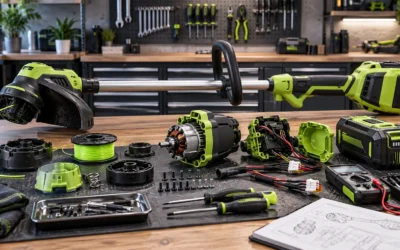
\nThe top string trimmer manufacturers are ECHO, STIHL, EGO Power+, and Husqvarna. For continuous commercial gas operation, ECHO and STIHL represent the professional standard with vibration-dampened solid steel straight shafts and quick-loading line heads. In the cordless battery market, EGO Power+ leads with its 56V brushless system, offering gas-equivalent cutting torque and automated Powerload line-winding technology.
\n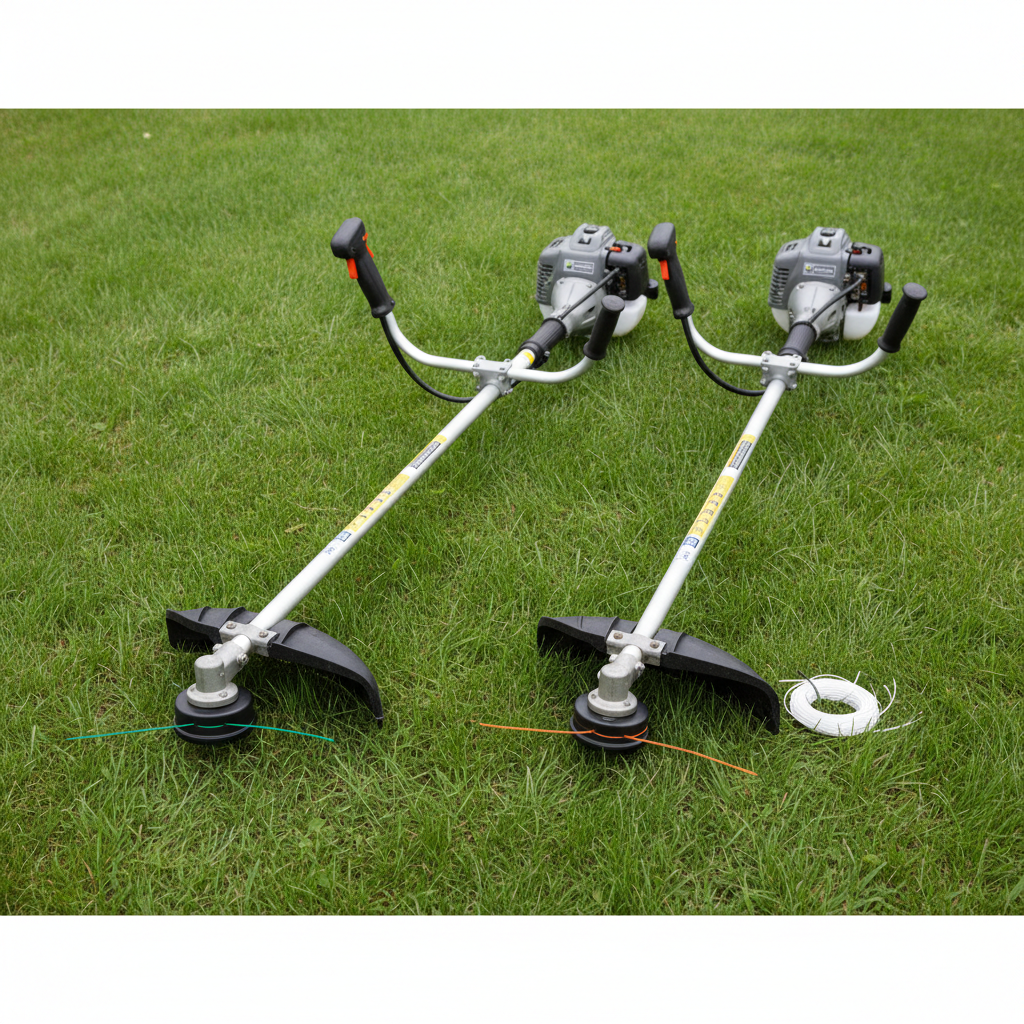
Critical Engineering Features of Superior String Trimmers
\n\n\n\nString trimmers, often called weed eaters or weed wackers, are among the most heavily utilized tools in any yard maintenance arsenal. Whether scalping steep drainage ditches, edging along asphalt driveways, or clearing stubborn brush around fence posts, a superior trimmer must balance balance, weight, vibration control, and cutting power.
\n\n\n\nWhen assessing which manufacturer produces the premier string trimmer platform, industry professionals evaluate four core engineering characteristics:
\n\n\n\n- \n
- Powertrain Reliability: Commercial two-stroke gas engines feature dual-stage filtration and chrome-lined cylinders, while advanced battery platforms utilize digitally controlled brushless motors that sustain RPM under dense vegetation. \n
- Drive Shaft Rigidity: Straight solid steel drive shafts deliver superior torque transfer and long-term durability compared to flexible wound wire cables found in budget curved-shaft trimmers. \n
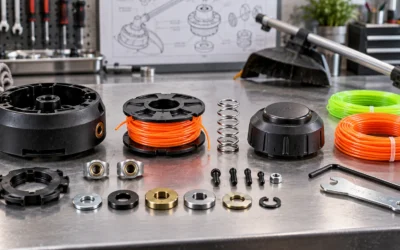
- Head Design and Reloading Speed: The ease of reloading trimmer monofilament directly influences user satisfaction; top designs allow line insertion and spooling without disassembling the cutting head. \n
- Vibration Dampening: High-end models isolate the throttle trigger and operator handles with rubber bushings, preventing hand numbness during extended commercial work. \n
Homeowners exploring versatile multi-tool options can consult our guide on string trimmer edger combo tools to assess attachment capabilities.
\n\n\n\nCommercial Gas Benchmarks: ECHO vs. STIHL
\n\n\n\nFor large rural acreages, commercial property management, and municipal groundskeeping, gas-powered string trimmers remain the dominant workhorses due to rapid refueling and all-day power output.
\n\n\n\nECHO String Trimmers: ECHO has earned widespread loyalty among commercial landscapers due to its straightforward mechanical simplicity and effortless starting. The ECHO SRM-225 and SRM-2620 feature heavy-duty centrifugal clutches, high-capacity air filters, and the renowned Speed-Feed 400 head. This head allows operators to feed line through eyelets and twist the ratchet knob to wind new line in seconds, setting the benchmark for commercial convenience.
\n\n\n\nSTIHL String Trimmers: STIHL commercial lineup, led by the FS 91 R and FS 111 R, incorporates patented 4-MIX hybrid engine technology. This design blends two-stroke fuel simplicity with four-stroke low-RPM torque and reduced exhaust emissions. STIHL trimmers feature rigid steel drive shafts capable of mounting metal brush-clearing blades, making them exceptionally versatile for heavy forestry undergrowth. Landscaping enthusiasts can also explore lawn edger string trimmers for dedicated curb maintenance.
\n\n\n\nCordless Electric Innovations: EGO Power+ and Milwaukee
\n\n\n\nThe outdoor power equipment sector has witnessed rapid advancements in lithium-ion battery technology, with high-voltage cordless trimmers capturing significant market share from gas competitors.
\n\n\n\nEGO Power+ (56-Volt Platform): EGO stands as the undisputed innovator in cordless trimming. Its 56V Arc Lithium battery powers an efficient rear-mounted brushless motor that drives a carbon-fiber straight shaft. EGO patented Powerload technology automates line replacement entirely: threading the monofilament through the head and pressing an electric button automatically winds the spool in seconds, eliminating manual winding completely.
\n\n\n\nMilwaukee Tool (M18 FUEL): Milwaukee M18 FUEL trimmer delivers immense appeal for contractors already utilizing Milwaukee power tools on job sites. Delivering instantaneous throttle response with zero motor bogging, the QUIK-LOK power head accepts pole saw, hedge trimmer, and edger attachments with robust mechanical locking collars. Budget-conscious property owners can also evaluate Ryobi string trimmer and edgers for affordable suburban trimming.
\n\n\n\nStraight Shaft vs. Curved Shaft Ergonomics
\n\n\n\nTrimmer shaft geometry significantly affects operational comfort. Curved shaft models are shorter, lighter, and well-suited for smaller suburban plots with open borders. However, straight shaft trimmers offer substantially longer reach beneath evergreen branches, patio decks, and elevated chain-link fences. Straight shafts also position the spinning cutting head further from the operator feet, minimizing flying gravel and grass splatter.
\n\n\n\nIn addition, line selection plays a massive role in trimming speed and motor longevity. Using professional-grade 0.095-inch twisted or multi-sided aerodynamic monofilament reduces air resistance, lowers operating decibels, and resists premature fraying when edging along concrete sidewalks and brick retaining walls.
\n\n\n\nRecommended Gear
\n\n\n\nEnhance your string trimming efficiency with heavy-duty aerodynamic trimmer line, replacement bump-feed heads, and protective eye and ear equipment.
\n\n\n\n

Pros
- Multi-head platform increases versatility by handling both trimming and edging with one power head.
- POWERLOAD system simplifies trimmer line replacement and can save time during maintenance.
- Carbon fiber construction helps keep the tool lighter while maintaining durability.
- Included battery and charger make the kit more complete for first-time buyers.
Cons
- Runtime is dependent on the attachment and power setting, so heavier jobs may require additional battery management.
- The kit is priced higher than many basic corded or single-function trimmers, which may be a consideration for budget buyers.
- No review data is available yet in the manufacturer listing, so long-term user feedback is limited.
The EGO MHC1603 Multi-Head Combo Kit is a cordless yard-care solution built around the 56V Power Head, a 16-inch carbon fiber string trimmer attachment, and an 8-inch edger attachment. The included 4.0Ah battery, charger, and shoulder strap make it a complete kit for homeowners who want to trim and edge with one system.
In real-world use, the standout feature is convenience. POWERLOAD lets you feed trimmer line with the push of a button, which can save time compared with manual reloading. The brushless motor, variable speed trigger, and two-speed selector are designed to provide controlled performance, while the carbon fiber shafts help keep the tool lighter and more durable.
There are a few tradeoffs to consider. Runtime depends on the attachment and power setting, so larger yards or tougher grass may reduce how long a charge lasts. It is also a premium-priced kit compared with simpler string trimmers, and buyers should note that the listing does not provide customer review depth yet.
Overall, the MHC1603 is a strong fit for homeowners who value cordless convenience, easy line loading, and the flexibility of a multi-head system. It makes the most sense for users who want one tool for routine trimming and edging rather than a basic, lower-cost trimmer.

Pros
- Robust 170cc 4-cycle OHV engine handles thick overgrown vegetation effectively
- Self-propelled system at 1.9 mph greatly reduces physical effort on slopes and large areas
- Wide 22-inch cutting path combined with 8 height settings offers versatile performance
- Durable steel deck and 10-inch never-flat wheels provide stability and reliability on rough terrain
- Side discharge and foldable handle improve efficiency and storage convenience
Cons
- Gas engine requires fuel and regular maintenance unlike electric models
- Manual recoil start can be harder for some users compared to electric starters
- Side discharge only with no bagging or mulching options listed for clipping collection
The BILT HARD Self-Propelled Walk-Behind String Trimmer is a gas-powered brush cutter equipped with a 170cc 4-cycle engine and heavy-duty one-piece steel deck. Its walk-behind design with foldable handle and 10-inch flat-free wheels delivers solid build quality suited for lawns, yards, and fields, creating an immediate impression of a durable tool for overgrown vegetation.
Performance and Key Features: The self-propelled system advances at 1.9 mph so users simply guide the unit across uneven ground or slopes with minimal effort. A 22-inch cutting diameter using durable nylon line pairs with 8-position height adjustment ranging from 1.6 to 3.7 inches, enabling efficient clearing of thick grass, weeds, and light brush. Side discharge keeps the path clear while the steel deck reduces vibration for stable results on rough terrain.
Drawbacks and Considerations: Being a gas model with manual recoil start means it needs fuel and routine upkeep, which may not appeal to those preferring plug-in or battery options. Only side discharge is available without bagging or mulching, and the walk-behind size can feel less agile in very tight spaces than handheld trimmers.
Verdict: This BILT HARD unit delivers strong value for property owners with large or overgrown areas who want reduced pushing effort and versatile cutting heights. Anyone seeking a reliable self-propelled gas brush cutter for lawns and fields will appreciate its combination of power, durability, and storage-friendly design.

Pros
- Two tools in one kit for trimming and blowing.
- Adjustable cutting width adds versatility for different lawn conditions.
- Variable speed controls improve handling and help conserve power.
- Rapid reload trimmer head simplifies line replacement.
Cons
- Only one 2.5 Ah battery is included, so longer sessions may require recharging or a spare battery.
- The product details do not list runtime, which makes it harder to estimate performance on larger properties.
- No extra accessories or replacement line are specified in the manufacturer listing.
Overview & Design: The Kobalt 80V 16-inch String Trimmer and 500 CFM 125 MPH Blower is a cordless yard-care combo built for homeowners who want trimming and cleanup in one package. The kit includes a 2.5 Ah battery and charger, and the trimmer offers an adjustable cutting width for added flexibility.
Performance & Key Features: The trimmer can switch between 14-inch and 16-inch cutting widths, which is useful when you want either tighter control or faster coverage. Its rapid reload head makes it easier to feed new line, while the blower adds three power levels, a variable speed trigger, and hi/lo selection for more controlled airflow.
Drawbacks & Considerations: The manufacturer specifications do not include runtime, weight, or extra accessories, so buyers should not expect a full performance breakdown from the product data alone. Because only a 2.5 Ah battery is listed, this kit may be better suited to light to medium yard work than extended cleanup on larger properties.
Verdict: This Kobalt combo kit is a practical choice for users who want a cordless trimmer and blower with simple controls and easy maintenance. It should appeal most to homeowners looking for a convenient all-in-one solution for routine lawn edging and debris removal.

Frequently Asked Questions
\n\n\n\nWhich string trimmer brand is most reliable for home use?
\n\n\n\nEGO Power+ is widely regarded as the most reliable brand for residential homeowners, providing gas-level power without the fuel mixing, spark plug changes, or carburetor maintenance of gas engines.
\n\n\n\nWhat diameter string trimmer line should I buy?
\n\n\n\nFor light grass edging, 0.080-inch line is sufficient; for dense weeds, thick stalks, and general yard maintenance, 0.095-inch twisted nylon monofilament is the industry standard.
\n\n\n\nCan a string trimmer run a metal brush blade?
\n\n\n\nOnly straight-shaft trimmers equipped with a solid steel drive shaft, heavy-duty gearbox, barrier bar, and approved deflector kit can safely run metal brush blades or saw teeth.
\n\n\n\nWhy does string trimmer line break off inside the eyelet?
\n\n\n\nLine snapping at the eyelet usually occurs when operating at full throttle against abrasive surfaces like concrete foundations, or when old monofilament has dried out and turned brittle.
\n\n\nRelated Maintenance and Operating Guides
To keep your equipment running at peak operating efficiency, explore our related technical walkthroughs and maintenance tutorials:
- Consult our detailed breakdown on yard.
- Consult our detailed breakdown on z890 vs x870e motherboard.
How do you keep string trimmer line from becoming brittle?
\n\n\n\nNylon trimmer line absorbs moisture from the atmosphere. Soaking older, brittle line in a bucket of water for 24 hours restores flexibility and prevents premature breaking during use.
\n\n\nTechnical Standards and Compliance
\nMechanical safety standards, operational tolerances, and protective gear guidelines align with benchmark specifications established by the American National Standards Institute (ANSI).