

Quick Answer: Does Electric Lawn Mower Need Oil?
A typical corded or battery-powered walk-behind electric lawn mower does not need engine oil. It runs on a sealed electric motor rather than a gasoline engine, so there is no crankcase, dipstick, or oil-change interval. You can skip the oil ritual that gas mowers require. Some wheels, cables, or height adjusters may still need light lubrication if the owner’s manual…
Why Electric Lawn Mowers Do Not Need Engine Oil
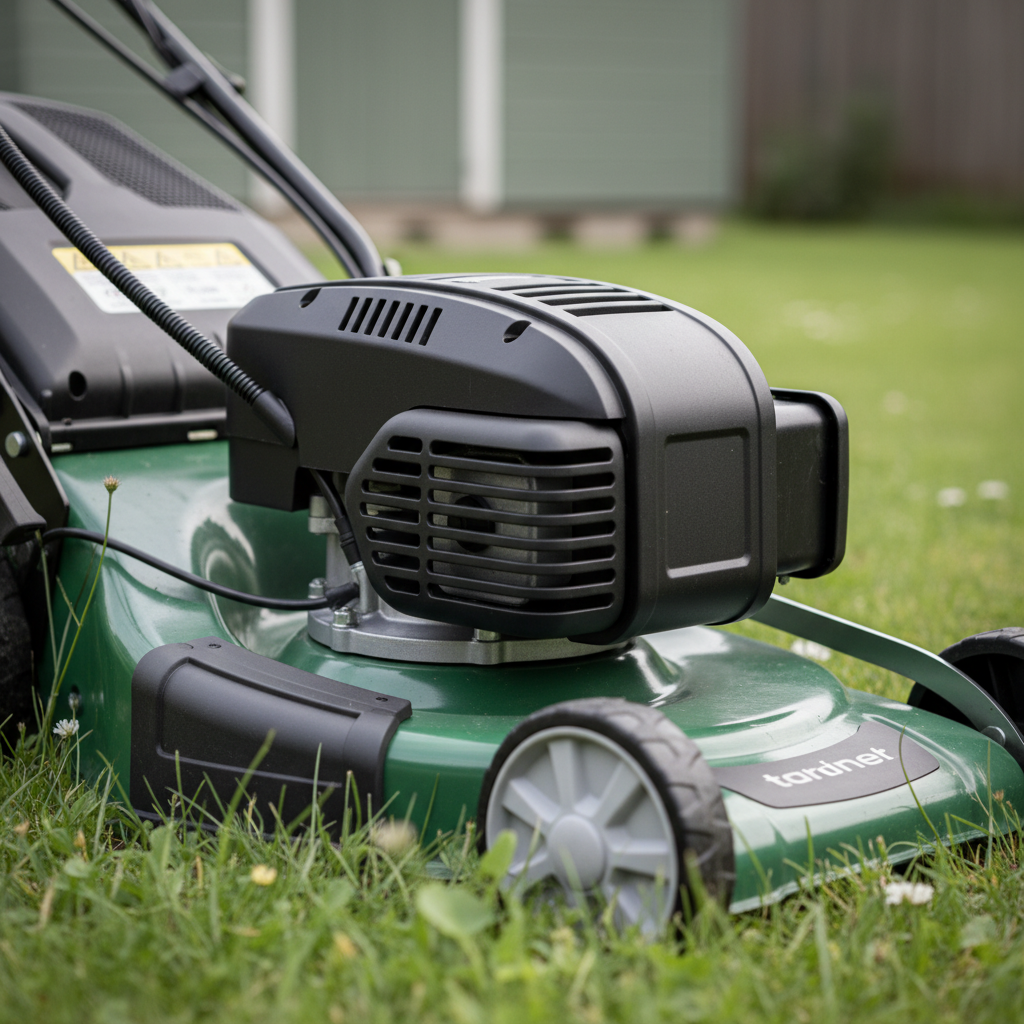
A standard electric walk-behind mower is built around an electric motor, not an internal-combustion engine. That single design choice is why the familiar gas-mower oil ritual does not apply. A gasoline engine burns fuel inside cylinders. Moving metal parts inside that engine need a film of engine oil for lubrication and, in many designs, to help carry heat away from internal surfaces. Oil lives in a crankcase or sump. Owners check a dipstick, add oil through a fill neck, and eventually drain and replace it.
A typical corded mower or battery mower has none of that architecture. Electricity from a wall cord or a removable battery pack turns the motor, and the motor turns the blade. There is generally no combustion chamber, no crankcase, no oil pump, and no user-serviceable oil reservoir for the cutting motor. Many consumer electric motors used in this class of machine are treated as sealed units. You are not expected to open them, top them up, or schedule an oil change the way you would on a gas lawn mower.
That is why a standard electric lawn mower usually has no oil fill cap, no dipstick, and no drain plug dedicated to engine oil. If you walk around the deck and handle looking for those parts and do not find them, that absence is normal. It is not a missing accessory. The machine was not designed around crankcase oil.
“No engine oil” does not mean the mower has no moving parts. Wheels still roll. Height adjusters still click. Cables and linkages may still move. A self-propelled walk-behind still has a drive system. Those mechanical points are a different subject from engine oil. They may or may not need occasional lubrication, and only the owner’s manual for that model can say which points, if any, should be treated and with what product. Unusual, commercial, riding, robotic, or hybrid designs can also add gearboxes or other fluid systems. The safe general rule is for ordinary corded and battery walk-behind mowers: they do not take engine oil in the gas-engine sense. Confirm your machine against its manual before you assume anything more specific.
How This Differs From Gas Lawn Mower Care
Gas walk-behind mowers commonly ask owners to check the engine-oil level, add oil when it is low, and change the oil on a schedule the manufacturer sets. They also need fuel-related care that an electric mower never needs: fresh gasoline or the correct fuel mix, attention to stale fuel, and often seasonal fuel-system habits. Spark plugs, air filters, and exhaust parts belong to that same gas-engine world. None of those oil-and-fuel tasks transfer to a typical electric cutting motor.
People still assume an electric mower needs oil because lawn care has been taught as a single ritual for decades. Many households grew up checking oil before the first spring cut. Hardware-store aisles still group motor oil with mower season. Neighbors may offer the same advice they give for every machine with a blade and four wheels. The word “mower” triggers the word “oil,” even when the power source has changed. That habit is understandable, and it is also the main reason people buy a bottle of engine oil they will never need for a corded or battery walk-behind.
Skipping oil changes does not make an electric mower maintenance-free. It only removes one category of work. Grass still packs under the cutting deck. Blades still dull. Cords still fray. Batteries still age if they are stored empty, soaked, or left on a charger against the maker’s guidance. Plastic housings and switches still fail if they are forced, soaked, or packed with debris. The care list gets shorter and cleaner. It does not disappear.
If a household owns both a gas lawn mower and an electric one, keep the two service routines separate on purpose. Store engine oil, funnels, and fuel cans with the gas machine, not next to the electric deck. Do not “just add a little oil” to the electric mower because the gas mower is due. Do not use the electric mower’s battery bay, motor vents, or deck as a place to wipe leftover oil from your hands. Label shelves if that helps. The conceptual split is simple: engine oil is for an internal-combustion engine. A typical electric cutting motor is not that engine.
Gas mowers are also not all identical. Different engines call for different oil types and intervals in their own manuals. This article does not assign a viscosity, capacity, or calendar to any gas model. The only comparison that matters here is the category difference. Gas engines typically need periodic oil care. Standard electric walk-behind motors typically do not.
Engine Oil Versus Other Lubrication
Engine oil and a dab of grease or a light mechanical lubricant are not interchangeable jobs. Engine oil is formulated to live inside an operating internal-combustion engine, circulate, cling to hot metal, and be changed when it breaks down. Grease or a light lubricant, when a mower manual calls for it at all, is usually meant for a specific external or semi-external joint: a wheel axle, a height-adjuster pivot, a cable end, or a similar point that squeaks or binds from weather and grit. One product is a crankcase fluid. The other is a targeted mechanical aid. Pouring motor oil onto a deck or into a motor housing does not substitute for either job. Users looking for related component recommendations can explore our marshall stanmore iii vs harman kardon onyx studio 8 breakdown.
On an electric walk-behind, the parts that are sometimes candidates for lubrication are the ordinary mechanical bits, not the motor windings. Wheels can get stiff after a wet season. Height adjusters can stick. Folding-handle knobs and cables can feel dry. A self-propelled drive may have points the manufacturer identifies. None of that is universal. Some plastics and bushings are designed to run dry. Some seals are harmed by the wrong oil. Some “squeaks” are actually packed grass, a bent part, or a failing bearing that lubricant will not fix. The only responsible rule is: lubricate a point only if the owner’s manual names that point and names an appropriate product family. If the manual is silent, do not invent a grease map.
You should not spray or pour motor oil on the cutting deck as a cleaner, on the motor housing or cooling vents, on switches, or anywhere near a battery compartment. Oil on electrical parts can attract dust and clippings, interfere with cooling, degrade some plastics, and create a slippery, messy surface that is hard to inspect. Oil in a battery bay can contaminate contacts and housings. Oil inside vents can reach places you cannot wipe. Those are the wrong places for a gas-mower leftover bottle. Before finalizing equipment decisions, refer to our comprehensive dyson v8 cyclone vs bissell featherweight stick comparison.
If a wheel squeaks or a lever feels stiff, start with inspection, not a spray can. Unplug a corded mower completely, or remove the battery from a cordless mower, before you tip the machine or put hands near the blade or underside. Clear packed grass and mud from wheel wells, height notches, and the deck lip. Look for a bent bracket, a missing clip, or a stone jammed in a fork. If the part still binds after it is clean, read the maintenance section of the manual. If the manual allows a specific lubricant on that joint, use that guidance. If the noise is a grind from the motor area, a burning smell, a hot housing, or a drive that slips under load, stop. That is service territory, not a lubrication errand.
Do not disassemble the motor, open a battery pack, or bypass safety interlocks to “get oil where it needs to go.” Those steps are not home oil service. They create shock, fire, and uncontrolled-blade hazards. A sealed motor that was never meant to be oiled will not be improved by being opened. For broader ecosystem context, read through our operational guide on bissell crosswave hydrosteam vs shark stainforce.
Corded, Battery, and Other Electric Mower Types
On the engine-oil question, corded and battery walk-behind mowers are in the same category. A corded mower draws power through an extension cord. A battery mower draws power from a pack you lift out or click in. Both still use an electric motor to spin the blade. Neither design, in the ordinary consumer walk-behind form, creates a gas-style crankcase or an oil-change interval for that motor. You do not choose oil based on cord versus battery. You choose charging habits, cord care, and storage based on those power sources. The oil answer stays the same: typically none for the cutting motor.
A self-propelled electric walk-behind still usually does not need engine oil in the gasoline sense. The drive that pushes the mower forward is not the same thing as a small gas engine with a dipstick. Some drive systems are designed as sealed modules. Some manuals mention a specific mechanical lubrication point. That is still not a crankcase oil change. Do not assume a gearbox fill just because the mower rolls itself. Do not invent a service procedure for the drive. If the manual does not describe a user-serviceable fluid, do not add one.
The label “electric” is less reliable once you leave ordinary walk-behind machines. Electric riding mowers, robotic mowers, commercial units, and gas-electric hybrid mowers can include extra systems. A rider may have a transaxle, hydraulic lift, or other fluid reservoir that has nothing to do with a walk-behind cutting motor. A hybrid may still have a small gasoline engine that does need the oil procedure in its own manual. A robot may have sealed drives and a completely different service model. Some of those machines use fluids. Some do not. It is unsafe to copy the walk-behind electric rule onto every product that is marketed with an electric badge.
Before you assume a sealed motor with no fluids, identify how the machine is actually powered and what else is attached to that power. Look for a fuel tank, a spark plug, a muffler, an oil fill, or a dipstick. Those parts belong to a gas or hybrid engine path. Look for separate reservoir caps that the manual names as gear, hydraulic, or drive fluid. Those are not “engine oil for the electric motor,” but they are still fluids you must not ignore if the manufacturer requires them. When the machine is a standard corded or battery walk-behind with only a motor, deck, and wheels, the default answer holds. When it is anything more complex, stop generalizing and read that model’s maintenance chapter.
Maintenance Electric Mowers Usually Need Instead of Oil Changes
If you are not changing oil, the work that actually protects an electric lawn mower is ordinary, visible, and mostly mechanical. The cutting deck collects wet clippings that hold moisture against metal and plastic. After mowing, especially in damp grass, scrape or brush the underside so the deck can dry. Do that only after the machine is made safe: unplug a corded mower at the mower and at the outlet, or remove the battery from a cordless mower, and wait until the blade has fully stopped. Wear eye protection and sturdy gloves. Never reach under a deck that still has power available. Do not invent a chemical recipe for the underside. A scraper and the cleaning method in the manual are enough for routine care. Avoid flooding motor openings, switches, and battery contacts with a hose.
The blade does more of the machine’s real work than any fluid ever would. A dull or bent blade tears grass, loads the motor, and can vibrate the whole deck. Inspect it on a schedule that matches how often you cut and what you hit. Follow the owner’s manual for removal, sharpening, balancing, and reinstallation. If you are not equipped to do that work safely, a shop can. This article cannot give torque figures, replacement-hour claims, or a universal sharpening angle. Those details are model-specific. What is universal is the safety order: power disconnected, blade stopped, gloves on, and no guessing at fasteners you cannot identify.
Corded models need a cord habit that gas owners never think about. Inspect the mower cord and the extension cord for cuts, crushed insulation, loose strain relief, and damaged plugs before you use the machine. Do not tape over a damaged cord and keep cutting. Replace damaged cords with the type the manufacturer allows, or stop and have the machine serviced. Keep the cord behind you and clear of the blade path while you mow. That is electrical safety, not oil service, and it matters more than any lubricant on a corded mower.
Battery mowers need charging and storage habits that match the battery maker’s guidance, not a folklore schedule. In general terms, store packs dry, away from extreme heat and soaking wet sheds, and at the state of charge the manufacturer recommends for storage. Use the charger that belongs to that pack family. Do not open the pack, jump it with another charger, or leave a damaged pack in service. Runtime, chemistry, and cycle-life numbers vary by design and are not something a general article should invent. Treat a swollen, cracked, leaking, or overheating pack as a stop-use problem, not a DIY repair.
Storage and moisture care are simple. Let the deck dry. Keep the mower off bare wet soil if you can. Fold or hang it only in the way the manual shows so housings and handles are not stressed. Keep batteries and chargers indoors if the manufacturer says outdoor storage is a problem. Cover the machine against rain if it lives outside, but do not seal a wet mower under a tarp that traps condensation. Moisture plus grass residue is a better predictor of rusted decks and sticky controls than the absence of engine oil.
Stop DIY care and use the manual, the manufacturer, or a qualified technician when the job leaves the outside of the machine. Burning smells, repeated breaker trips, a motor that will not start, a battery that will not charge, a blade that will not stay tight, a self-propel system that fails, cracked housings around switches, or any sign of water inside electrical areas are not lubrication problems. They are reasons to stop. A qualified repair shop is the right next step when the manual’s user section does not cover the fault.
Why You Should Not Add Motor Oil to an Electric Mower
Pouring engine oil into an electric motor housing, cooling vents, switch area, or battery bay is not a harmless extra precaution. Oil can coat electrical insulation and contacts, hold clippings against warm surfaces, and block airflow the motor needs. It can attack some plastics and rubber parts. It can make the deck and handles slick. In the worst cases it creates a mess that is difficult to clean without further disassembly, and disassembly of live or recently used electrical equipment is itself a hazard. The mower was not designed as an oil-filled engine. Adding oil does not “help it last.” It contaminates a machine that was meant to stay dry inside those housings.
Leftover gas-mower habits cause the same class of problem in smaller ways. Wiping an oily dipstick on the electric deck, storing the battery in a tray that holds spilled 2-cycle mix, or spraying penetrating oil into a buzzing switch can all move petroleum products onto parts that should stay clean. Fuel vapors and oil films do not belong in a battery charger corner. Keep the two tool families apart so the electric mower does not inherit the gas mower’s drips.
If oil was already added by mistake, do not start the mower to “see if it is fine.” Starting can spread the oil, heat it, and throw it toward the blade or the operator. Prevent further contamination: keep the machine upright if that is the position the oil was poured, or follow any immediate containment advice from the manufacturer if you can reach them quickly. Keep children and pets away from the spill. Do not mix household chemicals to wash the motor out. Do not hose the electrical openings. Contact the manufacturer or a qualified repair shop with the model and a clear description of where the oil went and how much you think entered the machine. Let that person decide whether the unit can be cleaned, which parts must be replaced, and whether it is safe to use again.
Warning signs that the machine needs professional help, whether from oil or from another fault, include oil or unknown liquid at vents or the battery bay, a persistent burning or hot-plastic smell, smoke, unusual grinding from the motor, a blade that hesitates or sparks at the deck, error lights or a pack that will not seat, and any shock, trip, or scorch mark at the cord or charger. Those signs mean stop using the mower. They are not cues to add more lubricant or to keep cutting until the weekend is over.
This is caution, not a claim that every drop of oil causes a fire. The practical point is simpler. Engine oil in the wrong place has no upside on a typical electric walk-behind, and the downside includes damaged parts and avoidable electrical risk. Leave the bottle on the gas-mower shelf.
How to Confirm What Your Specific Mower Needs
Start by identifying the power source in front of you, not the category you remember from the store aisle. A true electric-only walk-behind has a cord inlet or a battery bay and no fuel tank. A gas or hybrid machine will usually show a fuel cap, a tank, a muffler, and often a spark-plug boot. An oil fill neck or dipstick on the powerhead is a strong sign you are not looking at a standard sealed electric cutting motor. If those gas-engine parts are present, this article’s “no engine oil” rule does not apply to that engine. Use that engine’s manual for the specified oil procedure.
Next, open the official owner’s manual and go to the maintenance section, not the marketing page. Look for headings about oil, lubrication, grease, and “do not lubricate.” Some manuals are explicit that the motor is sealed and needs no oil. Some list one or two mechanical points and forbid oil everywhere else. Some hybrid or riding manuals split the electric drive from a separate fluid system. The manual overrides a general article when the two conflict. That is the correct hierarchy, not a suggestion.
If the printed manual is missing, use the model and serial numbers on the mower’s identification plate and contact the manufacturer for the official document. Do not substitute a random forum post or a gas-mower checklist. Do not assume a similar-looking deck uses the same fluids. Aftermarket look-alikes and private-label machines can hide different internals under similar plastic. The plate on your machine is the identifier that matters.
While you confirm paperwork, do a calm visual check rather than a teardown. Note whether there is any fill cap the manual names. Note leaks, cracked housings, crushed cords, swollen batteries, and packed decks. Unusual noises, visible leaks, burning smells, repeated electrical trips, or error indicators mean you should stop and get help rather than add lubricant “just in case.” Adding oil to silence a noise is how sealed motors and battery bays get ruined.
For a typical corded or battery walk-behind electric lawn mower, that confirmation process almost always ends in the same place: no engine oil, no dipstick ritual, and a short list of cleaning, blade, cord, battery, and storage tasks. For anything with a gas engine, a rider platform, a robot chassis, or a named gearbox or hydraulic system, the process ends in that machine’s own fluid list. Either way, you are not guessing with a leftover bottle of motor oil. You are matching the power source to the maintenance the manufacturer actually wrote down.
Technical Standards and Compliance
Mechanical safety standards, operational tolerances, and protective gear guidelines align with benchmark specifications established by the American National Standards Institute (ANSI).









