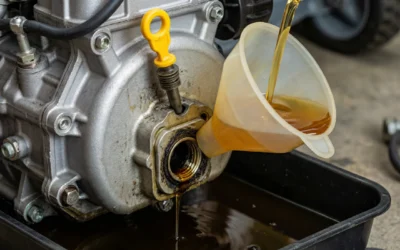
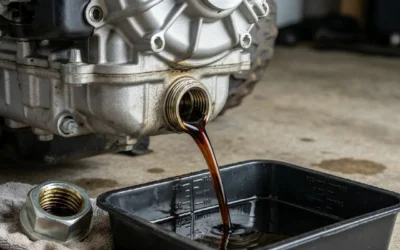
Most lawn mower manufacturers recommend changing the oil every 25 hours of use or at least once per season, whichever comes first. For a typical homeowner mowing about an hour per week, that works out to roughly once every 5 to 6 weeks during the growing season. This general guideline keeps your engine protected, but the exact interval can vary based on your mower type, how often you use it, and the conditions in which you mow.
Why Regular Oil Changes Matter
Engine oil plays a critical role in keeping your lawn mower running smoothly. It lubricates the moving parts inside the engine, reducing friction and preventing metal-on-metal contact that can cause premature wear. Oil also helps dissipate heat, keeping the engine at a safe operating temperature, and it captures dirt, debris, and combustion byproducts before they can damage internal components.
When oil is left in the engine too long, it breaks down and loses its ability to protect. Old or dirty oil becomes thicker and less effective at lubricating, and the contaminants it has collected can turn into sludge that clogs passages and restricts oil flow. Running a mower with degraded oil can lead to increased engine wear, overheating, reduced performance, and in severe cases, costly engine failure. Regular oil changes are one of the simplest and most affordable ways to extend the life of your mower.
Fresh oil also helps the engine start more easily and run more efficiently. Over time, the additives in oil that protect against corrosion and wear are depleted, leaving the engine more vulnerable. By sticking to a consistent oil change schedule, you keep those protective properties intact and reduce the risk of unexpected breakdowns during the mowing season.
The General Rule: 25 Hours or Once a Season
The most widely cited guideline for lawn mower oil changes is every 25 hours of engine use or at least once per season, whichever comes first. This recommendation comes from many major mower manufacturers and applies to both push mowers and riding mowers. Because most homeowners do not track engine hours precisely, the once-per-season rule is often the easier one to follow.
For a typical homeowner who mows about one hour per week, 25 hours of use translates to roughly once every five to six weeks during the active growing season. That means most people will change the oil two to three times per year, depending on how long their mowing season lasts. If you mow less frequently, the once-per-season guideline will likely be the deciding factor.
It is worth noting that the 25-hour figure is a general industry guideline rather than a universal rule. Some manufacturers recommend intervals as short as 20 hours, while others suggest 50 hours for certain engines. The first oil change on a new mower is often recommended earlier, sometimes after just five hours of use, to remove any debris left from the manufacturing process. Always check your specific model’s recommendations when available.
If you are unsure how many hours your mower has been used, a good practical approach is to change the oil at the beginning of each mowing season. This ensures the engine starts the season with fresh, clean oil and gives you a simple, memorable schedule to follow.
Factors That Change the Interval
While the 25-hour or once-per-season rule works well for most homeowners, several factors can make more frequent oil changes necessary. Understanding these conditions will help you adjust your schedule to keep your engine properly protected.
Mower Type: Push vs. Riding
Push mowers and riding mowers generally follow the same oil change guidelines, but there are some differences to keep in mind. Riding mowers typically have larger engines and hold more oil, which can allow for slightly longer intervals in some cases. However, they are also often used for larger lawns, meaning they may accumulate engine hours more quickly. Push mowers have smaller engines with less oil capacity, so the oil can become contaminated faster relative to the amount in the system.
Dusty or Dirty Conditions
Mowing in dusty, sandy, or otherwise dirty conditions puts extra strain on your oil. The engine’s air filter catches most debris, but fine dust can still find its way into the oil over time. If you regularly mow in dry, dusty areas, near construction sites, or in sandy soil, consider changing the oil more frequently than the standard guideline suggests.
Heavy or Frequent Use
If you use your mower commercially, mow multiple properties, or have a very large lawn that requires several hours of mowing each week, you will accumulate engine hours quickly. In these cases, tracking actual hours of use becomes more important than following a seasonal schedule. When you exceed 25 hours of use before the season ends, change the oil promptly rather than waiting for the next seasonal change.
Engine Age and Condition
Older engines or engines that have been poorly maintained may benefit from more frequent oil changes. As engines age, they can develop more blow-by, where combustion gases leak past the piston rings and contaminate the oil. If you notice your oil darkening quickly or the engine running roughly, moving to a shorter interval can help protect the engine.
How to Check Your Owner’s Manual
The most reliable source for your mower’s oil change interval is the owner’s manual that came with your machine. Manufacturers provide specific recommendations based on the engine design, oil capacity, and intended use of each model. These instructions take precedence over general guidelines and will give you the exact interval for your equipment.
In the owner’s manual, look for the maintenance or service schedule section. This will typically list the recommended oil change interval, the correct oil type and viscosity, and the oil capacity for your engine. Many manuals also include instructions for the first oil change on a new mower, which is often recommended earlier than subsequent changes.
If you have lost your owner’s manual, there are several ways to find the information you need. Most manufacturers publish manuals online, and you can usually download a PDF by entering your mower’s model number on the manufacturer’s website. The model number is typically printed on a sticker or plate on the mower deck or frame. You can also search for the engine manufacturer’s recommendations, as many mowers use engines from companies like Briggs & Stratton, Honda, or Kawasaki, each of which publishes its own maintenance guidelines.
If you cannot find the manual online, a reputable small-engine repair shop can often tell you the correct interval and oil specifications for your model. They may also be able to look up the information using your mower’s serial number.
Signs Your Oil Needs Changing Sooner
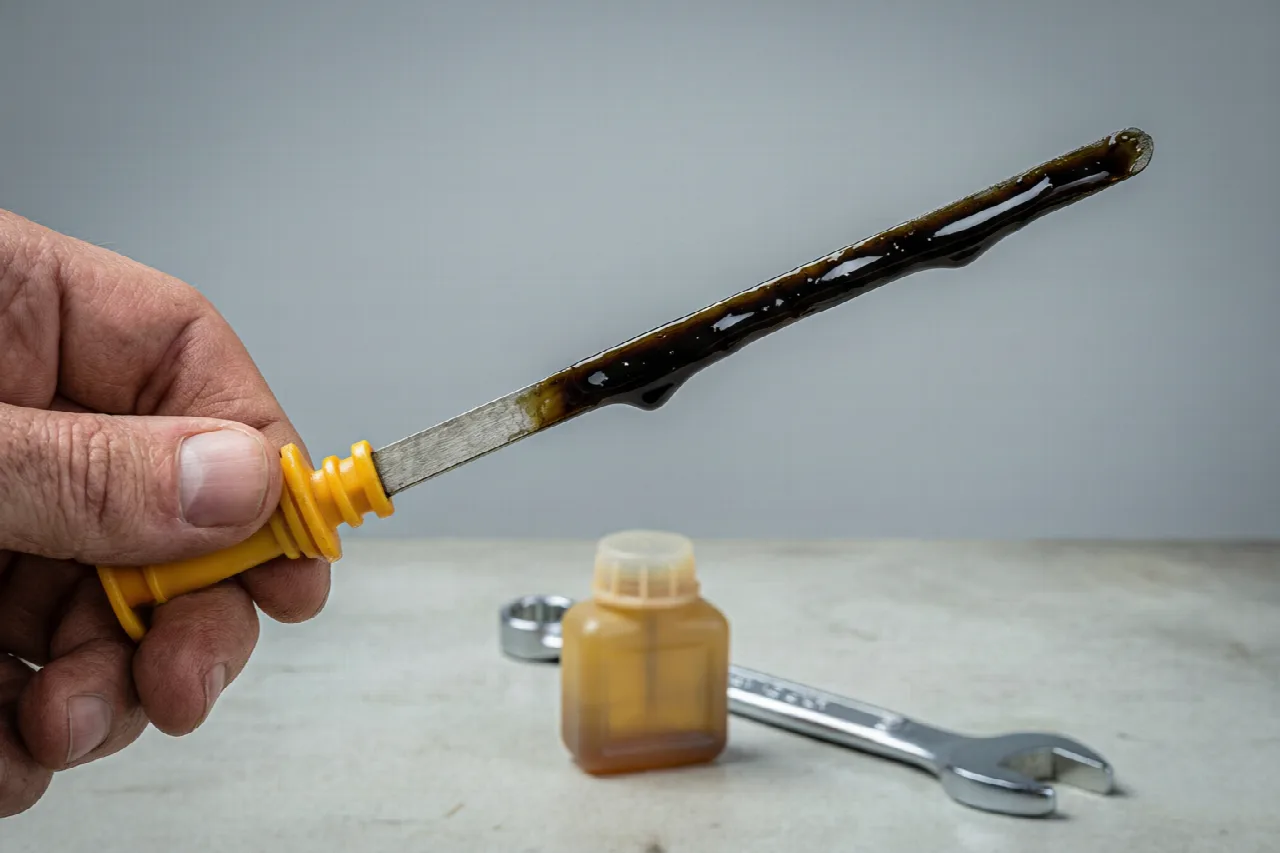
Even if you are following a regular schedule, it is a good idea to check your oil periodically and watch for signs that it may need to be changed ahead of schedule. Catching problems early can prevent damage to your engine.
Oil Color and Consistency
Clean engine oil is typically amber or light brown and has a smooth, consistent texture. As oil ages, it darkens and becomes thicker. If you check the dipstick and the oil appears very dark, nearly black, or has a gritty or sludgy texture, it is time for a change. Oil that looks milky or frothy may indicate water contamination, which requires immediate attention.
Oil Level Issues
If you find that the oil level is consistently low between changes, you may have a leak or the engine may be burning oil. While this does not necessarily mean the oil needs changing immediately, it is worth investigating. Running an engine with low oil can cause serious damage, so always top up to the correct level and check for leaks.
Engine Performance
Changes in how the engine runs can also signal that the oil needs attention. If the mower is harder to start, runs roughly, or seems to lack power, dirty or degraded oil could be a contributing factor. Unusual noises, such as knocking or ticking sounds from the engine, can also indicate inadequate lubrication.
Smell
Fresh oil has a relatively mild, clean smell. If the oil on your dipstick smells strongly of gasoline, fuel may be leaking into the crankcase, which dilutes the oil and reduces its protective properties. This is a sign that the oil should be changed and that the underlying fuel system issue should be addressed.
Frequently Asked Questions
Can I change mower oil myself?
Yes, changing lawn mower oil is a straightforward task that most homeowners can do themselves with basic tools. You will typically need a wrench to remove the drain plug or oil fill cap, a drain pan to catch the old oil, and the correct new oil for your engine. Always dispose of used oil properly by taking it to a recycling center or auto parts store that accepts it.
What type of oil should I use?
The correct oil type depends on your engine and the operating temperature. Many small engines use SAE 30 oil, while others recommend 10W-30 or synthetic alternatives. Check your owner’s manual for the specific viscosity recommendation for your model. Using the wrong viscosity can affect engine performance and protection.
How much oil does a typical mower need?
Oil capacity varies by engine size. Most push mowers hold between 15 and 20 ounces of oil, while riding mowers typically hold between 1.5 and 2 quarts. The exact capacity is listed in your owner’s manual. When adding oil, pour in small amounts and check the dipstick frequently to avoid overfilling, which can damage the engine.
Regular oil changes are one of the most important maintenance tasks you can perform to keep your lawn mower running reliably for years. By following the general 25-hour or once-per-season guideline and adjusting for your specific conditions, you can protect your engine and avoid costly repairs.