As a general rule, mow your lawn about once a week during the active growing season, and less often—every 10–14 days or as needed—during cooler or dormant periods. The ideal frequency varies by grass type, climate, and growth rate, and you should never remove more than one-third of the grass blade height at one time.
The General Rule for Mowing Frequency
For most lawns, mowing once a week during the active growing season is the standard baseline. This schedule keeps grass at a healthy, consistent height and prevents it from becoming overgrown between cuts. The growing season is the period when grass is actively producing new growth, typically spring through early fall in many regions, though the exact timing depends on your climate and grass type.
The most important principle in lawn mowing is the one-third rule. This guideline states that you should never remove more than one-third of the grass blade height in a single mowing. For example, if you maintain your lawn at three inches, you should mow when it reaches about four and a half inches, removing only the top inch and a half. Cutting more than one-third shocks the grass, weakens the root system, and can leave the lawn vulnerable to weeds, disease, and drought stress.
Following the one-third rule naturally determines your mowing frequency. Instead of asking how many days to wait, you ask how fast the grass is growing. During periods of rapid growth, you will need to mow more often to stay within the one-third limit. During slow growth, you can wait longer. This approach is more reliable than a fixed calendar because it responds to actual conditions.
How Grass Type Affects Mowing Frequency
Grass type is a primary factor in determining how often you should mow. Grasses are broadly divided into cool-season and warm-season varieties, and each has a different growth cycle that affects mowing needs.
Cool-season grasses, including Kentucky bluegrass, fescue, and ryegrass, grow most actively in the cooler temperatures of spring and fall. They experience a growth surge in these seasons, often requiring weekly or even more frequent mowing. In summer, cool-season grasses slow down and may go partially dormant in intense heat, reducing the need for mowing. In winter, they may go fully dormant, requiring little or no mowing. Cool-season grasses are common in northern and transitional climates.
Warm-season grasses, such as Bermuda, zoysia, St. Augustine, and centipede grass, follow the opposite pattern. They grow most vigorously during the hot summer months and slow down or go dormant in cooler weather. During peak summer, warm-season grasses may need mowing every five to seven days. In spring and fall, growth slows, and mowing becomes less frequent. In winter, warm-season grasses typically go dormant and need no mowing at all. These grasses are common in southern and coastal regions.
Knowing your grass type helps you anticipate its growth pattern and adjust your mowing schedule accordingly. If you are unsure, a local extension service or garden center can help you identify your grass and provide region-specific guidance.
Seasonal Adjustments to Your Mowing Schedule
Mowing frequency changes with the seasons because grass growth is driven by temperature, daylight, and moisture. Understanding these seasonal shifts helps you plan your lawn care throughout the year.
In spring, as temperatures warm and daylight increases, grass begins its most active growth phase. This is often the period requiring the most frequent mowing. Many lawns need weekly mowing in spring, and some may need mowing every five to six days during peak growth. The exact frequency depends on rainfall and how quickly your grass type responds to warming temperatures.
Summer mowing depends heavily on your grass type and climate. Cool-season grasses slow down in summer heat and may need mowing only every seven to ten days, or less during drought. Warm-season grasses thrive in summer and may need mowing every five to seven days. In all cases, if summer brings drought, growth slows and mowing should be reduced to avoid stressing the lawn.
In fall, growth patterns shift again. Cool-season grasses experience a second growth surge as temperatures cool, often requiring a return to weekly mowing. Warm-season grasses slow down as temperatures drop, requiring less frequent mowing. In late fall, as growth ceases, you can gradually reduce mowing frequency.
In winter, most grasses go dormant, especially in colder climates. Growth stops, and mowing is typically unnecessary. In mild climates where grass continues to grow slowly, you may need to mow occasionally, perhaps every two to three weeks, but only when the grass actually needs it. Mowing dormant or frozen grass can damage it, so it is best to avoid mowing during hard freezes.
Factors That Change How Often You Mow
Beyond season and grass type, several other factors influence how often you need to mow. Watering is one of the most significant. Lawns that receive regular irrigation grow faster and need more frequent mowing than those relying on natural rainfall alone. If you water deeply and consistently, expect a faster growth rate and a shorter interval between cuts. During dry periods, reducing watering slows growth and extends the time between mowings.
Fertilization also drives growth. Lawns that are fertilized regularly, especially with nitrogen, grow more vigorously and require more frequent mowing. If you apply fertilizer in spring and fall, you will likely see a growth surge that demands more cuts. Conversely, skipping fertilization reduces growth and the need for mowing. It is important to balance fertilization with your ability to keep up with mowing, since rapid growth can quickly outpace your schedule.
Climate is a broader factor that affects the entire growing season. In humid, warm regions with long growing seasons, grass may need mowing for most of the year, with only a short dormant period. In arid or cold regions, the growing season is shorter, and mowing is concentrated in a few months. Regional rainfall patterns also matter: wet years produce more growth than dry years, changing your mowing frequency from one season to the next.
Lawn condition and desired appearance also play a role. A lawn kept at a higher height grows more slowly and needs less frequent mowing than one kept very short. If you prefer a manicured, putting-green look, you will need to mow more often and at a lower height, which requires more careful attention to the one-third rule. A more natural, taller lawn is more forgiving and requires less frequent cutting.
Signs Your Lawn Needs Mowing
Rather than relying on a fixed schedule, learning to recognize when your lawn actually needs mowing leads to better results. The most reliable indicator is height. When the grass has grown about one-third above its ideal mowing height, it is time to cut. This keeps you within the one-third rule and prevents the stress of removing too much growth at once.
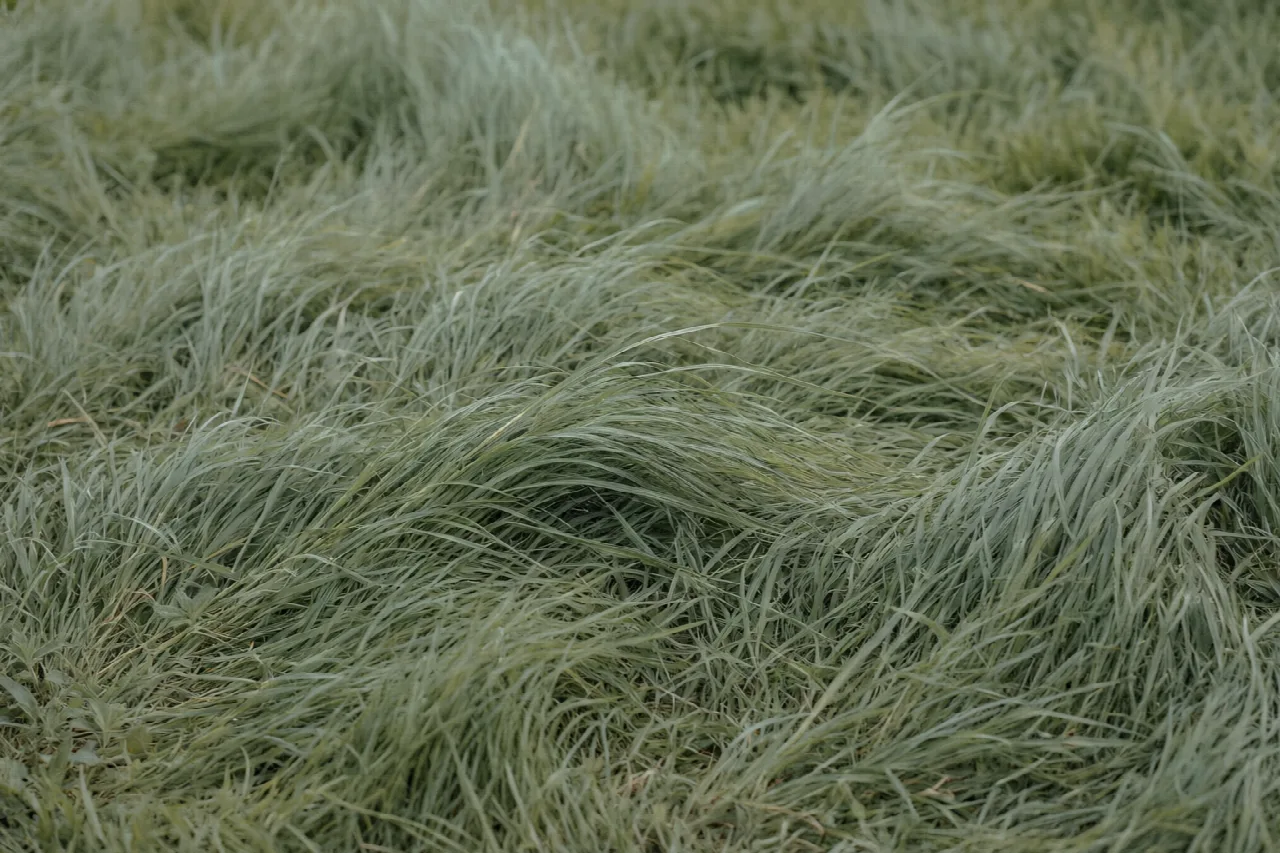
Visual cues also help. Grass that is overdue for mowing looks uneven, with some blades noticeably taller than others. The lawn may appear shaggy or lose its clean, uniform look. In severe cases, overgrown grass can begin to lay over or mat down, blocking light and air from reaching the lower portions of the plant and creating conditions favorable to disease.
Signs that you are mowing too often include a lawn that looks scalped, brown at the tips, or consistently stressed. If you are cutting more than one-third of the blade height, or if the grass is kept so short that it struggles during dry or hot periods, you are mowing too frequently or too low. The ideal is to make light, regular cuts that keep the lawn at a consistent height without shocking it. By watching your lawn’s appearance and growth, you can adjust your schedule to match its actual needs rather than following a rigid calendar.