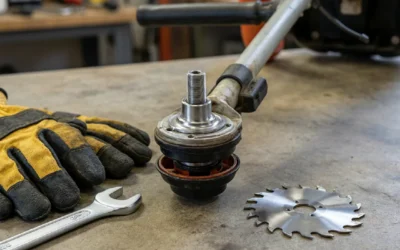
The carburetor on a riding lawn mower is typically mounted near the engine’s intake manifold, usually on the side or top of the engine block. The exact location varies significantly by manufacturer and model—some carburetors are positioned under the hood near the fuel tank, while others sit directly above or beside the air filter housing. Understanding where to find your mower’s carburetor is essential for maintenance, cleaning, and repair work.
Typical carburetor locations by mower type
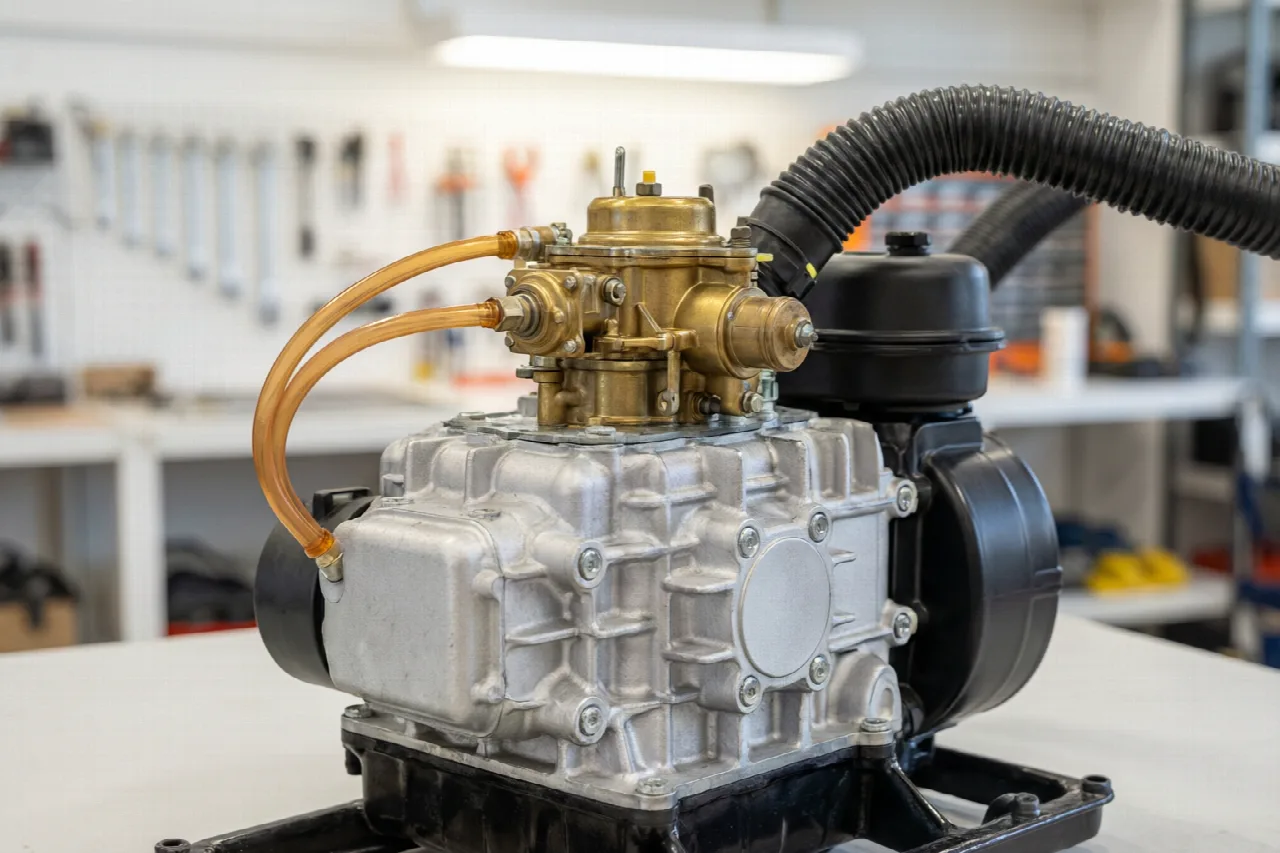
Riding lawn mower carburetors follow general design patterns, though specifics depend on engine configuration and manufacturer design choices. On most single-cylinder riding mowers, the carburetor is mounted directly on or very close to the engine block, typically accessible from the top or side of the engine. The fuel line runs from the tank to the carburetor, and the air intake connects to the air filter housing.
Multi-cylinder engines in larger or commercial riding mowers may have different configurations. Some manufacturers position the carburetor between the fuel tank and engine for compact packaging, while others mount it at the engine’s side intake port. The carburetor connects to the engine through intake runners or manifolds, so following fuel lines from the tank is one reliable way to trace its location.
Engine orientation also affects carburetor placement. Horizontal-shaft engines common in zero-turn mowers often have carburetors positioned differently than vertical-shaft engines in traditional riding mowers. Regardless of type, the carburetor sits between the fuel supply and the engine’s combustion chamber, so it is always positioned near the engine itself rather than at a distance from it.
How to locate your carburetor
Start by identifying the fuel tank on your riding mower. Most tanks are positioned prominently on the mower’s frame or under the seat. From the fuel tank, trace the fuel line—it runs directly to the carburetor. Following this line will lead you to the component. The fuel line is typically rubber or metal tubing and is one of the most visible connections on the engine.
Look for visual features that identify a carburetor. Carburetors have a distinctive appearance: a roughly cylindrical or box-shaped component with a fuel inlet at the bottom or side, an air intake opening, and often a float bowl underneath. Many carburetors have adjustment screws or a choke lever on the exterior. The air filter housing is usually directly above or adjacent to the carburetor, so if you locate the air filter, the carburetor is typically just below or beside it.
Examine the engine block near the intake manifold. The carburetor sits at the point where air and fuel mix before entering the engine. On many riding mowers, you can see it mounted directly to the manifold with bolts. In some models, especially compact designs, the carburetor may be tucked under the mower’s hood or seat area, requiring you to remove panels or seats to access it fully.
Finding your specific model’s carburetor location
The most reliable way to find your specific mower’s carburetor location is to consult your owner’s manual. The manual contains diagrams and text that pinpoint the exact location for your model and year. If you have a physical copy, look in the maintenance or parts diagram sections. The manual often includes labeled illustrations of the engine area showing component placement.
If you do not have the owner’s manual, contact the mower’s manufacturer directly with your model and serial number. You can also search online for your specific mower model number combined with “carburetor location” or “parts diagram.” Many manufacturers provide digital manuals on their websites, and parts suppliers often publish exploded diagrams showing component locations.
Mower model numbers and serial numbers are essential for getting accurate information. The model number identifies your exact mower type, and manufacturers often change component locations or designs between model years and product lines. Having this information ensures you receive guidance specific to your machine rather than generic instructions that may not match your equipment.
Once you have located your carburetor, you can proceed with maintenance tasks such as cleaning, adjusting the choke, or replacing fuel filters. Always refer to your manual for specific maintenance procedures and safety precautions before working on the carburetor or engine.