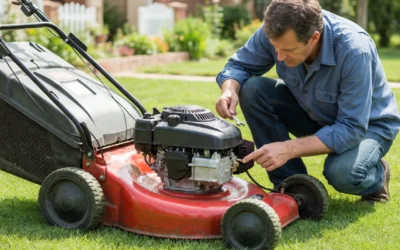
On most Craftsman lawn mowers, the carburetor is located on the side of the engine, directly attached to the air filter housing and connected to the fuel line. To find it, follow the fuel line from the fuel tank to the engine and look for the metal or plastic component between the air filter and the intake manifold. Exact placement varies by mower type (push, walk-behind, or riding) and engine brand (such as Briggs & Stratton, Kohler, or Honda), so consulting your specific engine model will help confirm the exact location.
Understanding Carburetor Placement by Mower Type
Craftsman manufactures several types of lawn mowers, each with different engine configurations that affect where the carburetor sits. Push mowers and walk-behind models typically have horizontal or vertical shaft engines mounted low in the frame, placing the carburetor near the side or top of the engine block. Riding mowers feature larger engines, often positioned under a removable hood or shroud, with the carburetor mounted more centrally on the engine.
The engine brand installed in your Craftsman mower also influences carburetor location. Briggs & Stratton engines, common in many Craftsman models, typically have the carburetor positioned on the intake side of the engine. Kohler and Honda engines, found in some higher-end Craftsman mowers, may have slightly different mounting orientations. Regardless of engine type, the carburetor always connects to three key points: the fuel line from the tank, the air filter housing, and the engine’s intake manifold. Identifying these connections is the most reliable way to locate the carburetor on your specific mower.
Step-by-Step: How to Locate the Carburetor
The simplest method to find the carburetor is to trace the fuel line from the fuel tank. Start by locating your fuel tank—typically mounted on the frame of a push mower or under the seat on a riding mower. Follow the fuel line as it runs toward the engine. The carburetor will be the component where the fuel line first enters the engine area, usually before the fuel reaches the engine block itself.
Next, locate the air filter housing on your mower. On most Craftsman models, the air filter sits in a plastic or metal box mounted directly above or to the side of the carburetor. The carburetor connects the air filter to the engine, serving as the junction point where fuel and air mix. If you can identify the air filter, the carburetor will be immediately adjacent to it.
Look for cables attached to the top or side of the carburetor. The throttle cable runs from the engine control handle or steering wheel directly to the carburetor, controlling fuel flow. You may also see a choke cable, which helps cold-start the engine by adjusting the fuel-air mixture. These cables are distinctive markers of the carburetor’s location and help distinguish it from nearby fuel pump or fuel filter components.
Identifying the Carburetor by Visual Cues
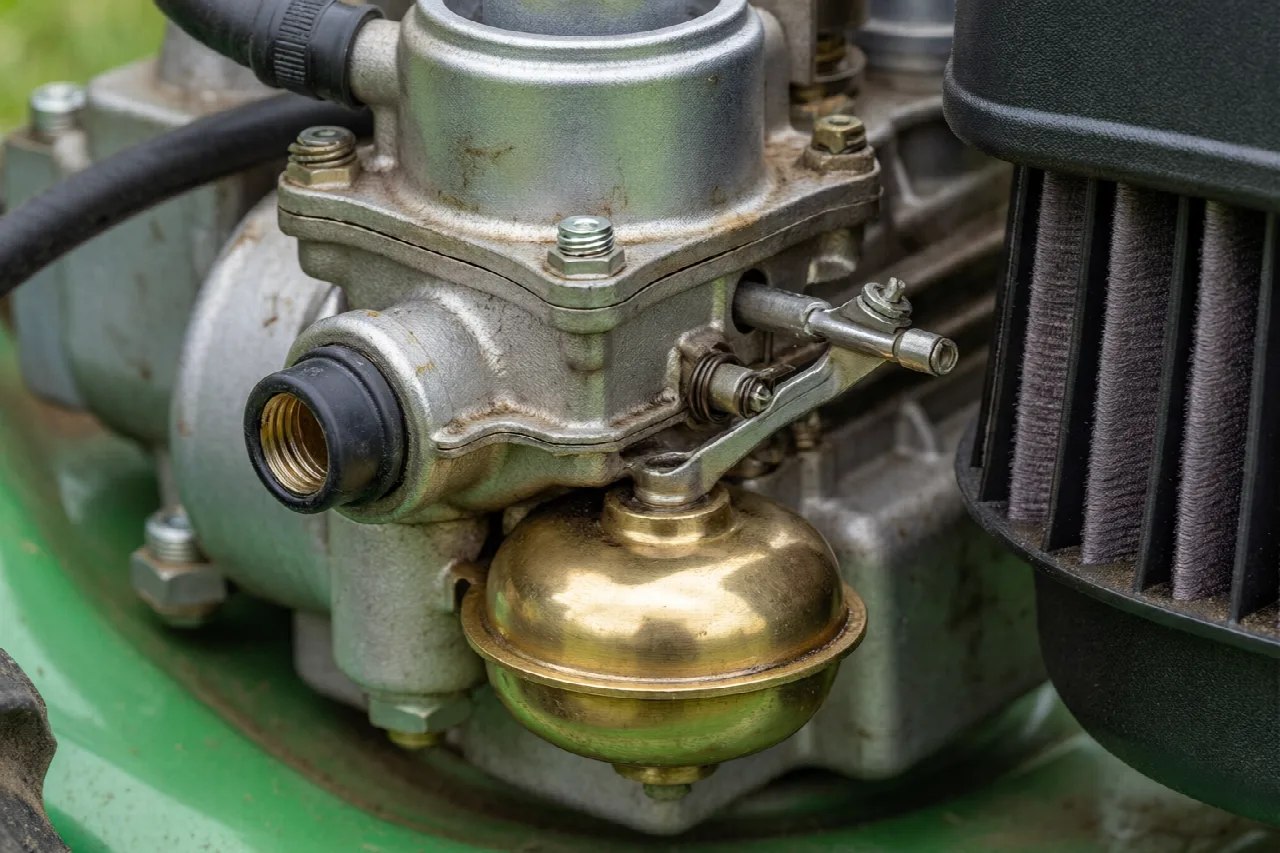
Recognizing the carburetor by sight prevents confusion with other engine components. The carburetor typically appears as a compact metal or plastic body, roughly the size of a walnut or small apple, though exact dimensions vary by engine model. On most Briggs & Stratton engines, the carburetor has a cylindrical or slightly rectangular shape with visible ports where hoses and cables connect.
The carburetor usually features a fuel inlet on one side, where the fuel line connects, and an outlet that leads directly to the engine’s intake manifold. A float bowl—a small reservoir chamber—often hangs below the main body and may be brass-colored or painted black. This float bowl collects fuel and regulates the amount available to the engine.
Distinguish the carburetor from the air filter by remembering that the air filter is typically larger, more rectangular, and enclosed in a housing. The fuel pump, if present, is usually smaller and positioned separately from the carburetor. The choke cable and throttle cable, which attach to the carburetor, provide clear visual markers that help confirm you’ve located the correct component.
Safety and Preparation Before Inspecting the Carburetor
Before touching any fuel-related components, disconnect the spark plug wire from the spark plug. This prevents accidental engine starting while you work near the carburetor. Ensure the engine has cooled completely, as fuel residue on a hot engine can ignite and cause burns.
Fuel leaks and spills are hazards when working with carburetors. Work in a well-ventilated area, away from ignition sources such as cigarettes, candles, or electrical equipment that may create sparks. If you must drain the carburetor or fuel line, place a small container below to catch spillage, and dispose of fuel properly according to your local regulations.
Wear safety glasses to protect your eyes from fuel spray or small debris. Have a clean cloth nearby to wipe away fuel residue. If you plan to remove the carburetor or disconnect fuel lines, consult your mower’s owner manual first to understand the specific procedure for your model. Some steps may require special tools or techniques specific to your engine type.
Common Carburetor Issues and When to Check Them
Several symptoms indicate that you may need to inspect your carburetor. If your mower has difficulty starting, runs poorly, stalls frequently, or produces rough idling, the carburetor may be dirty, clogged, or out of adjustment. A mower that runs well when cold but loses power when warm, or vice versa, often points to carburetor problems. Fuel leaks from the carburetor area or visible fuel residue suggest a failing seal or float mechanism.
If your mower has been stored for the winter or used infrequently, stale fuel may have gummed up the carburetor’s internal passages. In such cases, cleaning the carburetor may restore normal operation. Conversely, if you notice black exhaust smoke or excessive fuel consumption, the carburetor’s fuel-air mixture may be too rich and require adjustment.
Locating the carburetor is the first step toward diagnosing these problems. Once you’ve identified its location and confirmed its condition, you can determine whether cleaning, adjustment, or professional service is needed. Your mower’s owner manual typically provides guidance on maintenance intervals and troubleshooting steps specific to your model.
Frequently Asked Questions About Craftsman Mower Carburetors
Is the carburetor the same location on all Craftsman mowers? No. Carburetor location varies depending on whether you own a push mower, walk-behind model, or riding mower, and which engine brand is installed. Always consult your specific model’s owner manual for precise location details.
Can I replace the carburetor myself? Many mower owners can replace a carburetor following their owner manual, though comfort level with small-engine work varies. If you lack experience, a professional repair technician can handle replacement more quickly and safely.
Where can I find my engine model number? The engine model number is typically stamped on a metal plate attached to the engine block itself. Check the top, side, or back of the engine near the carburetor or air filter. This number allows you to order the correct replacement carburetor or find model-specific repair guidance.
How often should I clean the carburetor? Most manufacturers recommend annual carburetor inspection, particularly before the mowing season or after long storage periods. Regular fuel system maintenance prevents many common starting and performance problems.