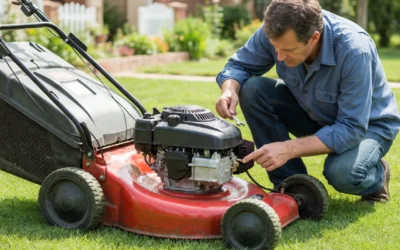
If you have an old lawn mower taking up space in your garage, you have several good options for donating it. Working mowers are often accepted by national charities like Habitat for Humanity ReStores, Goodwill, and The Salvation Army, as well as local community tool libraries and nonprofit repair programs. Non-working or broken mowers can usually go to scrap metal recyclers or organizations that refurbish equipment for parts. Before you load the mower into your car, contact the organization first to confirm they accept mowers, check any condition requirements, and arrange a drop-off or pickup time. This guide walks you through the main donation routes, how to prepare your mower, and what to know about tax deductions.
Charities and Nonprofits That Accept Working Mowers
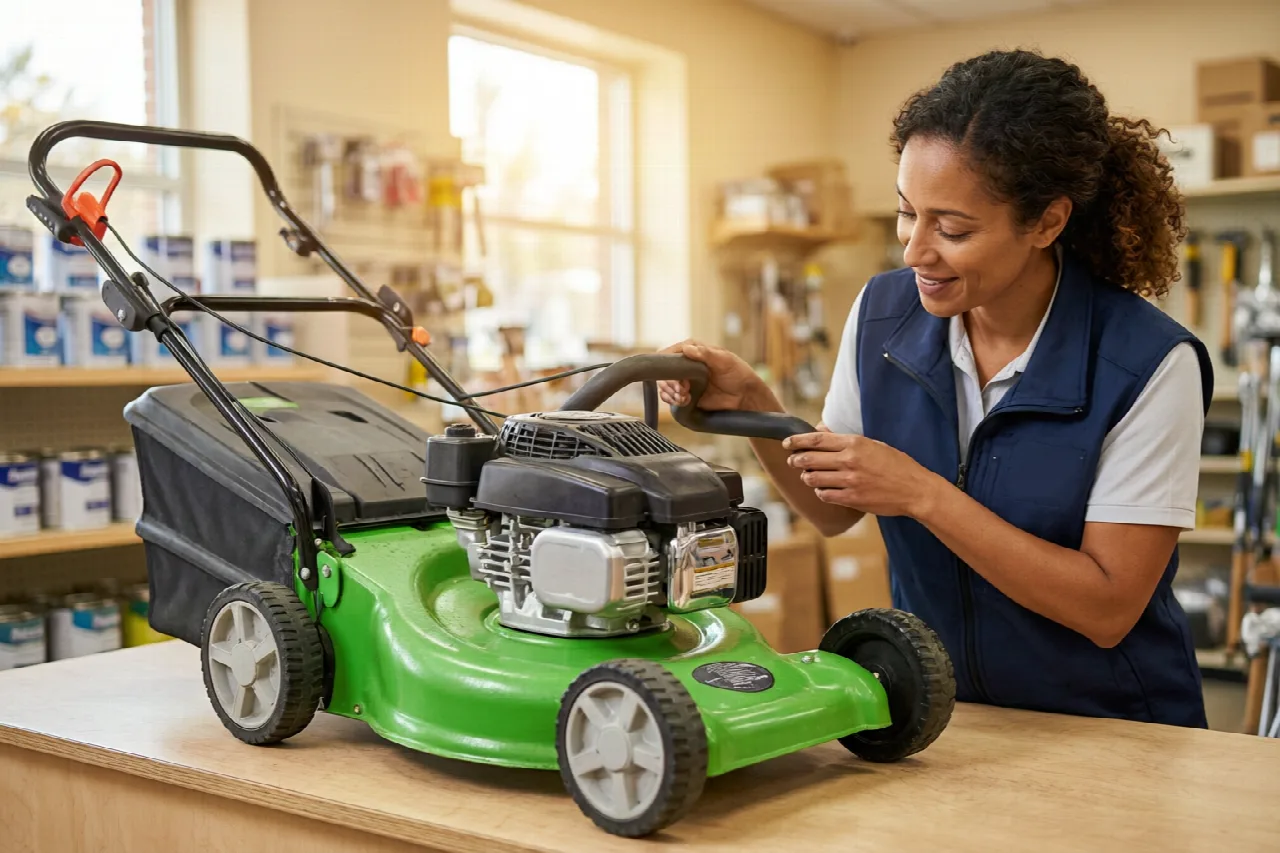
The most straightforward way to donate a functioning lawn mower is to give it to a charity that will resell it or put it to direct use. Several well-known national organizations accept lawn mowers, though policies can vary by location, so it is always wise to call ahead.
Habitat for Humanity ReStores
Habitat for Humanity ReStores are nonprofit home improvement stores and donation centers that sell donated goods to fund Habitat’s housing projects. Many ReStore locations accept lawn mowers and other outdoor power equipment, especially if the items are in good working condition and reasonably clean. Because each ReStore is independently run, acceptance policies differ from store to store. Some locations may only take certain types of mowers, such as push or electric models, while others will accept gas mowers if the fuel has been drained. Contact your local ReStore before donating to confirm they take mowers and to ask about their specific condition requirements.
Goodwill
Goodwill accepts a wide range of donated goods at its retail stores and donation centers. Whether a particular Goodwill location takes lawn mowers depends on the store’s capacity and local policies. Many Goodwill stores do accept small outdoor equipment like push mowers and electric mowers, but gas-powered mowers are sometimes declined due to fuel and safety concerns. It is best to call your nearest Goodwill donation center to ask whether they accept lawn mowers and what condition the mower needs to be in. Some locations may also offer a donation receipt for tax purposes.
The Salvation Army
The Salvation Army operates thrift stores and donation centers across the country and generally accepts household goods and small appliances. Lawn mowers are sometimes accepted, particularly manual push mowers and electric models. As with other charities, acceptance depends on the individual store and the condition of the item. The Salvation Army may also offer free pickup for larger donations in some areas, which can be convenient if you cannot transport the mower yourself. Check with your local Salvation Army to confirm they take mowers and to schedule a pickup if available.
Other Local Charities and Thrift Stores
Beyond the national names, many local charities, church thrift stores, and community nonprofits accept lawn mowers. Organizations that support families in need, community gardens, or neighborhood beautification projects may be especially interested in a working mower. A quick search for thrift stores or charities in your area, followed by a phone call, can reveal options you might not have considered. Local organizations often have more flexible policies than large national chains and may be grateful for the donation.
Community Tool Libraries and Repair Programs
If your goal is to keep the mower in use rather than have it resold, community tool libraries and nonprofit repair programs are excellent destinations. These organizations focus on lending equipment to residents or fixing donated items for reuse.
What Is a Community Tool Library?
A community tool library is a local program that lends tools and equipment to members, similar to a public library but for hardware. Many tool libraries accept donations of lawn mowers, trimmers, and other outdoor equipment to add to their lending inventory. This is a great option if you want your mower to benefit many people in your community over time. Tool libraries typically require that donated equipment be in safe, working condition. Some may also accept non-working items if they have a repair program in place. Search for a tool library near you, or ask at your local public library or community center for a referral.
Nonprofit Repair Programs
Some cities and nonprofits run repair cafes or refurbishment programs that fix donated items and give them to people in need. These programs often welcome broken or non-working lawn mowers because they have the skills and parts to restore them. A repair program may take a mower that a thrift store would refuse, turning it into a valuable working tool for a family or community garden. Look for repair cafes, fix-it clinics, or equipment refurbishment nonprofits in your area, and ask whether they accept lawn mower donations.
Donating Non-Working or Broken Mowers
A lawn mower that no longer runs is not necessarily a lost cause. Several organizations and businesses will accept non-working mowers for parts, refurbishment, or scrap metal recycling.
Can I Donate a Broken Lawn Mower?
Yes, you can often donate a broken lawn mower, but you need to find the right recipient. While most thrift stores will not accept a mower that does not run, repair programs, vocational schools, and hobbyist repair shops may take it. Some charities partner with repair technicians who refurbish donated equipment for resale or community use. If you have a mower with a simple problem, such as a dull blade or a clogged carburetor, a repair program may be happy to take it. Be honest about the condition when you call so the organization can decide whether it is worth accepting.
Scrap Metal Recyclers
If your mower is beyond repair, a scrap metal recycler is a practical option. Many scrap yards accept lawn mowers and other metal equipment, paying by weight or taking them for free. This keeps the metal out of a landfill and gives the mower a final useful purpose. Call local scrap yards to confirm they accept lawn mowers and ask whether they charge a fee or require you to remove certain parts, such as the engine or fuel tank. Some recyclers may also accept the mower for free as part of a general metal drop-off.
Organizations That Take Mowers for Parts
Some repair shops, small engine mechanics, and equipment dealers accept non-working mowers for parts. A technician may be willing to take your broken mower to salvage usable components like wheels, handles, blades, or engines for other repairs. This is a mutually beneficial arrangement, as it gives you a disposal option and provides the shop with affordable parts. Ask around at local small engine repair shops or equipment dealers to see if anyone is interested in your non-working mower.
How to Prepare Your Mower for Donation
Taking a few simple steps before donating your mower makes the process smoother and increases the chance that an organization will accept it.
Should I Drain the Fuel Before Donating?
Yes, draining the fuel is strongly recommended and often required. Many charities and recyclers will not accept a gas mower that still contains fuel due to safety and transport concerns. Drain the gasoline into an approved container and dispose of it properly at a local hazardous waste facility if you cannot use it. You should also run the engine until it is out of fuel or disconnect the fuel line to empty the tank and carburetor. This makes the mower safer to handle and more likely to be accepted.
Do I Need to Clean the Mower Before Donating?
Cleaning the mower is a good idea and can make a big difference in whether it is accepted. Remove grass clippings, dirt, and debris from the deck, wheels, and handles. A clean mower is easier for staff to inspect and more appealing for resale or lending. If the mower has a bag attachment, empty it and clean it as well. Basic cleaning does not need to be extensive, but a tidy mower signals that it has been cared for and is more likely to be welcomed.
What Paperwork or Receipt Should I Ask For?
If you plan to claim a tax deduction, ask the organization for a written receipt or acknowledgment of your donation. The receipt should include the organization’s name, the date of the donation, and a description of the item. For donations valued at more than a certain amount, the IRS may require additional documentation, so it is wise to keep a record of the mower’s approximate value and condition. Not all organizations provide receipts automatically, so request one at the time of donation.
Arranging Drop-Off or Pickup
Once you have chosen a recipient, you need to figure out how to get the mower there. Most donations are dropped off, but some organizations offer pickup for larger items.
Do Charities Offer Pickup for Large Items Like Lawn Mowers?
Some charities, particularly The Salvation Army and certain local nonprofits, offer free pickup for large donations. Pickup availability depends on the organization, your location, and the size of the item. Lawn mowers are generally small enough to be included in a scheduled pickup, but you should call to confirm. If pickup is offered, you will typically need to leave the mower outside at a designated spot on the scheduled day. Be sure to drain the fuel and secure any loose parts before pickup.
Where Do I Drop Off a Donated Mower?
If pickup is not available, you will need to transport the mower to the organization’s donation center or store. Most charities have designated drop-off areas where you can unload your donation during business hours. Before you go, call ahead to confirm the organization is accepting mowers that day and to ask about the correct drop-off location. If you do not have a vehicle large enough to transport the mower, consider asking a friend or neighbor for help, or check whether a local service offers low-cost hauling for donations.
Tax Deductions for Mower Donations
Donating a lawn mower to a qualified nonprofit may allow you to claim a charitable contribution deduction on your federal taxes, but there are important rules to keep in mind.
Can I Claim a Tax Deduction for Donating a Lawn Mower?
You can generally claim a tax deduction if you donate to a qualified tax-exempt organization, such as a registered charity or nonprofit. The deduction is based on the fair market value of the mower at the time of donation, which is the price a willing buyer would pay for it in its current condition. For a used mower, this is often significantly less than what you paid originally. To claim the deduction, you must itemize your deductions on your tax return rather than taking the standard deduction.
What Documentation Do I Need for a Tax Deduction?
For most donated items, you need a written acknowledgment from the charity that includes the organization’s name, the date of the donation, and a description of the mower. If the total value of your non-cash donations exceeds a certain threshold, the IRS may require you to file Form 8283 and obtain a qualified appraisal. The rules can be complex, so consult a tax professional or review IRS guidelines for charitable contributions to ensure you meet the requirements. Keep your receipt and any records of the mower’s value in case you are audited.
Frequently Asked Questions
Here are quick answers to common questions about donating lawn mowers.
Can I Donate an Electric or Manual Push Mower?
Yes, electric and manual push mowers are often easier to donate than gas models. Because they do not involve fuel, they pose fewer safety concerns and are more readily accepted by thrift stores, tool libraries, and charities. Electric mowers should be clean and in working condition, and you should include the power cord or battery if applicable. Manual push mowers are lightweight and simple, making them popular donations for community programs and families.
What If No Local Charity Accepts Lawn Mowers?
If local charities decline your mower, you still have options. Consider offering it to a neighbor, community garden, or school that might need a mower. You can also list it for free on local online marketplaces or community bulletin boards, where someone may be happy to pick it up. For non-working mowers, a scrap metal recycler is a reliable fallback. Finally, check with regional or national organizations that accept equipment by mail or through partner locations, though this is less common for bulky items like mowers.
Donating a lawn mower is a practical way to keep useful equipment out of the landfill and support your community. By choosing the right organization, preparing the mower properly, and arranging the logistics, you can make the donation process simple and rewarding. Whether your mower still runs or is ready for the scrap bin, there is likely a good home for it.