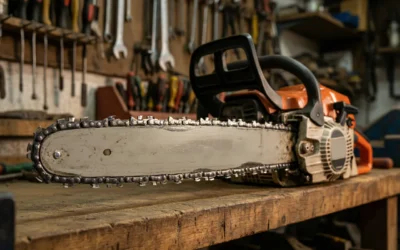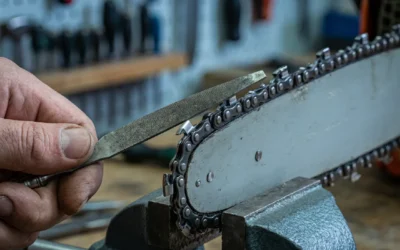
A longer bar can be installed on a chainsaw, but success depends on whether your saw’s engine power and drive system can handle it. Simply swapping a longer guide bar onto your chainsaw is possible in many cases, but it requires matching the chain length, verifying sprocket compatibility, and understanding the performance and safety trade-offs. Installing an oversized bar beyond your chainsaw’s design limits can lead to sluggish cutting, engine strain, and increased kickback risk.
What Installing a Longer Bar Involves
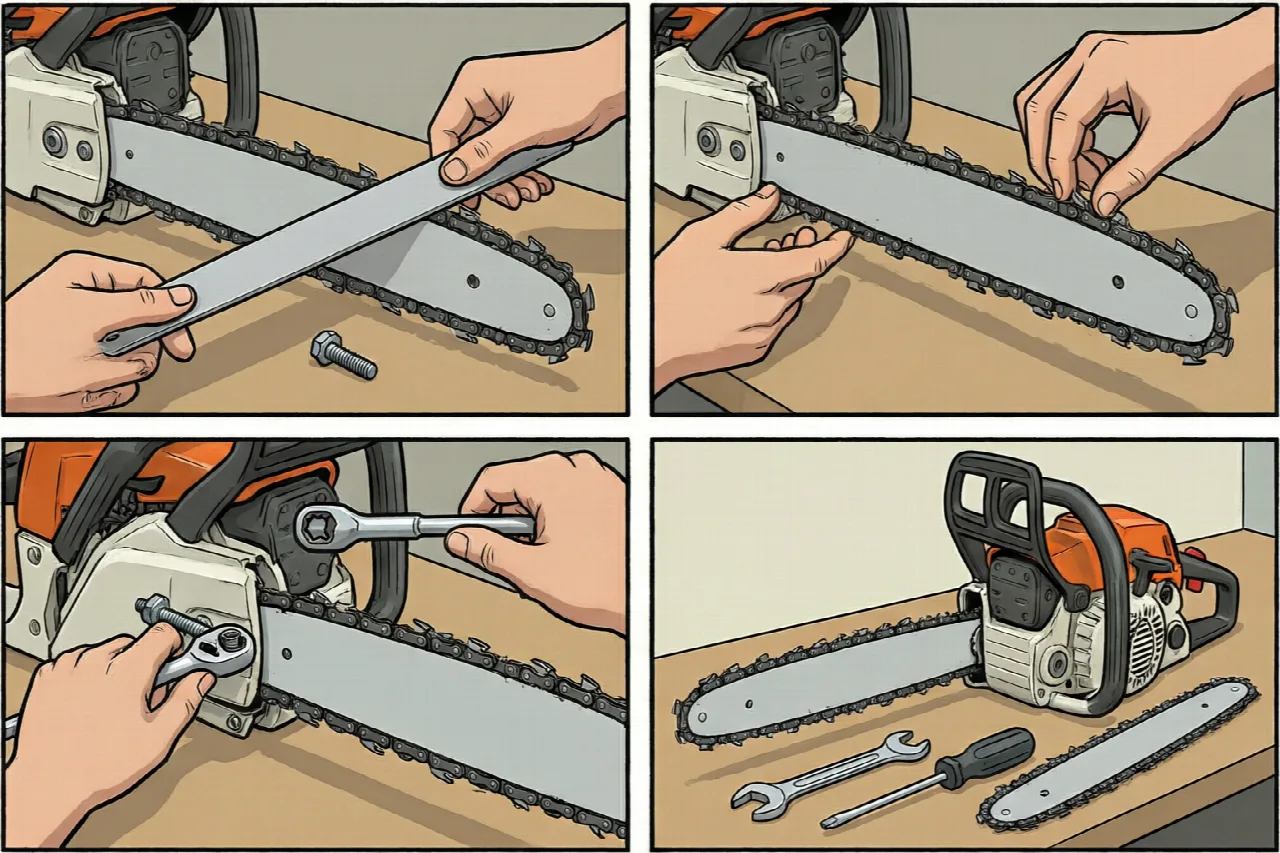
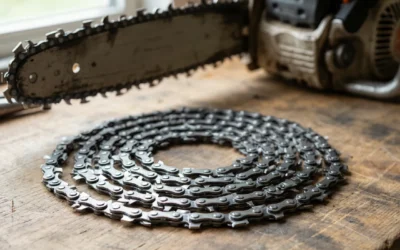
Installing a longer bar on a chainsaw requires more than unscrewing bolts and sliding on a new piece of metal. The guide bar, the elongated metal rail that holds and guides the chain, connects to the chainsaw’s motor through a sprocket—a toothed wheel that drives the chain’s rotation. When you install a longer bar, the chain must also be longer to wrap around it properly.
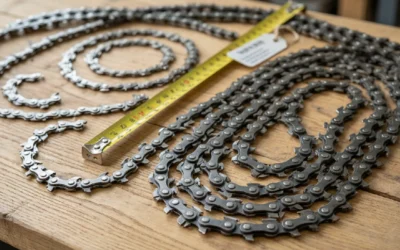
The chain is measured by the number of drive links, the small tabs that sit in the sprocket’s teeth. A longer bar typically requires 8 to 10 additional drive links, depending on the bar extension. You cannot simply install a short chain on a long bar; the chain will either sag dangerously or fail to engage the sprocket fully, causing the saw to malfunction.
In many cases, you can perform a bar and chain swap yourself if you have basic mechanical skills and the correct replacement parts. Most chainsaws use standardized bar mounts and sprocket systems, so a longer bar designed for your saw model should fit the existing mounting points. However, you must verify that the new bar’s nose sprocket or roller matches your saw’s drive sprocket system to ensure the chain tracks correctly.
Manufacturer Guidelines and Recommended Bar Length
Every chainsaw is designed with a maximum recommended bar length, typically ranging from 12 to 20 inches for consumer models and up to 36 inches or more for professional-grade saws. The manufacturer specifies this limit based on the engine’s power output and the saw’s structural design. You can find the recommended bar length in your owner’s manual, printed on the saw itself, or on the manufacturer’s website.
Following the manufacturer’s recommendation is critical because it represents the balance point where the engine can deliver adequate cutting torque while the saw remains controllable and safe. Exceeding this limit forces the engine to work harder, accelerates wear, and can void your warranty. Some chainsaws allow a bar length one size larger than the factory default, but many do not; always verify before purchasing or installing a longer bar.
The reason for these limits is fundamental: a longer bar increases the mechanical load on the engine and increases the rotational inertia of the chain itself. A saw designed for an 18-inch bar will struggle with a 24-inch bar because the engine cannot generate enough torque to maintain consistent cutting speed, and the heavier chain demands more power to accelerate and decelerate during each stroke.
Power and Drive System Compatibility
A chainsaw’s ability to handle a longer bar depends directly on its engine displacement (measured in cubic centimeters or cc) and power output. Small-engine chainsaws with displacements under 40 cc are typically designed for bars between 12 and 16 inches. Mid-range saws (40–60 cc) usually support bars up to 18 inches. Professional and large-format saws (60+ cc) can handle 20-inch bars and longer.
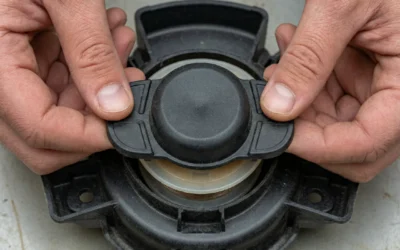
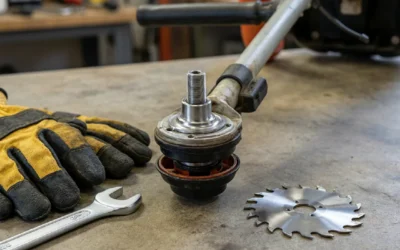
The sprocket and clutch system also play a role. The sprocket is the toothed wheel that transmits power to the chain, and the clutch engages and disengages the chain from the engine as needed. When you install a longer bar and chain, the increased mass and rotational resistance can affect how the clutch engages. In some cases, you may need to replace the sprocket with one having more or fewer teeth to compensate for the longer chain and maintain proper chain speed.
The drive system also includes the chain’s pitch—the distance between consecutive drive links—which must match your sprocket and bar. Common pitches are .325 inch, .375 inch, and .404 inch. Installing a longer bar with the wrong pitch will result in the chain skipping or jamming, rendering the saw unsafe and ineffective.
Chain Length and Sprocket Adjustments
Determining the correct chain length for a longer bar requires measuring the bar’s effective length, which is typically 2 to 3 inches shorter than the advertised bar size (the advertised length includes the mounting boss). Once you know the effective length, chain length is calculated by counting drive links. For every inch of additional bar length, you typically need about 4 to 6 additional drive links, though this varies by sprocket design.
Most hardware and outdoor power equipment retailers can help you select the correct chain for your new bar setup, or you can count the drive links on your current chain and add the required number based on the bar increase. Using an incorrect chain length is dangerous—a too-short chain will fall off or snap under tension, while a too-long chain will sag and potentially cause the saw to jam or bind during cutting.
Sprocket changes become necessary when the difference between the old and new bar lengths is significant. If you are upgrading from an 18-inch bar to a 24-inch bar, for instance, your existing sprocket may not produce optimal chain speed. Some chainsaws have adjustable sprockets or allow sprocket swaps to fine-tune performance. Consult your saw’s manual or a qualified dealer to determine whether your setup requires a sprocket change.
Performance and Safety Trade-offs
Installing a longer bar on a chainsaw involves real performance and safety compromises. A longer bar reduces cutting speed because the engine must distribute its power over a longer chain with more mass and friction. Where your saw might have cut at 60 feet per second with an 18-inch bar, the same engine may only achieve 45 feet per second with a 24-inch bar, resulting in slower, more laborious cutting.
Engine strain increases noticeably with a longer bar. The motor works harder to keep the chain moving, temperatures rise, and fuel consumption climbs. Over time, this accelerated wear can shorten engine life and increase maintenance costs. Kickback risk also increases because a longer bar has more leverage, and if the tip of the bar catches or binds in material, the rotational force can twist the saw violently toward the operator.
Weight and control are additional concerns. A longer bar and chain add measurable weight to the saw, making it more tiring to hold steady during extended cutting. This fatigue increases the risk of accidents, especially in overhead or awkward cutting positions. Professional and experienced operators may handle a longer bar safely, but for casual or less experienced users, the performance loss and control challenges often outweigh any benefit.
Longer Bar vs. General Bar Upgrades
A longer bar is distinct from other bar upgrades you might encounter. A different gauge or kerf refers to the thickness of the blade itself, which affects how much material the saw removes with each pass. A wider kerf cuts faster and produces more sawdust, while a narrower kerf is more efficient but may be less durable in heavy-duty use. Gauge and kerf changes do not significantly alter the load on the engine in the same way a longer bar does.
Similarly, switching to a different bar nose type (such as a roller-nose sprocket versus a solid nose) is a specialized upgrade for particular applications but does not fundamentally change the bar’s length or the mechanical demands on the saw. If your goal is simply to cut through thicker material, sometimes a bar of the same length but with a different chain pitch or cutting angle offers better results than going longer. A longer bar makes sense only if you specifically need to reach farther into your cutting material and your saw has the power to handle it safely.