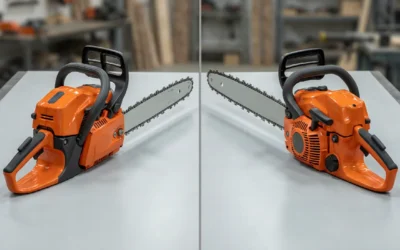
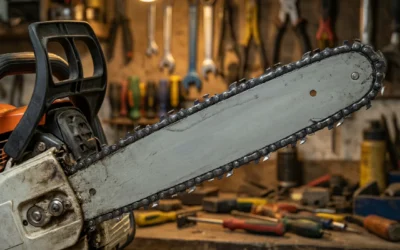
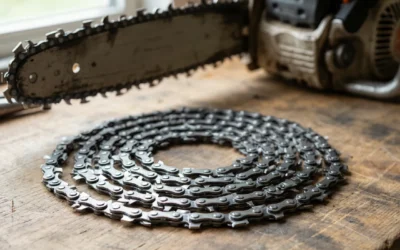
Yes, you can install a larger bar on a chainsaw, but success depends on whether the engine has sufficient power, the chain pitch matches the saw’s specifications, and the bar mounting hardware is compatible. A larger bar increases cutting capacity but also demands more engine power, requires a longer chain, and can affect handling and safety if the saw is undersized for the upgrade.
Compatibility Requirements for Larger Bars
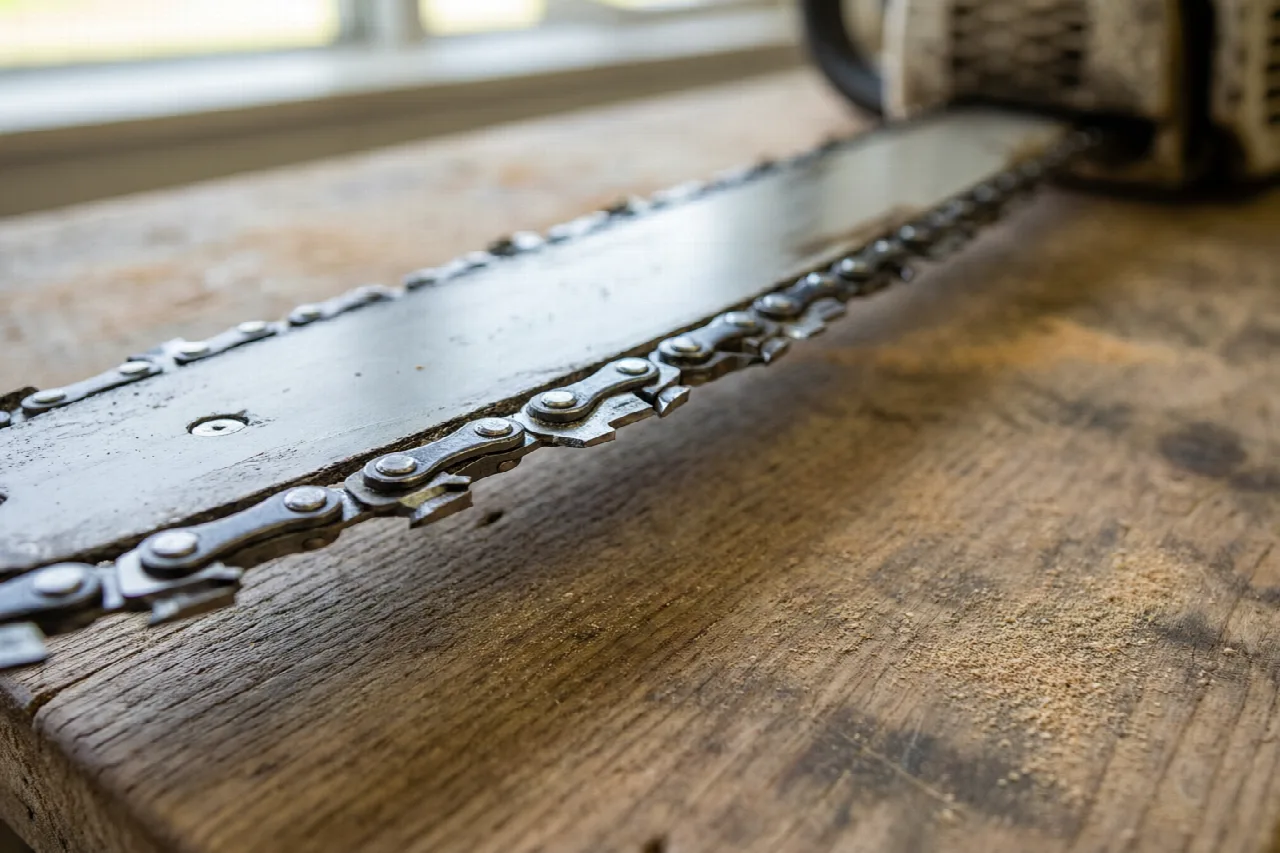
Before purchasing a longer bar, several technical specifications must align for the upgrade to work safely and effectively. Understanding these requirements helps you determine whether your saw can accommodate the change.
Chain pitch refers to the distance between chain rivets and must match both the bar and the saw’s drive sprocket. Common pitches include 3/8 inch, .325 inch, and 1/4 inch. If you install a bar designed for a different pitch, the chain will not seat properly on the bar’s sprocket nose or engage correctly with the drive sprocket on the saw. Always verify that the new bar uses the same pitch as your current setup, or be prepared to change the sprocket and chain along with the bar.
Bar length is measured from the tip to where it seats against the saw body, not the total length of the metal. When shopping for a longer bar, compare the usable cutting length to your saw’s specifications. Most manufacturers list the maximum bar length their saws can handle, and exceeding this recommendation puts the engine under excessive strain. A saw rated for a 16-inch bar may physically accept an 18-inch bar, but the engine may lack the power to drive it effectively through hardwood.
Mounting systems vary between manufacturers and sometimes between model generations. Most modern chainsaws use either a two-stud mounting system or a single-stud system with a bar adjustment mechanism. Bars from one manufacturer generally will not fit another manufacturer’s saw without modification. Even within the same brand, mounting patterns can differ between product lines. Check the mounting hole spacing and bar tail specifications before purchasing to confirm compatibility with your particular saw.
Engine Power and Performance Limits
The relationship between engine displacement and bar size is one of the most critical factors in determining whether a larger bar upgrade is practical. Installing a bar that exceeds your saw’s power capacity leads to poor performance and accelerated wear.
A longer bar increases the load on the engine in several ways. The additional chain length adds weight that the engine must spin, and the extended cutting surface creates more friction as it passes through wood. During bucking or felling operations, a longer bar buries more chain in the cut, increasing resistance further. Engines that struggle under this load run at lower RPM, produce less power, and overheat more quickly.
If you install a bar that is too large for your saw’s power, you will notice several symptoms. The chain may slow down or stall during cuts, especially in dense or wet wood. The engine may bog down and require you to ease off the cut repeatedly. Cutting speed decreases significantly, and the saw may produce more vibration than usual. Over time, running an undersized saw with an oversized bar accelerates wear on the clutch, sprocket, and engine bearings.
Determining the maximum bar size for your model typically involves consulting the manufacturer’s specifications. Most manufacturers list recommended bar lengths in the owner’s manual or on their website. As a general guideline, smaller displacement saws in the 30cc to 40cc range often top out around 14 to 16 inches, while mid-range saws in the 45cc to 60cc range can handle 18 to 20 inches. Larger professional saws with 70cc or greater displacement can accommodate bars of 24 inches or more. These are rough estimates, and individual saw designs vary, so always check your specific model’s recommendations.
Safety and Handling Considerations
A longer bar changes how the chainsaw handles, and these changes carry real safety implications that every operator should understand before making the switch.
Control and fatigue increase significantly with a longer bar. The additional weight at the end of the saw creates a longer lever arm, making the tool feel heavier and more difficult to maneuver, especially during overhead or vertical cuts. Extended use with a heavier saw accelerates operator fatigue, which increases the likelihood of mistakes and accidents. Operators who are accustomed to a shorter bar may find that their technique needs adjustment to maintain control with the added length.
Safety risks increase in several ways with bigger bars. A longer bar extends further from the operator’s body, increasing the potential reach of the cutting chain. The additional weight makes kickback more difficult to control, as the saw has more momentum if the chain binds or contacts an object unexpectedly. The risk of striking hidden objects with the bar tip also increases simply because the bar covers more area during operation. Operators should wear appropriate protective equipment and maintain heightened awareness when working with a longer bar than they typically use.
Cutting speed and efficiency do not always improve with a longer bar. While a larger bar can theoretically cut larger-diameter wood in a single pass, the reduced engine performance often means each cut takes longer than it would with a properly sized bar. For most residential tasks, a bar sized appropriately for the saw provides the best balance of speed, control, and efficiency. Reserve longer bars for situations where the extra reach is genuinely necessary, such as felling larger trees or bucking thick logs.
Chain and Sprocket Considerations
Changing the bar length almost always requires additional component changes to ensure the system works correctly together.
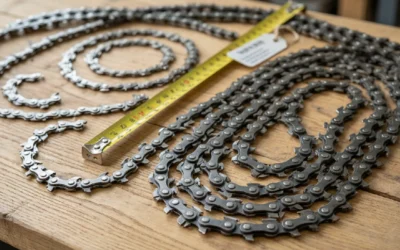
A longer bar requires a longer chain. The chain must wrap around the bar and engage with the drive sprocket, and its total length is determined by the bar’s perimeter. When you increase bar length, the original chain will be too short to reach around the new bar and still tension properly. You need to purchase a chain that matches both the pitch and the gauge of the bar while providing the correct number of drive links for the new length. The number of drive links is the key specification, and it must match the bar and sprocket combination exactly.
The drive sprocket sometimes needs replacement when changing bar size, particularly if the pitch changes along with the length. If you are moving to a different pitch system, the existing sprocket will not drive the new chain correctly. Even when the pitch remains the same, some operators find that a new sprocket pairs better with a new chain and bar combination, ensuring smooth operation from the start. Sprockets are relatively inexpensive, and replacing the clutch drum and sprocket during a major bar upgrade is a practical precaution.
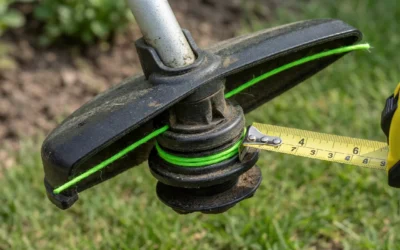
Measuring for the correct chain length involves counting the drive links on your current chain and using that number as a baseline, then adjusting for the new bar length. Many chain manufacturers provide chain length calculators or reference charts that match bar length to the correct chain size. Alternatively, you can wrap a flexible measuring tape around the new bar and sprocket area to estimate the total chain path, then divide by the chain pitch to approximate the required length. When in doubt, consulting your saw’s parts diagram or contacting the manufacturer ensures you get the right components.