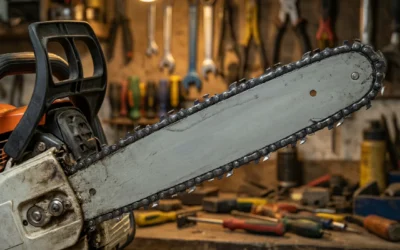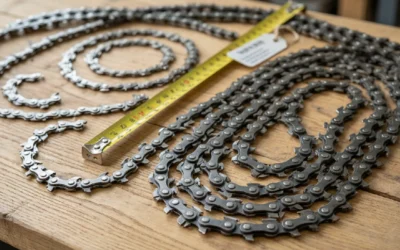
A replacement chainsaw chain typically costs between $10 and $50, with most standard homeowner chains falling in the $15–$30 range. Professional-grade or specialized chains can exceed $50. The exact price depends on chain type, pitch, gauge, length, and brand.
What Determines the Price of a Chainsaw Chain?
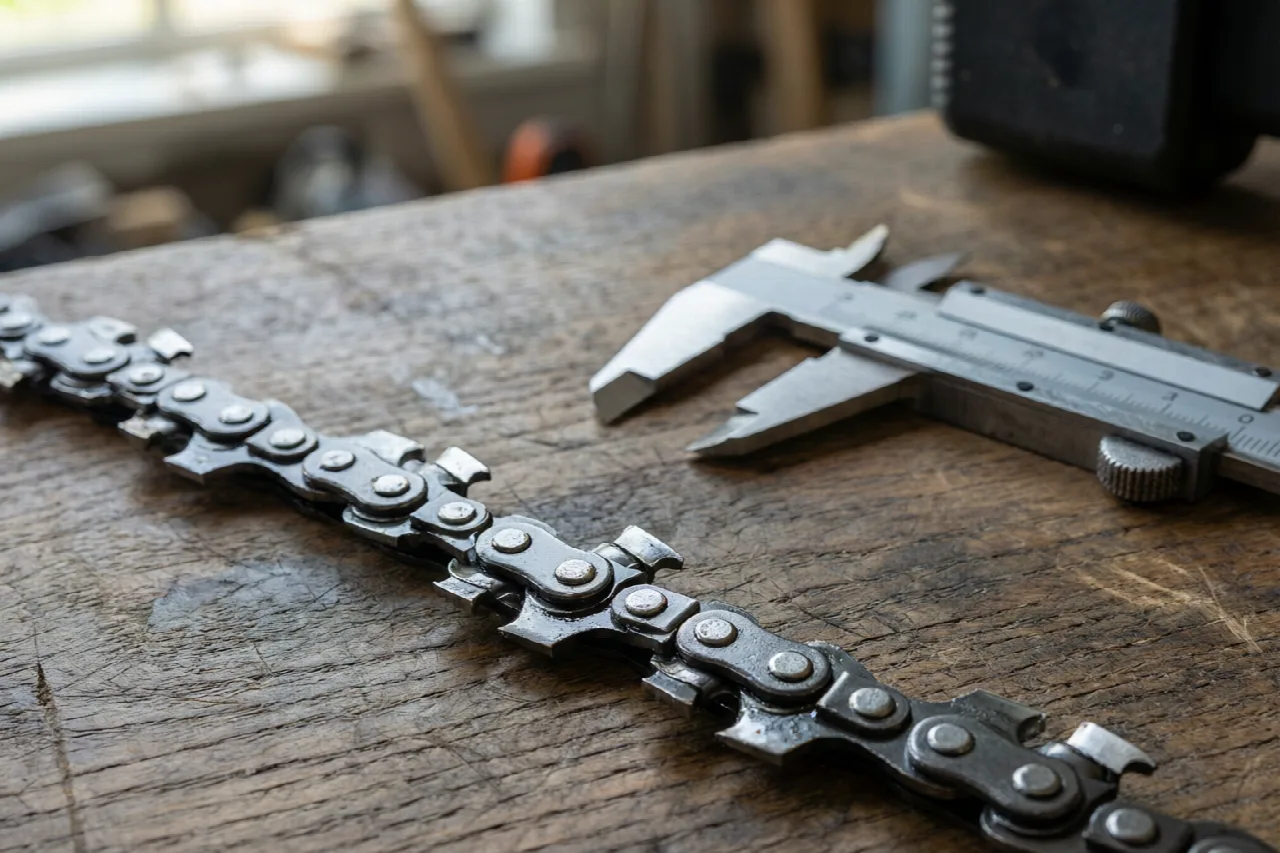
Several specifications directly influence the cost of a chainsaw chain. Understanding these factors helps you anticipate what you’ll pay and why prices vary significantly between options.
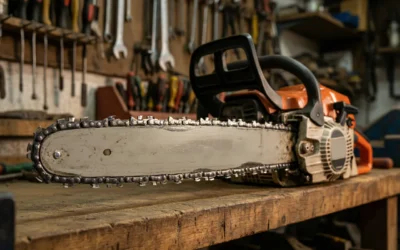
Chain pitch—the distance between drive links—is a primary cost driver. Chains with smaller pitches (.325 inch) typically cost less than larger pitches (.404 inch or 3/8 inch), which are often used on professional or larger saws. Gauge, the thickness of the drive links, also affects price; thicker gauges suitable for heavy-duty work command higher prices than standard gauges for homeowner models.
Chain length, measured by drive link count, determines compatibility with your bar and directly impacts material cost. An 18-inch chain requires more steel than a 12-inch chain, so longer chains cost more. Brand reputation and manufacturing origin also play a role; chains from established manufacturers may cost more than generic or imported alternatives, though price alone does not guarantee durability or performance.
The type of cutting tooth—full chisel versus semi-chisel—influences pricing as well. Full chisel chains, which feature square-cornered cutting teeth, are generally sharper and cut faster but are more prone to kickback and work best in professional hands. Semi-chisel chains, with rounded tooth corners, are gentler and more forgiving for casual users. Semi-chisel chains typically fall at the lower end of the price range, while full chisel options are moderately higher.
Average Price Ranges by Chain Type and Size
For a 16-inch homeowner chainsaw chain with a .325 pitch and standard gauge, expect to pay $15–$25. These are the most common replacement chains for residential use and benefit from high manufacturing volumes, which keeps costs down.
An 18-inch chain in the same category (homeowner-grade, .325 pitch) typically ranges from $18–$28. The slightly longer length accounts for the higher price compared to 16-inch options.
Professional or semi-professional chains, often with larger pitches like 3/8 inch or .404 inch, generally cost $25–$50 or more. These chains are engineered for frequent use, longer runs, and tougher cutting conditions. Specialty chains, such as those designed for specific saw brands or with advanced coatings to reduce friction, often exceed $50.
Budget or aftermarket chains from third-party manufacturers may dip below $10, while premium branded chains from original equipment manufacturers (OEM) can exceed $60 depending on specifications and retailer markup.
Where Chain Prices Can Differ
Retailer choice significantly impacts price. Local independent dealers may charge more than big-box stores or online retailers for the same chain, though they may offer expert fitting advice or faster service. Online sellers often undercut local prices but may have shipping costs or longer delivery times.
OEM chains—those sold directly by the chainsaw manufacturer—typically cost more than aftermarket alternatives with equivalent specifications. The premium reflects brand recognition, warranty coverage, and guaranteed compatibility. Aftermarket chains from reputable third-party manufacturers can offer similar performance at 10–20 percent lower cost.
Buying in bulk or purchasing multipacks can lower the per-chain cost. If you own multiple saws or plan regular replacement, buying two or three chains at once often reduces the unit price by 5–15 percent compared to single-chain purchases.
Seasonal demand also affects pricing. Prices may rise in spring when homeowners prepare for yard work, and fall during off-season sales when retailers discount inventory.
How to Get the Right Chain Without Overpaying
Before shopping, identify your saw’s bar length and the correct pitch and gauge from your owner’s manual or the side of your existing chain. This ensures you buy a compatible replacement and avoid purchasing the wrong specifications.
Determine your use case. If you cut firewood occasionally, a mid-range semi-chisel chain in the $15–$25 range is sufficient. For frequent use or tougher wood, a full chisel or professional-grade option may justify the higher cost through better performance and durability.
Compare prices across multiple retailers, but prioritize verified compatibility over the lowest price. A $5 savings is meaningless if the chain does not fit your saw or fails prematurely due to poor quality.
Check warranty and return policies. Chains with longer warranty periods or easy return options offer peace of mind, especially if you are trying a new brand for the first time.