Quick Answer: Choosing the Best Ridding Mower
The critical factors to evaluate when choosing a Ridding Mower in 2026 are cutting deck width matched to lawn size, power delivery consistency across grass conditions, and traction or transmission type for slope stability. Prioritize models with adjustable cutting heights between 1 and 4.5 inches, brushless motors or hydrostatic drives for reduced maintenance, and verified runtime or horsepower ratings…
Pros
- Powerful and reliable 23 HP Kawasaki engine for dependable starts
- Maintenance-free hydrostatic transmission for worry-free operation
- Wide 54-inch ClearCut deck for efficient and high-quality cuts
- Versatile discharge, mulch, or bag clipping management options
- Ergonomic seat and controls enhance user comfort during use
Cons
- Mulching kit and bagger attachment sold separately, requiring extra purchase for full versatility
- Maximum speed limited to 6.5 MPH which may feel slower on expansive properties
- Zero-turn design can involve a learning curve for first-time users
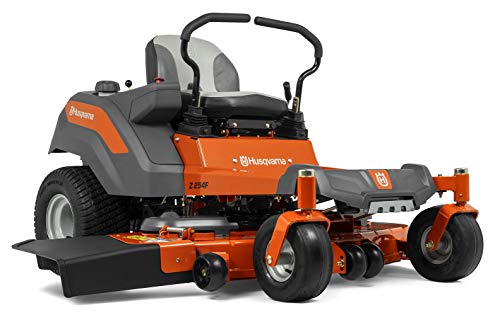
The Husqvarna Z254F is a zero hydrostatic turn riding mower designed for residential lawn care. It features a solid build with a 54-inch ClearCut deck and focuses on practical usability through its comfortable seat, ergonomic control panel, and anti-slip foot area, giving an immediate impression of a user-friendly machine for medium to large yards.
In performance, the 23 HP Kawasaki engine ensures reliable startups and reaches a max speed of 6.5 MPH, while the hydrostatic no-maintenance transmission allows it to handle a variety of cutting conditions smoothly. The deep ClearCut deck design with superior air flow and high-performance blades delivers a best-in-class cut and improved bagging capability, and clippings can be discharged, mulched, or bagged for flexible results.
Key considerations include that the mulching kit and bagger attachment are sold separately, which means additional cost for complete functionality. The top speed of 6.5 MPH is practical for most residential use but may not suit those seeking faster coverage on very large properties.
Overall, the Husqvarna Z254F offers strong value for homeowners seeking an efficient zero-turn mower with reliable power and a wide cutting deck. It is best suited for users who prioritize ease of operation and quality cuts on medium to large lawns and are prepared to add optional attachments as needed.
Essential Engineering Checklist for Ridding Mower
Choosing among the available ridding mower requires a systematic review of technical specifications rather than brand reputation alone. Focus on measurable attributes that affect daily performance and total cost of ownership. Readers comparing setup options can review our technical analysis on how to drive zero turn mower on hills.
Deck Size and Cutting Path Efficiency
Deck width determines how many passes are needed to finish a lawn and directly influences time spent mowing. A 30-inch stamped steel deck, as found on certain battery models, covers medium properties up to 1.25 acres effectively, while a 54-inch ClearCut design handles larger areas with fewer overlaps. For smaller yards under half an acre, 14- to 16-inch reels or push decks reduce storage demands and improve edge control. Match deck material to usage frequency: heavy-duty stamped steel resists impacts better than lighter composites on uneven ground. Always verify the actual cutting height range, ideally spanning 1.5 to 4.5 inches with single-lever adjustment, to accommodate seasonal growth variations without multiple blade changes.
Power Source and Runtime Consistency
Power delivery separates reliable ridding mower from models that bog down in thick grass. Battery systems using 60V platforms with 8.0Ah packs deliver gas-equivalent torque around 16 HP while offering zero emissions and reduced noise. Corded electric units at 11 AMP provide continuous 3,300 RPM without battery swaps but limit range by cord length. Gas engines rated 23 HP excel on heavy loads yet require more frequent maintenance. Calculate needed capacity by multiplying lawn square footage by average grass density; for example, a setup covering 3,000 square feet on a single 5.0Ah charge suits mid-sized lots, while multi-battery packs extend coverage for larger spaces. Look for brushless motors that maintain blade tip speed under load and dual-port auto-switch technology that eliminates downtime. For complementary field maintenance guidelines, examine our breakdown of ryobi lawn mower battery troubleshooting.
Transmission, Traction, and Terrain Handling
Hydrostatic transmissions provide seamless speed control without shifting and prove essential for zero-turn designs that reach 6.5 MPH. Adaptive traction control keeps the machine straight on slopes up to 15 degrees and prevents sliding, a key safety factor for hilly properties. Rear-wheel drive configurations with oversized 10-inch wheels improve maneuverability around obstacles compared with smaller polymer wheels on reel models. For towing needs, confirm hitch capacity of at least 200 lbs to support trailers or aerators. When evaluating options for varied terrain, cross-reference with detailed zero-turn performance characteristics that highlight turning radius advantages over traditional riding frames.
Cutting Versatility and Clipping Management
Multi-mode decks that support mulching, bagging, side discharge, and leaf collection reduce the need for separate tools. SmartCut technology that auto-adapts blade power to grass conditions prevents uneven results in wet or tall patches. Collection bags ranging from 7 to 9 gallons minimize emptying stops on smaller lots, while integrated wash ports simplify deck cleaning. Reel designs with 4- or 5-blade scissor action produce cleaner cuts that promote healthier turf by avoiding blade bruising, though they require more frequent passes on growth exceeding 4 inches. Prioritize models offering at least four to seven height positions for seasonal flexibility and verify mulching kit or bagger availability if not included as standard.
Ergonomics, Storage, and Accessory Integration
Operator comfort influences how often and how thoroughly a lawn gets maintained. Features such as adjustable seats, anti-slip foot platforms, cup holders, and USB charging ports reduce fatigue during longer sessions. Folding handles and compact designs under 30 lbs enable easy storage in limited garage space. Battery ecosystems that power additional tools like trimmers and blowers multiply value across a full yard system. For replacement parts such as ignition keys compatible with multiple brands, confirm model-specific fitment lists before purchase. Review walk-behind alternatives for tighter spaces if full riding platforms exceed storage or budget constraints.
Specification Comparison Table
The following table highlights three representative models across key measurable attributes drawn directly from manufacturer specifications. To evaluate matched hardware tolerances, consult our detailed overview of zero turn mower accessories.
| Model | Cutting Width | Power Source | Notable Capability |
|---|---|---|---|
| Husqvarna Z254F | 54 in. ClearCut | 23 HP Kawasaki gas | Hydrostatic zero-turn, 6.5 MPH max |
| Greenworks 60V 30″ Riding | 30 in. stamped steel | 60V battery (4x 8.0Ah) | 1.25 acre coverage, 200 lb tow hitch |
| LawnMaster MEB1114K | 14-15 in. | 11 AMP corded electric | 5 height positions, 7-gal bag, 28 lb weight |
Cutting Width and Capability Notes
Each riding mower here is described by its cutting width, power source and notable capability, plus a model name. Width and power source come from spec sheets, while capability wording reflects descriptions on Amazon listings. These attributes sit close together, which helps readers judge whether a wide deck and a given engine suit the work they plan to do.
Final Verdict: Choosing the Right Lawn Mower
After comparing the full set of specifications, three models stand out for distinct buyer needs. These selections emphasize measurable advantages in power delivery, cut quality, and overall ownership practicality within the current entry-level to premium spectrum.
Best Overall Ridding Mower: Husqvarna Z254F 54 in. 23 HP Kawasaki Zero Hydrostatic Turn Riding Mower. Its deep ClearCut deck, hydrostatic transmission, and 6.5 MPH top speed deliver consistent results across varied conditions, while the ergonomic seat and anti-slip platform support extended use. The ability to discharge, mulch, or bag (with optional kits) provides complete clipping flexibility for larger properties.
Best Value / Budget Choice: American Lawn Mower 1204-14 14-Inch 4-Blade Push Reel Lawn Mower. At a lightweight 19 pounds with durable polymer wheels and adjustable height from 0.5 to 1.75 inches, this reel design offers pollution-free, low-maintenance cutting ideal for small lawns and frequent light trimming. The scissor-like action promotes healthier grass without the operating costs of powered alternatives.
Best for Large Battery-Powered Properties: Greenworks 60V 30′ Riding Lawn Mower. Four 8.0Ah batteries enable up to 1.25-acre coverage with 16 HP gas-equivalent brushless power, SmartCut adaptive technology, and a 200 lb rear hitch. On-board USB ports and slope-capable traction control further enhance daily usability. For additional context on similar high-capacity platforms, explore current mower availability and seasonal options or review comparable brand engineering approaches.
Common Questions on Ridding Mower Answered
What size ridding mower deck do I need for my lawn?
A 14- to 21-inch deck suits lawns under half an acre, while 30-inch models handle up to 1.25 acres and 54-inch decks excel on larger properties. Measure total square footage and factor in obstacles; wider decks reduce passes but require more open turning space. Match the deck to both acreage and storage constraints for optimal results.
How much should I budget for a quality ridding mower?
Expect to invest between $3,869.00 and $3,869.00 depending on power source and features. Entry-level reel and compact electric models start near the lower end, while full-size battery riding units and gas zero-turns occupy the upper range. Focus first on deck size and runtime needs before expanding the budget for extras such as towing hitches.
Are battery-powered ridding mower as effective as gas models?
Modern 60V brushless systems deliver torque equivalent to 16 HP gas engines and maintain constant blade speed without emissions or oil changes. Runtime depends on battery capacity and grass density, with multi-pack setups covering 1.25 acres. They outperform gas in noise and maintenance while matching cut quality under typical residential conditions.
What maintenance does a ridding mower require?
Battery and electric models need only blade sharpening and deck cleaning, while gas units require oil, spark plug, and air filter service. Reel mowers demand periodic blade adjustment for scissor action. Always empty collection bags after use and store units dry. For walk-behind storage tips that also apply to compact riding units, see guidance on compact lawn equipment care.
Can I use a ridding mower on slopes safely?
Models with adaptive traction control handle slopes up to 15 degrees without sliding. Zero-turn hydrostatic designs improve control but require caution on steeper grades. Always mow across slopes rather than up and down, and verify the manufacturer angle rating before purchase. Proper tire pressure and slow speeds further enhance stability.
Riding Mower Safety Checklist
A quick checklist before each session can cover fuel level, tire pressure, guards in place, and a clear mowing area. Operators wanting a broad overview of hazards can start with American National Standards Institute (ANSI).