

Quick Answer: Are Electric Snow Throwers Any Good?
Electric snow throwers are effective and practical for light to moderate residential snow clearing, offering low maintenance, quiet operation, and zero emissions. However, they have genuine tradeoffs: battery-powered models have limited runtime (typically 20 to 60 minutes depending on conditions and model), corded models require proximity to outlets, and neither matches gas engines for heavy, wet, or densely packed snow. The right…

Pros
- 24-inch clearing path covers large areas quickly
- Self-propelled drive reduces manual pushing effort
- Equipped with 13-inch snow tires for traction
- Electric start enables fast ignition in cold weather
- Manufacturer-rated snow throwing distance up to 40 feet
Cons
- Heavy 142-pound build requires significant effort to store
- Listing title notes recoil start while features state electric

Pros
- Powered by dual 20V 5.0Ah batteries
- Clears paths up to 50 cm wide and 25 cm deep
- Integrated dual LED headlights for dim lighting
- LCD screen displays real-time battery status
- Lightweight 12 kg build with telescoping handle
Cons
- Not suitable for snow exceeding 30 cm deep
- Cannot handle extreme ice conditions

Pros
- 20-inch clearing width and 10-inch intake depth
- Dual 20V 4.0Ah battery system
- 180-degree adjustable discharge chute
- Dual LED headlights for low-light visibility
- 7-inch wheels designed for snow traction
Cons
- Continuous runtime is limited to about 30 minutes
- Requires dual-switch operation to engage

Pros
- 20-inch clearing width and 10-inch intake depth per pass
- 180-degree rotating chute with adjustable deflector
- Throws snow up to a manufacturer-stated 35 feet
- Uses two 20V 6.0Ah PowerShare Pro batteries
- Battery platform works across compatible Worx tools
Cons
- Limited to 10 inches of snow intake height per pass
- Performance and battery life decrease in dense, wet snow

Pros
- Cordless 48-volt dual battery system eliminates gas, extension cords, pull starts, and routine maintenance.
- 1200-watt brushless motor efficiently moves up to 700 pounds of snow per minute with less vibration.
- Adjustable 180-degree chute provides up to 20-foot throw distance for directional snow control.
- LED headlight and rubber-tipped steel auger enhance visibility and surface protection during use.
- Suitable for light to moderate snow on multiple outdoor areas including patios, decks, and concrete.
Cons
- Single-stage design is limited to light to moderate snow and may not handle heavy or packed accumulation well.
- Battery runtime details are not provided, so extended sessions require careful charge management.
- 18-inch clearing width can mean multiple passes are needed for wider driveways or larger areas.
The Snow Joe IONMAX 48V 18 Inch Cordless Electric Snow Blower is a battery-powered single-stage thrower built for convenient residential snow clearing. It combines dual IONMAX lithium batteries for 48-volt output with wheels for mobility and an LED light, giving an immediate impression of a modern, low-maintenance machine from the Snow Joe brand focused on ease of use.
In real-world performance the 1200-watt brushless motor moves up to 700 pounds of snow per minute across an 18-inch-wide by 10-inch-deep path. The adjustable 180-degree chute throws snow up to 20 feet for targeted discharge, while the rubber-tipped steel auger and scraper bar clear close to pavement without damage. This makes it effective for fresh light to moderate snowfall on driveways, sidewalks, patios, decks, walkways, and similar surfaces without gas or cords.
Key considerations include its single-stage limitation to light and moderate snow rather than heavy or dense accumulation, along with unspecified battery runtime that requires users to plan charging for longer jobs. The 18-inch width works for standard paths but may need extra passes on broader areas.
This Snow Joe IONMAX model delivers strong value for homeowners who want cordless convenience and straightforward clearing of light seasonal snow around the home. Users facing frequent heavy snowfalls may prefer multi-stage gas models, yet those prioritizing quiet electric power and minimal upkeep will find it a practical match based on the listed specifications.
How Electric Snow Throwers Work and What They Can Handle
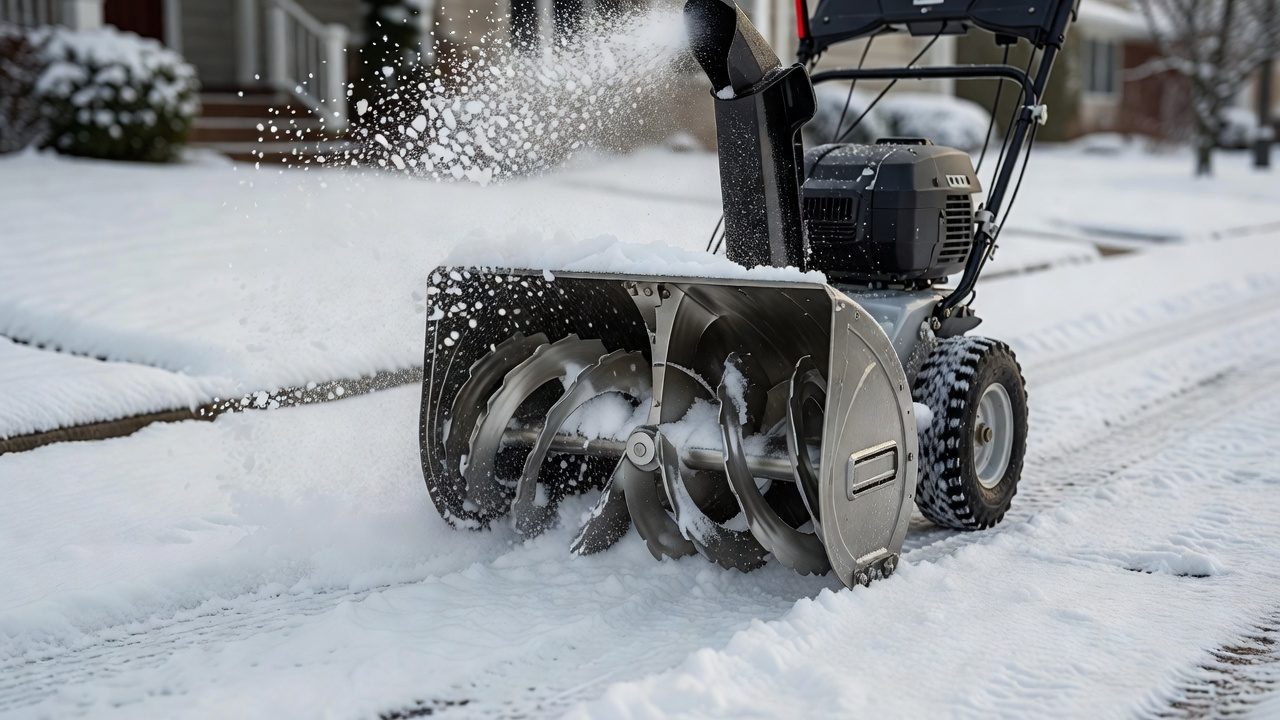
Electric snow throwers come in two primary varieties: battery-powered and corded. Both use an electric motor to drive an auger that scoops snow and a chute that directs it away from the cleared path. The core difference is their power source. Battery models run on rechargeable lithium-ion packs, giving you freedom of movement but a finite amount of work per charge. Corded models plug directly into a standard household outlet, providing unlimited runtime as long as you have a suitable extension cord.
When it comes to performance, electric models are well-suited for typical residential tasks. They handle light, dry snow effectively and can manage moderate accumulations on driveways, sidewalks, and walkways. Most electric snow throwers are designed to clear snow depths of several inches in a single pass, though performance varies with snow type. Light, fluffy snow is ideal; wet, heavy, or densely packed snow is much harder to move and may require multiple passes or exceed the machine’s capacity.
Compared to gas alternatives, electric models generally offer less power and clearing width. Gas engines produce higher torque and can handle deeper, heavier snow more efficiently. For homeowners in regions with frequent heavy snowfall, this difference matters. For those in lighter snow zones, however, the electric model’s capabilities are often more than sufficient.
Runtime and Battery Limitations
Runtime is the most critical consideration for battery-powered models. How long a charge lasts depends on several factors: battery capacity, snow conditions, how hard the motor is working, and ambient temperature. Cold weather reduces battery performance, meaning you may get less runtime on the coldest days, exactly when you need the machine most.
For a typical residential driveway, clearing light to moderate snow might take 20 to 30 minutes of active work. Many battery-powered models can handle this in a single charge, but larger properties or heavier accumulations may require multiple charges or a backup battery. If you have a very long driveway or a large area to clear, a single battery may not suffice, and purchasing additional batteries adds to the upfront cost.
Corded models eliminate runtime concerns entirely, but they introduce a different constraint: you must stay within reach of an outdoor outlet. This requires managing an extension cord, which can be a tripping hazard and may limit your range. For small properties with convenient outlet access, corded models work well. For larger properties or those without nearby outlets, battery-powered models offer more flexibility.
When Electric Snow Throwers Make Sense
Electric snow throwers are a strong fit for specific situations. They work best for homeowners with small to medium-sized driveways and walkways in regions that receive light to moderate snowfall. If your area typically sees a few inches of snow at a time, an electric model can handle the job efficiently.
Several practical advantages make electric models appealing. They require minimal maintenance, no oil changes, spark plug replacements, fuel stabilization, or seasonal tune-ups. They start instantly with the push of a button, eliminating the pull-cord struggle common with gas engines. They operate quietly, which is considerate to neighbors and reduces user fatigue. They produce zero direct emissions, making them an environmentally friendly choice. For broader ecosystem context, read through our operational guide on marshall stanmore iii vs harman kardon onyx studio 8.
Electric models are also typically lighter than gas equivalents, making them easier to maneuver and store. This is a significant benefit for older adults or anyone with limited physical strength. The absence of fuel storage also simplifies ownership, no need to keep gasoline on hand or worry about spills.
When Electric Snow Throwers Fall Short
Electric models have genuine limitations that make them a poor fit for certain scenarios. They struggle with wet, heavy, or densely packed snow because they lack the torque and power of gas engines. If you live in an area that frequently gets heavy, wet snow, an electric model may leave you frustrated and still facing a half-cleared driveway. For troubleshooting and reliability insights, consult our in-depth dyson v8 cyclone vs bissell featherweight stick report.
Large properties present another challenge. If you have a long driveway, extensive sidewalks, or a commercial area to clear, the limited runtime of battery-powered models becomes a significant constraint. Even with multiple batteries, the time spent recharging can be impractical during a storm. Corded models are limited by outlet proximity and extension cord length, which may not reach all areas of a large property.
Cold temperatures also affect battery performance. In very cold climates, battery capacity can drop noticeably, reducing runtime when you need it most. If you live in a region with consistently frigid winters, this is a factor to consider. Readers comparing setup options can review our technical analysis on bissell crosswave hydrosteam vs shark stainforce.
Battery-Powered vs. Corded Electric Models
Choosing between battery and corded models depends on your property layout and priorities. Battery models offer complete freedom of movement, no cords to manage, no outlets required. This makes them ideal for properties without convenient outdoor outlets or for users who value simplicity. The tradeoff is finite runtime and the need to recharge between uses.
Corded models provide unlimited runtime as long as you have power, making them reliable for consistent use. They also tend to have a lower upfront cost since you’re not paying for a battery system. However, they require an outdoor outlet and a suitable extension cord, which can be cumbersome. Managing the cord while clearing snow adds a layer of complexity and a potential safety hazard if not handled carefully.
For most residential users, the choice comes down to property size and outlet access. Smaller properties with nearby outlets are well-suited to corded models. Larger properties or those without convenient outlets benefit from battery-powered flexibility.
Maintenance and Reliability
One of the strongest arguments for electric snow throwers is their simplicity. Electric motors have fewer moving parts than gas engines, which generally translates to fewer failure points and lower repair costs over time. There’s no engine oil to change, no spark plugs to replace, no carburetor to clean, and no fuel system to maintain.
Battery-powered models do require attention to battery health. Lithium-ion batteries gradually lose capacity over time, but for most residential users, this degradation is slow enough that the battery lasts several years before performance noticeably declines. Storing batteries in a moderate temperature location helps preserve their lifespan.
Corded models have no battery considerations, making them even simpler to maintain. Both types benefit from basic care: keeping the auger clean, checking for damage, and storing the machine properly during the off-season.
Cost Considerations
Electric snow throwers span a range of price points. Entry-level corded models are typically the most affordable option, while quality battery-powered models with sufficient capacity tend to cost more. Gas models generally fall in a higher price range due to their more complex engines and higher power output.
Beyond the initial purchase, ongoing costs differ. Electric models have minimal operating costs, just electricity for charging, which is negligible. Gas models require fuel, oil, and regular maintenance, which add up over years of ownership. However, if a battery-powered model requires additional batteries for your needs, that investment can increase the total cost significantly.
When evaluating cost, consider the full picture: upfront price, potential additional batteries, maintenance requirements, fuel costs (for gas), and how long you expect the machine to last. For many homeowners, the lower maintenance and operating costs of electric models make them economical over time, especially if your snow clearing needs are modest.
Practical Tips for Using Electric Snow Throwers Effectively
Timing is key to getting the most from an electric snow thrower. Clear snow shortly after it falls, before it settles and compacts. Light, freshly fallen snow is much easier to move than snow that has been packed down or partially melted and refrozen.
For battery-powered models, fully charge your battery before a storm is forecast. Store batteries indoors at moderate temperatures, cold batteries lose charge faster and deliver less runtime. If you have multiple batteries, rotate them to ensure you always have a charged backup ready.
For corded models, plan your cord route before you start. Lay the extension cord out in a way that keeps it clear of the chute and your walking path. Use a cord rated for outdoor use and appropriate for the machine’s power requirements to avoid safety hazards.
When clearing, make multiple passes if needed rather than trying to push through deep or heavy snow in one go. This reduces strain on the motor and helps prevent clogs. Avoid pushing the machine into very wet or icy snow; instead, focus on light to moderate accumulations where electric models perform best.
Should You Buy an Electric Snow Thrower?
The decision comes down to your specific situation. Ask yourself: How much snow do I typically get? How large is the area I need to clear? Do I have access to an outdoor outlet? How important are low maintenance and quiet operation to me?
An electric snow thrower is a good choice if you live in a light to moderate snow region, have a small to medium driveway, value ease of use and low maintenance, and don’t mind recharging batteries or managing a cord. It’s a practical, environmentally friendly option that handles typical residential needs well.
An electric model may not be the best choice if you live in a heavy snow zone, have a very large property, need extended runtime for single sessions, or require maximum power for dense, wet snow. In these cases, a gas snow thrower may be more reliable and efficient.
Ultimately, electric snow throwers are genuinely good at what they’re designed to do: provide convenient, low-maintenance snow clearing for residential properties in moderate climates. They aren’t a universal replacement for gas engines, but for the right user, they offer a compelling combination of performance, convenience, and simplicity.
Related Maintenance and Operating Guides
To keep your equipment running at peak operating efficiency, explore our related technical walkthroughs and maintenance tutorials:
- Consult our detailed breakdown on cordless stick vacuum buyer guide.
- Consult our detailed breakdown on robotic pool cleaner comparison guide.
Technical Standards and Compliance
Mechanical safety standards, operational tolerances, and protective gear guidelines align with benchmark specifications established by the American National Standards Institute (ANSI).









