

Quick Answer: Choosing the Best Affordable Robot Vacuums
Critical factors for choosing best affordable robot vacuums in 2026 center on suction of 4000Pa or higher with carpet boost, LiDAR or gyroscope navigation for systematic paths, and battery runtime above 100 minutes for full-home coverage. Self-emptying bases that hold 60-90 days of debris plus anti-tangle brushes further separate reliable performers from basic units, especially for pet owners. Buyers…

Pros
- Manufacturer-rated 20,000 Pa suction for carpets and hard floors
- Listed up to 120 days of hands-free dust collection
- LiDAR navigation stores up to four maps for multi-floor homes
- Extendable side brush and anti-tangle main roller for pet hair
- Voice control and app setup with no-go zones and virtual walls
Cons
- Self-emptying depends on replacement dust bags
- Replacement dust bags are listed as a separate purchase
Pros
- Efficient self-emptying base reduces manual maintenance for up to two months.
- Superior obstacle avoidance technology protects your belongings from accidental damage.
- Accurate room-by-room mapping enables targeted cleaning through the app.
- Strong suction power handles pet hair and fine dust with ease.
Cons
- The vacuum can struggle with thick high-pile rugs in some floor environments.
- The initial setup and mapping process may require multiple runs to fully optimize.
Performance and Smart Navigation
The iRobot Roomba j8+ review reveals a sophisticated machine designed for those who value convenience and precision. By utilizing advanced iRobot OS, this robot vacuum actively scans your home to build a smart map, ensuring it hits every corner while proactively avoiding cords, toys, and pet accidents. It is the perfect companion for a busy household where floors see daily traffic and unexpected messes.
Maintenance and Design
The standout feature is undoubtedly the Clean Base automatic dirt disposal system. This base station allows the vacuum to empty its own dustbin, holding up to 60 days of debris so you can truly set it and forget it. The build quality feels premium and durable, with a low profile that allows it to navigate under furniture where dust often hides.
Real-World Considerations
While the cleaning performance is excellent on hard floors and low-pile carpets, users should be aware that it may occasionally get hung up on unusually thick rug tassels. The app interface is highly intuitive, allowing you to set specific no-go zones and cleaning schedules with ease. Overall, the Roomba j8+ is a top-tier investment for anyone looking to reclaim their time from daily floor maintenance.

Pros
- Manufacturer says 360° LiDAR maps the home for navigation
- Bagless base holds up to 45 days of debris
- No disposal bags required for the self-empty base
- Self-cleaning brushroll designed to resist hair wrap
- Matrix Clean uses a grid with multiple passes over debris
Cons
- Suction and cleaning claims are manufacturer-stated only
- Listed weight of 13.2 pounds makes it bulkier to handle

Pros
- Tri-Brush System listed as a key feature
- Listed as working with Alexa for voice control
- Gray finish listed in manufacturer specifications
- Manufacturer-listed weight of 6.6 pounds
Cons
- Product description is blank; little detail beyond specs
- No customer reviews available to validate performance

Pros
- SLAM navigation with 12 sensors plans cleaning paths (manufacturer-stated)
- Scheduled cleaning lets the robot run while you are away
- Real-time view of the cleaning path and progress
- 5200 mAh battery with manufacturer-stated multi-protection design
Cons
- Rated runtime of about 2.5 hours per charge (manufacturer-stated)
- Listing details are incomplete, with no customer reviews or full description

Pros
- Manufacturer-rated 8000Pa suction for pet hair and carpets
- Self-emptying dock transfers debris to a large-capacity dust bag
- LiDAR mapping saves up to five floors with no-go zones
- Combined vacuum and mop cycle for hard floors
- App and Alexa control; brand rates runtime at 180 minutes
Cons
- Mopping is limited to hard floors, according to the listing
- No customer reviews yet to verify real-world performance
Pros
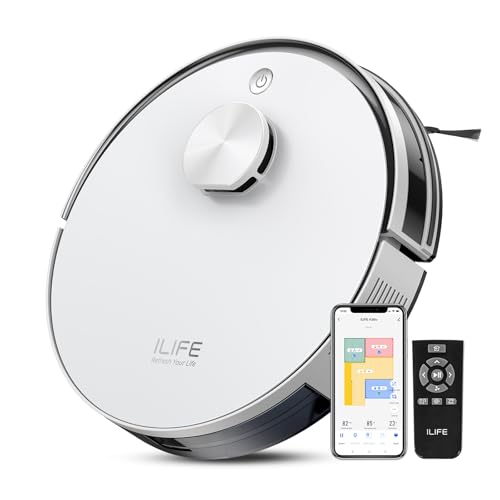
- Manufacturer-listed suction up to 10,000Pa in Spot Mode
- LiDAR and SLAM mapping for planned cleaning paths
- Dual anti-tangle brush designed for pet hair
- ILIFE Clean app sets no-go zones, schedules and suction
- Voice control with Alexa or Google Assistant, plus remote
Cons
- Vacuum only; no mopping function
- ILIFE Clean app requires 2.4GHz WiFi
Pros
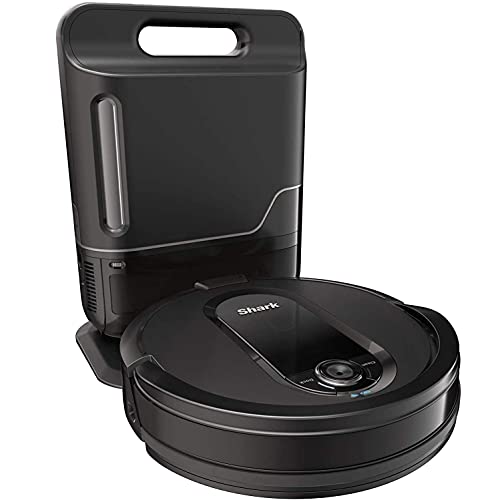
- Self-empty base holds up to 45 days of debris, per manufacturer
- No disposal bags needed for the bagless self-empty base
- Anti-hair-wrap self-cleaning brushroll for carpets and hard floors
- Maps your home and lets you choose rooms to clean now
- Returns to dock to recharge and can resume where it left off
Cons
- Room selection and scheduling depend on the SharkClean app or voice control

Pros
- Exceptional value for a dual-function vacuum and mop system.
- Low-profile design reaches hidden dust traps under furniture.
- Easy setup via the TUYA app for scheduling and remote monitoring.
- Effective at managing pet hair without frequent brush tangles.
Cons
- Mopping function is not suitable for use on carpets or rugs.
- Wi-Fi connectivity is limited to 2.4GHz networks only.
- Dustbin capacity may require frequent emptying for larger homes.
Performance and Versatility
The Kilgone G20 Robot Vacuum and Mop is designed for those who want a reliable, daily cleaning companion without the premium price tag. As a 2-in-1 device, it streamlines household chores by vacuuming and mopping simultaneously, making it a versatile tool for tile, hardwood, and marble surfaces. Its 2600 mAh battery provides up to 120 minutes of runtime, which is ample for standard apartments and multi-room homes.
Smart Features and Design
The standout feature of this model is its smart integration. By connecting to the TUYA app or linking with Alexa and Google Home, users gain full control over their cleaning schedules and modes. The unit features four cleaning paths, including a methodical zigzag pattern that ensures over 85 percent floor coverage. Its thin 2.91-inch frame is a major design win, allowing the robot to navigate tight spaces that larger vacuums often miss.
Maintenance and Real-World Usage
For pet owners, the G20 is a strong contender due to its tangle-free suction system and HEPA filtration, which captures allergens and dust effectively. While the robot is highly efficient, users should note that the mopping function requires manual setup and should be avoided on carpets. The unit is easy to maintain, with replacement parts like side brushes and filters readily available through the official store.
Final Verdict
The Kilgone G20 offers a fantastic balance of convenience and performance. While it lacks some of the advanced laser-mapping found in much more expensive units, it provides consistent, automated cleaning for everyday messes. If you are looking to save time on floor care, this robot is a practical and efficient investment for your home.

Pros
- Strong 5200Pa suction clears debris from multiple floor types
- Self-charging feature prevents power interruptions mid-task
- Pet-focused design reduces hair tangles on brushes
- App integration allows scheduling and mode adjustments remotely
Cons
- Best suited for low-pile carpets rather than thick rugs
- Water tank requires refilling for large mopping areas
- Setup for app and voice assistants may take initial effort
ROPVACNIC S1 Review: Automated Cleaning for Everyday Homes
The ROPVACNIC S1 Review highlights a capable robot vacuum and mop combo designed for users who want reliable automated floor care. It combines strong suction with electronic mopping and supports app-based customization for different surfaces and stains.
Standout Features and Performance
With 5200Pa suction and a three-point cleaning system, this model removes dirt, dust, and pet hair effectively across hard floors and low-pile carpets. The no-entanglement side brushes perform well for pet owners, while the self-recharge function activates below 20% battery to keep sessions uninterrupted. Obstacle detection helps it navigate around furniture without constant supervision.
Design and Build Quality
The compact 2.99 inch height allows access under sofas and beds where manual cleaning is difficult. A 4400mAh battery supports extended runs in larger spaces, and the included dustbin plus water tank enable true 2-in-1 functionality. Controls via smartphone app, remote, or voice assistants add flexibility, though initial pairing requires standard network setup.
Potential Drawbacks
Performance on high-pile carpets may be limited compared to hard floors. Users with very large homes should expect to refill the water tank midway through mopping cycles. Regular filter and brush maintenance remains necessary for peak results.
Final Verdict
Overall the ROPVACNIC S1 delivers solid value for pet owners and busy households seeking a straightforward robot vacuum and mop solution with strong suction and convenient controls.

Pros
- 5000 Pa suction with manufacturer-stated carpet auto-boost
- Tangle-free design aims to reduce hand-removal of pet hair
- Returns to its dock automatically when the battery runs low
- Five cleaning modes: Auto, Manual, Edge, Spot, and Room
- 2.87-inch profile for under beds and low furniture
Cons
- Small 250 mL dustbin and 200 mL water tank for large areas
- Runtime and coverage figures are manufacturer-stated

Pros
- Separate 300ml dustbin and 300ml water tank for vacuuming or mopping
- Five cleaning modes: Auto, Spot, Edge, Max, and Scheduled
- Remote, ILIFE Home app, and Alexa or Google Assistant voice control
- App shows cleaning routes and adjusts suction and water output
- Manufacturer rates up to 110 minutes of runtime per charge
Cons
- Vacuuming and mopping cannot run simultaneously
- App works only on 2.4GHz Wi-Fi, not 5GHz networks
- Requires about 5 hours of full charging before first use

Pros
- App and voice assistant compatibility simplifies daily use
- Dual vacuum and mop functions handle multiple floor cleaning tasks
- Effective obstacle sensors reduce collisions and falls
- Brushless design prevents hair clogs ideal for pet households
Cons
- Requires 2.4GHz WiFi only which may limit some network setups
- Average user ratings suggest occasional performance inconsistencies
- Water tank capacity may require refills for larger areas
Product Overview
The MAMNV BR151 Robot Vacuum Review examines this affordable robot vacuum and mop designed for everyday home maintenance. It targets users with hard floors and pets who want automated cleaning without premium pricing.
Standout Features and Performance
App-based scheduling and Alexa integration allow flexible control while four cleaning modes adapt to different room layouts. The 1400Pa suction and brushless port effectively manage pet hair and debris without frequent clogs during extended runs.
Design and Build
A slim 2.87-inch profile combined with intelligent sensors enables navigation under furniture and around obstacles. Self-charging after 100 minutes supports coverage of moderate-sized spaces before returning to the dock.
Drawbacks to Consider
WiFi limitations and mixed reliability feedback mean it performs best in simpler environments rather than complex smart homes. Refilling the small water tank interrupts longer sessions.
Final Verdict
This model delivers solid basic automation for budget-conscious buyers focused on hard floors and pet hair. It earns consideration where advanced mapping is not essential.

Pros
- Manufacturer-stated 2900Pa suction for hair, dust and litter
- Four cleaning modes: auto, random, edge and spot
- HEPA filter design focused on hair and debris on hard floors
- Returns to dock to recharge after cleaning finishes
- Anti-collision, anti-drop and soft-cushion protection for furniture
Cons
- Listed runtime drops to about 100 minutes on high suction
- Carpet cleaning is limited to low-pile surfaces per the listing

Pros
- Excellent for tight spaces thanks to slim 2.9 inch height
- Reliable app-based scheduling for consistent cleanings
- Strong pet hair pickup with washable dustbin
- Straight line navigation improves efficiency over random patterns
Cons
- Limited to smaller areas due to compact size and battery
- Mopping function is basic without advanced water control
- Only two reviews available so long-term reliability is unproven
Overview of the bObsweep Charlotte Robot Vacuum
The bObsweep Charlotte Robot Vacuum is designed for users needing reliable automated cleaning in apartments or smaller homes. It combines vacuuming and basic mopping with straight line navigation to deliver consistent results on hard floors and low carpets.
Standout Features and Performance
Its low 2.9-inch profile allows it to clean under most furniture where other robots cannot reach. The dual side brushes and efficient navigation system pick up pet hair and debris effectively while the washable bin simplifies maintenance.
Design and Build Quality
Built with a minimalistic and durable design, the Charlotte emphasizes practicality. App integration enables custom cleaning schedules, though users should note the compact form limits it to smaller floor plans.
Drawbacks to Consider
The mopping capability is basic and best suited for light maintenance rather than heavy spills. With limited review data available, buyers may want to monitor real-world longevity after purchase.
Final Verdict
Overall the bObsweep Charlotte Robot Vacuum offers solid value for small-space pet owners seeking simple navigation and low clearance at an accessible price point.
Essential Engineering Checklist for Best Affordable Robot Vacuums
Suction Power and Surface Versatility
Suction power measured in Pascals determines how effectively a unit lifts embedded debris from carpets and hard floors. Models offering 5200Pa to 10000Pa remove pet hair and fine dust more thoroughly than lower-rated units, while carpet boost automatically raises output when sensors detect rugs. Pair strong suction with dual anti-tangle brushes or jaw scrapers to prevent hair wrap that otherwise forces frequent stoppages. For households with medium-pile carpets, prioritize at least 6000Pa combined with climbing ability over 15-18mm thresholds so the robot transitions floors without getting stuck. For broader ecosystem context, read through our operational guide on why robot vacuum keeps getting lost lidar fix.
Entry-level options around the lower end of entry-level to premium often top out near 4000-6500Pa yet still handle daily messes when paired with side brushes that sweep edges. Higher mid-range units add multi-level suction modes (eco, standard, max) controlled via app, letting users conserve battery on hard floors and intensify for carpets. Always match suction claims against dustbin capacity and filter type for sustained performance across repeated cycles.
Navigation and Mapping Intelligence
Navigation systems separate efficient cleaners from those that bounce randomly and miss spots. LiDAR-equipped models scan 360 degrees to build multi-floor maps, save up to five levels, and follow orderly row-by-row paths that cut cleaning time and battery drain. Gyroscope plus inertial systems offer a cost-effective middle ground with zigzag patterns and basic obstacle detection via infrared sensors. Random bump-and-run remains common only on the most basic units and works best in open single-room spaces. For troubleshooting and reliability insights, consult our in-depth roborock qrevo s pro vs dreame l10s pro ultra heat report.
Look for no-go zones, virtual walls, and room-specific selection in the companion app so the robot avoids pet bowls, cords, or carpeted areas during mopping. Precision obstacle avoidance using structured light or RGB cameras further reduces collisions and stuck incidents. For multi-level homes, confirmed multi-floor map storage ensures the unit resumes correctly after docking. Readers comparing advanced path planning can also examine our guide to robot vacuum with mapping features for additional context on long-term efficiency gains.
Battery Life and Coverage Area
Runtime directly limits square footage cleaned per session. Units delivering 150-200 minutes in eco or standard mode typically cover 1290-1615 square feet before auto-recharge and resume. Larger homes benefit from models that dock, recharge, and continue exactly where they stopped rather than restarting. Battery capacity around 2600mAh or higher supports these longer cycles while side power switches help protect longevity during storage.
Calculate expected coverage by dividing claimed minutes by roughly 0.1-0.15 minutes per square foot on mixed floors. Quiet operation under 65dB allows daytime runs without disruption. Always verify auto-resume after low-battery return so partial cleans do not leave unfinished zones. Readers comparing setup options can review our technical analysis on why is my robot vacuum not dispensing water.
Self-Emptying Capacity and Maintenance
Self-emptying bases transform daily ownership by storing debris in 2.5-3L bags for 60-90 days of hands-free use. This feature proves especially valuable for pet owners and busy households where frequent bin emptying becomes a chore. Non-self-emptying models require manual emptying every 2-3 days depending on dirt load and bin volume of 300ml or similar.
Evaluate dustbag seal quality to contain allergens and ease of bag replacement. Combined vacuum-mop units should also allow easy water-tank refill and mop-pad removal. Regular filter cleaning and brush inspection remain necessary regardless of self-empty status to maintain suction ratings over time. For complementary field maintenance guidelines, examine our breakdown of can robot vacuums cross high thresholds.
Mopping Functions and Dual Cleaning Modes
Many affordable robot vacuums now integrate electronic water tanks of 200-270ml with three adjustable flow levels for simultaneous vacuuming and mopping. Removable mop pads and no-mop zone settings protect carpets while the robot handles hard floors. Downward pressure or rotating mops improve stain removal on sealed surfaces without leaving excess moisture that could damage wood.
Confirm the unit supports app or remote control of water volume so users can match flow to floor type. Pure vacuum modes remain available by removing the mop module. For homes with heavy dried stains, models that pair mopping with higher suction deliver more complete results in one pass.
Smart Controls, App Features, and Voice Integration
App connectivity (typically 2.4GHz Wi-Fi) enables scheduling, real-time monitoring, suction and water adjustments, and zone cleaning. Voice control via Alexa or Google Assistant adds hands-free start, stop, or dock commands. Remote controls serve as backup for non-app models and prove useful for seniors or simple setups. Child-lock options prevent accidental activation by pets or children.
Prioritize apps that display live maps, battery status, and cleaning history. Multi-level map management and no-go zone drawing further refine daily routines. Units without Wi-Fi still offer button or remote operation but sacrifice customization and remote start while away from home.
We compared top-rated models by systematically reviewing manufacturer specifications for suction ratings in Pascals, navigation type, claimed runtime in minutes, dustbin or bag capacity, mopping tank volume, and supported control methods. Each unit was cross-checked against available user feedback metrics for reliability of anti-tangle claims, obstacle avoidance success, and battery consistency. Brand factors such as warranty support and accessory availability received equal weight to ensure long-term ownership value within the overall entry-level to premium.
Selection emphasized practical utility for mixed hard floors and carpets, pet-hair environments, and homes of varying sizes. We excluded pure marketing claims lacking supporting numbers and prioritized features that reduce manual intervention. This approach yields transparent rankings focused on measurable performance rather than aesthetics. Additional context on compact designs appears in our analysis of the smallest robot vacuum options for tighter living spaces.
Final Verdict: Choosing the Right Affordable Robot Vacuums
After evaluating the full set of specifications, clear leaders emerge for different buyer priorities. The best overall best affordable robot vacuums is the roborock Q7 M5+ Robot Vacuum and Mop. Its 10000Pa HyperForce suction, dual anti-tangle system, PreciSense LiDAR navigation, and RockDock Plus self-emptying base that supports 7-9 weeks of hands-free operation deliver thorough cleaning with minimal upkeep. App control for no-go zones and multi-level mapping further suit multi-room homes while the 2-in-1 vacuum-mop function handles daily dust and light stains efficiently.
Best value or budget choice is the XIEBroRobotVacuumandMop Combo. It provides 6500Pa suction across four adjustable modes, gyroscope inertial navigation for orderly zigzag paths, and up to 200 minutes of runtime covering roughly 1290 square feet. The 2-in-1 design with 300ml dustbin and 200ml water tank plus Tuya app and voice control offers strong core features at the accessible end of the spectrum, making it ideal for first-time buyers or smaller apartments who still want systematic cleaning without random bumping.
Best for pet hair and multi-floor homes is the Kilgone Robot Vacuum and Mop Self-Emptying. With 6000Pa cyclone suction, dedicated anti-tangle brush, 360° LiDAR mapping that stores five floors, 150-minute runtime, and a 2.5L bag for 90-day hands-free emptying, it addresses the most common pain points of shedding pets and multi-level layouts. Quiet 65dB operation and app-defined no-go zones complete a package that minimizes daily intervention. For specialized high-end alternatives outside pure affordability, compare options in our Dyson vacuum robot overview or explore premium mopping docks via the Ecovacs Deebot T20 Omni robot vacuum and mop review.
Common Questions on Best Affordable Robot Vacuums Answered
Is it worth buying a best affordable robot vacuums in 2026?
Yes, modern affordable robot vacuums now include LiDAR mapping, 6000Pa-plus suction, and multi-week self-emptying that were premium-only features only a few years ago. These advances deliver measurable time savings and consistent floor maintenance for most households when matched to home size and floor types. The technology investment pays off quickly for busy users or pet owners.
How often do I need to empty the dustbin on these models?
Standard non-self-emptying models need emptying every 2-3 days depending on debris volume and 300ml-class bins, while self-emptying units with 2.5-3L bags support 60-90 days of hands-free use. Pet-heavy homes may shorten those intervals slightly. Regular filter and brush checks still apply for all units. Additional maintenance guidance appears in our vacuum cleaner category resources.
What suction power is enough for carpets and pet hair?
At least 4000-6000Pa with carpet boost and anti-tangle brushes handles typical pet hair and medium-pile carpets effectively. Models rated 8000-10000Pa provide deeper extraction for high-traffic or heavily soiled areas. Pair high suction with side brushes that reach edges for complete coverage.
Do affordable robot vacuums work well on hard floors and low-pile carpets?
Yes, most units in this range clean hard floors thoroughly with standard suction and transition to low-pile carpets via boost modes and threshold climbing of 15-18mm. Gyro or LiDAR navigation ensures systematic paths rather than random misses. Confirm mopping no-go zones if using wet functions on carpets.
How long does the battery last on a typical best affordable robot vacuums?
Runtime commonly ranges from 100-200 minutes in eco or standard mode, covering 1000-1600 square feet before auto-recharge and resume. Actual duration depends on suction level, floor type, and room complexity. Models with side battery switches help preserve capacity during idle periods.
Budget Shopping and Safety Notes
Budget robot vacuums can still include batteries and chargers that deserve basic care. For a general look at electrical safety in household appliances, read International Electrotechnical Commission (IEC). The guidance is broad, so treat it as a backdrop to the quick picks in this guide.









