Quick Answer: Choosing the Best Pet Robot Vacuum
When choosing the best pet robot vacuum in 2026, prioritize suction levels of 10,000 Pa or higher paired with dual anti-tangle brushes and self-emptying docks that handle pet hair for weeks without intervention. LiDAR navigation and HEPA filtration complete the essentials for thorough coverage and allergen reduction in multi-pet households. For context on complementary features such as advanced…
Pros
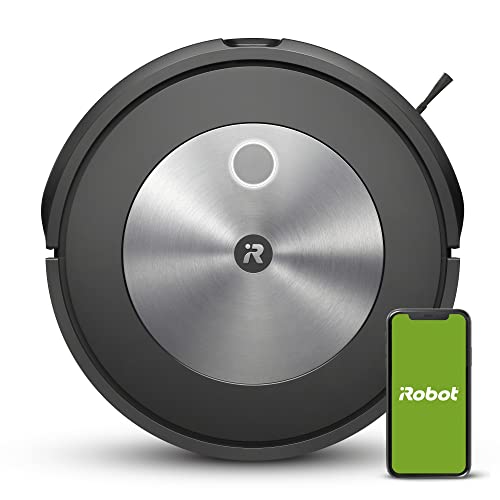
- Imprint Smart Mapping schedules chosen rooms and stores multiple floor maps
- Keep Out Zones and Clean Zones define exact areas to avoid or clean
- Sensors are designed to navigate under furniture and along edges
- Cliff Detect is listed to help prevent falls down stairs
- Genius can auto-clean when you leave and stop when you return
Cons
- Mapping and scheduling depend on Wi-Fi and the companion app setup
- Pet waste and cord avoidance are manufacturer-stated, not independently verified

Pros
- Self-emptying dust cup, rated by the maker for up to 45 days of cleaning
- LiDAR 360° mapping with up to five saved maps for multi-level homes
- Manufacturer-rated suction up to 6000Pa with three adjustable levels
- Vacuums and mops in one pass using a 2-in-1 dustbin and water tank
- App scheduling, no-go zones, and Alexa or Google Assistant voice control
Cons
- Wi-Fi connection works only on 2.4GHz networks
- Mop holder should be removed before cleaning carpets to avoid wetting

Pros
- Incredible 6,000 Pa suction power easily lifts heavy debris and pet hair.
- True hands-free operation with a self-emptying base that holds 8 weeks of dust.
- LiDAR mapping ensures efficient, methodical cleaning paths without missed spots.
- HEPA filter keeps indoor air clean by trapping fine allergens.
Cons
- Mop pad must be washed manually or replaced periodically for optimal hygiene.
- The multi-surface cleaning formula requires ongoing purchases.
Hands-Free Pet Hair Management
The Bissell FlexClean Robot Vacuum and Mop (Model 4270) is a premium, automated cleaning solution designed specifically for busy households, especially those with pets. Combining robust vacuuming capabilities with active mopping, this smart appliance aims to eliminate the daily chore of floor maintenance. Whether you are dealing with scattered kitty litter, stubborn dog hair, or muddy paw prints, this robot is engineered to handle it all without requiring constant human intervention.
High-Performance Suction and Intelligent Navigation
Performance is driven by an impressive 6,000 Pa suction motor, which easily pulls dirt from deep within carpets and rugs. The standout NeverTangle Brush Roll is a game-changer for pet owners, actively shedding wrapped hair into the dustbin to prevent manual detangling. Additionally, the 360React LiDAR Navigation system maps the home in real-time, allowing the robot to navigate around furniture and unexpected obstacles with precision, ensuring no spots are left untouched.
Durable Build and Maintenance Considerations
Built with durability in mind, the unit features a sleek low-profile design that glides under most couches and beds. The self-empty base is sturdy and seals tightly, holding up to eight weeks of debris in a HEPA-filtered bag. While the overall build quality is excellent, users should note that the mopping system, while highly effective for daily maintenance, still requires manual refilling of the water tank and periodic washing of the mop pad.
The Verdict
In conclusion, the Bissell FlexClean 4270 offers an exceptional balance of power, intelligence, and convenience. It successfully addresses the most common pain points of robotic vacuums, namely hair tangles and frequent emptying. If you are looking for a reliable, high-performance cleaning companion that keeps your home allergen-free while supporting a great cause like the Bissell Pet Foundation, this model is a highly recommended investment.

Pros
- Effective object detection and avoidance improves safety around household items
- Strong suction performance handles pet hair and debris across multiple floor types
- Flexible app controls allow precise scheduling and targeted room cleaning
Cons
- Object detection limited to items 2.8 inches or taller may miss smaller obstacles
- No self-emptying base requires manual dustbin emptying after runs
- Mapping setup may need occasional adjustments for optimal room recognition
Shark AI Robot Vacuum Overview
The Shark AI Robot Vacuum combines smart mapping with AI Laser Navigation to deliver precise row-by-row cleaning across your entire home. It targets users who want automated floor care without constant supervision, especially those managing pet hair and mixed floor surfaces.
Standout Features and Performance
AI navigation detects obstacles and creates no-go zones while the powerful suction and PowerFins brushroll dig into carpets for thorough debris pickup. UltraClean Mode provides extra passes for deeper results in busy areas, making daily maintenance effortless through voice or app commands.
Design and Build Quality
The slim profile allows access under furniture, and included side brushes handle corners effectively. Build feels durable with reliable recharge-and-resume functionality that supports longer cleaning cycles without intervention.
Drawbacks to Consider
Users should note limitations with very low-profile objects and the need for periodic bin emptying since there is no auto-empty feature. Initial mapping can require minor tweaks for best accuracy.
Final Verdict
Overall this model earns strong marks for consistent coverage and pet-friendly performance, offering a practical upgrade for households ready to reduce manual vacuuming chores.

Pros
- Auto-Adjust Cleaning Head listed for carpets and hard floors
- Cliff Detect listed to help prevent stair falls
- Includes home base, extra AeroVac filter, and cleaning tool
- Dirt Detect sensors listed to target high-traffic areas
Cons
- Not Wi-Fi connected, so no app-based control
- Non-authorized seller purchases may lack iRobot service coverage

Pros
- Effective dual-mode cleaning for both dry debris pickup and wet scrubbing on hard floors
- Long battery life supports thorough whole-home sessions
- Smart features like cliff detection and auto-docking add convenience
- Washable mop pads and included formula make maintenance simple
Cons
- Mopping performance may require pre-treatment on tougher stains according to user feedback
- App connectivity can be inconsistent in some home setups
- Not suited for homes with many rugs due to mopping restrictions
Overview
The Bissell SpinWave Pet Robot Review highlights a versatile 2-in-1 device built for pet owners seeking automated floor care on sealed hard surfaces. It combines dry vacuuming with active wet mopping in one unit controlled via WiFi and structured navigation.
Standout Features
Users benefit from the two-tank design that allows instant mode switching, powerful 1500 Pa suction for pet hair, and rotating mop pads that scrub effectively while avoiding carpets. Battery runtime exceeds 130 minutes for extended cleaning cycles.
Design and Performance
Build quality feels solid with practical accessories like washable pads and edge brushes. Real-world navigation covers floors methodically though some report occasional missed spots near obstacles.
Drawbacks
Rating data suggests variable results with heavy messes and occasional app glitches that may frustrate users expecting flawless automation.
Verdict
This robot suits households focused on hard floor maintenance with pets, delivering solid convenience despite minor limitations in complex environments.

Pros
- Strong value for automated pet hair and floor cleaning
- Quiet enough for daytime use in shared spaces
- Slim build improves access under low furniture
- Multiple cleaning modes adapt to different room needs
Cons
- Best suited for hard floors and low-pile carpets only
- Water tank requires frequent refills during mopping sessions
- App setup limited to 2.4GHz WiFi networks
Product Overview and Target Users
The Kilgone G20 Review highlights a compact 2-in-1 robot vacuum and mop built for everyday pet hair cleanup. It targets small to medium homes with hard floors where users want simple automated assistance without complex setup.
Standout Features and Performance
Its tangle-free nozzle and strong suction handle pet hair effectively while the 230ml water tank supports light mopping. Smart connectivity via the TUYA app and Alexa allows scheduled runs, and 360-degree sensors help avoid furniture collisions during operation.
Design, Build and Battery Life
At 2.8 inches tall the device slides under most furniture with ease and runs at a low 65dB noise level. The 2600mAh battery supports up to 120 minutes of cleaning before automatic return to the dock.
Drawbacks to Consider
Performance shines most on hard surfaces and may struggle with thick carpets. Mop effectiveness depends on regular water refills and it lacks advanced mapping found in premium models.
Final Verdict
Overall the Kilgone G20 delivers reliable basic automation for pet owners seeking an affordable slim robot vacuum mop solution that integrates easily into daily routines.

Pros
- Rated 13,000Pa suction with detangling DuoBrush for pet hair
- Large 5L auto-empty dust bag designed for up to 150 days of use
- Simultaneous vacuum and mop with 32 customizable water levels
- Pathfinder smart mapping with multi-floor and no-go zone support
- Compatible with Alexa, Siri, and Google Home voice controls
Cons
- Only compatible with 2.4GHz Wi-Fi networks
- Restricted to USA use only

Pros
- Manufacturer lists 11500Pa suction for carpets and hard floors
- Self-emptying base with 90-day dust bag capacity, per listing
- LiDAR mapping with multi-floor maps and no-go zones
- Carpet Auto-Boost and washable mop pad, per listing
- Listed kit includes dust bags, mops, filters and side brushes
Cons
- Listing copy names a D13S MAX model; confirm exact model
- Water tank is listed at 230ml, a small capacity

Pros
- Manufacturer rates suction at 11500Pa for embedded pet hair and dander
- Anti-tangle brush roll is designed to resist hair wrapping around the roller
- Self-emptying base has a sealed bag rated for up to 90 days of debris
- LiDAR mapping supports No-Go Zones around pet bowls and room routines
- Kit includes 5 dust bags, 2 mops, 2 filters and 2 side brushes
Cons
- 230ml water tank is small for large mopping areas
- Customer reviews are not yet available to confirm real-world results

Pros
- Dual anti-tangle system for hair and fur, per the listing
- DTOF LiDAR mapping with up to 5 saved floor maps
- Self-emptying dock with 3L sealed bag, up to 75 days stated
- App no-go zones, room selection, and suction by room
- Alexa voice commands to start and pause cleaning
Cons
- App features listed for 2.4GHz WiFi only
- Weighs 12.13 pounds at 12.8 x 12.8 inches

Pros
- Large dust bin reduces maintenance needs
- Good battery runtime for medium homes
- Effective on hard floors and pet hair
- Affordable entry-level robotic vacuum
Cons
- No smartphone app or Wi-Fi connectivity
- Performance may vary on thicker carpets
- Remote control only limits advanced scheduling options
What the Tenergy Otis Robotic Vacuum Offers
The Tenergy Otis Robotic Vacuum provides automated floor cleaning with 1200Pa suction power suited for pet owners and households with hard floors or thin carpets. It targets users who want basic robotic assistance without complex smart features.
Standout Features and Performance
Strong suction combined with dual side brushes and a helix main brush effectively gathers pet hair and debris. The 0.9L bin and up to 90-minute runtime support longer cleaning sessions with fewer interruptions while sensors handle navigation and cliff avoidance.
Design and Build Quality
The compact body with large wheels manages small thresholds well. Filtration helps reduce airborne dust though the unit relies solely on a remote for control rather than app integration.
Drawbacks to Consider
Limited carpet performance and lack of modern connectivity may not satisfy users seeking advanced smart home features or deep carpet cleaning.
Final Verdict
The Tenergy Otis Robotic Vacuum suits budget-conscious buyers needing reliable basic automation for pet hair and hard surfaces.
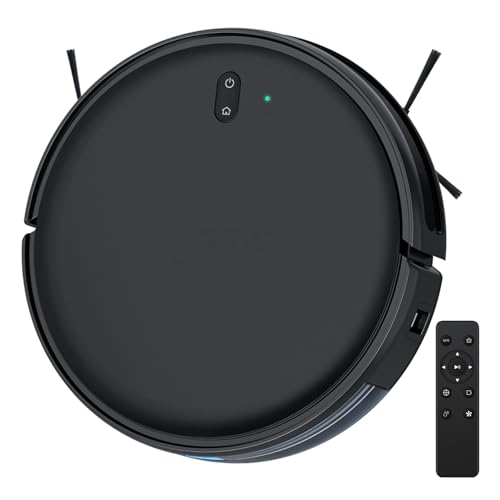
Pros
- Inlet design aims to keep pet hair from tangling
- Low-profile body is listed as fitting under beds and sofas
- Sidebrush reaches edges and corners
- Spot cleaning mode runs in one place for up to 2 minutes
Cons
- Main power switch must be on or the robot stops after leaving dock

Pros
- Dual vacuum and mop function handles multiple cleaning tasks
- Long battery life supports extended cleaning sessions
- Compatible with Alexa and Google Assistant for voice commands
- Compact design reaches under furniture easily
Cons
- Random navigation can miss spots or repeat areas inefficiently
- No smart mapping limits advanced scheduling options
- Lower user ratings indicate mixed real-world performance
Overview of the ECOVACS DEEBOT OZMO U2 Robot Vacuum
The ECOVACS DEEBOT OZMO U2 Robot Vacuum offers an affordable entry into automated floor cleaning with combined vacuuming and mopping capabilities. It targets users with small to medium homes seeking basic pet hair management without premium mapping features.
Standout Features and Performance
This model provides simultaneous vacuum and mop action along with a Max+ suction boost for tougher messes. The 110-minute runtime allows decent coverage before auto-charging, while app integration enables remote starts and basic scheduling. Voice control works with popular assistants for convenient hands-free use.
Design and Build Quality
Its low-profile build helps it navigate under furniture, and safety sensors prevent falls down stairs. However, the fixed brush and random navigation pattern may lead to less thorough coverage compared to mapped models.
Potential Drawbacks
Some users note inconsistent cleaning patterns and limited smart features like room mapping. The average rating reflects occasional issues with edge cleaning and overall reliability in varied home layouts.
Final Verdict
Overall, the ECOVACS DEEBOT OZMO U2 Robot Vacuum suits simple cleaning needs in apartments or homes with minimal clutter, delivering solid value through its dual functions and extended battery life.

Pros
- Manufacturer-stated 2900Pa suction for hair, dust and litter
- Four cleaning modes: auto, random, edge and spot
- HEPA filter design focused on hair and debris on hard floors
- Returns to dock to recharge after cleaning finishes
- Anti-collision, anti-drop and soft-cushion protection for furniture
Cons
- Listed runtime drops to about 100 minutes on high suction
- Carpet cleaning is limited to low-pile surfaces per the listing
Key Technical Factors to Consider Before Buying
Suction Power for Embedded Pet Hair
Effective removal of pet hair starts with raw suction strength measured in Pascals. Models offering 10,000 Pa or more lift fur from deep carpet fibers and hard floor crevices where dander accumulates. Lower-powered units under 3,000 Pa often leave residue behind after multiple passes. For households with long-haired pets or thick rugs, target devices that also include carpet boost modes which automatically raise suction when transitioning surfaces.
Consistent airflow matters as much as peak numbers. Look for sealed systems that maintain power even as the dustbin fills with hair. This prevents the gradual drop-off common in entry-level designs and supports longer cleaning cycles without loss of performance.
Anti-Tangle Brush and Roller Systems
Pet hair wraps around traditional bristle brushes and forces frequent manual cleaning. Prioritize rubber or dual anti-tangle rollers that actively comb out fur during operation. Side brushes certified for zero tangle rates further reduce interruptions. These designs keep suction paths clear and extend the time between maintenance sessions to several weeks in moderate-use homes.
Brushless suction ports found on some slim models also prevent wrapping entirely by pulling debris straight into the bin. This approach suits apartments with limited storage for tools while still delivering reliable daily pickup of fur and litter. To evaluate matched hardware tolerances, consult our detailed overview of roborock qrevo s pro vs dreame l10s pro ultra heat.
Navigation Accuracy and Obstacle Avoidance
LiDAR mapping creates precise room layouts that support efficient path planning and multi-floor memory. Structured light or AI sensors detect toys, cords, and pet bowls in real time to avoid dragging debris or becoming stuck. Units with no-go zone controls via app let owners protect feeding stations and bedding areas. Without strong navigation, robots miss sections or require constant rescue, reducing their value for pet-heavy schedules.
Matrix or grid cleaning patterns ensure overlapping coverage so no spots are skipped. Recharge-and-resume capability allows the unit to finish large homes after mid-cycle charging. For homes seeking compact options that still map well, explore our guide to the smallest robot vacuum designs that fit under low furniture.
Self-Emptying Docks and Maintenance Features
Self-emptying bases store debris for 30 to 75 days depending on bag or bin capacity, which is critical when daily pet hair loads fill onboard bins quickly. HEPA-sealed bags trap allergens down to 0.3 microns and keep dust contained during disposal. Additional dock functions such as mop washing, warm-air drying, and auto water refill further minimize hands-on work for combo vacuum-and-mop units. When planning workspace deployment, consider the engineering criteria outlined in our why is my robot vacuum not dispensing water guide.
Bagless self-empty systems with washable filters appeal to users who prefer reusable components. Check runtime after emptying cycles and ensure the dock supports 2.4 GHz Wi-Fi only where specified, as this remains the standard for most current models.
Battery Runtime and Multi-Surface Transitions
Runtimes of 100 minutes or longer on standard modes cover most single-level homes before automatic docking. Auto-recharge and resume features prevent incomplete jobs. Climbing ability of 15 mm or higher handles thresholds between rooms and low-pile carpets without interruption. Noise levels under 65 dB keep operation quiet enough for daytime use around pets and children. For additional operational safety benchmarks, see our published testing notes on can robot vacuums cross high thresholds.
Mopping Integration and Carpet Protection
Combo models with liftable mops raise pads 8 to 10 mm when carpets are detected, preventing wet spots on rugs. Sonic vibration or dual spinning pads at 200 rpm remove sticky paw prints and kitchen residues from hard floors. Adjustable water flow levels prevent over-wetting sensitive wood surfaces while still tackling dried messes. Users without hard floors can disable mopping entirely for vacuum-only runs.
| Model | Suction Power | Anti-Tangle Feature | Self-Empty Duration | Navigation Type |
|---|---|---|---|---|
| roborock Qrevo S Pro | 18,500 Pa | Zero-tangle side brush and rubber main brush | 7-9 weeks | Smart obstacle avoidance |
| roborock Q7 M5+ | 10,000 Pa | Dual anti-tangle JawScrapers and side brush | 7-9 weeks | PreciSense LiDAR |
| iRobot Roomba Max 705 | Extreme power-lifting | Dual rubber anti-tangle brushes | Up to 75 days | ClearView Pro LiDAR and PrecisionVision AI |
Pet Robot Selection Factors Listed
Pet-focused entries are based on manufacturer specifications and product data from Amazon listings. Suction power, the anti-tangle feature, self-empty duration and navigation type sit in a single table, so readers can see which traits each model states for pet households.
A companion guide on robot vacuum not connecting to wifi suits pet households that run into connection trouble.
Wrap-Up: Which Model Delivers True Value?
After reviewing technical data across the full set of contenders, several models stand out for distinct needs. Best Overall Best Pet Robot Vacuum: roborock Qrevo S Pro Robot Vacuum and Mop delivers 18,500 Pa suction, zero-tangle brushes, and a multifunctional dock with 167°F mop self-cleaning plus 113°F drying. Its 10 mm mop lift and smart carpet strategies make it suitable for mixed floors with heavy pet traffic, while the 2.7 L sealed bag supports multi-week hands-free use. The low 3.8-inch profile reaches under furniture for complete coverage.
Best Value / Budget Choice: Lefant Robot Vacuum Cleaner M210 offers a slim 2.99-inch height, brushless suction port that avoids hair wrap, and up to 120 minutes of runtime at a price point near $75.90. Six cleaning modes and app or Alexa control provide flexibility for smaller homes or apartments focused on hard floors and low-pile rugs. The FreeMove 3.0 sensors reduce stuck incidents without requiring advanced LiDAR. For additional mapping-focused options, consult our review of robot vacuums with mapping technology.
Best for Long-Haired Pets and Large Homes: iRobot Roomba Max 705 combines dual rubber anti-tangle brushes, PrecisionVision AI obstacle detection that recognizes pet waste, and an AutoEmpty dock holding debris for up to 75 days. Extreme power-lifting suction with Carpet Boost and Dirt Detect ensures thorough extraction from high-traffic zones. App-based room prioritization further adapts to homes where certain areas accumulate fur faster. These three picks cover performance extremes while staying within the broader entry-level to premium for quality best pet robot vacuum units. For Shark-specific alternatives, see related coverage of Shark Ion robot vacuum models.
Frequently Asked Questions About Best Pet Robot Vacuum
What suction power is best for a best pet robot vacuum?
Suction of 10,000 Pa or higher effectively lifts embedded pet hair from carpets and hard floors. Lower ratings may require multiple passes and leave residue in high-shed environments. Pair high suction with anti-tangle brushes for best results.
How often do I need to empty a best pet robot vacuum dustbin?
Self-emptying models with 2.7 L bags typically need emptying only every 7 to 75 days depending on home size and pet volume. Onboard bins without docks require daily checks in multi-pet households to maintain suction. HEPA bags keep allergens contained during disposal.
Do best pet robot vacuum models work well on both carpets and hard floors?
Yes, most modern units automatically boost suction on carpets and lift mops 8-10 mm to avoid wetting rugs. Verify climbing ability of at least 15 mm for smooth threshold transitions. App carpet detection zones further customize performance.
Is LiDAR navigation necessary for pet homes?
LiDAR provides accurate multi-floor maps and efficient routes that reduce missed spots around furniture and toys. Combined with obstacle sensors it prevents the robot from pushing pet bowls or cords. Basic infrared models work for open layouts but struggle in cluttered spaces. For more on advanced mapping, review robot vacuum with mapping features.
How long does a typical best pet robot vacuum battery last per charge?
Expect 100 to 120 minutes on standard suction for most mid-to-high-end models, sufficient for average homes. Auto-recharge and resume ensure full coverage on larger floors. Runtime drops in max-suction or mopping modes, so schedule accordingly.
Pet Owners Electrical Safety Reading
Households with pets often run robot vacuums every day, which makes charging area safety a practical concern. Those looking for a clear overview of home appliance electrical safety can start with the International Electrotechnical Commission (IEC).