Direct Answer: Can You Mow Wet Grass?
Yes, you can physically mow a wet lawn, but it is generally not recommended due to several significant risks and drawbacks. Wet grass clippings clump together and clog the mower deck, leading to an uneven cut. Mowing on wet, slippery slopes is a safety hazard, and the weight of the mower on saturated soil can cause compaction, which damages grass roots. Furthermore, mowing wet grass can spread fungal diseases. If you must mow in wet conditions (like light dew or a light drizzle), use a sharp blade, raise the mower deck height, mow slowly, and clean the underside of the mower thoroughly afterward.
Is It Physically Possible to Mow Wet Grass?
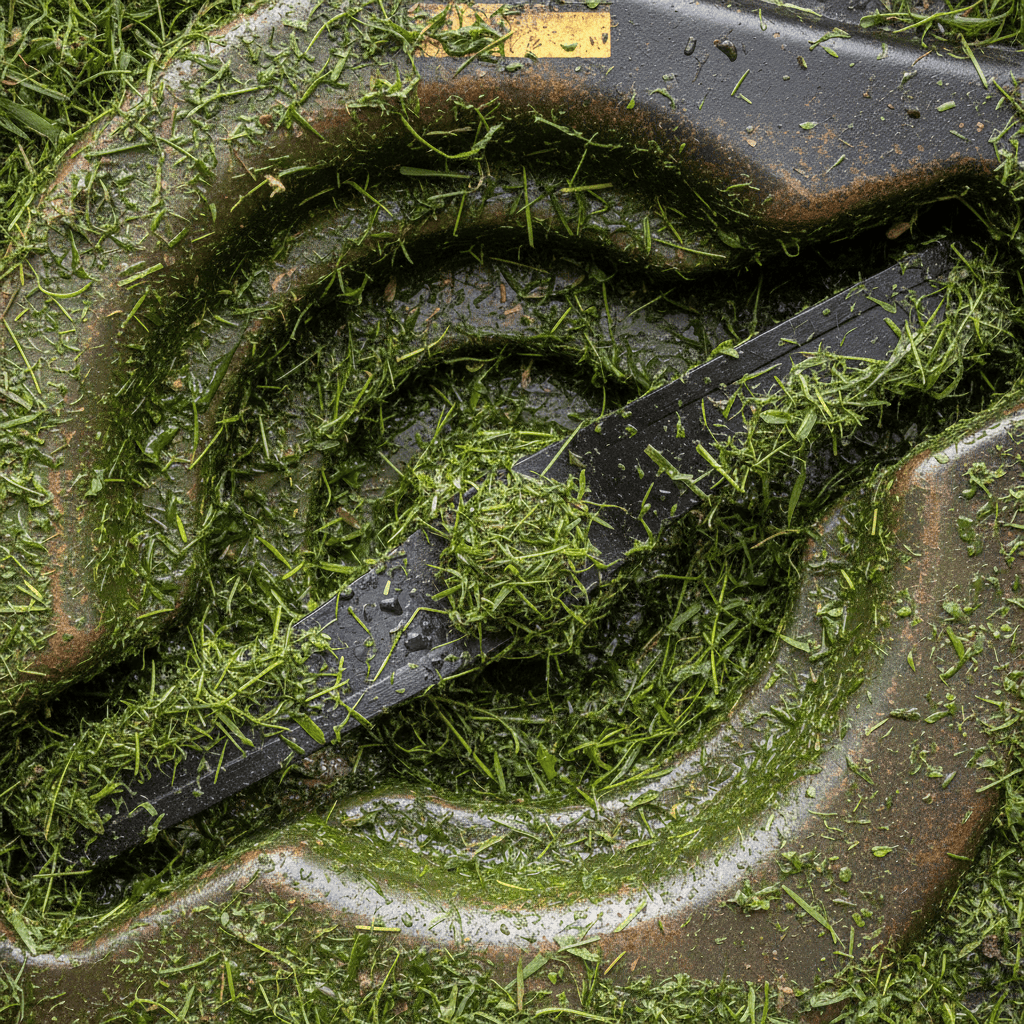
From a purely mechanical standpoint, a lawnmower will start and its blades will spin on wet grass. The engine or motor doesn’t distinguish between dry and wet blades of grass. However, the experience and results are vastly different. When you mow wet grass, the water adds weight and causes the clippings to stick together and to the mower’s deck. This immediately leads to the primary problems: clogging and poor cut quality. So, while it is possible, the process is inefficient and problematic.
Why Mowing a Wet Lawn Is Not Advisable: Key Risks
Understanding the specific risks helps explain why waiting for the lawn to dry is the best practice.
- Clogging and Clumping: Wet grass clippings are heavy and sticky. They adhere to the underside of the mower deck and the blades, forming thick clumps. This blocks the airflow needed to lift grass for a clean cut and to discharge or bag clippings, forcing the mower to work harder and often stalling it.
- Uneven and Poor Cut Quality: Clogged blades cannot cut efficiently. They tear and shred grass blades instead of making a clean slice. This results in a ragged, uneven appearance and can stress the grass, making it more susceptible to browning and disease.
- Safety Hazard (Slipping): Wet grass and soil are slippery. This is especially dangerous on slopes or uneven terrain, where you could lose your footing and fall into the mower’s path. The risk is heightened with heavy, gas-powered mowers.
- Soil Compaction: Saturated soil is soft and easily compressed. The weight of a lawnmower (especially a riding mower) presses down on the wet soil, compacting it. Compacted soil restricts the flow of air, water, and nutrients to grass roots, leading to poor lawn health over time.
- Spreading Fungal Disease: Many lawn diseases, like dollar spot or brown patch, are fungal. Mowing with wet, contaminated blades can physically spread fungal spores across your lawn, infecting new areas. The moisture from mowing also creates an ideal environment for fungi to thrive.
- Mower Maintenance Issues: The wet, acidic grass clippings left under the deck promote rust and corrosion on metal parts. It also makes cleanup more difficult and time-consuming.
When Might It Be Acceptable to Mow Wet Grass?
While not ideal, there are a few low-risk scenarios where mowing might be acceptable:
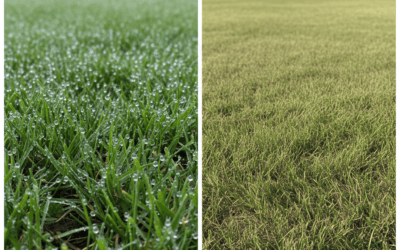
- Light Morning Dew: If the grass is only damp with dew, it will often dry within an hour of sunrise. This is the least risky wet condition, as the moisture is minimal and evaporates quickly.
- Light, Passing Drizzle: If a very light rain has just passed and the grass isn’t soaked, you might get away with mowing, provided you follow all precautions. The key is that the soil should not be saturated.
- Urgent Need with No Rain Forecast: If your grass is dangerously overgrown and no dry days are in the forecast for a week or more, the risk of not mowing (pests, disease from overgrowth) might outweigh the risks of mowing wet. In this case, proceed with extreme caution and all recommended precautions.
A good rule of thumb: If you leave a footprint and it stays compressed or water pools in it, the soil is too wet to mow safely without causing compaction.
Precautions: How to Mow Wet Grass Safely If You Must
If you have determined that mowing is necessary, follow these steps to minimize damage and risk:
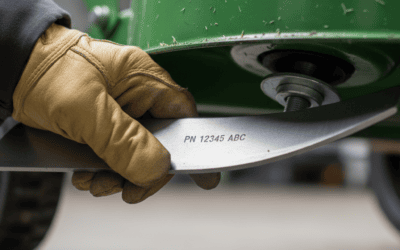
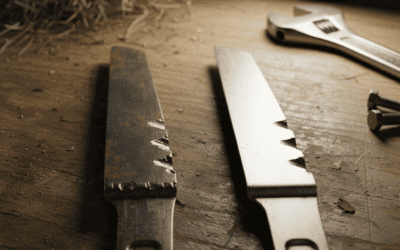
- Use a Sharp Blade: A dull blade will tear wet grass even more. A sharp blade makes a cleaner cut, which is healthier for the grass and slightly reduces clumping.
- Raise the Mower Deck: Set your mower to a higher cutting height. This removes less grass at once, reducing the volume of clippings the mower has to process and decreasing the chance of clogging.
- Mow Slowly: Reduce your walking or driving speed. This gives the mower more time to process the wet grass and helps prevent clumps from forming.
- Mow in Overlapping Passes: Make slightly overlapping passes to ensure an even cut, as wet grass may not stand up as straight.
- Avoid Turning on the Lawn: Make your turns on a hard surface like a driveway or sidewalk to avoid tearing up the wet turf and creating ruts.
- Empty the Bag Frequently: If using a bagger, empty it often. Wet clippings are heavy and will fill the bag quickly, which can strain the mower and lead to more clogging.
- Clean the Mower Immediately After: This is critical. Use a hose, putty knife, or specialized tool to remove all wet grass from the underside of the deck, the blades, and the wheels. Let the mower dry completely before storing it to prevent rust.
Post-Mowing Care After Cutting Wet Grass
After you’ve finished, your work isn’t quite done. The wet clippings left on the lawn can also cause issues:
- Rake or Blow Clumps: Use a rake or leaf blower to break up and disperse any large clumps of wet clippings left on the lawn. Thick clumps can smother the grass underneath, blocking sunlight and trapping moisture, which can lead to yellowing or disease.
- Check for Disease: Monitor your lawn for signs of fungal disease in the following days, as mowing wet can increase the risk.
- Aerate Later: If you suspect compaction occurred, plan to core aerate your lawn during the next growing season to relieve the soil.
Frequently Asked Questions
Is it okay to mow wet grass with an electric or battery-powered mower?
The same risks of clogging, poor cut quality, and lawn damage apply to electric mowers. Additionally, while modern electric mowers are well-sealed, using any electrical device in wet conditions carries a heightened safety risk. It’s best to avoid mowing with any mower when the grass is significantly wet.
How long should I wait to mow after it rains?
A general guideline is to wait at least 24 hours after rainfall before mowing. However, this depends on the amount of rain, soil type, and weather conditions. The lawn should be dry to the touch, and you should be able to walk on it without leaving deep footprints or seeing water seep up.
Can mowing wet grass damage my mower?
Yes. The wet, acidic clippings can accelerate rust and corrosion on the mower deck and other metal components. The added strain from clogging can also put extra stress on the engine or motor over time. Thorough cleaning after each use is essential.
What if I only have morning dew to deal with?
Morning dew is the least problematic form of moisture. If you can wait an hour or two after sunrise, the dew will typically evaporate, making it safe to mow. If you must mow immediately, the risks are low, but following the precautions (sharp blade, slow speed) is still wise.