Can You Mow Wet Grass? A Direct Answer
Yes, you can physically mow grass when it is wet, but it is not recommended. Mowing a wet lawn causes uneven cuts, clumped clippings, soil compaction and ruts, increased turf damage and disease spread, mower clogging and rust, plus safety hazards including slipping and electric shock risk on electric mowers. The best practice is to wait until the grass is dry—typically 2–4 hours after light rain or up to a full day after heavy rain, depending on weather conditions and soil type.
This guide explains why wet mowing is risky, when it might be unavoidable, and how to do it more safely if you have no choice.
Why Mowing a Wet Lawn Is Risky
Poor Cut Quality and Uneven Grass
Wet grass blades bend and clump together, making it nearly impossible for your mower blade to cut them cleanly. Instead of a sharp, even cut, you get ragged, torn edges that can be up to 1–2 inches taller in some spots than others. This uneven appearance looks unprofessional and stresses the grass plant, as torn leaf tissue is more prone to disease infection and slower healing.
Clumped Clippings and Mower Clogging
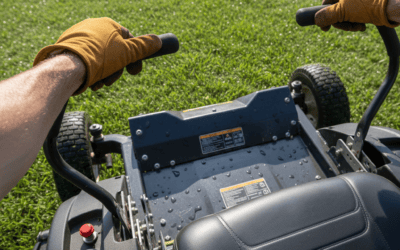
Wet grass clippings stick together and ball up inside the mower deck, clogging the chute and preventing proper discharge. This buildup reduces mowing efficiency, forces you to stop frequently to clear the deck, and can damage the mower’s internal components. The wet clippings also mat down on the lawn surface, smothering the grass underneath and creating dead patches.
Soil Compaction and Ruts
Wet soil is soft and easily compressed. When you push or ride a mower over saturated ground, the weight of the machine sinks into the soil, creating visible ruts and compacting the earth. This compaction reduces soil porosity, restricts root growth, and can damage the turf for weeks or even months. Clay soils are especially vulnerable to this damage because they retain water longer and compact more easily than sandy or loamy soils.
Increased Turf Damage and Stress
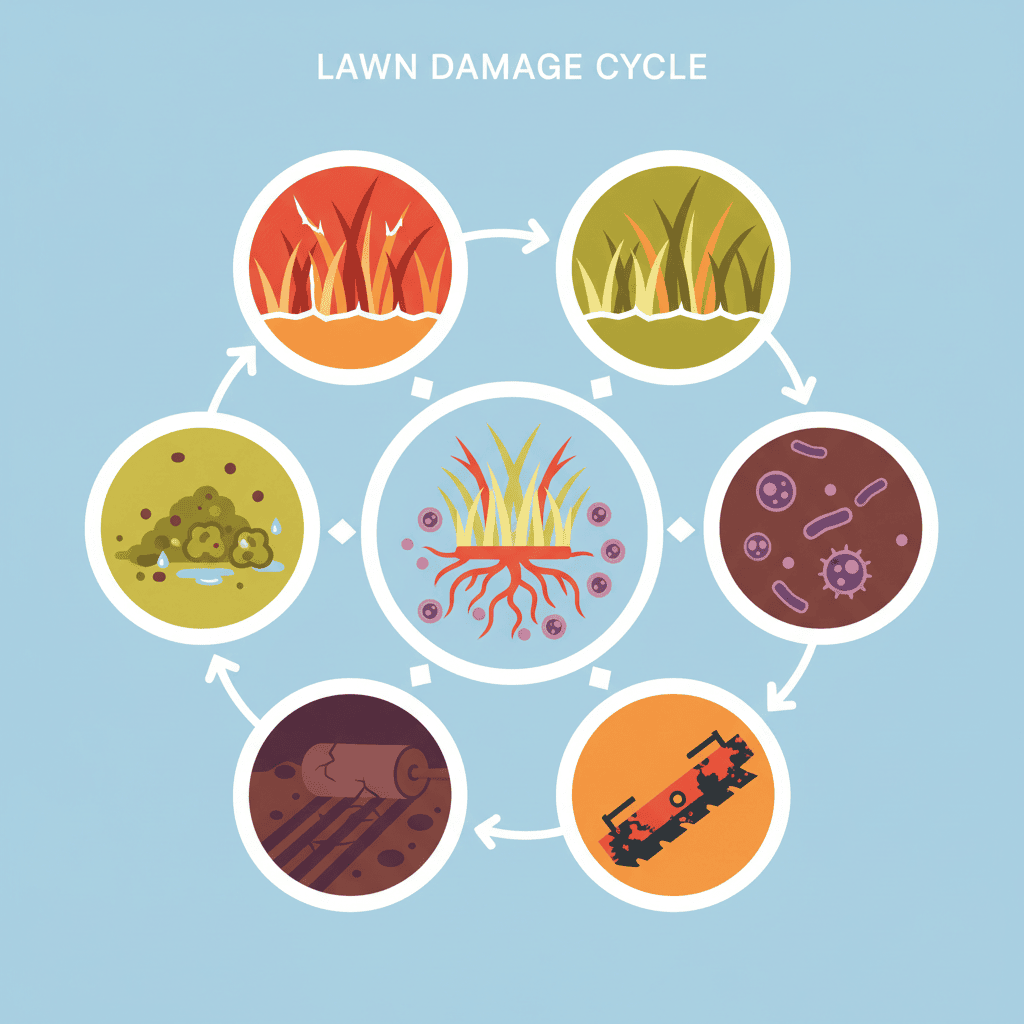
The combination of wet conditions, poor cutting, and soil compaction stresses the grass plant. Wet mowing can tear roots, damage the crown of the grass plant, and leave the lawn more susceptible to disease, insect damage, and weed invasion. Young turf and newly seeded lawns are particularly vulnerable to wet-mowing damage.
Spread of Lawn Diseases
Wet conditions and wet mower blades create an ideal environment for fungal and bacterial lawn diseases such as brown patch, dollar spot, and leaf spot. When you mow wet grass, you transfer disease spores from one part of the lawn to another on your mower blade, effectively spreading infection throughout your yard. Cleaning the mower blade between passes or sections is impractical and rarely done by homeowners.
Mower Rust, Corrosion, and Blade Dulling
Wet grass and moisture left on the mower deck cause rust and corrosion on metal parts, especially the underside of the deck where clippings accumulate. Wet clippings also dull mower blades faster than dry clippings, requiring more frequent sharpening. A dull blade tears grass instead of cutting it, compounding the poor cut quality problem.
Safety Hazards: Slipping and Electric Shock
Wet grass is slippery, increasing the risk of falls and loss of footing, especially on slopes or uneven terrain. For electric mowers, wet conditions significantly increase the risk of electric shock if the mower comes into contact with water or wet skin. Gas mowers are safer in this regard but still pose slip-and-fall risks.
Key Factors to Consider Before Mowing Wet Grass
Degree of Wetness Matters
Not all wet conditions are equal. Light morning dew or a brief drizzle is far less damaging than mowing immediately after a heavy rain or when the ground is saturated. Light dew may be acceptable in some cases, but soaked grass and waterlogged soil should always be avoided.
Mower Type: Electric vs. Gas
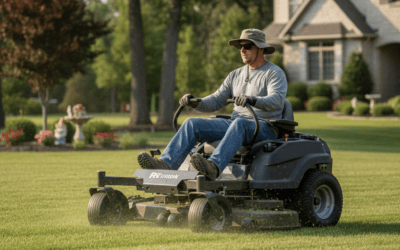
Electric mowers carry a specific shock hazard on wet grass and should never be used in wet conditions. Gas mowers avoid the shock risk but still suffer from clogging, rust, and blade dulling. Walk-behind mowers are safer on slopes than riding mowers, which can slip more easily on wet terrain.
Soil Type and Drainage
Sandy and loamy soils drain quickly and compact less easily than clay soils. If your lawn has poor drainage or clay-heavy soil, wet mowing is even more damaging because the ground stays saturated longer and compacts more severely. Well-draining soils recover faster from compaction.
Lawn Age and Condition
Established, mature lawns are more resilient to wet mowing than young turf or newly seeded areas. If you have a new lawn or recently overseeded, avoid wet mowing entirely until the grass is well established.
Slope and Terrain
Mowing on slopes or uneven terrain when wet is more dangerous than mowing on flat ground because the risk of slipping and losing control is much higher.
When Mowing Wet Grass Might Be Acceptable
Light Dew Only
If your lawn has only light morning dew and the soil is dry underneath, mowing may be acceptable as a last resort. However, this is a gray area—if you can wait a few hours for the dew to evaporate, you should.
Urgent Necessity
In rare cases, you might be forced to mow wet grass: a sudden change in weather, an upcoming event, or a lawn that grows so quickly that delaying mowing causes worse problems (such as scalping or excessive clippings). In these situations, follow the safety and technique guidelines below to minimize damage.
Certain Grass Types
Some hardy, drought-tolerant grass species (such as Bermuda grass in warm climates) tolerate wet mowing slightly better than fine fescues or bentgrass, but this does not mean wet mowing is recommended for any grass type.
How to Mow Wet Grass Safely If You Must
Use a Sharp Blade
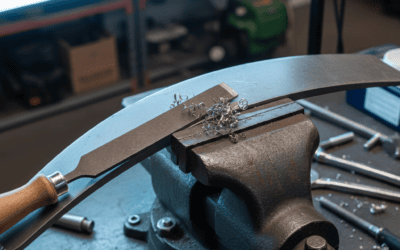
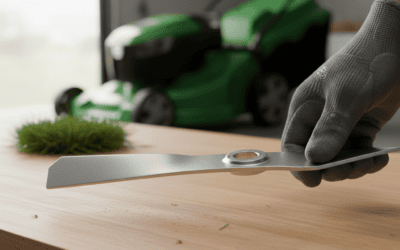
A sharp blade cuts more cleanly than a dull one, reducing tear damage on wet grass. Sharpen your blade before mowing wet grass, and consider sharpening it again immediately after if you mow a large area.
Raise the Deck Height
Set your mower deck to the highest recommended cutting height for your grass type. This reduces the stress on the grass plant and makes it less likely that you will scalp bare spots. A higher cut also allows the grass to dry faster after mowing.
Mow Slowly
Slow your walking pace or reduce your riding mower speed to give the blade more time to cut and reduce the force pushing the mower into the soft, wet soil. Rushing increases compaction and clogging.
Clear Clippings Frequently
Stop every few passes to manually clear wet clippings from the mower deck and chute. Use a stick or your hand (with the engine off) to remove buildup. Do not let clippings accumulate, as this increases clogging and rust.
Avoid Overlapping Passes
Mow in a pattern that avoids driving over the same spot twice, which increases compaction. Straight lines or a spiral pattern work better than random paths.
Clean and Dry the Mower Immediately After
After mowing, disconnect the spark plug wire (gas mower) or unplug the mower (electric), and use a stick or brush to scrape wet clippings and debris from the underside of the deck. Hose down the deck if needed, then allow the mower to dry completely in the sun before storing it. This prevents rust and corrosion.
Wear Appropriate Safety Gear
Wear slip-resistant shoes or boots with good traction, and avoid loose clothing that could catch on the mower. Do not use electric mowers on wet grass under any circumstances.
How Long Should You Wait After Rain to Mow?
General Drying Timeline
In ideal conditions (sunny, warm, windy), grass typically dries enough to mow in 2–4 hours after light to moderate rain. After heavy rain or in cool, humid conditions, allow 12–24 hours or longer. Clay soils and poorly draining lawns may require a full day or more to dry adequately.
Factors That Speed Up Drying
- Sunlight: Direct sun evaporates moisture quickly.
- Wind: Breezy conditions dry grass faster than calm days.
- Temperature: Warm weather accelerates evaporation; cool mornings take longer.
- Soil type: Sandy and loamy soils drain faster than clay.
- Lawn slope: Sloped lawns drain and dry faster than flat areas.
How to Test If Your Lawn Is Dry Enough
Walk across your lawn and observe whether water or moisture comes up around your shoes. If the grass feels wet or water beads form on your shoes, the lawn is too wet. If the grass feels dry to the touch and no moisture appears when you walk, mowing is safe. Another test: run your hand over the grass. If it leaves a wet mark on your palm, wait longer.
Frequently Asked Questions
Is it safe to mow grass with dew on it?
Light morning dew is generally safer than mowing after rain, but ideally you should wait for the dew to evaporate (usually 1–2 hours after sunrise on a sunny day). If the grass is only slightly damp and the soil is dry, mowing may be acceptable, but the safest approach is to wait until the lawn is completely dry.
Can wet mowing kill my lawn?
Wet mowing alone is unlikely to kill an established lawn, but repeated wet mowing or mowing a wet, newly seeded lawn can cause significant damage, including bare patches, disease, and delayed recovery. The cumulative effect of compaction, poor cuts, and disease spread can seriously degrade lawn health over time.
How often should I sharpen my mower blade if I mow wet grass?
If you must mow wet grass occasionally, sharpen your blade every 20–25 hours of use instead of the standard 40–50 hours. Wet clippings dull blades faster than dry clippings. For frequent wet mowing (which is not recommended), sharpen even more often or consider having a second blade to swap out.
Can I use a mulching mower on wet grass?
Mulching mowers are even more prone to clogging on wet grass because they chop clippings finely and recirculate them under the deck. Avoid mulching on wet grass; use a bagging mower if you must mow wet, and empty the bag frequently as it will fill quickly with wet clippings.