
Direct Answer
To mow a lawn with a riding mower, start by clearing debris from the lawn and performing safety checks on the equipment. Mount the mower, adjust the cutting deck to the appropriate height for your grass type, start the engine, and engage the cutting deck. Mow in straight, overlapping passes at a steady speed, turn carefully at edges, then disengage the deck and return the mower to storage after cleaning.
Before You Start: Pre-Mowing Preparation
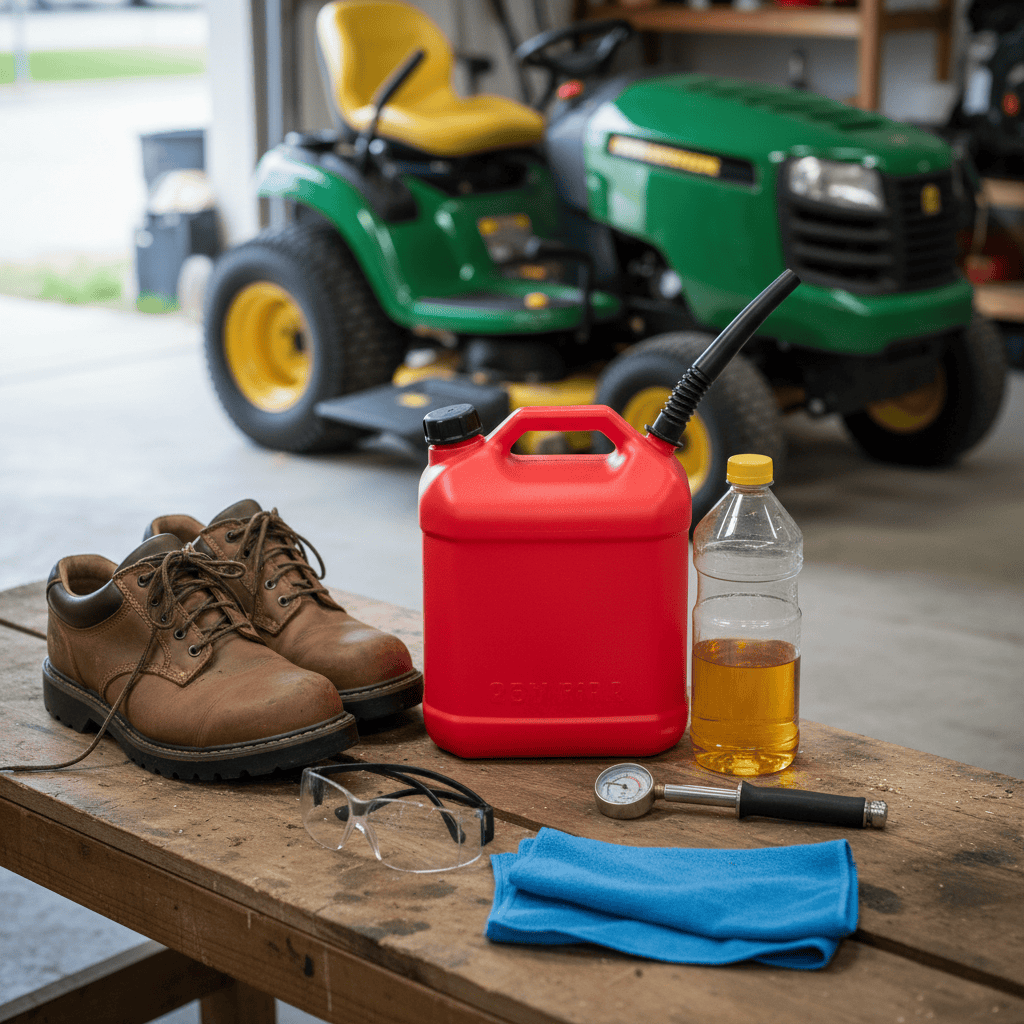
Proper preparation ensures safe and effective mowing. Before you mount your riding mower, walk your lawn and remove objects that could damage the blade or become projectiles, including sticks, stones, toys, and debris. Check that the mower has adequate fuel and oil levels according to your equipment manual.
Inspect the mower’s tires for proper inflation, under-inflated tires affect cutting quality and maneuverability. Examine the cutting blades for damage, dullness, or debris buildup. Clean any dried grass or mud from the cutting deck, as buildup reduces blade efficiency and can create uneven cutting. Check that all safety features function properly, including the seat switch, which disengages the blades if you leave the seat.
Verify that your mower’s battery is charged (if applicable), belts are intact, and there are no leaks under the equipment. Review your mower’s manual if you’re unfamiliar with the specific model. Wear appropriate protective gear: closed-toe shoes with good traction, long pants, eye protection, and hearing protection if the engine is particularly loud.
Understanding Your Riding Mower Controls
Familiarize yourself with the key controls before starting. The ignition switch starts and stops the engine, typically located on the dashboard. The throttle controls engine speed and is usually found near the steering wheel. The blade engagement lever or button engages and disengages the cutting blades, never operate with the deck engaged while parked or near bystanders.
The cutting height adjustment controls how short the grass is cut. Most riding mowers have levers on each side of the deck or a single central adjustment. Lower settings (1.5 to 2 inches) suit well-maintained lawns, while higher settings (2.5 to 3.5 inches) protect grass during stress or hot weather. The steering wheel or steering controls maneuver the mower, which typically responds more slowly than a car due to the mower’s weight and design.
Locate the parking brake or pedal, used when you stop the mower or leave the seat. The forward and reverse controls (typically a transmission lever or hydrostatic pedals) regulate direction and speed. Understanding these controls reduces the risk of accidents and improves mowing efficiency.
Step-by-Step Mowing Process
Mounting and Starting
Approach the mower from the side and use handholds to mount the seat. Ensure the cutting deck is disengaged before starting. Insert the key into the ignition or press the start button. Some mowers require you to be seated and have your foot on the brake. Let the engine warm up for 30 seconds to a minute before engaging the cutting deck.
Setting Your Mowing Pattern
Begin mowing by moving slowly and evenly across the lawn. The most efficient pattern is to mow in straight, parallel passes with slight overlaps to avoid missing strips of grass. Start around the perimeter of your lawn, then work inward in concentric rectangles. This approach prevents you from tracking cut grass back onto uncut areas. To evaluate matched hardware tolerances, consult our detailed overview of z890 vs x870e motherboard.
For rectangular lawns, mow in straight lines from one end to the other, turning at the ends and slightly overlapping each pass. For irregular or curved lawns, adjust your route to maintain consistent cutting and minimize sharp turns. Consistent speed and pressure on the steering controls produce even, professional-looking results.
Handling Turns and Edges
Slow your forward speed before turning to preventrf damage and maintain control. Make gradual turns rather than sharp angles when possible. At lawn edges near flower beds, sidewalks, or driveways, reduce speed and carefully maneuver the mower to avoid damaging bordering plants or structures. Some mowers allow you to disengage one side of the cutting deck for edge triming, though you may still need hand tools for tight corners. When planning workspace deployment, consider the engineering criteria outlined in our marshall stanmore iii vs harman kardon onyx studio 8 guide.
Mowing Speed
Operate at a speed that allows the blades to cut grass cleanly without tearing. This varies by grass type and mower horsepower but typically ranges from 3 to 5 miles per hour. Moving too quickly prevents clean cutting and may leave longer, ragged grass. Moving too slowly is inefficient and can cause grass to clump. Adjust your speed based on grass density and condition.
Mowing Height and Lawn Conditions
Cutting height directly affects lawn health and appearance. Cool-season grasses (fescue, bluegrass) typically thrive at 2.5 to 3.5 inches, while warm-season grasses (bermuda, zoysia) prefer 1 to 2 inches. Never cut more than one-third of the blade length in a single mowing, as this stresses the grass and increases disease susceptibility. If your lawn has grown tall, mow it at a higher setting first, then lower the deck for a second pass a few days later.
Wet grass is more difficult to cut cleanly and can clog the mower deck. Ideally, mow when the grass is dry, typically late morning or afternoon afterdew has dried. Wet mowing can result in uneven cutting, clumping, and increased wear on the mower. However, if necessary, mow at a slower speed and check the deck frequently for buildup.
Changing your mowing direction each week prevents soil compaction patterns and promotes even, healthy growth. Alternate between mowing north-south one week and east-west the next. This practice also reduces wear on the mower’s tires and improves the lawn’s appearance.
Safety Considerations
Riding mower safety is paramount. Never operate the mower if you are tired, ill, or under the influence of alcohol or medications that impair judgment. Remove or secure loose clothing, and tie back long hair to prevent entanglement with moving parts.
Keep children and pets away from the mowing area. Stop the engine immediately if someone approaches or enters the mowing zone. Never reach under the deck or into the discharge chute while the engine is running, even if the blade appears stopped, residual blade movement can cause severe injury.
Be especially cautious on slopes. Mow across slopes rather than up and down to prevent rollover accidents. If your lawn has steep grades, consider whether a riding mower is appropriate for that terrain, or hire a professional.
Always ensure the seat switch functions properly, this safety feature stops the blades if you leave the seat unexpectedly. Test it before mowing. Never operate the mower in reverse without looking behind you, and slow down significantly when backing up. Avoid mowing in heavy rain or lightning conditions, as wet grass increases slipping risk and electrical hazards.
Post-Mowing Maintenance
After finishing, disengage the cutting deck and slow the engine to idle. Drive the mower to a flat, safe storage area. Turn off the engine and allow it to cool for a few minutes before performing any maintenance.
Clean the cutting deck by tilting the mower slightly (if safe to do so) or using compressed air to remove dried grass and debris. A clean deck improves blade efficiency and prevents rust. Wipe down the exterior of the mower with a dry cloth.
Check the oil level weekly and change it according to your manual’s schedule, typically every 50 hours of operation or seasonally. Inspect the air filter monthly and replace it if it appears clogged. Sharpen or replace cutting blades annually or after hitting hard objects. Dull blades produce ragged cuts that stress grass and increase disease risk.
Store your mower in a dry location, protected from the elements. If storing for winter, drain fuel or ad fuel stabilizer, disconnect the battery, and cover the mower. Check tire pressure before the next season and inspect for any damage during off-season storage.
Frequently Asked Questions About How To Mow A Lawn With A Riding Mower
What cutting height should I use for my specific grass type?
Cutting height depends on your grass species and climate. Cool-season grasses (Kentucky bluegrass, perennial ryegrass, tall fescue) thrive at 2.5 to 3.5 inches. Warm-season grasses (Bermuda grass, Zoysia, St. Augustine) prefer 1 to 2.5 inches. Check your grass type with your local extension office if unsure. Most lawns benefit from cutting at the higher end of the recommended range to promote deeper roots and better drought tolerance.
How often should I mow my lawn?
Mow when the grass has grown about one-third taller than your target cutting height. This typically means mowing every 7to 10 days during the growing season in temperate climates, and weekly during peak growth periods in spring and early summer. Frequency varies based on rainfall, temperature, grass type, and fertilization. During slower growth periods in late summer or fall, mowing may be needed only every two weeks or less frequently.
Can I mow wet grass, and what happens if I do?
While not ideal, you can mow wet grass if necessary, but expect challenges. Wet grass clumps more easily, creating uneven cutting and patches of unmowed grass. The mower deck clogs more readily, requiring frequent stops for cleaning. Wet mowing also increases soil compaction and can damage the lawn. If possible, wait until the grass dries to achieve the best results, but light morningdew won’t typically prevent mowing.
What should I do if my mower cuts unevenly?
Uneven cutting usually results from dull or damaged blades, improper tire inflation, or an uneven deck. Inspect blades for damage and sharpen or replace them as needed. Check all four tire pressures and adjust to match the mower’s specifications. Verify that the cutting deck is level by measuring the height from the ground to the deck at multiple points. Some mowers have deck leveling screws for adjustment. If problems persist, consult your manual or a professional service technician.
Timing and Safety for Riding Mowers
Riding mowers handle large lawns well, but timing and terrain both shape how smooth each pass feels. The question of when should you mow a new lawn pairs well with this topic, since fresh growth can affect how a machine handles.
General safety guidance for riding equipment is available from American National Standards Institute (ANSI).