
Should You Sharpen New Mower Blades? The Direct Answer
New mower blades are typically sharpened at the factory and ready for use, soyou generally do not need to sharpen them before the first mow. However, you should inspect each new blade for dullness, nicks, or coating defects, and sharpen it only if needed, following the manufacturer’s guidelines. Over-sharpening a new blade can remove its protective coating and shorten its lifespan, so when in doubt, test the edge and consult the manual before making any changes.
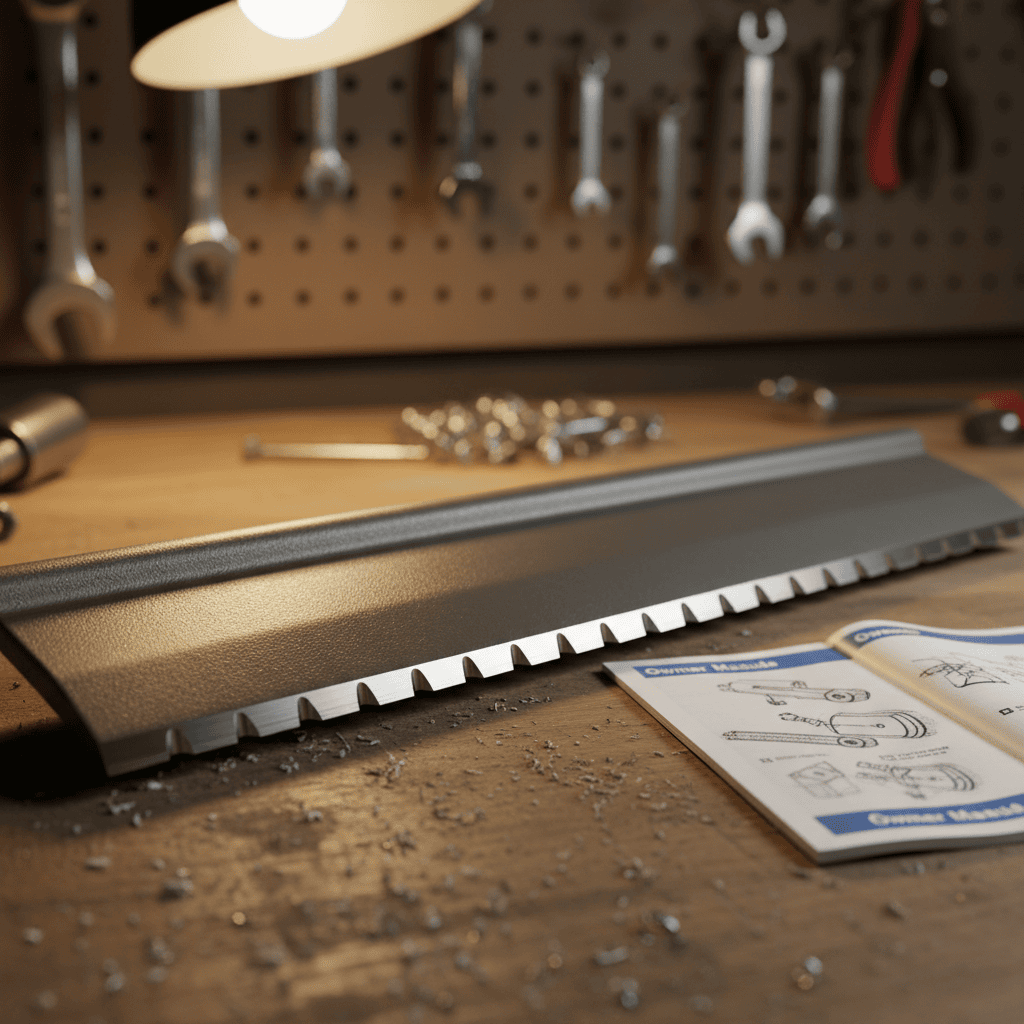
Understanding the Question: Are New Mower Blades Already Sharp?
This question often arises because homeowners are uncertain whether factory-supplied blades come ready to use or if additional preparation is required. The answer depends on distinguishing between two scenarios: blades that come installed on a new mower versus replacement blades purchased separately.
Factory-sharpened blades on new mowers are typically sharp and coated with a protective finish to prevent rust during storage and shipping. Replacement blades purchased as aftermarket parts may vary in sharpness depending on the manufacturer and storage conditions. Most reputable blade manufacturers sharpen blades to a factory edge before sale, but some economic options may have a slightly duller edge designed to remain safe during handling and shipping.
The distinction matters because installing a blade incorrectly or failing to inspect it for damage during shipment are more common causes of poor cutting performance than inadequate sharpness at the factory.
Key Factors to Consider Before Sharpening a New Blade
Warranty and Protective Coatings
Sharpening a new blade immediately after purchase may void the manufacturer’s warranty in some cases. Many manufacturers apply a rust-preventive coating to new blades, and grinding or filing the edge removes this protection. This coating serves a critical function: it extends blade life by preventing oxidation and corrosion during storage and early use.
When you sharpen a new blade, you expose uncoated metal that becomes vulnerable to rust, especially if the mower is stored outdoors or in a humid environment. This trade-off, removing protection for a marginally sharper edge, often works against long-term blade performance. To evaluate matched hardware tolerances, consult our detailed overview of z890 vs x870e motherboard.
Blade Material and Design Variations
Different mower blade materials respond differently to sharpening. Steel blades are forgiving and can be resharpened multiple times throughout their lifespan. High-carbon steel and specialty alloys used in premium blades may have specific sharpening angles and techniques recommended by the manufacturer. Using the wrong angle or sharpening method can weaken the blade or create an unsafe edge that vibrates or breaks during use.
Some newer blades feature hardened edges or wear-resistant coatings that are intentionally designed to last longer. Sharpening these blades prematurely negates the benefit of that design. When planning workspace deployment, consider the engineering criteria outlined in our marshall stanmore iii vs harman kardon onyx studio 8 guide.
Manufacturer Guidance and Testing
The safest approach is to follow the manufacturer’s recommendations in the mower manual or on the blade packaging. Most manuals advise inspecting blades for defects but do not recommend sharpening new blades before first use. If sharpening is mentioned, the manual will specify the correct angle, method, and any restrictions.
How to Inspect a New Mower Blade (Step-by-Step)
Before deciding whether to sharpen, perform a thorough inspection using these steps: For additional operational safety benchmarks, see our published testing notes on dyson v8 cyclone vs bissell featherweight stick.
Step 1: Visual Examination for Damage
- Place the blade on a flat, well-lit surface with the cutting edge facing you.
- Look for nicks, chips, or gouges along the cutting edge. Small manufacturing imperfections are normal; deep notches or missing sections indicate a defective blade that should be replaced, not sharpened.
- Check the blade body for cracks, warping, or bending. A warped blade will cause uneven cutting and should be replaced.
- Inspect the mounting holes and connectors for damage that may have occurred during shipping.
Step 2: Test the Edge Sharpness
- Lightly run your thumb perpendicular (not along) the cutting edge. A sharp factory edge will feel slightly sharp without drawing blood if done carefully.
- Compare the test blade to a blade you know is dull. The difference should be obvious.
- If the edge feels noticeably dull or rounded, note it for the next step.
Step 3: Check for Coating Damage
- Look closely at the blade surface for signs of rust, discoloration, or missing coating near the edge or mounting areas.
- Light surface discoloration is normal; heavy rust or obvious coating flaking indicates storage or handling damage.
- If the coating is compromised, sharpening is unnecessary, the blade should be replaced.
Step 4: Balance Assessment
- Hang the blade horizontally on a nail or balance pin through the center hole and observe if it tilts to one side.
- A balanced blade remains level. If it drops significantly to one side, the blade may be defective or damaged.
Decision Point: If the blade passes all inspections and the edge feels adequately sharp, install it as-is. If you discover nicks, rust, significant dullness, or balance issues, contact the supplier for a replacement before installation.
Step-by-Step Sharpening Guidance (When Needed)
If inspection reveals that sharpening is justified, follow this process to maintain safety and blade integrity: To compare alternative configurations, check our hands-on review of bissell crosswave hydrosteam vs shark stainforce.
Prepare Your Workspace
- Disconnect the mower spark plug wires to prevent accidental starting.
- Secure the blade in a bench vise using wood blocks to protect the blade surface.
- Wear cut-resistant gloves and eye protection.
- Use a well-lit workspace and have a file guide or angle gauge available.
Determine the Correct Sharpening Angle
Most mower blades require a sharpening angle of 30 to 45 degrees, with 35 degrees being typical for standard lawn mower blades. Check your manual for the exact specification. Using a file guide or angle gauge ensures consistency and prevents over-sharpening.
Sharpen One Side at a Time
- Mark one side of the blade clearly (e.g., with tape) to avoid confusion.
- Starting at the blade tip, file in one direction only (toward the edge, not back and forth), using5-10 smooth strokes per section.
- Work from the tip toward the center, maintaining consistent angle and pressure.
- Repeat on the opposite side of the blade, using the same number of strokes to maintain balance.
- Alternate sides if the blade has both edges sharpened (some designsdo, others only sharpen one side).
Check Balance After Sharpening
An unbalanced blade causes excessive vibration, damages the mower spindle, and increases injury risk. After sharpening:
- Hang the blade on a balance pin or nail and observe if it remains level.
- If one side dips, lightly sharpen the heavier side to remove weight until balanced.
- Recheck balance after each adjustment.
Safety Precautions During and After Sharpening
- Never sharpen a blade that is installed on the mower.
- Wear protective gloves rated for cut resistance when handling freshly sharpened blades.
- After sharpening, wipe the blade clean and apply a rust-preventive coating or light oil if the protective coating was removed.
- Allow time for any applied coating to dry before reinstalling the blade.
When Should You Sharpen vs. Replace a New Blade?
Replace if: The blade has visible cracks, deep gouges, or warping that cannot be corrected by sharpening. Defective new blades should be returned to the supplier under warranty rather than repaired.
Sharpen if: The blade is dull but structurally sound, with no cracks or warping, and the manufacturer allows sharpening as part of routine maintenance.
Leave as-is if: The blade is sharp, undamaged, and coated. Most new blades fall into this category and perform optimally without pre-use sharpening.
Ongoing Blade Maintenance and Sharpening Frequency
After the first mow, establish a sharpening schedule to maintain optimal cutting performance:
Sharpening Frequency
Mower blades should generally be sharpened every 20to 25 hours of mowing, or approximately every 4 to 6 weeks during the cutting season for average homeowners. Frequent sharpening prevents the blade from becoming severely dull, which reduces stress on the mower engine and delivers cleaner cuts to the grass.
Signs a Blade Needs Sharpening
- The mower leaves a jagged or torn grass edge instead of a clean cut.
- Cut grass turns brown or gray at the tips within a few days (torn tissue is more vulnerable to disease).
- The mower vibrates noticeably, especially at higher blade speeds.
- The engine works harder than normal to maintain speed.
Extend Blade Life With These Habits
- Clear the lawn before mowing: Remove stones, sticks, and debris that candull or damage blades on contact.
- Inspect blades regularly: Check for damage weekly during the cutting season.
- Maintain blade balance: An unbalanced blade wears unevenly and fails prematurely.
- Store blades properly: Keep replacement blades in a dry location to prevent rust.
- Use the correct blade for the mower: Installing the wrong blade can cause vibration and accelerated wear.
Why Blade Condition Matters for Lawn Health
A sharp blade cuts grass cleanly, sealing the cut tissue and promoting healing. A dull blade tears grass fibers, creating ragged edges that expose the plant to disease and stress. These torn tips turn brown within days, making the lawn appear unhealthy even if the turf is thriving. Regular sharpening, whether of new blades or maintained blades, directly supports lawn appearance and resilience.
Everything You Need to Know: Should You Sharpen New Mower Blades FAQ
Q: Will sharpening a new blade void my mower warranty?
A: Check your mower’s warranty document and manual. Most warranties do not cover blade maintenance when performed correctly according to manufacturer guidelines. However, if sharpening causes damage or if you sharpen incorrectly, warranty coverage may be affected. When in doubt, contact the manufacturer before sharpening a new blade.
Q: How can I tell if a new blade is actually sharp or just coated?
A: A sharp factory edge will feel noticeably sharper than a dull blade when you carefully run your thumb perpendicular (not along) the edge. You can also compare new blade side-by-side with an older, visibly dull blade to see the difference. If the new blade passes the cutting test and feels sharp, it is ready to use.
Q: Can I use angle grinder to sharpen a new mower blade?
A: Angle grinders work but require skill to maintain the correct angle and avoid removing too much metal or creating an unsafe edge. A handheld file or mill bastard file is safer for most homeowners because it removes less material and allows finer control. If you use an angle grinder, wear eye and face protection, secure the blade firmly, and maintain the manufacturer’s recommended angle throughout.
Q: What should I do if I accidentally sharpen a new blade unevenly?
A: Stop sharpening immediately and check the balance. If one side is now heavier, carefully sharpen the opposite side with an equal number of strokes to rebalance it. If the blade feels unsafe or remains unbalanced after correction, replace it rather than risk injury or equipment damage from vibration.
Key Takeaways
- New mower blades are typically factory-sharpened and ready to use without additional sharpening.
- Always inspect new blades for nicks, dullness, rust, or coating damage before installation.
- Sharpening a new blade may remove its protective coating and void warranty coverage, check manufacturer guidelines first.
- If sharpening is necessary, maintain the correct angle (typically 30-45 degrees), keep the blade balanced, and follow safety precautions.
- Establish a regular sharpening schedule (every 20-25 hours of use) to maintain cutting performance and lawn health throughout the season.
- Replace defective new blades rather than attempt to repair them; warranty coverage usually applies to factory defects.
Related Maintenance and Operating Guides
To keep your equipment running at peak operating efficiency, explore our related technical walkthroughs and maintenance tutorials:
- Consult our detailed breakdown on residential zero-turn lawn mower guide.
Safety Context for Blade Care
New blades arrive sharp, yet handling them still means watching for cuts and keeping the mower switched off during any work. For general background on servicing outdoor equipment, consider American National Standards Institute (ANSI).