Quick Answer
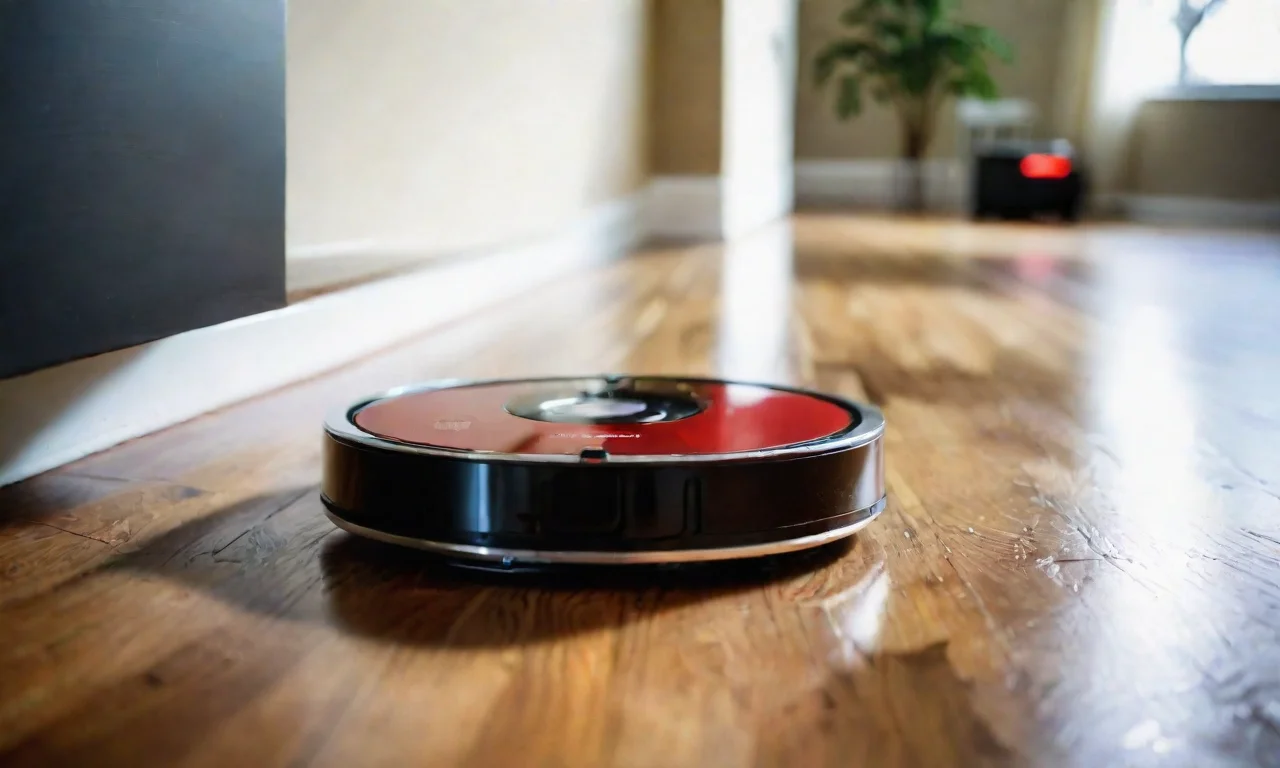
Yes, you can vacuum hardwood floors, but use a hard floor setting, turn off the beater bar, and choose soft bristles or a hard floor attachment to protect the finish. Vacuuming often beats sweeping because it removes fine dust and allergens more effectively. Using the wrong vacuum or settings can cause scratches and dullness.

Pros
- Exceptional suction power that rivals many corded upright vacuums.
- Real-time battery countdown on the LCD screen eliminates low-battery anxiety.
- Highly effective de-tangling technology prevents hair-wrap maintenance.
- Point-and-shoot hygienic bin emptying mechanism keeps your hands clean.
Cons
- At 6.6 pounds, the unit can feel slightly heavy during extended overhead cleaning.
- The compact 0.2-gallon dustbin requires more frequent emptying during whole-house sessions.
- Does not include the laser dust-illumination feature found on higher-tier models.
The Dyson V11 Origin Cordless Vacuum is engineered for homeowners who need heavy-duty cleaning power without the restriction of a cord. Specifically optimized for homes with pets, this versatile stick vacuum bridges the gap between lightweight convenience and deep-cleaning performance. If you struggle with stubborn pet hair on carpets or fine dust on hard floors, this vacuum is designed to handle those challenges daily.
Standout Features and Real-World Performance
At the heart of this machine is the Dyson Hyperdymium motor, which delivers 185 air watts of suction power. In real-world testing, this translates to effortless debris pickup on both thick rugs and hardwood floors. The de-tangling Motorbar cleaner head uses specialized hair removal vanes to automatically clear wrapped pet hair from the brush bar as you vacuum, eliminating the tedious chore of cutting hair away manually. Additionally, the specialized Hair screw tool uses an anti-tangle conical brush bar to lift pet hair off upholstery and stairs without clogging.
Design, Build Quality, and Usability
Dyson's engineering shines in the V11's user-centric design. The integrated LCD screen provides real-time feedback, showing your selected power mode, maintenance alerts, and a countdown of the remaining battery life to the very second. This feature eliminates battery anxiety entirely. Converting the unit into a handheld vacuum takes just one click, making it easy to transition from high ceilings to tight car interiors. The whole-machine filtration system is another highlight, capturing 99.99 percent of microscopic particles and expelling cleaner air back into your living space.
Considerations and Drawbacks
While the performance is top-tier, there are a couple of trade-offs to consider. Weighing in at 6.6 pounds, the vacuum can feel a bit heavy during prolonged overhead dusting. Additionally, the 0.2-gallon bin capacity is relatively compact, meaning you will need to empty it more frequently during large-scale deep cleans. It also lacks the advanced laser illumination found on some of Dyson's more expensive models.
The Verdict
The Dyson V11 Origin Cordless Vacuum is an exceptional cleaning tool that delivers on its promise of powerful, hassle-free deep cleaning. With its intelligent battery management, specialized pet tools, and robust filtration, it is a highly recommended investment for pet owners and busy households seeking a premium cordless vacuum experience.

Pros
- Lightweight and ergonomic design at only 5.6 pounds makes it easy to clean high-up spots.
- Excellent hair de-tangling performance with both the Motorbar and Hair screw tools.
- Advanced sealed filtration system is great for households with allergy sufferers.
- Converts quickly to handheld mode for maximum versatility.
Cons
- Run time is limited to about 5 minutes when using the intensive Max power mode.
- Requires a full charge before first use, and bin capacity is relatively small compared to larger upright vacuums.
If you are looking for a powerful yet lightweight cleaning solution, our Dyson V8 Plus Cordless Vacuum review highlights why this machine remains a top choice for busy households. Engineered specifically to tackle dirt, dust, and stubborn pet hair, this cordless stick vacuum offers the perfect balance of portability and deep-cleaning performance. It is an excellent match for pet owners and anyone dealing with long hair, thanks to its specialized anti-tangle technology.
Standout Performance and De-Tangling Technology
The defining feature of this vacuum is its Motorbar cleaner head, which uses polycarbonate hair removal vanes to automatically clear wrapped hair from the brush bar while you vacuum. Combined with the specialized Hair screw tool, which features an anti-tangle conical brush bar, this vacuum makes quick work of pet beds, stairs, and car upholstery. You get up to 40 minutes of fade-free power in everyday mode, though switching to Max mode for stubborn spots will reduce battery life significantly.
Ergonomic Design and Whole-Machine Filtration
Weighing only 5.6 pounds, the vacuum is exceptionally easy to maneuver. It quickly converts to a handheld unit with a single click, allowing you to reach tight spaces and high corners effortlessly. Allergy sufferers will also appreciate the advanced, whole-machine filtration system. By capturing 99.99% of microscopic particles as small as 0.3 microns, it ensures that dust and pet dander stay sealed inside the machine, expelling fresher air into your home.
The Verdict
While the compact bin capacity and the short 5-minute run time on Max mode are minor trade-offs, the overall performance, lightweight build, and hassle-free hair removal make it a standout appliance. If you want a reliable, high-performance cordless vacuum that simplifies pet hair cleanup, this model is a highly recommended investment for your home cleaning routine.

Pros
- Powerful motor provides deep cleaning performance on both carpets and hard floors
- Easy to switch between handheld and stick modes for versatile cleaning tasks
- Wall-mounted docking station keeps the vacuum charged and organized
- Advanced filtration captures allergens and fine dust, improving indoor air quality
Cons
- Battery runtime in maximum power mode is limited, which can interrupt cleaning large areas
- Smaller dust bin requires more frequent emptying in homes with heavy foot traffic or pets
The Dyson V8 Cordless Vacuum Cleaner is a solid choice for renters, apartment dwellers, or as a secondary quick-clean vacuum in larger homes. Its standout strength is the powerful suction and maneuverability that makes daily spot cleaning fast and effective. The main compromise is its battery life; while sufficient for most daily tasks, it may not last through a deep clean of a large, multi-story home on a single charge.
Brand: Dyson
Model: V8
Power Source: Cordless, Rechargeable Battery
Key Feature: Hygienic Bin Emptying
Versatility: Converts to Handheld
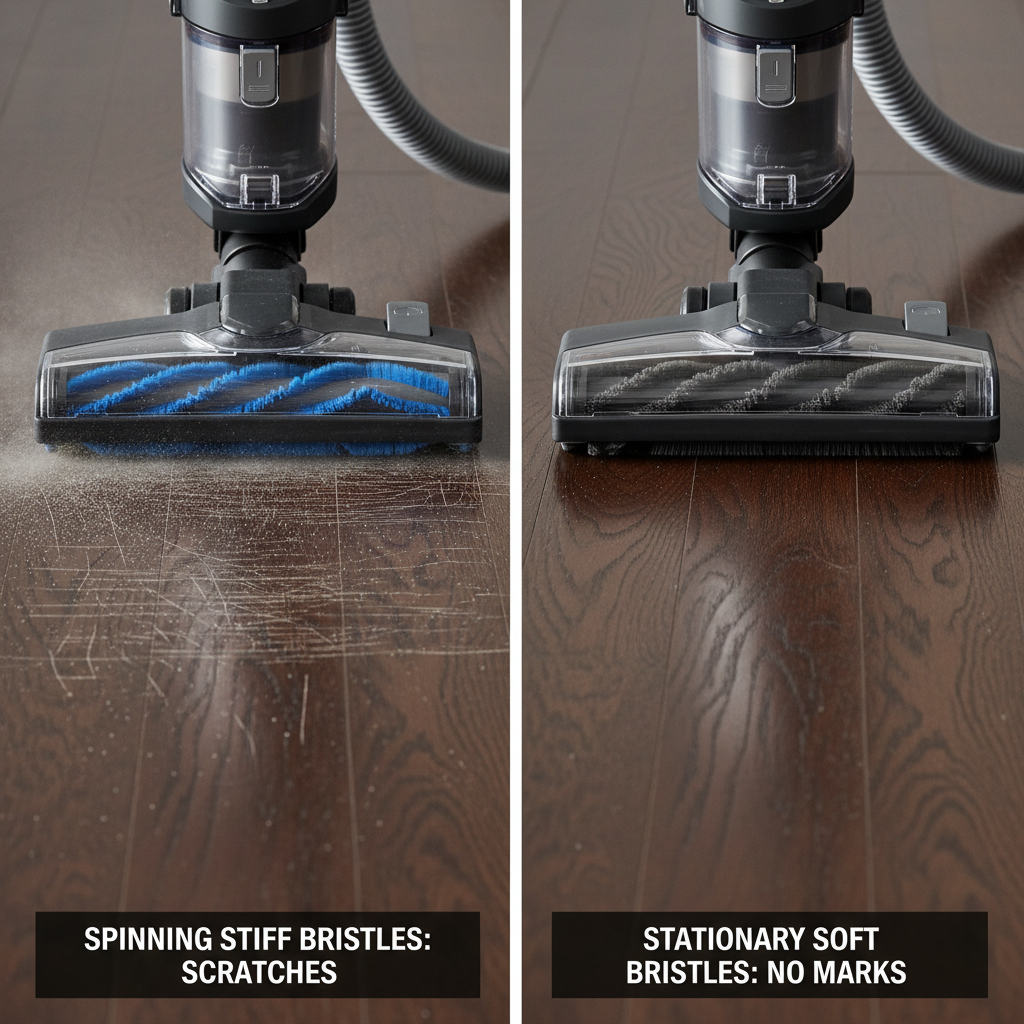
Should You Vacuum Hardwood Floors? Key Considerations
While you can vacuum hardwood floors, the question of whether you should depends on your specific situation and the equipment you have. Vacuuming offers significant advantages over traditional sweeping for hardwood care.
Advantages of Vacuuming Over Sweeping
- Superior Dust and Allergen Removal: A vacuum with strong suction captures fine dust, pet dander, and allergens that a broom often pushes around or leaves behind. This is crucial for indoor air quality.
- Efficiency: Vacuuming is generally faster and more thorough for large areas, especially for removing debris from corners and along baseboards.
- Prevents Gritty Damage: By lifting particles instead of pushing them, you reduce the risk of grit being ground into the floor’s finish by foot traffic.
When Vacuuming Might Be Less Suitable
- Very Delicate or Unfinished Floors: For extremely soft woods or floors with a delicate, hand-rubbed oil finish, a soft-bristle broom or dry microfiber mop might be safer. Always test in an inconspicuous area first.
- Presence of Large, Sharp Debris: If the floor has large, sharp objects (like broken glass), it’s safer to pick them up by hand first to avoid them being sucked into and damaging the vacuum.
How to Vacuum Hardwood Floors: A Step-by-Step Guide
Following the correct procedure is essential to clean effectively without causing harm.
Step 1: Choose the Right Vacuum
Not all vacuums are suitable. Look for models explicitly designed for hard floors or those with versatile settings. Key features include:
- Adjustable Height/Suction: Allows you to reduce suction power for delicate surfaces.
- Hard Floor Mode or Setting: A dedicated switch that typically disables the beater bar and may adjust suction.
- Soft, Non-Marring Wheels: Prevents the vacuum’s own wheels from scratching the floor.
Step 2: Prepare the Vacuum
Before starting, make these critical adjustments:
- Turn Off or Remove the Beater Bar: This is the most important step. The rotating brush is designed for carpet and will scratch and dull hardwood finishes.
- Attach the Correct Tool: Use a hard floor attachment with soft bristles or a microfiber pad. Avoid using the standard carpet head.
- Check for Debris: Ensure the vacuum’s brush roll and wheels are clean of any stuck-on grit that could scratch the floor.
Step 3: Vacuum with Care
- Use Gentle, Overlapping Passes: Push the vacuum slowly in straight lines, slightly overlapping each pass to ensure full coverage.
- Follow the Wood Grain: Vacuuming in the direction of the wood grain can help lift debris from the texture of the wood.
- Pay Attention to Edges: Use a crevice tool or the edge of the hard floor attachment to clean along baseboards and in corners.
Critical Vacuum Settings and Features for Hardwood
Understanding why specific settings are necessary helps prevent damage.
Why the Beater Bar Must Be Off
The beater bar (or brush roll) is a spinning cylinder with stiff bristles. Its purpose in carpet cleaning is to agitate fibers and loosen embedded dirt. On a hard surface, these stiff bristles act like a scrub brush, creating fine scratches in the protective finish (polyurethane, wax, etc.). Over time, this scratching dulls the floor’s appearance and can compromise the finish, making it more susceptible to stains and moisture.
What a ‘Hard Floor Setting’ Does
When you select the hard floor mode, a vacuum typically performs two key actions:
- Disengages the Beater Bar: It stops the brush roll from spinning.
- Adjusts Suction: It may lower the suction power to prevent the vacuum head from sealing too tightly to the floor, which can make it difficult to push and may pull on loose planks.
Common Mistakes to Avoid When Vacuuming Hardwood
Avoiding these errors will protect your investment. When planning workspace deployment, consider the engineering criteria outlined in our why is my robot vacuum not dispensing water guide.
- Using the Carpet Attachment: This is the primary cause of scratches. Always switch to a hard floor tool.
- Ignoring the Beater Bar: Even on a “hard floor” vacuum, double-check that the brush is not rotating.
- Skipping the Pre-Clean: Failing to remove large debris first can lead to it being dragged across the floor by the vacuum.
- Using Excessive Force: Pressing down too hard can cause the vacuum’s plastic edges or wheels to scratch the floor. Let the suction and the tool do the work.
- Forgetting Maintenance: A vacuum with a full canister or clogged filter has reduced suction and may scatter debris. Empty it and clean filters regularly.
Everything You Need to Know: Can You Vacuum Hardwood Floors FAQ
Can I use a Dyson or Shark vacuum on my hardwood floors?
Yes, most modern Dyson and Shark vacuums have hard floor settings or attachments designed for this purpose. However, you must ensure you are using the correct mode (often labeled “Hard Floor” or “Suction Only”) and the appropriate attachment, such as their soft roller cleaner head or a dedicated hard floor tool. Always check your model’s manual for specific instructions.
What is the best type of vacuum for hardwood floors?
The best vacuums for hardwood floors are typically canister vacuums or lightweight stick vacuums that come with a dedicated hard floor attachment featuring soft bristles or a microfiber pad. Upright vacuums can also work well if they have a clear hard floor setting that disables the beater bar and offer height adjustment. The key is versatility and the ability to turn off the brush roll. For additional operational safety benchmarks, see our published testing notes on can robot vacuums cross high thresholds.
How often should I vacuum my hardwood floors?
A general recommendation is to vacuum high-traffic areas (like hallways and living rooms) 2-3 times per week. Less-trafficked areas can be vacuumed once a week. The frequency may increase if you have pets, children, or live in a dusty environment. The goal is to remove abrasive grit before it can be ground into the finish.
Will vacuuming scratch my hardwood floors?
It can, but only if done incorrectly. The primary risk comes from using a vacuum with a spinning beater bar or stiff bristles. By using a vacuum with the beater bar turned off and a soft-bristle attachment, you eliminate the main cause of scratching and can safely clean your floors. To compare alternative configurations, check our hands-on review of robot vacuum not connecting to wifi.
Related Maintenance and Operating Guides
To keep your equipment running at peak operating efficiency, explore our related technical walkthroughs and maintenance tutorials:
- Consult our detailed breakdown on robotic pool cleaner comparison guide.
Floor Care Safety Background
Stiff brushes and grit can scratch hard floors, so choose a soft roller and clear debris first. Keep water away from the vacuum and its plug. For general safety information on household electrical equipment, see International Electrotechnical Commission (IEC).