Quick Answer: How Much Does Zero Turn Lawn Mower Cost?
Zero turn lawn mowers typically cost between $3,000 and $15,000+, depending on deck width, engine power, brand, and new versus used condition. Entry-level residential models start around $3,000-$5,000, mid-range machines cost $5,000-$10,000, and premium or commercial-grade equipment runs $10,000-$15,000 or higher. Most homeowners spend $4,000-$8,000 for a quality residential zero turn mower.

Pros
- Commercial-grade electric performance with instant torque and no gas engine maintenance.
- Large included battery package and fast charger improve runtime and turnaround time.
- Heavy-duty 54-inch fabricated deck is built for durability and wider coverage per pass.
- Comfort-focused operator features are better than many basic riding mowers in this class.
- Backed by a 4-year limited warranty for added purchase confidence.
Cons
- At 848.78 pounds, it is very heavy and will be difficult to move manually or transport without proper equipment.
- The large footprint, with dimensions of 76.77 x 73.23 x 56.3 inches, requires substantial storage space.
- The premium feature set and battery system may be more than many small-yard owners need.
Overview & Design: The Greenworks 80V 54" MaximusZ Zero Turn Riding Lawn Mower is a commercial-style electric mower built for large residential properties. Its 54-inch 10-gauge fabricated steel deck, zero-turn layout, and premium operator seat give it a serious, heavy-duty feel right away.
Performance & Key Features: This model is positioned as a 41HP gas-equivalent machine with instant torque, a constant 17,900 FPM blade speed, and SmartCut technology that adapts to changing grass conditions. The included battery kit with (2) 16.0Ah and (4) 6.0Ah batteries is designed to support up to 4+ acres per charge, while the 1.5kW fast charger helps reduce downtime.
Drawbacks & Considerations: The mower is extremely heavy at 848.78 pounds, so it is not easy to move or store in tight spaces. It is also a major investment and may be excessive for smaller yards or users who do not need the runtime and power of a large battery-electric zero-turn.
Verdict: This is a strong fit for homeowners with large lawns who want powerful, low-maintenance mowing performance and premium comfort features. Buyers who need a wide cutting deck, long runtime, and electric operation will likely get the most value from it.
Pros
- High-efficiency brushless motors maximize power output and durability over traditional motors
- Up to 2 acres runtime with three included 10.0 Ah batteries supports substantial mowing sessions
- Zero-emission operation with gas-equivalent 20 HP power for quieter environmentally friendly use
- Six-port auto-switchover battery system provides flexible extended runtime options
- Durable 42-inch steel deck plus included mulch and towing kits add immediate functionality
Cons
- Runtime is limited to approximately 70 minutes or 2 acres which may require recharging for larger properties
- Fully battery-dependent design means performance relies on charge levels and spare battery availability
- 42-inch deck size may require more passes on expansive lawns compared to wider commercial models
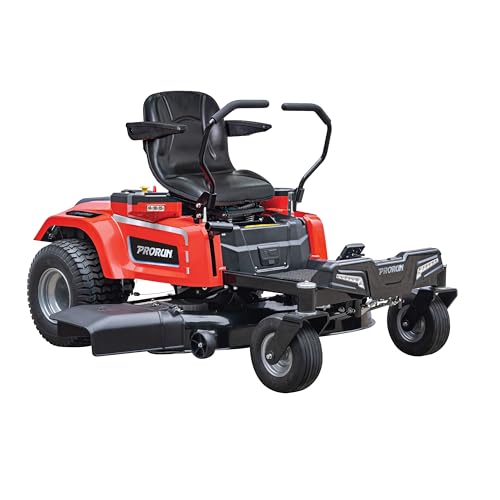
The PRORUN PZT60V42 is a fully electric 60V zero-turn riding lawn mower built for residential and light commercial use. Its primary design centers on a robust 42-inch 14-gauge stamped steel twin blade deck powered by direct-drive brushless motors, giving an immediate impression of solid construction and modern battery-focused engineering. The mower arrives complete with three 10.0 Ah batteries, a charger, mulch kit, and towing kit for ready-to-work versatility.
In performance terms, four high-efficiency brushless motors deliver power equivalent to a 20 HP gas engine while producing zero emissions. The system supports up to 2.0 acres or 70 minutes of runtime, and six battery ports with auto switchover intelligently manage all PRORUN 60V battery sizes for continuous operation. A washout port on the steel deck further simplifies post-mow maintenance during real-world sessions.
Potential drawbacks include the finite 70-minute runtime window which can limit coverage on larger properties without spare batteries or recharge breaks. As a fully electric model, it also depends entirely on battery charge levels rather than continuous fuel refills, and the 42-inch deck width may demand extra passes compared with wider traditional options.
Overall the PRORUN PZT60V42 offers strong value for homeowners and small-property managers who want gas-like cutting power without emissions or noise. Those with medium-sized lawns seeking quiet efficient zero-turn performance and included accessories will benefit most from this electric mower.

Pros
- Strong 24HP FR730 engine power for demanding cutting conditions
- Wide 54-inch FAB deck reduces total mowing time
- Zero turn design delivers excellent maneuverability
- Fabricated deck supports durable everyday operation
Cons
- Sparse details beyond engine and deck leave other features unspecified
- Gas-powered FR730 engine needs regular fuel and maintenance
- Large 54-inch deck size may feel oversized on compact properties
The Husqvarna Z254F is a zero turn mower from the established Husqvarna brand in the riding lawn mowers category. It centers on a solid build that pairs a 24HP 726cc FR730 engine with a 54-inch FAB deck for straightforward residential grass care.
Performance stems directly from the listed specifications. The FR730 engine delivers the horsepower needed for steady operation across typical lawns while the wide FAB deck completes passes efficiently. Zero turn handling improves control in real yard layouts based on the model design.
Considerations arise from the limited data available. Secondary elements such as comfort features fuel capacity or extras receive no mention and the gas engine format involves routine upkeep. The large deck suits open areas better than confined spaces.
The Husqvarna Z254F provides the most value for owners of medium or large properties who want reliable engine power and a broad cutting width. Users with smaller lots or those seeking extensive accessory options should weigh the core specs carefully before purchase.
Understanding Zero Turn Mower Pricing
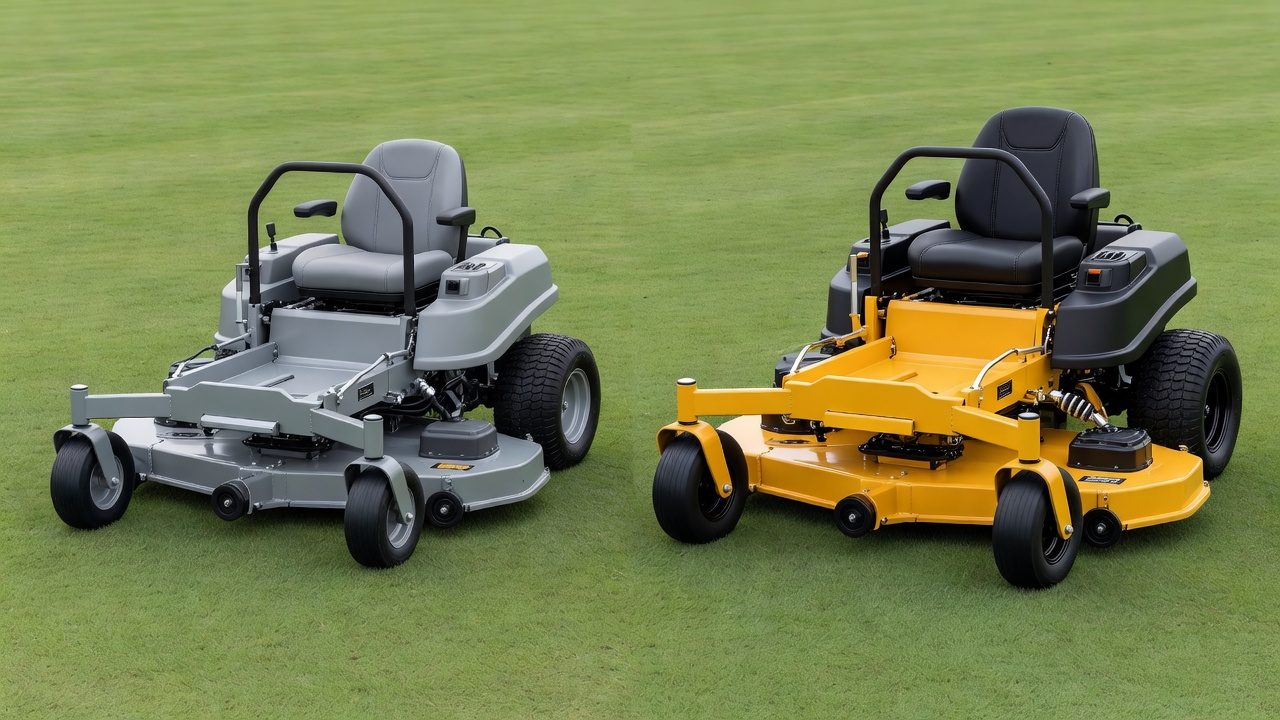
Zero turn mowers command higher prices than traditional riding mowers because they offer superior maneuverability, faster cutting speeds, and greater efficiency. The zero-radius turning capability, where the mower can pivot on its own axis, saves time on residential and commercial properties by reducing dead zones and overlapping passes.
Price variation is substantial because zero turn mowers serve different markets. A homeowner cutting a quarter-acre lawn has vastly different needs than a landscape contractor managing 20+ properties daily. This segmentation drives significant cost differences.
New vs. Used Pricing
New zero turn mowers command full retail pricing. Used models typically cost 40 to 60% of original retail value, depending on hours logged, condition, brand, and local demand. A used $8,000 mower might sell for $3,500-$5,000 after 500 to 800 operating hours. However, used purchases come with uncertainty around remaining engine life, maintenance history, and warranty coverage.
Price Breakdown by User Type
Homeowner / Residential Use
Most homeowners should budget $4,000-$8,000 for a quality zero turn mower suitable for lots under one acre. These models typically feature:
- 42 to 54-inch deck widths
- 15 to 25 horsepower engines
- Gas-powered (most common)
- Basic comfort and convenience features
- 2 to 3 year warranty
Popular homeowner-grade machines from brands like Cub Cadet, MTD, and Toro fall in this range. These mowers balance cost-effectiveness with reliability for seasonal residential use.
Professional / Commercial Use
Landscape contractors and commercial operators typically invest $8,000-$15,000+ per machine. Commercial-grade mowers feature:
- 48 to 72-inch deck widths (larger cutting swath)
- 25 to 35+ horsepower
- Heavier-duty construction for 500+ annual operating hours
- Enhanced suspension and comfort for all-day operation
- Diesel or high-performance gas engines
- Extended warranty and dealer support
Premium brands like John Deere, Hustler, and Kubota dominate the commercial segment. These machines are engineered for productivity and durability under demanding conditions.
Key Factors That Affect Cost
Deck Width
Larger deck widths cut more grass per pass, reducing mowing time, but they cost more. A 42-inch residential deck costs less than a 54-inch model from the same manufacturer. Commercial 60 to 72-inch decks command premium pricing due to the larger frame, more powerful engine, and reinforced components needed to handle the additional stress.
Engine Horsepower and Fuel Type
Higher horsepower engines cost more but provide faster ground speeds and better performance on hills or thick grass. Gas engines are most affordable; diesel engines add $2,000, $4,000 but offer better fuel economy and longevity for heavy use. Electric zero turn mowers are emerging but remain uncommon and expensive ($10,000, $20,000+) due to battery technology costs. Readers comparing setup options can review our technical analysis on marshall stanmore iii vs harman kardon onyx studio 8.
Brand Reputation
Established brands with strong dealer networks and warranty support command higher prices. John Deere, Hustler, and Toro typically cost 10 to 20% more than budget alternatives, but buyers pay for reliability, parts availability, and resale value. Budget brands like MTD or Ariens offer entry-level options but may have fewer dealer locations and longer repair wait times.
Suspension and Comfort Features
Commercial-grade suspension systems, adjustable seats, cup holders, and ergonomic controls add $500, $2,000 to the base price. These features matter for operators spending 6, 8 hours daily on the mower but may be unnecessary for weekend homeowners. For complementary field maintenance guidelines, examine our breakdown of dyson v8 cyclone vs bissell featherweight stick.
Transmission Type
Hydrostatic transmissions (smooth, variable-speed control) cost more than mechanical belt drives but offer superior handling and responsiveness. Most mid-range and premium mowers use hydrostatic systems; budget models may use belt drives.
Cost Comparison: Popular Brands
| Brand | Market Segment | Typical Price Range | Key Strengths |
|---|---|---|---|
| Cub Cadet | Entry / Mid-Range Residential | $3,500-$7,000 | Affordable, good dealer support, reliable for homeowners |
| John Deere | Mid-Range / Premium Commercial | $6,000-$15,000+ | Strong resale value, extensive dealer network, proven durability |
| Hustler | Professional / Commercial | $7,000-$16,000+ | Lightweight design, tight turning radius, high productivity |
| Toro | Mid-Range / Premium Residential & Commercial | $5,500-$14,000 | Quality construction, balanced pricing, good warranty |
| Kubota | Premium Commercial | $10,000-$18,000+ | Diesel engines, industrial durability, commercial focus |
| MTD | Budget / Entry Residential | $2,500-$5,000 | Most affordable option, basic features, limited warranty |
Additional Costs to Consider Beyond Purchase Price
Annual Maintenance
Budget $300, $600 annually for basic maintenance: oil changes, filter replacements, blade sharpening, and seasonal tune-ups. Commercial mowers used 500+ hours per year may need $800, $1,500 in annual maintenance. Major repairs (transmission, engine) can cost $1,500, $4,000. To evaluate matched hardware tolerances, consult our detailed overview of bissell crosswave hydrosteam vs shark stainforce.
Fuel Costs
A typical 42-inch residential mower uses 0.5 to 1 gallon per hour. At current gas prices (~$3-$4 per gallon), expect $15-$25 in fuel per 8-hour day. Diesel engines offer 20 to 30% better fuel economy, reducing long-term operating costs for heavy users.
Warranty Coverage
Most residential zero turn mowers include 2 to 3 year warranties on the frame and engine. Extended warranties (5 to 7 years) add $400-$800 upfront. Commercial mowers often come with 1 to 2 year warranties; extended coverage is critical for business operations.
Attachments and Accessories
Baggers, mulch kits, snow plows, and grass catchers add $200-$1,500 depending on complexity. Many commercial operators budget for multiple seasonal attachments.
Ways to Save Money on a Zero Turn Mower
Buy Used During Off-Season
Late fall and winter bring the highest supply of used mowers and lowest prices. A mower selling for $5,500 in spring might fetch $3,500-$4,000 in November. Inspect hours, service records, and engine condition before purchase.
Look for Dealer Inventory Clearance
End-of-season sales (August-September) and end-of-year clearance (November-December) often offer 10 to 20% discounts on remaining inventory. Dealers need to move stock to make room for new models.
Consider Renting or Leasing
For occasional use or temporary needs, renting a zero turn mower costs $50-$150 per day. Leasing programs (monthly or seasonal) run $200-$500 per month. This makes sense if you need a mower for only a few months or want to trial a brand before committing.
Buy Commercial Equipment for Heavy Residential Use
If your property is large (1 to 3 acres) and you value durability, buying a used commercial mower ($4,000-$6,000) may cost less than a new mid-range residential model and offer better longevity.
Negotiate Bundle Deals
Dealers often bundle maintenance plans, extended warranties, or accessories into package deals. Ask about floor models, demos, or slightly older inventory that may be discounted.
ROI Considerations for Commercial Users
For landscape contractors, a zero turn mower is a business investment, not just a purchase. The ROI depends on productivity gains and utilization.
Typical payback timeline: A contractor investing $10,000 in a commercial zero turn mower can typically recoup the cost in 400 to 600 billable hours of operation. If charging $60-$100 per hour (industry standard), that’s $24,000-$60,000 in revenue. At 60% gross margin, the mower pays for itself in one season for active operators.
Productivity multiplier: Zero turn mowers cut mowing time by 30 to 50% compared to conventional riding mowers, directly increasing billable capacity. A contractor managing 20 accounts per week with a traditional mower might handle 25 to 30 accounts with a zero turn, adding $15,000-$30,000+ in annual revenue.
Depreciation: Commercial zero turn mowers typically retain 50 to 60% of value after 3 to 5 years of heavy use. A $12,000 purchase might resell for $6,000-$7,000, making true ownership cost $5,000-$6,000 annually, easily covered by productivity gains.
Buyer FAQs: How Much Is A Zero Turn Lawn Mower Solved
What is the cheapest zero turn lawn mower I can buy?
Budget-friendly zero turn mowers from brands like MTD or older models start around $2,500-$3,500 new. Used entry-level mowers can be found for $1,500-$2,500 in the used market, though buyers should carefully inspect condition and service history. These ultra-budget options sacrifice comfort, durability, and feature richness.
Is a zero turn mower worth the extra cost compared to a regular riding mower?
For properties larger than a quarter-acre or frequent mowing, yes. Zero turn mowers save 30 to 50% mowing time due to superior maneuverability and faster ground speeds. This justifies the $1,500-$3,000 premium over conventional riding mowers. For small, simple lots cut once or twice annually, a regular riding mower may suffice.
Should I buy new or used?
Buy new if: you want warranty protection, are unsure of maintenance history, or need reliability for commercial use. Buy used if: you’re budget-conscious, comfortable with potential repairs, and can inspect the machine in person. Used mowers with fewer than 500 hours and complete service records are safer bets.
How long do zero turn mowers typically last?
Residential mowers (100 to 200 annual hours) typically last 10 to 15 years with proper maintenance. Commercial mowers (500+ annual hours) often last 8 to 12 years before major overhauls become necessary. Diesel engines often outlast gas engines by 20 to 30% under heavy use. Quality brands like John Deere and Hustler have better longevity than budget alternatives.