

Quick Answer: How Often To Replace Lawn Mower Blade?
Most residential lawn mower blades are sharpened several times before they are replaced. There is no single calendar or hour interval that fits every yard. Inspect the blade several times each mowing season, sharpen it when the edge dulls, and replace it when it is bent, cracked, badly worn, or too damaged to sharpen and balance safely. Rocks, sand, debris,…

Pros
- Large-size design named in product title
- Sharpening and balancing functions listed
- Listed as a new upgraded version

Pros
- Adjustable 15-to-45-degree range in title
- Sharpening and balancing functions listed

Pros
- Sharpener and balancer functions in title
- 15-to-45-degree adjustable setting listed
- Built for lawn mower blade maintenance
Pros
- Includes replacement gaskets and a 98079-55846 spark plug
- Matches Honda HRR216 and HRS216 lawn mower models
- Designed around the 16100-Z8B-901 carburetor specification
Cons
- Restricted to select Honda GCV160 mower applications
- Installation requires basic mechanical tools and skills
How Often Replacement Happens Versus Sharpening
People searching how often to replace lawn mower blades usually want a date or an hour number. Those numbers do not travel well from one yard to another. Blade replacement is an inspection decision, not a seasonal calendar task. A typical homeowner may sharpen a lawn mower blade more than once in a season and still keep the same blade through a long stretch of ordinary use. Replacement happens when the metal is no longer safe or effective. That can follow a single hard impact, or it can wait until after many careful sharpenings. Treating either job as a fixed date on the wall almost always overshoots or undershoots what that particular machine needs.
Blade sharpening is the more frequent maintenance step. The cutting edge dulls from contact with grass, grit, and small debris long before the rest of the steel is worn out. A dull blade still spins, but it tears rather than slices. That ragged cut browns at the tips, stresses the turf, and makes the mower work harder. Sharpening restores a clean edge when the blade is still straight, uncracked, and thick enough to stay in balance. How often that happens depends on soil, obstacles, and how much you mow. Some yards need attention after a few weeks of heavy growth. Others stay acceptable much longer.
Replacement is driven by wear, damage, and safety, not by a universal schedule. Two similar mowers can need new blades at very different times because the yards under them are not the same. One deck may never leave a small, relatively soft lawn. Another may clip the same sandy path, ride over tree roots, or nick the edge of a gravel drive every week. Owner manuals, mower type, and deck design also vary. A walk-behind with one blade is simpler to judge than a riding mower or zero-turn with a multi-blade deck. None of that produces an hour count, year count, or an every-X-mows rule you can treat as a specification.
If you want a rough homeowner habit rather than a specification, plan to look at the blade several times each mowing season and after any strike you can feel or hear. Sharpen when the edge is rounded or nicked enough to tear grass. Replace when inspection shows the blade is bent, cracked, missing metal, or too worn to form a clean, balanced edge. That pattern is a way to stay ahead of problems, not a promise that every blade will last a set number of seasons. For broader ecosystem context, read through our operational guide on jbl partybox club 120 vs sony srs xv500.
Signs a Blade Should Be Replaced Instead of Sharpened
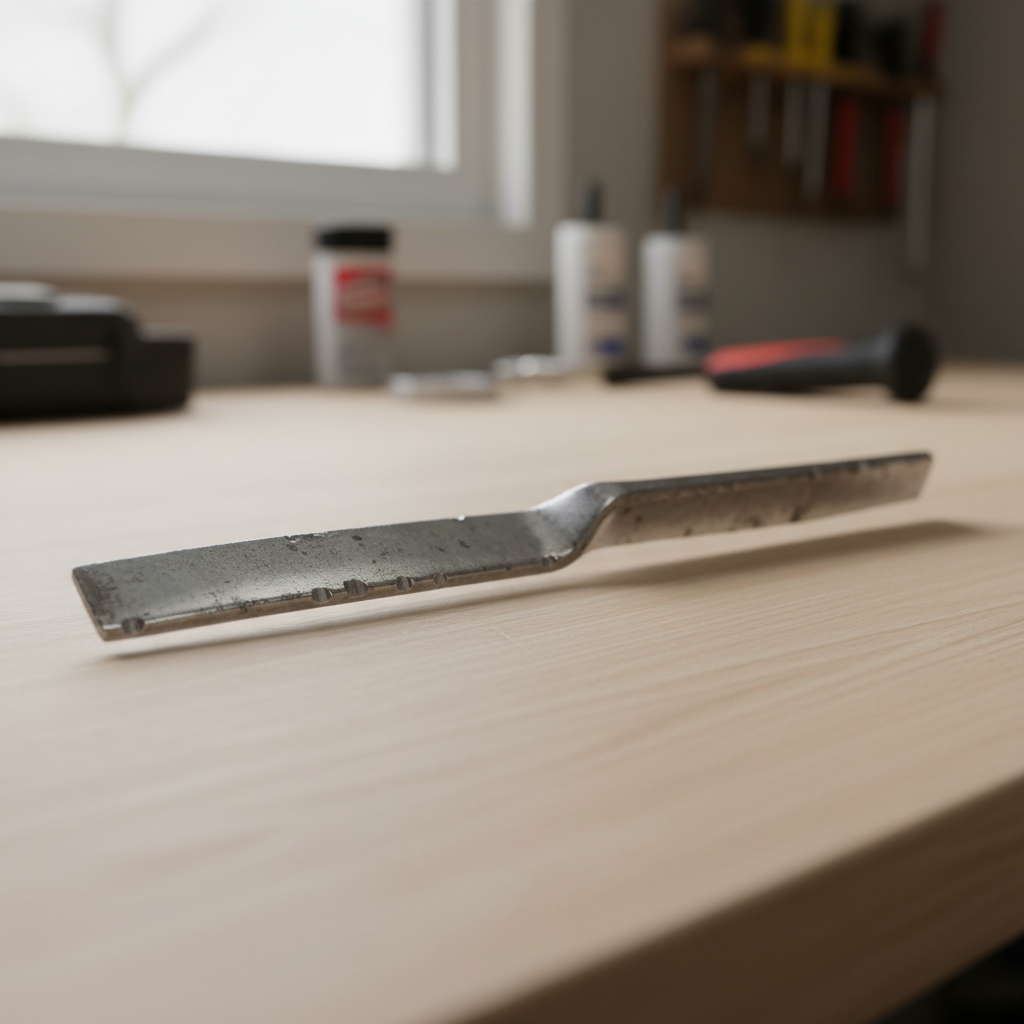
Some damage makes a blade unsafe even if part of the edge still looks somewhat sharp. A cracked blade can fail while it is spinning. A bent blade will not track evenly and can throw the spindle and deck out of true. Missing chunks, deep gouges, and a cutting edge that has been ground far back all change how the blade lifts and cuts. Those are replace-now conditions, not cosmetic issues you can ignore until the next oil change. For broader ecosystem context, read through our operational guide on jbl partybox club 120 vs sony srs xv500.
Look first for structural damage: For troubleshooting and reliability insights, consult our in-depth z890 vs x870e motherboard report.
- Cracks anywhere along the steel, including hairline cracks near the center hole or at the ends
- A visible bend, twist, or warp when the blade is laid on a flat surface or sighted along its length
- Missing pieces, large bites, or holes, especially near the mounting hole
- Deep nicks and gouges that go well beyond the cutting edge
- Thinning so severe that the blade looks scooped, scalloped, or worn paper-thin from repeated sharpening
- A center hole that is elongated, wallowed, or no longer fits the spindle cleanly
Performance symptoms matter as much as what you can see. A worn-out or bent blade often leaves a ragged, uneven cut, strips of uncut grass, or brown tips even when you mow at a sensible height. The mower may sound labored. Blade vibration that persists after you have cleaned packed grass from the deck and checked that the blade bolt and washer are snug is a warning. Vibration can come from missing metal on one side, a bend, or a blade that was sharpened unevenly and never balanced. Severe imbalance is not something to run in. It is hard on the operator and on the spindle, bearings, and deck.
The metal is too far gone for another sharpening when you cannot form a clean cutting edge without removing so much steel that the blade will not stay in balance, or when the remaining edge sits so far back that the lift or sail no longer does its job. The lift, sometimes called the sail, is the upturned section that helps pull grass up and move clippings through the deck for mulching versus side-discharge cutting. If that area is battered flat, cracked, or worn away, sharpening the remaining edge will not restore how the deck is supposed to work. A blade that will not hold an edge after a careful sharpening is also a candidate for replacement. Steel that has been overheated on a grinder, or simply ground too many times, can dull again almost immediately. For troubleshooting and reliability insights, consult our in-depth z890 vs x870e motherboard report.
What Shortens Blade Life
Lawn and soil conditions wear a blade faster than calendar time. Rocks, roots, curbs, buried wire, irrigation heads, and toys are impact hazards. One solid hit can bend or crack a blade that was otherwise in good shape. That single event can matter as much as a whole season of ordinary grass. Sandy or gritty soil is different: it acts like sandpaper. Each pass abrades the cutting edge and can chew into the lift area over weeks rather than in one moment. Woody weeds, thick thatch, and winter debris left on the lawn add more abrasion and more chance of a hidden strike.
How you use the machine matters too. Frequent mowing, commercial-style hours, and cutting very tall, wet, or tangled growth all increase contact time and load. A small, clear, relatively soft lawn usually lets a blade last through more sharpenings because the steel mostly meets grass. A property with gravel edges, construction leftovers, or a lot of surface sand will consume edges faster even if you never hit a large rock. Readers comparing setup options can review our technical analysis on marshall stanmore iii vs harman kardon onyx studio 8.
Mulching versus side-discharge cutting can change wear, but not in a single direction you can treat as a rule. Mulching keeps clippings under the deck longer, so the blade recuts them. That extra work can dull an edge sooner on a dry, gritty lawn. Side discharge throws material out and may spare the blade some recutting, but it does not protect you from rocks or sand. Bagging adds airflow and can pack the deck if you let it clog, which changes how the blade moves air and grass. None of these modes automatically destroys a blade. They change the mix of abrasion, recutting, and clogging. The bigger variables remain debris, soil, and whether the blade stays straight and balanced.
Deck design and blade style also affect how long a given piece of steel looks acceptable, but they do not create a reliable lifespan ranking. A high-lift blade, a mulching blade, and a standard blade all fail the same way if they crack, bend, or lose too much metal. Judge the blade in front of you, not a claimed acre or year figure from a catalog. For complementary field maintenance guidelines, examine our breakdown of dyson v8 cyclone vs bissell featherweight stick.
How to Inspect a Blade Safely
Never reach under a deck that can still start. Stop the engine, remove the key if the mower has one, and isolate the machine from starting. On a gas mower, disconnect the spark-plug wire and keep it away from the plug. On a battery or electric mower, remove the battery or otherwise isolate power the way the manufacturer describes. Let hot parts cool. Wear gloves. The cutting edge can still cut you when the mower is off. Keep the mower stable so it cannot roll or fall while you are looking underneath. Follow the applicable owner’s manual for tipping, blocking, or lifting that model. If you cannot stabilize the machine safely, stop and get help rather than improvising.
Once the mower is secured, scrape packed grass and mud from the underside of the deck so you can actually see the steel. Inspect both cutting edges, not just the side that happens to face you. Check the lift or sail for cracks, flattening, and missing metal. Look at the center hole, the blade bolt, and the washer. Elongation, mushroomed metal, a damaged washer, or a bolt that no longer seats cleanly are reasons to pause. A loose or missing washer can let the blade shift and create vibration that looks like a bad blade even when the steel is new. To evaluate matched hardware tolerances, consult our detailed overview of bissell crosswave hydrosteam vs shark stainforce.
A typical homeowner should look several times each mowing season, and immediately after the mower strikes something or the cut suddenly worsens. You do not need a shop hour meter to justify a look. A change in sound, a new vibration, strips of uncut grass, or a shower of dirt from a hidden hole are enough. Extra checks after winter storage, after someone else uses the machine, and after mowing a debris-strewn area are reasonable. Do not treat a fixed hour interval as a standard that applies to every deck.
You can often inspect without fully removing the blade. Removal is necessary when you need to flatten the blade on a bench, check balance, or replace it. If you do remove it, mark orientation before it comes off, keep hardware together, and note which face was down. Reinstallation is not the same as inspection. A new or sharpened blade still has to go back in the correct direction with the correct hardware. If a bolt is stuck, rounded, or you cannot keep the mower stable, a shop or an experienced helper is the safer option. Do not defeat safety interlocks or run the mower with guards removed to make inspection easier.
Sharpen, Replace One Blade, or Replace a Matched Set
Sharpening is still the right next step when the blade is straight, uncracked, and still has enough metal to form a clean cutting edge and stay in balance. Light nicks can often be dressed out. After sharpening, the blade should be balanced so one end is not heavier than the other. Blade balancing is not optional cosmetics. An unbalanced blade is a common source of vibration after a careful grind. If you cannot check balance, many shops will sharpen and balance as a single service. That is often wiser than guessing.
Replacement is the better choice after bending, cracking, severe wear, a distorted center hole, or repeated failure to hold an edge. Do not try to hammer a bent blade straight and put it back in service. Straightening can hide a crack or leave the steel weakened. The same is true of welding or filling missing chunks. Those repairs are not a safe substitute for a replacement that matches the mower.
On a multi-blade deck, replacing a badly damaged blade as part of a matched set is often wiser than mixing one new blade with partners that are much shorter, thinner, or more battered. Mixed wear or mixed lengths can leave the deck out of balance even if each blade is individually acceptable. That does not mean every deck requires simultaneous replacement of every blade on a fixed schedule. It means you should compare the blades to each other. If one is wrecked and the others are close to the same worn condition, replacing the set avoids a leftover source of vibration. If only one blade took a hit and the others are still straight, full, and well matched, a single replacement that is the correct part may be enough. Recheck vibration after install either way.
A new blade does not automatically include a correct install. It still needs the right orientation, with the cutting edge and lift facing the way the deck was designed to use them. It needs secure hardware, including the blade bolt and washer in the order the machine expects. It needs a match to the mower: length, center hole, and style that fit that deck. After install, check for vibration at a safe distance with guards in place. Installing a new blade does not automatically correct a bent spindle, a damaged pulley, packed debris, or leftover imbalance on another blade. Those problems survive a parts-counter visit.
Safety Limits After You Notice Wear or Damage
It is not acceptable to finish the lawn with a bent, cracked, or badly vibrating blade. Stop mowing. A spinning blade stores a lot of energy. A cracked blade can throw fragments. A bent or badly unbalanced blade can damage the spindle, bearings, and deck, and it can make the machine harder to control. Continuing just to finish the yard trades a few minutes of cutting for a much larger repair and a real injury risk.
Inspection and removal have their own hazards. Edges stay sharp. Decks can fall if they are poorly supported. A blade bolt that is tight, corroded, or treated with thread locker can let go suddenly once it breaks free. Wear gloves, keep the mower from rolling or tipping, and keep children and pets away from the work area. If you cannot stabilize the mower, free a stuck bolt, confirm that a replacement matches the machine, or interpret a crack you are not sure about, a shop or experienced helper is the safer option. There is no prize for forcing a job you cannot see or control.
A new blade reduces the chance of the problems that come from worn or damaged steel. It does not guarantee that all vibration will disappear, and it does not make an unsafe work setup safe. Keep the discharge chute, bag, and other guards in place when you test. If vibration remains after a correct install and a clean deck, stop again and look beyond the blade.
If the Cut Is Still Poor After a New Blade
A ragged cut or new vibration after blade replacement often comes from installation, not from the steel itself. Confirm that the cutting edge faces the right way and that the lift-wing orientation matches the other blades and the deck. A blade mounted upside down will not cut properly and can be dangerous. Check for debris packed in the deck, which changes airflow and can look like a dull blade. Confirm that the washer is present and seated and that the blade bolt is snug according to the machine’s instructions. Confirm that the replacement actually matches the mower. A blade that is the wrong length, the wrong hole, or the wrong style can clear the deck poorly or refuse to sit flat.
Persistent vibration can also come from parts the blade change does not touch. A bent spindle will wobble no matter how good the new blade is. A damaged pulley, a failing bearing, or a bent crankshaft on some walk-behinds can do the same. On a multi-blade deck, unbalanced leftover blades will still shake the housing. Uneven tire pressure, a damaged deck hanger, or a bent deck shell can leave striping that looks like a blade problem. Keep the diagnosis qualified: one symptom can have several causes, and no single adjustment is guaranteed to restore a factory-quality cut.
When the problem points beyond the blade, stop swapping parts at random. Recheck orientation and hardware first because those mistakes are common and cheap to fix. Then look at the spindle and the other blades. If the spindle wobbles with the blade off, or if you cannot tell whether the housing is true, take the mower to someone who can inspect it. Continuing to mow in the hope that the new blade will settle in is not a diagnostic method.
Buyer FAQs: How Often To Replace Lawn Mower Blade Solved
Is blade replacement different on electric and battery mowers?
The wear logic is the same. Isolate power first, then judge the blade by cracks, bends, missing metal, and whether it can still be sharpened and balanced. Electric decks still throw fragments if a damaged blade fails.
Do I need to replace the blade bolt and washer with every new blade?
Not automatically. Replace hardware that is damaged, stretched, rounded, or missing. Reuse only parts that seat cleanly and match the mower. When in doubt, follow the machine’s manual or ask a shop to supply the correct fastener set.
Mechanical safety standards, operational tolerances, and protective gear guidelines align with benchmark specifications established by the American National Standards Institute (ANSI).
Can I keep mowing if the blade is only nicked?
Light nicks that have not bent the blade or opened a crack can often wait for the next sharpening if the cut is still clean and there is no new vibration. Deep gouges, missing chunks, or any crack means stop and replace.
For more hands-on benchmarks and buying recommendations, consult our guides on heavy-duty chainsaw buyer guide, as well as high-CFM commercial leaf blower guide.









