

Direct Answer: How Often Should You Sharpen Mower Blades?
As a general rule, mower blades should be sharpened after every 20-25 hours of mowing, or at least once or twice per mowing season. However, the ideal frequency depends on your conditions: sandy or rocky soil, hitting debris like sticks or stones, and cutting thick or abrasive grasses can dull blades faster, requiring more frequent sharpening. A simple check: if the grass tips look torn, frayed, or brown after mowing rather than cleanly cut, it is time to sharpen.
Understanding the Question: Why Sharpening Frequency Matters
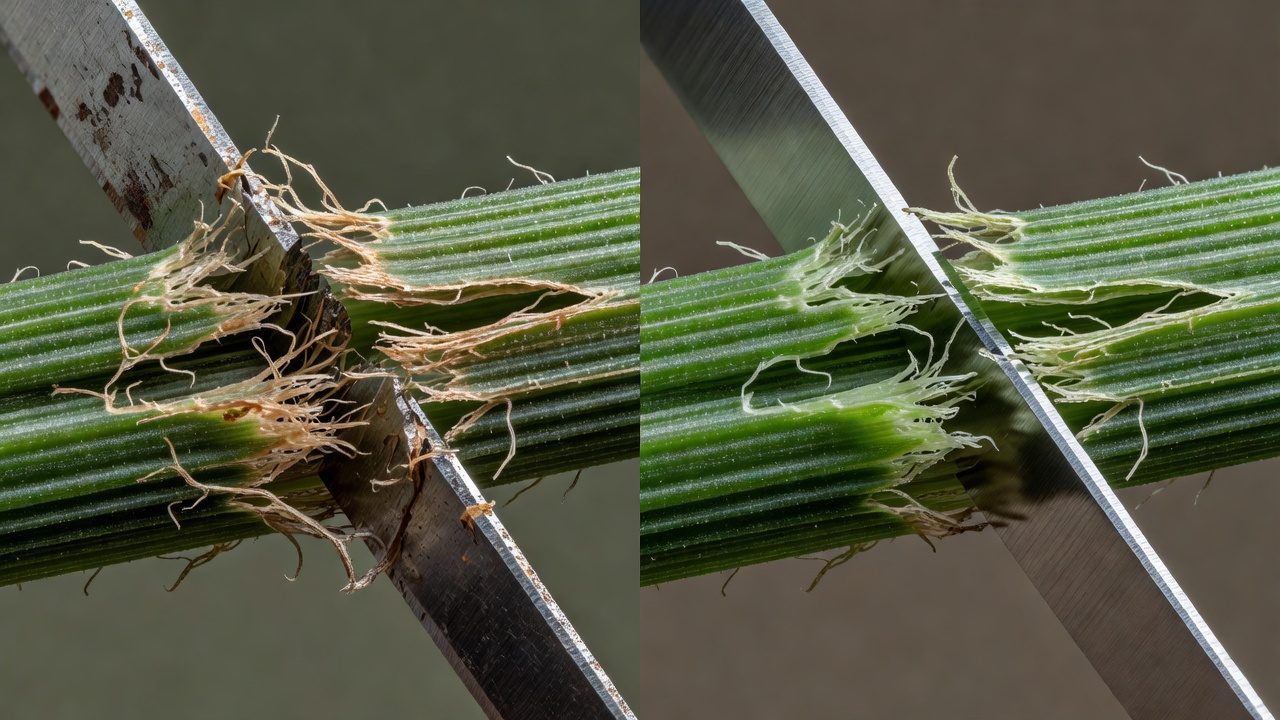
Many homeowners treat blade sharpening as an afterthought, but it is one of the most important maintenance tasks for a healthy lawn. A sharp blade makes a clean slice through each grass blade, while a dull blade tears and shreds the grass instead. Understanding why sharpness matters helps you appreciate why the frequency of sharpening is worth tracking.
Why Does a Sharp Mower Blade Matter for Lawn Health?
A sharp mower blade cuts grass cleanly, leaving a smooth edge that heals quickly. This minimizes stress on the plant and keeps the lawn looking lush and even. When the cut is clean, the grass retains more moisture and is less vulnerable to pests and disease. In short, a sharp blade is one of the cheapest and most effective ways to protect lawn health.
What Happens When You Mow with a Dull Blade?
When you mow with a dull blade, the grass is not cut so much as torn. The result is a ragged, frayed tip that turns brown or whitish within a day or two. This not only looks unsightly but also stresses the grass, making it more susceptible to disease and drought. Over time, repeated dull mowing can weaken the entire lawn and give weeds an opportunity to move in.
How Does Sharpening Frequency Relate to Overall Mower Maintenance?
Blade sharpening is part of a broader maintenance routine that includes cleaning the deck, changing the oil, replacing the air filter, and checking the spark plug. Because the blade is the part that actually touches the grass, it wears faster than almost any other component. Tracking sharpening frequency alongside your other maintenance tasks ensures the mower runs efficiently and produces the best possible cut all season long.
The General Rule of Thumb: Every 20-25 Hours or Per Season
If you only remember one number, make it this: sharpen your mower blades after every 20-25 hours of use. For most homeowners, that works out to about once or twice per mowing season, depending on lawn size and how often you mow.
How Many Hours of Mowing Should Pass Between Sharpenings?
The most widely recommended interval is 20-25 hours of actual mowing time. If you mow a typical suburban lawn for about an hour each week during the growing season, you will reach that threshold in roughly five to six weeks. Keeping a rough mental log of your mowing hours is the most accurate way to schedule sharpening.
How Often Per Mowing Season Should Blades Be Sharpened?
For most lawns, sharpening once or twice per season is sufficient. A single sharpening at the start of the season will handle most of the year, but a mid-season touch-up is a good idea if you mow frequently, have a large lawn, or notice the cut quality declining. If you only sharpen once, do it early in the season so every cut afterward is clean.
Is It Better to Sharpen Once or Twice Per Season?
Twice per season is generally better for maintaining optimal cutting performance, especially in regions with a long growing season. The first sharpening prepares the blade for spring growth, and the second keeps it sharp through the summer months when grass grows fastest. If your lawn is small or you mow infrequently, once per season may be perfectly adequate. To compare alternative configurations, check our hands-on review of marshall stanmore iii vs harman kardon onyx studio 8.
Key Factors That Increase Sharpening Frequency
The 20-25 hour rule is a starting point, not a universal law. Several conditions can dull a blade much faster, and recognizing them will help you adjust your sharpening schedule before the cut quality suffers.
Do Sandy or Rocky Soil Conditions Require More Frequent Sharpening?
Yes. Sandy soil acts like sandpaper on the blade edge, wearing it down quickly with every pass. Rocky soil is even harder on blades, and even small stones kicked up by the mower can nick or dull the edge. If your lawn has sandy or rocky soil, plan to sharpen more often than the standard interval, and inspect the blade regularly for damage. Users looking for related component recommendations can explore our dyson v8 cyclone vs bissell featherweight stick breakdown.
How Does Hitting Debris Like Sticks, Stones, or Roots Affect Blade Dullness?
Hitting debris is one of the fastest ways to ruin a sharp edge. Sticks, stones, roots, and even buried toys can chip, bend, or dull the blade in a single impact. After any significant strike, stop and inspect the blade. If you notice nicks or a visibly dull edge, sharpen it before mowing again. Repeated impacts can also throw the blade out of balance, which leads to vibration and potential mower damage.
Do Certain Grass Types Dull Mower Blades Faster?
Yes. Thick, coarse, or abrasive grasses put more wear on the blade than fine, soft grasses. Grasses that accumulate grit or sand on their leaves, or that grow in tough, dense clumps, will dull a blade noticeably faster. If your lawn is dominated by tough grass varieties, expect to sharpen more frequently than the general guideline. Before finalizing equipment decisions, refer to our comprehensive bissell crosswave hydrosteam vs shark stainforce comparison.
Does Blade Material Affect How Often Sharpening Is Needed?
Blade material plays a role in how long an edge lasts. Higher-quality steel blades hold an edge longer and resist damage from debris better than softer, cheaper blades. While material does not change the basic rule of thumb, a premium blade may stretch the interval between sharpenings, while a budget blade may need attention sooner.
Signs Your Mower Blades Need Sharpening
Rather than waiting for a set number of hours, you can also let the lawn tell you when it is time to sharpen. Learning to read these signs helps you sharpen on an as-needed basis and avoid mowing with a dull blade for weeks on end.
What Do Torn or Frayed Grass Tips Indicate?
Torn or frayed grass tips are the clearest sign of a dull blade. Instead of a clean, angled cut, the grass looks shredded at the top, almost like a frayed rope. If you walk across the lawn shortly after mowing and see ragged tips, your blade is telling you it needs sharpening.
Are Brown or Whitish Grass Tips a Sign of a Dull Blade?
Yes. When a dull blade tears the grass, the damaged tissue dries out and turns brown or whitish within a day or two. If you notice a brown or bleached cast across the lawn shortly after mowing, especially at the tips of the grass, it is a strong indicator that the blade is no longer cutting cleanly.
How Can I Inspect the Blade Edge to Check Sharpness?
With the mower off and the spark plug disconnected, lift the mower safely and examine the blade edge. A sharp blade has a clean, continuous edge with no visible nicks or rolled-over metal. You can also carefully run a finger along the edge (away from the cutting direction) to feel for roughness. If the edge feels rounded, shows nicks, or fails to catch on your fingernail, it is time to sharpen.
What Does an Uneven or Ragged Cut Look Like?
An uneven or ragged cut is another telltale sign. If some grass blades are cleanly cut while others look shredded, or if the lawn appears patchy and rough right after mowing, the blade is likely dull. A sharp blade produces a uniform, manicured appearance across the entire lawn.
Step-by-Step Guidance: Sharpening and Checking Your Blades
Sharpening a mower blade is a straightforward job that most homeowners can do in under an hour. Following a safe, methodical process ensures the blade is not only sharp but also balanced and correctly reinstalled.
What Is the Correct Process for Removing and Sharpening a Mower Blade?
Start by disconnecting the spark plug wire to prevent accidental starting. Drain the fuel or tip the mower with the carburetor side up to avoid leaks. Use a wrench to remove the bolt holding the blade in place, then slide the blade off. Secure the blade in a vise and use a file or angle grinder to sharpen the cutting edge, following the original bevel angle. Work from the center of the edge outward, and make the same number of passes on each side to keep the blade balanced.
How Do I Know If a Blade Needs Replacement Instead of Sharpening?
Not every blade can be saved. Replace the blade if it is severely bent, deeply cracked, or heavily worn down. If you have sharpened it many times and the edge is becoming thin, replacement is safer and more effective. A damaged blade can break during operation, so when in doubt, replace it.
Why Is Blade Balance Important After Sharpening?
An unbalanced blade after sharpening can cause excessive vibration and damage the mower. When one side of the blade is heavier than the other, the mower shakes, the spindle wears prematurely, and the cut quality suffers. After sharpening, hang the blade on a nail or use a blade balancer. If one side dips, remove a little more metal from that side until it hangs level.
What Safety Precautions Should I Take When Sharpening Blades?
Always disconnect the spark plug wire before working on the mower. Wear heavy gloves to protect your hands from the sharp edge, and use eye protection when grinding or filing. Never sharpen a blade while it is still mounted on the mower, and take care to avoid cutting yourself on the freshly sharpened edge during reinstallation.
Direct Answer: How Often to Sharpen Mower Blades
To summarize the recommended frequency in one clear statement: sharpen your mower blades after every 20-25 hours of mowing, or at least once or twice per mowing season. This is the simplest rule of thumb and works well for most lawns.
How Should I Adjust the Schedule for My Specific Lawn Conditions?
Adjust the schedule based on what your lawn throws at your blade. If you mow over sandy or rocky soil, frequently hit debris, or cut thick, abrasive grasses, sharpen more often than the standard interval. If your lawn is small, soft, and free of debris, you may be able to stretch the interval slightly, but never wait until the cut quality visibly declines.
What Is the Final Takeaway for Maintaining Sharp Blades All Season?
The final takeaway is simple: a sharp blade is essential for a healthy, attractive lawn. Track your mowing hours, watch for torn or brown grass tips, and sharpen on a schedule of every 20-25 hours or at least once or twice per season. By staying on top of blade sharpening, you will get a cleaner cut, a healthier lawn, and a smoother-running mower all year long.
Everything You Need to Know: How Often To Sharpen Mower Blades FAQ
Can I sharpen mower blades without removing them?
While it is possible to sharpen a blade while it is still mounted using a rotary tool, it is not recommended. Removing the blade allows you to see the edge clearly, maintain the correct bevel angle, and check the blade for balance and damage. The extra few minutes of effort produces a much better result and is safer for you and the mower.
How do I know if my mower blade is too dull to sharpen?
If the blade is severely bent, cracked, or worn so thin that the cutting edge has almost disappeared, it is time to replace it rather than sharpen it. Deep nicks from hitting rocks or roots may also be too severe to file out safely. When in doubt, replace the blade, because a damaged blade can fail during operation and cause injury or mower damage.
Does mowing wet grass dull the blade faster?
Wet grass does not necessarily dull the blade faster, but it can create other problems. Wet clippings clump under the deck, which reduces airflow and can make the mower work harder. The blade itself is not significantly more worn by wet grass, but keeping the blade sharp is still important for a clean cut in damp conditions.
How long does a mower blade last before it needs replacement?
A well-maintained blade that is sharpened regularly can last for several years before it needs replacement. The lifespan depends on how often you mow, the conditions you mow in, and how much debris you hit. Inspect the blade each time you sharpen it, and replace it when it shows signs of bending, cracking, or excessive wear.
Related Maintenance and Operating Guides
To keep your equipment running at peak operating efficiency, explore our related technical walkthroughs and maintenance tutorials:
- Consult our detailed breakdown on residential zero-turn lawn mower guide.
- Consult our detailed breakdown on heavy-duty chainsaw buyer guide.
Technical Standards and Compliance
Mechanical safety standards, operational tolerances, and protective gear guidelines align with benchmark specifications established by the American National Standards Institute (ANSI).









