Quick Answer
Choose a carpet cleaner solution by matching its chemistry to your problem. Enzyme-based formulas break down pet urine and odor, low-foam concentrates suit regular machine use, and heavy-duty detergents handle deep cleaning. Check that the formula works with your machine type, since the wrong solution can leave sticky residue, damage fibers, or void the warranty.

Pros
- Two 1.5-gallon tanks with built-in measuring cup
- Digital indicator lights for refill and brush roll alerts
- Includes 48 oz Pet Stain & Odor Solution and 22 oz Urine Eliminator Spray
- Adjustable comfort grip handle that folds down for storage
Cons
- Listed at 32.5 pounds, so it is heavy to lift or store
- Suction power claims are manufacturer-stated, not independently verified

Pros
- Two 1.5-gallon tanks with a built-in measuring cup
- Digital indicator lights signal when to refill solution
- Lights also alert when the brush roll is not operating correctly
- Adjustable comfort-grip handle folds down for storage
- Includes 48 oz Oxy carpet solution and 22 oz Oxy spot treatment
Cons
- Heavy at 32.5 pounds and 43 inches tall when upright
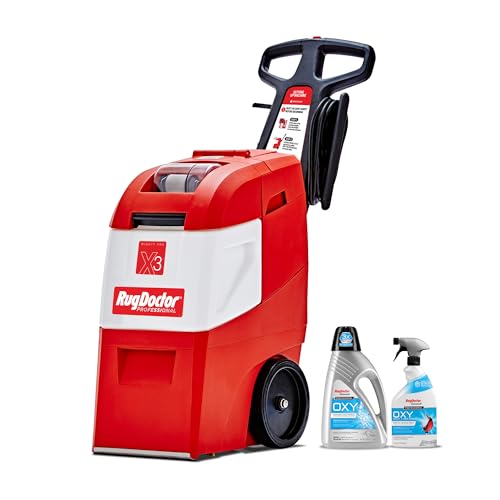
Pros
- Large-capacity tanks reduce time spent filling and emptying
- Includes 48 oz Oxy solution and 22 oz Oxy Spot and Pre-Treat
- Triple Action Brush and high-pressure spray jets for carpet fibers
- Manufacturer says it matches standards of in-store rental machines
Cons
- Dimensions and weight are not listed in the manufacturer listing
- Performance claims are manufacturer-stated, not independently verified
Quick Answer: The best carpet cleaner solutions for pets, high-traffic areas, and machine use fall into three primary categories: enzyme-based formulas for pet urine and odor elimination, low-foam concentrates for machine maintenance, and heavy-duty detergents for deep cleaning. Top-rated options include Folex carpet cleaner for spot treatment, Bissell Woolite One Step Foam for gentle yet effective cleaning, and specialized carpet shampoo formulas designed to work with specific machine types without voiding warranties.
Choosing the wrong carpet cleaner solution can damage fibers, leave sticky residue that attracts more dirt, void machine warranties, and fail to eliminate embedded odors from pets and heavy foot traffic. This guide provides the diagnostic framework and step-by-step selection process to match your exact needs with the correct formula chemistry, concentration level, and machine compatibility.
Carpet Cleaner Solution Comparison Matrix
Why Standard Cleaners Fail on Pet Stains
Pet urine contains uric acid crystals that bond chemically to carpet fibers and backing material. When exposed to standard carpet cleaner solutions, these crystals merely become temporarily dormant—they reactivate when humidity rises, causing the familiar return of odor days after cleaning. Only enzymatic formulas with live bacterial cultures can permanently break the uric acid molecular bonds.
Enzymatic Treatment Protocol
For effective pet urine and odor eliminator treatment:
- Step 1: Blot fresh urine immediately with white cotton towels—never rub, as this pushes liquid deeper into backing and pad
- Step 2: Apply enzymatic solution liberally to saturate the affected area plus a 2-inch border around visible staining
- Step 3: Cover with plastic wrap to prevent premature evaporation, allowing enzymes 24-48 hours of active dwell time
- Step 4: Remove plastic, allow to air dry completely, then extract with a clean water rinse
- Step 5: Repeat if odor persists; deep saturation may require treating from the carpet backing side for padding contamination
The Folex carpet cleaner excels as a versatile option for pet owners because its water-based, non-toxic formula works on both fresh and set-in organic stains without requiring rinsing, making it safe for homes with pets and children who contact treated surfaces.
Carpet Cleaner Solutions for High-Traffic Areas
Identifying Traffic-Lane Soil Patterns
High-traffic areas accumulate a specific type of soil called “traffic lane grime”—a combination of outdoor dirt tracked in on shoes, skin cells, pet dander, and microscopic fibers that become ground into the carpet pile through repeated compression. This soil matrix resists standard cleaning because the particles are wedged between fiber twists rather than sitting on the surface.
Deep-Cleaning Protocol for Worn Areas
- Pre-Vacuum Thoroughly: Use a beater-bar upright vacuum to loosen compacted soil before wet cleaning; two passes minimum
- Pre-Treat with Agitation: Apply a low-moisture pre-spray and agitate with a carpet groomer or CRB (counter-rotating brush) machine to break soil bonds
- Choose the Right Concentration: Mix your carpet shampoo formula at 1.5-2x the recommended dilution for traffic lanes, staying within manufacturer limits
- Slow, Overlapping Passes: When extracting, move the wand at walking pace with 50% overlap to maximize soil recovery
- Neutral Rinse: Follow with a pH-neutral rinse solution to remove detergent residue that attracts rapid re-soiling
The Bissell Woolite One Step Foam is particularly effective for high-traffic maintenance because its foam-on, wipe-off application doesn’t require a machine for interim touch-ups between deep cleans. The formula contains optical brighteners that restore fiber appearance without the heavy saturation that can damage carpet backing over time.
Machine Compatibility and Warranty Considerations
Understanding Manufacturer Requirements
Using an incompatible carpet cleaner solution is the leading cause of premature machine failure and warranty denials. Each major manufacturer—Bissell, Shark, Hoover, Rug Doctor—engineers their machines with specific pump tolerances, heating elements, and extraction systems calibrated for particular foam levels and chemical compositions.
Shark Carpet Cleaner Solution Requirements
Shark machines specifically require Shark carpet cleaner solution or approved alternatives with explicit Shark certification on the label. The company’s proprietary formula contains anti-foam polymers calibrated for their extraction motor’s airflow specifications. Using generic high-foam detergents can cause overflow into internal components, triggering automatic shutoff and potential electrical damage. Always verify the “Shark Approved” designation before pouring any solution into your Shark machine’s clean water tank.
Dilution Ratios and Measurement
Most concentrate solutions require dilution between 2-6 ounces per gallon of warm water (100-120°F optimal). Over-concentrating does not improve cleaning—it increases residue, accelerates dirt attraction, and can discolor certain fiber types. Use the measuring cap provided with your solution; kitchen measuring cups introduce inaccuracy that compounds over multiple tank fills.
Recommended Hardware & Essential Equipment
The following verified machines are selected for their compatibility with the full range of carpet cleaner solutions covered in this guide, including pet-specific enzymatic formulas, low-foam concentrates, and manufacturer-branded options like Shark carpet cleaner solution. These units feature proper chemical-resistant components, appropriate agitation systems, and extraction power sufficient for both routine maintenance and deep restoration cleaning. When planning workspace deployment, consider the engineering criteria outlined in our why is my robot vacuum not dispensing water guide.
Frequently Asked Questions About How To Choose Carpet Cleaning Solution
Can I use Folex carpet cleaner in my Bissell or Shark machine?
Folex carpet cleaner is designed as a spray-and-blott spot treatment, not as a machine tank solution. Its formula lacks the anti-foam agents required for machine extraction systems. For machine use, select Folex’s dedicated machine-compatible product line or use your machine manufacturer’s recommended solutions to maintain warranty coverage.
How often should I deep clean carpet in a home with pets?
Homes with pets require professional-grade deep cleaning every 3-4 months, with enzymatic spot treatment as needed between sessions. Traffic areas and pet sleeping zones may need monthly maintenance cleaning. Vacuuming should occur 3-4 times weekly with a HEPA-filtered machine to reduce the soil load that deep cleaning must address. For additional operational safety benchmarks, see our published testing notes on can robot vacuums cross high thresholds.
What is the difference between carpet shampoo and carpet cleaner solution?
The terms are often used interchangeably, but technically carpet shampoo formulas refer to products that create suds for manual scrubbing application, while carpet cleaner solutions are low-foam formulations engineered for machine extraction systems. Modern professional products typically use “solution” terminology and are optimized for hot-water extraction rather than traditional shampooing methods.
Why does my carpet feel sticky after cleaning?
Sticky residue results from three common causes: over-concentrating the cleaning solution, failing to perform a clean-water rinse pass after detergent application, or using a machine with insufficient suction to extract the full volume of solution applied. The fix is a thorough extraction using only hot water, followed by allowing complete drying with maximum airflow. Future cleans should use proper dilution ratios and always conclude with a rinse cycle. To compare alternative configurations, check our hands-on review of robot vacuum not connecting to wifi.
Are pet-specific carpet cleaner solutions worth the premium price?
Yes, for homes with active pets, specialized pet urine and odor eliminator formulas justify their cost through permanent odor elimination rather than temporary masking. Standard detergents cannot break uric acid crystals, meaning odors return and the treated area eventually requires professional intervention. Enzymatic pet formulas typically cost 20-40% more per gallon but eliminate the need for repeat treatments and professional service calls.
Cleaning Product Reading Notes
Carpet cleaning solutions work best when matched to fiber type and soil level, so reading widely helps. Pool owners may find the robotic pool cleaner comparison guide useful, and for automated alternatives, see automated robotic vacuum cleaning systems. General background on how industry standards address household products is at American National Standards Institute (ANSI).