Quick Answer: How to Cut Grass with a Lawn Mower
To cut grass with a lawn mower: Prepare by checking fuel or battery, inspecting the blade for sharpness, and clearing the lawn of debris. Wear closed-toe shoes, eye protection, and hearing protection. Mow only when grass is dry, set the cutting height to 2.5–3.5 inches for most cool-season grasses, and mow in straight, overlapping rows or a striping pattern. After mowing, clean the deck, check the blade, and store the mower in a dry, covered area.
What Are the Essential Preparation and Safety Steps Before Mowing?
How Do You Prepare a Lawn Mower for Use?
Before starting any mowing session, a thorough equipment check prevents breakdowns and ensures a clean cut. Follow this pre-mowing checklist:
- Fuel or battery check: For gas mowers, verify the tank has fresh fuel (less than 30 days old) and the oil level is at the full mark on the dipstick. For electric mowers, confirm the battery is fully charged or the cord is intact and rated for outdoor use.
- Blade inspection: Tip the mower safely (gas mowers: air filter side up) and examine the blade. It should be sharp, balanced, and free of cracks or bends. A dull blade tears grass, leaving brown tips and inviting disease. Sharpen or replace the blade at least once per season.
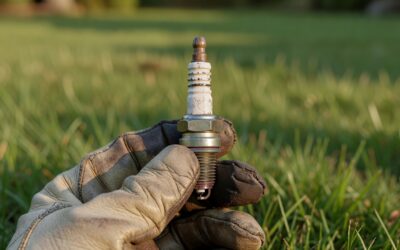
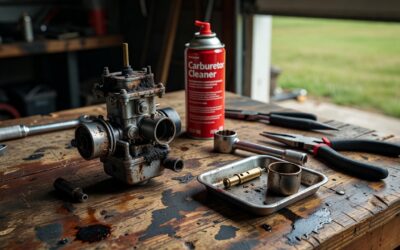
- Air filter and spark plug: Clean or replace the air filter if it’s clogged with debris. Check the spark plug for fouling or wear; replace annually for reliable starting.
- Wheel height adjustment: Set all four wheels to the same height before starting. Uneven wheels create a stepped, uneven cut.
- Safety features test: Verify the blade brake control (dead man’s handle) stops the blade within 3 seconds when released. Check that the discharge chute guard or mulch plug is securely in place.
What Safety Precautions Should Be Taken Before Starting to Mow?
Lawn mowers cause thousands of injuries annually. These precautions are non-negotiable:
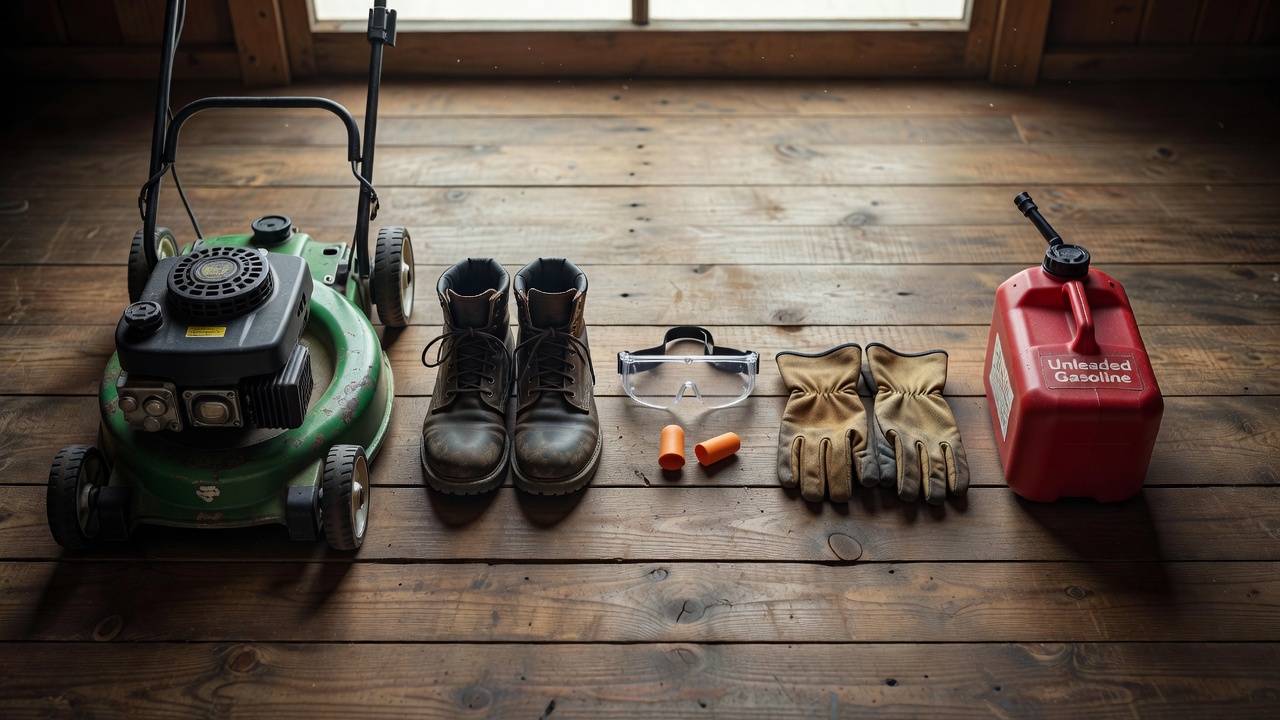
- Personal protective equipment (PPE): Wear closed-toe, non-slip shoes (steel-toe boots ideal), safety glasses or goggles (ANSI Z87.1 rated), and hearing protection (earplugs or earmuffs rated 25+ NRR). Long pants protect legs from thrown debris.
- Clear the lawn: Walk the entire area and remove rocks, sticks, toys, hoses, wire, and pet waste. These become dangerous projectiles at blade speeds of 200+ mph.
- Keep children and pets indoors: Establish a 50-foot safety zone. Never allow children as passengers on riding mowers.
- Check weather and ground conditions: Do not mow in lightning, heavy wind, or on wet grass. Wet grass clumps, clogs the deck, and creates slip hazards.
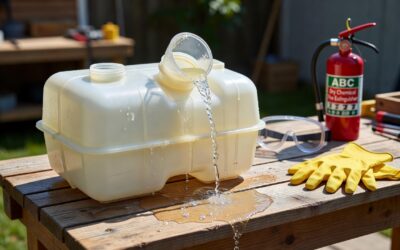
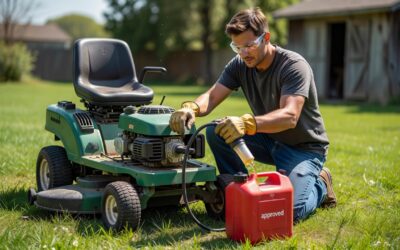
- Fuel safely (gas mowers): Refuel only when the engine is cool. Never smoke near fuel. Wipe spills immediately and move the mower 10+ feet from the fueling spot before starting.
Why Is It Important to Mow When the Grass Is Dry?
Mowing dry grass is critical for cut quality, mower performance, and lawn health:
- Clean cut vs. tearing: Dry grass blades stand upright and slice cleanly. Wet grass bends under the mower, resulting in torn, shredded tips that brown quickly and increase disease susceptibility.
- Clumping and clogging: Wet clippings stick together and to the mower deck, blocking discharge, smothering grass beneath, and creating a breeding ground for fungal pathogens like brown patch and dollar spot.
- Soil compaction and rutting: Heavy mowers on saturated soil compress pore space, reducing root oxygen and water infiltration. Wheels can tear turf, leaving ruts that scalp on subsequent passes.
- Slip hazards: Wet grass reduces traction for both walk-behind and riding mowers, increasing fall and rollover risk.
- Best timing: Mid-morning (after dew dries, before peak heat) or late afternoon are ideal windows. Avoid mowing immediately after rain or irrigation.
What Are the Best Mowing Techniques for a Healthy Lawn?
What Is the Correct Grass Height to Cut?
The “one-third rule” is the golden standard: never remove more than one-third of the grass blade length in a single mowing. This preserves photosynthetic capacity and reduces stress.
| Grass Type | Recommended Height (inches) | Mow When Grass Reaches |
|---|---|---|
| Kentucky Bluegrass | 2.5–3.5 | 3.75–5.25 |
| Perennial Ryegrass | 2.5–3.5 | 3.75–5.25 |
| Tall Fescue | 3.0–4.0 | 4.5–6.0 |
| Fine Fescue | 2.5–3.5 | 3.75–5.25 |
| Bermudagrass (common) | 1.0–2.0 | 1.5–3.0 |
| Zoysiagrass | 1.0–2.5 | 1.5–3.75 |
| St. Augustinegrass | 2.5–4.0 | 3.75–6.0 |
Benefits of proper height: Taller grass shades soil, reducing weed seed germination (especially crabgrass) and conserving moisture. Deeper roots develop, improving drought tolerance. Scalping (cutting too short) weakens the crown, thins turf, and invites weeds.
What Are Effective Mowing Patterns to Use?
Varying your pattern each session prevents soil compaction in wheel tracks, reduces grain (grass leaning one direction), and creates an attractive appearance.
Straight Rows (Basic)
- Mow parallel to the longest straight edge (driveway, sidewalk, property line).
- Overlap each pass by 2–4 inches to avoid uncut strips.
- Turn on the driveway or in a wide turning area, not on the lawn, to avoid tearing turf.
Striping (Checkerboard/Diamond)
- Mow the entire lawn in one direction (e.g., north-south).
- Mow again perpendicular (east-west) for a checkerboard, or at a 45° angle for diamonds.
- Requires a roller attachment or striping kit on the mower deck to bend grass blades in alternating directions, creating light/dark contrast.
Spiral / Concentric Circles
- Start at the perimeter and spiral inward, or start at the center and spiral outward.
- Minimizes turns on the lawn; all turns occur in the same direction.
- Best for square or rectangular lawns without obstacles.
Pattern Rotation Schedule
| Week | Pattern | Purpose |
|---|---|---|
| 1 | North–South rows | Baseline |
| 2 | East–West rows | Cross-grain |
| 3 | Diagonal (45°) | Break compaction lines |
| 4 | Opposite diagonal | Full rotation complete |
How Often Should You Mow Your Lawn?
Frequency follows growth rate, not a calendar. The one-third rule dictates timing:
- Peak spring growth (cool-season grasses): Every 4–5 days. Grass may grow 1+ inch per week.
- Summer heat/drought: Every 7–14 days. Growth slows; raise cutting height by 0.5–1 inch to reduce stress.
- Fall recovery: Every 5–7 days as growth resumes.
- Warm-season grasses (Bermuda, Zoysia, St. Augustine): Every 5–7 days in summer; less in spring/fall.
Signs it’s time to mow: Grass has reached the “mow when” height in the table above, or clippings would exceed 1 inch long if you waited longer. During rapid growth, mowing twice a week may be necessary.
Additional Technique Tips
- Mulch, don’t bag: Return clippings to the lawn. They decompose quickly, returning ~25% of the lawn’s annual nitrogen needs. Use a mulching blade and mulch plug for finest chop.
- Edge and trim last: Mow first, then string-trim edges and around obstacles. This avoids scalping edges with the mower and ensures a uniform look.
- Slow down on slopes: Mow across slopes (not up/down) with walk-behind mowers. With riding mowers, mow up/down slopes (never across) to prevent rollover. Keep speed low.
- Don’t mow dormant grass: In summer drought or winter dormancy, stop mowing. Mowing brown, dormant turf damages crowns.
How Do You Maintain Your Lawn Mower After Use?
How Do You Clean Grass Clippings from a Mower?
Clean the mower after every use to prevent corrosion, deck buildup, and disease spread:
- Safety first: Disconnect the spark plug wire (gas) or remove the battery/safety key (electric). Wait for all moving parts to stop.
- Dry clean: Use a plastic putty knife, brush, or compressed air to remove dry clippings from the deck top, underside, discharge chute, and wheels. Avoid metal scrapers that damage paint.
- Wash (if needed): For heavy buildup, use a garden hose on low pressure. Never use a pressure washer—it forces water into bearings, seals, and electrical components.
- Gas mowers: Cover the air intake and exhaust with plastic bags secured by rubber bands before washing.
- Electric mowers: Avoid direct water on motor vents, battery compartment, and control panel.
- Dry thoroughly: Wipe with a rag or run the mower briefly (blade disengaged) to spin off water. Leave in sun to dry completely before storage.
- Lubricate: Spray light oil (WD-40 or silicone spray) on wheel axles, height adjusters, throttle cables, and the deck’s underside to prevent rust.
What Basic Maintenance Should Be Done After Mowing?
Post-mowing checks catch issues early:
- Blade check: Inspect for nicks, bends, or dullness. Touch up with a file or bench grinder if minor; replace if damaged.
- Fastener check: Vibration loosens bolts. Check blade bolt, handle bolts, wheel bolts, and engine mounting bolts monthly.
- Air filter: Tap out debris after each use. Replace paper filters every 25 hours or season; clean foam filters with soap/water, oil lightly, reinstall.
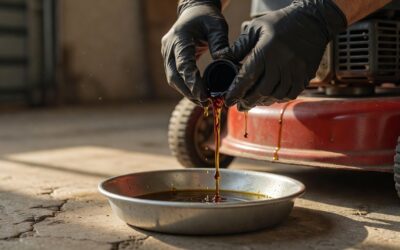
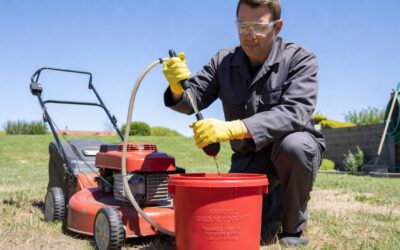
- Fuel management (gas): If storing >30 days, add fuel stabilizer to fresh fuel and run 5 minutes to circulate. Or drain tank and run dry.
- Battery care (electric): Remove battery, store at 40–60% charge in a climate-controlled area (40–70°F). Charge to 60% every 2–3 months during off-season.
How Should a Lawn Mower Be Stored?
Proper storage extends mower life significantly:
- Location: Dry, covered, ventilated area (garage, shed). Avoid damp basements or outdoor exposure.
- Position: Store on all four wheels. Do not hang walk-behind mowers by the handle—this stresses the crankshaft and can leak oil into the cylinder.
- Gas mower winterization (end of season):
- Change oil (warm engine drains better).
- Replace spark plug.
- Clean/replace air filter.
- Sharpen and balance blade.
- Add stabilizer to fresh fuel, fill tank 95% full (reduces condensation), run 5 minutes.
- Disconnect spark plug wire.
- Cover with breathable tarp (not plastic, which traps moisture).
- Electric mower winterization:
- Clean thoroughly.
- Remove battery; store indoors at 40–60% charge.
- Inspect cord (corded models) for cracks.
- Store mower body in dry area.
Frequently Asked Questions
Can I mow wet grass if I have to?
It’s strongly discouraged. If absolutely necessary, raise the deck to maximum height, mow slowly, clean the deck frequently, and expect poor cut quality. Never mow wet grass on a slope or with an electric mower (shock hazard). Wait for dry conditions whenever possible.
Should I bag or mulch my grass clippings?
Mulch whenever possible. Clippings decompose in 1–2 weeks, returning nitrogen, potassium, and organic matter to the soil—equivalent to one fertilizer application per year. Bag only if grass is excessively tall (clippings >1 inch), diseased, or for aesthetic preference on formal lawns. Compost bagged clippings if herbicide-free.
How do I know when my mower blade needs sharpening?
Check grass tips 24 hours after mowing. Cleanly cut tips appear straight across. Torn, frayed, or brown/white tips indicate a dull blade. Sharpen every 20–25 hours of use or at least once per season. A sharp blade reduces engine load by up to 20% and improves lawn health.
What’s the best time of day to mow?
Mid-morning (8–10 AM) after dew dries but before peak heat, or late afternoon (4–6 PM). Avoid early morning (wet grass), midday (heat stress on grass and operator), and evening (insufficient recovery time before nighttime humidity promotes disease).
How do I mow a new lawn from seed or sod?
Seeded lawn: Wait until grass reaches 3.5–4 inches (typically 6–8 weeks). Set mower to highest setting, remove only 0.5–0.75 inch. Use a sharp blade, mow slowly, avoid turns on new turf. Sod: Wait 2–3 weeks until roots knit (tug test: resistance = ready). Same high-cut, gentle approach for first 3–4 mowings.
Why does my mower leave a strip of uncut grass between passes?
This “mohawk” strip indicates insufficient overlap. Overlap each pass by 2–4 inches (the width of one wheel). Also check: blade may be installed upside down (cutting edges must face rotation direction), spindle bearings may be worn allowing blade wobble, or deck may be bent/uneven. Verify all wheels are set to the same height.