Quick Answer: How to Drain Lawn Mower Oil
To drain lawn mower oil safely: disconnect the spark plug wire, allow the engine to cool for 15–20 minutes, then use one of three methods — (1) insert an oil extractor pump into the dipstick tube and pump oil into a drain pan (cleanest, no tipping); (2) locate and remove the drain plug beneath the engine deck and let oil flow into a pan; or (3) for push mowers only, tip the unit onto its side with the air filter facing upward over a drain pan. After draining, refill with the manufacturer-specified oil type (usually SAE 30 or 10W-30), reinstall the spark plug wire, and dispose of used oil at an auto-parts store or municipal recycling center.
What You Need Before You Start: Tools & Safety Prep
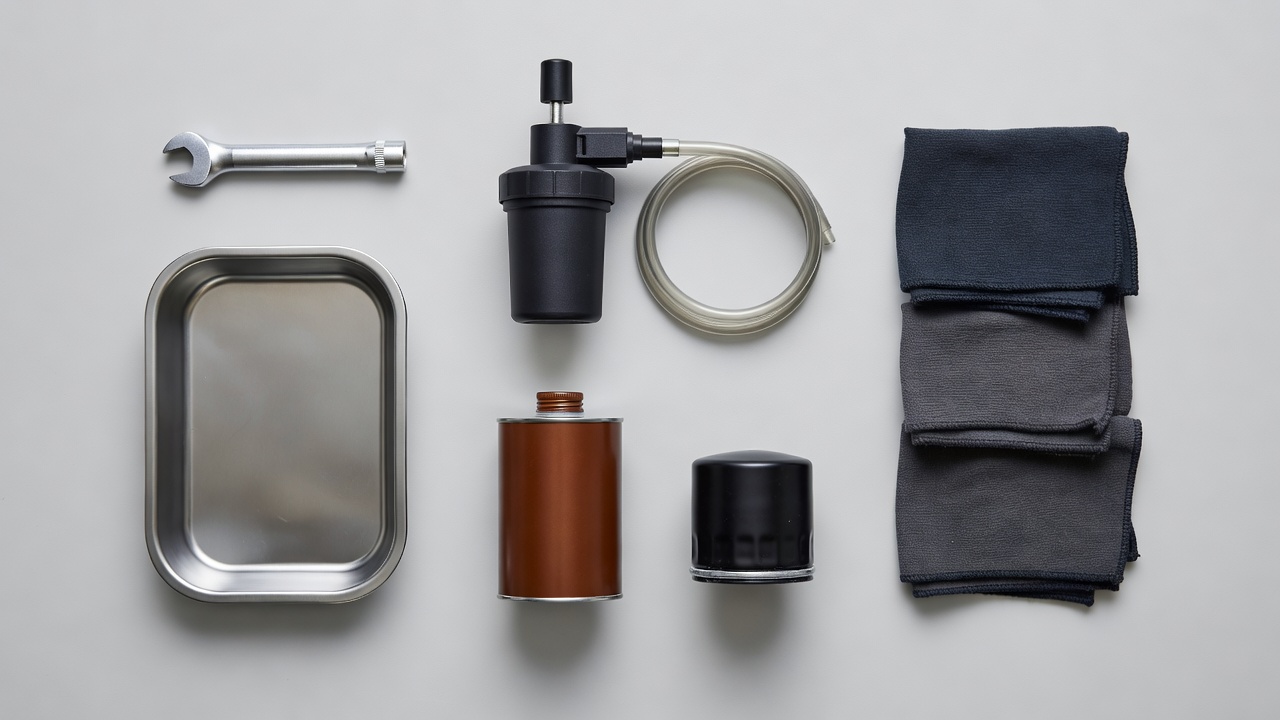
Before draining lawn mower oil, gather the right tools and prepare the engine to prevent injury and mess:
- Oil drain pan — a shallow, wide container (at least 2–4 quarts capacity)
- Rags or absorbent towels — for cleanup and catching drips
- Socket wrench or adjustable wrench — to remove the drain plug (size depends on your mower model)
- Oil extractor pump (optional) — a manual or battery-powered siphon pump for dipstick-tube extraction
- New oil — check your owner’s manual for the correct SAE grade and quantity
- Oil filter (if applicable) — some riding mowers have replaceable filters
Safety steps before draining:
- Disconnect the spark plug wire — prevents accidental engine start while you work
- Let the engine cool — warm oil flows faster and is less toxic to inhale, but hot oil can burn skin; wait 15–20 minutes after shutdown
- Work on level ground — prevents the mower from rolling and ensures even oil drainage
- Identify your oil type — look at the owner’s manual or the dipstick label for the correct SAE grade (SAE 30, 10W-30, etc.)
Method 1: Oil Extractor Pump via Dipstick Tube (Recommended)
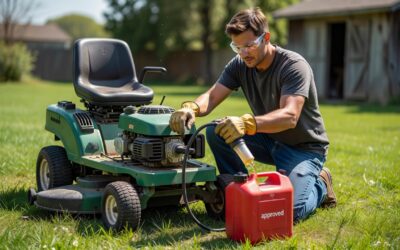
The oil extractor pump method is the safest and cleanest option for both push and riding mowers because it requires no tipping and no drain plug access. Many homeowners prefer this method to avoid spills and engine damage.
How it works:
- Locate the dipstick tube on your mower engine (usually a yellow or orange handle near the top of the engine block).
- Remove the dipstick by twisting and pulling it straight out.
- Insert the oil extractor pump tube into the empty dipstick hole — the tube should be flexible and long enough to reach the oil sump (typically 12–24 inches).
- Pump the handle or trigger the electric pump to create suction; oil will flow up the tube into the collection container.
- Continue pumping until no more oil comes up (usually 2–5 minutes depending on pump type and oil volume).
- Remove the pump tube and reinstall the dipstick.
Advantages: No mess, no tipping required, no need to crawl under the mower, works on all mower types, and you can control the flow rate.
Disadvantages: Requires purchasing or borrowing a pump ($15–$50 for manual, $40–$100+ for electric); some manual pumps are labor-intensive for large sumps.
Best for: Homeowners who prioritize cleanliness and don’t have drain plug access or prefer not to tip the mower.
Method 2: Drain Plug Removal
Most mowers — both push and riding — have an oil drain plug located on the underside of the engine block. This is the traditional method and works well if the plug is accessible and not corroded.
Step-by-step drain plug removal:
- Position the mower on level ground over a drain pan.
- Locate the drain plug — on push mowers, this is usually on the side or bottom of the engine; on riding mowers, it’s under the engine deck, often accessible from below or by removing a side panel.
- Place the oil drain pan directly beneath the plug to catch drips.
- Using the correct wrench size (typically 10mm to 14mm, depending on mower brand), loosen the drain plug by turning counterclockwise.
- Once loose, carefully unscrew the plug by hand and set it on a rag — it may be hot or oily.
- Allow oil to drain for 3–5 minutes; tilt the mower slightly if needed to help oil flow toward the pan.
- Once the flow slows to a drip, wipe the drain plug clean with a rag.
- Inspect the drain plug washer (a small rubber or metal ring) — if it’s cracked or flattened, replace it to prevent leaks on reassembly.
- Screw the drain plug back in by hand, then tighten with the wrench (snug, but not so tight that you strip the threads — typically 15–25 foot-pounds of torque for most mowers).
Troubleshooting:
- Drain plug is stuck or corroded: Apply penetrating oil (WD-40, Liquid Wrench) and wait 10–15 minutes before attempting removal again.
- Drain plug is stripped: Replace with an oversized drain plug kit ($10–$20) or have a small engine repair shop repair the hole.
- Oil won’t drain: The drain hole may be clogged; try inserting a small wire or a drain-plug cleaning tool to clear it.
Method 3: Tipping the Mower (Push Mowers Only)
Some homeowners tip a push mower to drain oil without removing the plug. This method works but carries risk if done incorrectly, as tipping the wrong way can flood the carburetor or air filter with oil, potentially damaging the engine.
Correct tipping procedure:
- Position the mower so that the air filter and carburetor side faces upward (usually toward the handle).
- Tilt the mower onto its side at a 45–90-degree angle, supporting it securely so it won’t roll.
- Position a drain pan underneath the plug or sump area.
- Let oil drain into the pan for 3–5 minutes.
- Carefully lower the mower back to upright position.
Important warnings:
- Never tip the mower with the air filter facing down — oil and fuel will flow into the carburetor and air filter, causing hard starting, rough idle, and potential engine damage.
- Do not tip riding mowers — they are too large and heavy, and the risk of injury or damage is too high.
- Avoid this method if the mower is hot — oil may splash out and burn you.
How to Drain Oil from a Push Mower (Walk-Behind): Complete Procedure
Push mowers have simpler drain access than riding mowers, and most models can be serviced in 15–20 minutes.
Recommended approach for push mowers:
- Disconnect the spark plug wire.
- Allow the engine to cool for 15–20 minutes.
- Choose your drain method: oil extractor pump (easiest, no mess) or drain plug removal (most traditional).
- If using the drain plug method, access the plug from the side or bottom of the engine block (consult your manual for exact location).
- Place the drain pan beneath the plug and remove it carefully.
- Wait for oil to stop dripping (3–5 minutes).
- Wipe the plug and inspect the washer; replace if damaged.
- Reinstall and tighten the drain plug securely.
- Refill with the correct oil type and amount (typically 0.6–1.5 quarts for push mowers; check the dipstick for the full mark).
- Wipe the dipstick clean, reinsert it fully, and check the oil level — it should reach the full mark.
- Reconnect the spark plug wire.
- Dispose of used oil at an auto-parts store or recycling center.
Common push mower models and their drain plug locations:
- Briggs & Stratton: Drain plug is typically on the side of the engine, accessible without removing the engine.
- Honda GCV engines: Drain plug is under the engine deck; may require removal of a side panel or guard.
- Kawasaki engines: Drain plug is located on the underside of the sump; may be easier to access with the mower on its side (air filter up).
How to Drain Oil from a Riding Mower: Complete Procedure
Riding mowers have larger engines and higher oil capacity (1–2 quarts or more), so drainage takes slightly longer. Access to the drain plug is often from underneath the mower deck.
Step-by-step for riding mowers:
- Park the mower on level ground and engage the parking brake.
- Disconnect the spark plug wires (riding mowers may have two or more plugs).
- Let the engine cool for 20–30 minutes.
- Locate the drain plug — check your owner’s manual, as it may be under the engine deck, on the side of the engine block, or accessed by removing a protective panel.
- If the plug is hard to reach, you may prefer the oil extractor pump method via the dipstick tube.
- If accessing the drain plug, place a larger drain pan (5+ quarts) beneath it to catch all oil.
- Loosen the drain plug with the correct wrench size, then carefully unscrew it by hand.
- Allow oil to drain for 5–10 minutes, depending on oil temperature and thickness.
- Wipe the drain plug, inspect the washer, and replace if worn.
- Reinstall and tighten the drain plug (do not overtighten; typically 15–25 foot-pounds).
- If your riding mower has an oil filter (common on Briggs & Stratton and Kohler engines), replace it now: loosen the filter by hand, remove it, and screw on a new filter (hand-tight only).
- Refill the engine with the correct oil type and amount (consult your manual; most riding mowers take 1–2 quarts).
- Use the dipstick to verify the oil level is at the full mark.
- Reconnect the spark plug wires.
- Start the mower and let it idle for 1–2 minutes to circulate the new oil; check for leaks around the drain plug.
- Dispose of used oil responsibly.
Engine-brand variations:
- Briggs & Stratton (riding mower): Drain plug is usually on the side of the engine; oil filter (if equipped) is on top or side. Capacity: 1–1.5 quarts.
- Kohler (riding mower): Drain plug is typically under the engine deck; filter is on top. Capacity: 1.5–2 quarts.
- Honda (riding mower): Drain plug is on the side of the engine; no oil filter on most residential models. Capacity: 0.6–1.2 quarts.
- Kawasaki (riding mower): Drain plug is on the underside; filter may be present on commercial-grade mowers. Capacity: 1.5–2 quarts.
Which Oil Type to Use When Refilling
After draining, refilling with the correct oil type is critical for engine longevity and performance. Using the wrong viscosity can reduce fuel efficiency, increase engine wear, and void your warranty.
Common oil grades for lawn mowers:
| Oil Grade | Best For | Temperature Range | Notes |
|---|---|---|---|
| SAE 30 | Warm climates; summer use | 50°F and above | Straight-weight oil; thicker; good for older engines and high-load use |
| 10W-30 | Most climates; year-round use | –4°F to 104°F | Multigrade; thinner in cold, thicker when warm; widely recommended by manufacturers |
| 5W-30 | Cold climates; winter use | –13°F to 104°F | Flows better in cold; good for early-spring and late-fall use |
| Synthetic (0W-30, 5W-30) | Premium engines; extended intervals | –40°F to 140°F+ | Lasts longer; costs 2–3x more; check manual before using |
How to find the correct oil for your mower:
- Check the owner’s manual — the correct oil type is always listed in the maintenance section.
- Look at the dipstick label — many mowers have the recommended oil grade printed on it.
- Check the engine manufacturer’s website — Briggs & Stratton, Honda, Kohler, and Kawasaki publish oil recommendations by engine model.
- Ask your local small-engine repair shop — they can often identify your mower and recommend the right oil instantly.
Oil capacity by mower type:
- Push mowers: 0.6–1.5 quarts (always verify with your manual)
- Riding mowers: 1–2 quarts (check your manual for exact capacity)
Can I use synthetic oil? Yes, but check your manual first. Most newer mowers allow synthetic oil (0W-30, 5W-30), but some older engines perform better with conventional SAE 30. Synthetic oil costs more but lasts 1.5–2x longer and provides better cold-start performance.
How to Dispose of Used Lawn Mower Oil
Never pour used oil down a drain, onto the ground, or into the trash — it’s illegal in most areas and harms groundwater and wildlife. Here are safe disposal options:
Free or low-cost disposal:
- Auto-parts stores — AutoZone, O’Reilly Auto Parts, Advance Auto Parts, and NAPA all accept used motor oil for free (bring it in a sealed container). Check their website or call to confirm current policies.
- Municipal recycling centers — Many cities have hazardous waste collection days or drop-off locations; contact your local waste management authority for dates and locations.
- Quick-lube shops and service stations — Some accept used oil from homeowners for free as a goodwill gesture; call ahead to ask.
- Environmental nonprofits — Some local environmental or conservation groups host oil disposal events; search online for your area.
How to store and transport used oil:
- Pour used oil into a sealed, labeled container (empty oil bottles work well, or use a milk jug).
- Do not mix oil with other fluids (gasoline, coolant, brake fluid).
- Store in a cool, dry place away from children and pets.
- Transport in a bag or container to prevent spills in your vehicle.
Frequently Asked Questions
How often should I change the oil in my lawn mower?
Most manufacturers recommend changing oil every 50 operating hours or once per season (spring or fall), whichever comes first. If you mow frequently (2–3 times per week), you may need to change oil every 8–10 weeks. Check your owner’s manual for the exact interval for your mower model. At minimum, check the oil level before each use and top it up if needed.
What happens if I tip the mower the wrong way when draining oil?
If you tip the mower with the air filter or carburetor facing downward, oil and fuel will flow into the carburetor and air filter. This causes the engine to run rough, start hard, and produce white smoke. In severe cases, it can damage the carburetor. Always tip with the air filter facing upward (toward the handle on push mowers). If you’ve accidentally tipped it the wrong way, remove the spark plug wire and wait 30 minutes, then remove the plug and crank the engine a few times to expel excess oil before attempting to start it.
Can I dispose of used lawn mower oil in the trash?
No. Used motor oil is classified as hazardous waste in most U.S. states and cannot be thrown in the trash. It must be recycled or disposed of at a designated hazardous waste facility. Pouring it on the ground or down a drain is illegal and can contaminate groundwater and harm wildlife. Always take used oil to an auto-parts store, municipal recycling center, or service station for proper disposal.
Do I need to replace the oil filter when draining the mower oil?
Not all mowers have oil filters — most walk-behind push mowers do not. Riding mowers and some high-end push mowers may have replaceable filters. Check your owner’s manual or look at your engine to see if a filter is present. If your mower has a filter, replace it during every oil change for best results; a new filter costs $5–$15 and keeps the new oil clean longer.