
Quick Answer: How To Drain Gas From A Lawn Mower?
To drain gas from a lawn mower, first ensure the engine is off and cool. Locate the fuel tank and either use a siphon pump to transfer gasoline into an approved container or disconnect the fuel line to drain it directly. For carburetor draining, locate the drain bolt or use the carburetor’s drain feature. Always work in a well-ventilated area,…
Draining the gasoline from your lawn mower is a crucial maintenance task, especially before seasonal storage or when dealing with contaminated fuel. Old gas can gum up your carburetor and prevent your mower from starting. This comprehensive guide will walk you through the entire process safely and effectively.
Why and When Should You Drain Gas from a Lawn Mower?
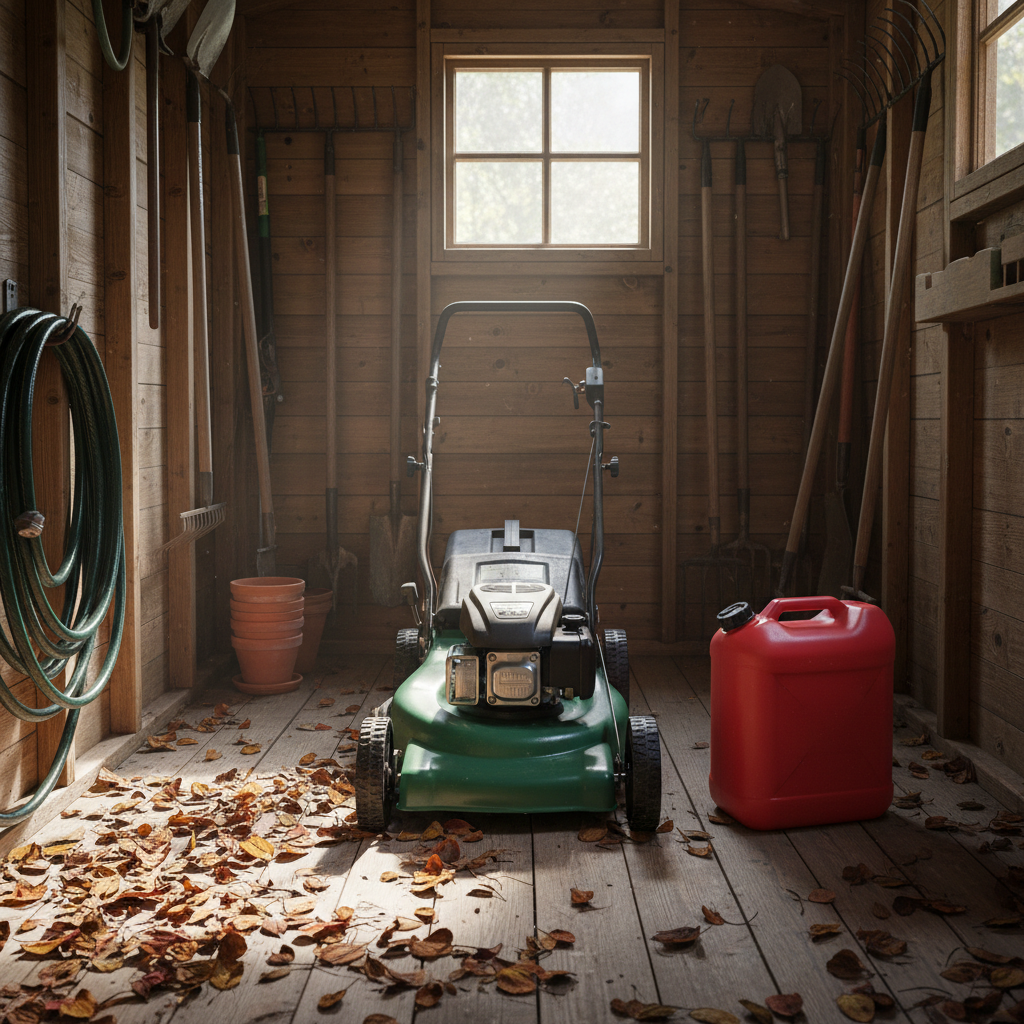
Understanding the reasons for draining fuel helps you maintain your mower’s performance and longevity. For complementary hardware performance, examine our breakdown on riding lawn mower specifications.
- End-of-Season Storage: Gasoline can degrade over 30-60 days, forming varnish and deposits that clog fuel systems. Draining the tank before winter storage is the best way to prevent starting problems in the spring.
- Fuel Contamination: If you accidentally put the wrong fuel in your mower or if water has entered the tank, draining it immediately is essential to prevent engine damage.
- Safety Precautions: Removing gasoline reduces the risk of fire hazards, especially if the mower is stored near an ignition source or in an enclosed space like a shed or garage.
- Maintenance and Repairs: Many repair tasks, such as cleaning or replacing the carburetor, require the fuel system to be empty.
Key Safety Precautions and Tools Needed
Gasoline is highly flammable and its fumes are dangerous. Prioritize safety with these essential steps and tools.
Safety Gear and Workspace Preparation
- Ventilation: Work outdoors or in a very well-ventilated area away from any sparks, flames, or pilot lights.
- Fire Safety: Keep a fire extinguisher (Class B for flammable liquids) nearby. Never smoke while handling gasoline.
- Personal Protection: Wear chemical-resistant gloves and safety glasses to protect against splashes.
- Workspace: Lay down a tarp or old towels to catch any spills. Ensure the area is clean and free of clutter.
Required Tools and Supplies
- Approved Fuel Container: A red, metal or plastic container specifically designed for gasoline storage.
- Siphon Pump or Turkey Baster: For transferring fuel from the tank without direct contact.
- Basic Tool Kit: A set of wrenches or pliers to disconnect fuel lines or remove drain bolts.
- Funnel and Rags: For clean pouring and cleanup of any spills.
Step-by-Step Guide to Draining Gas from the Fuel Tank
Follow these steps for the most common method of fuel removal.
Method 1: Using a Siphon Pump
- Preparation: Turn off the mower and let the engine cool completely. Position your approved fuel container on the ground below the level of the fuel tank.
- Insert the Siphon: Place the inlet tube of the siphon pump into the fuel tank. Place the outlet tube securely into your fuel container.
- Start the Flow: Prime the pump according to its instructions to start the flow of gasoline. Allow the tank to drain completely.
- Secure the Tank: Once empty, remove the siphon and securely replace the fuel cap.
Method 2: Disconnecting the Fuel Line
- Locate the Fuel Line: Find the rubber fuel line that runs from the tank to the carburetor. It is often secured with small clamps.
- Prepare for Spills: Place a rag or shallow pan under the connection point to catch residual fuel.
- Disconnect the Line: Use pliers to gently slide the clamp back, then carefully twist and pull the fuel line off the tank’s outlet nipple. Direct the flow into your container.
- Address the Fuel Shut-Off Valve: If your mower has a fuel shut-off valve, turn it to the ‘OFF’ position before starting. You can open it during draining to allow all fuel to flow out.
How to Drain Gas from the Carburetor
For complete fuel removal, especially for storage, you must also empty the carburetor bowl.
- Locate the Carburetor: It is typically found under the air filter assembly.
- Find the Drain Bolt: Look for a small bolt or screw on the bottom of the carburetor’s float bowl. Some models have a dedicated drain hose.
- Drain the Bowl: Place a container and rag underneath. Loosen the drain bolt slowly to allow the fuel to drain out. Be prepared for a small amount of gas to spill.
- Reassemble: Once drained, tighten the bolt securely (do not overtighten) and reattach any hoses.
Proper Disposal and Storage of Drained Gasoline
Never pour old gasoline down the drain, on the ground, or into the trash. It is a hazardous waste.
- Temporary Storage: Keep the drained gasoline in the approved, sealed container in a cool, shaded, and well-ventilated area away from living spaces. Label it clearly as “Old Gas – For Disposal.”
- Disposal Location: Contact your local waste management authority, hazardous waste facility, or auto parts store. Many communities offer free or low-cost hazardous waste collection days.
- Can You Reuse It? If the gas is less than 30 days old and not contaminated, you can mix it with fresh gasoline (at a 1:4 ratio of old to new) in a vehicle’s tank. For older or questionable fuel, disposal is the safest option.
Tips for Different Mower Types and Maintenance Scenarios
The core process is similar, but minor variations exist.
- Push Mowers vs. Riding Mowers: Riding mowers often have larger tanks and may have a more accessible fuel shut-off valve. The siphoning method is often easier on riding mowers due to tank height.
- Mowers with Electric Start: Always disconnect the spark plug wire and, if applicable, the battery terminal before performing any fuel system work to prevent accidental starts.
- Using Fuel Stabilizer: If you are draining the tank for seasonal storage, consider adding a fuel stabilizer to the remaining small amount of gas in the system (run the engine for a few minutes after adding it to treat the carburetor) instead of a full drain. However, a full drain is still the most reliable method.
Everything You Need to Know: How To Drain Gas From A Lawn Mower FAQ
What is the easiest way to drain gas from a lawn mower?
The easiest method for most people is using a manual siphon pump. It allows you to transfer fuel directly from the tank into an approved container with minimal mess and without disconnecting any parts. Always ensure the pump’s tubing fits securely in the tank opening.
Can I just run the lawn mower until it’s out of gas?
While this empties the fuel tank, it does not remove the gasoline from the carburetor bowl. This old fuel will still evaporate and leave behind gummy deposits that can clog jets and cause starting issues. For proper storage preparation, manually draining the carburetor is recommended. To compare alternative configurations, check our hands-on review of marshall stanmore iii vs harman kardon onyx studio 8.
How do I dispose of old gas from my lawn mower?
Old gasoline must be taken to a designated hazardous waste disposal facility. Do not pour it down drains, sewers, or onto the ground. Contact your local municipality or waste management service for the nearest drop-off location and any specific guidelines.
Should I add fuel stabilizer before draining the gas for winter storage?
If you are performing a complete drain, adding stabilizer beforehand is unnecessary. However, if you plan to leave a small amount of fuel in the tank and carburetor, adding stabilizer and running the engine for a few minutes to circulate it is a good practice to prevent varnish buildup. Users looking for related component recommendations can explore our dyson v8 cyclone vs bissell featherweight stick breakdown.
Related Maintenance and Operating Guides
To keep your equipment running at peak operating efficiency, explore our related technical walkthroughs and maintenance tutorials:
- Consult our detailed breakdown on heavy-duty chainsaw buyer guide.
- Consult our detailed breakdown on durable ride-on lawn tractor guide.
Fuel Draining Safety Notes
Drain fuel outdoors, away from open flames, and into a container labeled for gasoline. Let the engine cool first, since hot surfaces can ignite spilled fuel. Readers interested in the wider framework behind equipment norms can look at American National Standards Institute (ANSI).