Quick Answer: How to Drain Oil from a Push Lawn Mower
To drain oil from a push lawn mower, warm the engine for 30 seconds, turn it off, and use one of three methods: (1) locate and open the drain plug at the engine’s base into a drain pan, (2) use an oil suction pump inserted through the dipstick tube, or (3) tilt the mower on its side with the carburetor facing upward and drain from the plug. The method depends on your mower model, as not all push mowers have accessible drain plugs. Always dispose of used oil at a recycling center or authorized service facility.

Pros
- Listing says the flexible neck bends to reach tight drain plugs
- Self-standing base and folding design for compact storage
- Manufacturer-stated resistance to motor oil and coolant
- Listed temperature range of -35°C to 105°C (-31°F to 221°F)
Cons
- Color listing conflicts: red in title and specs, green in features
- Includes one funnel only; no extra attachments are listed
Understanding Your Push Lawn Mower’s Oil System
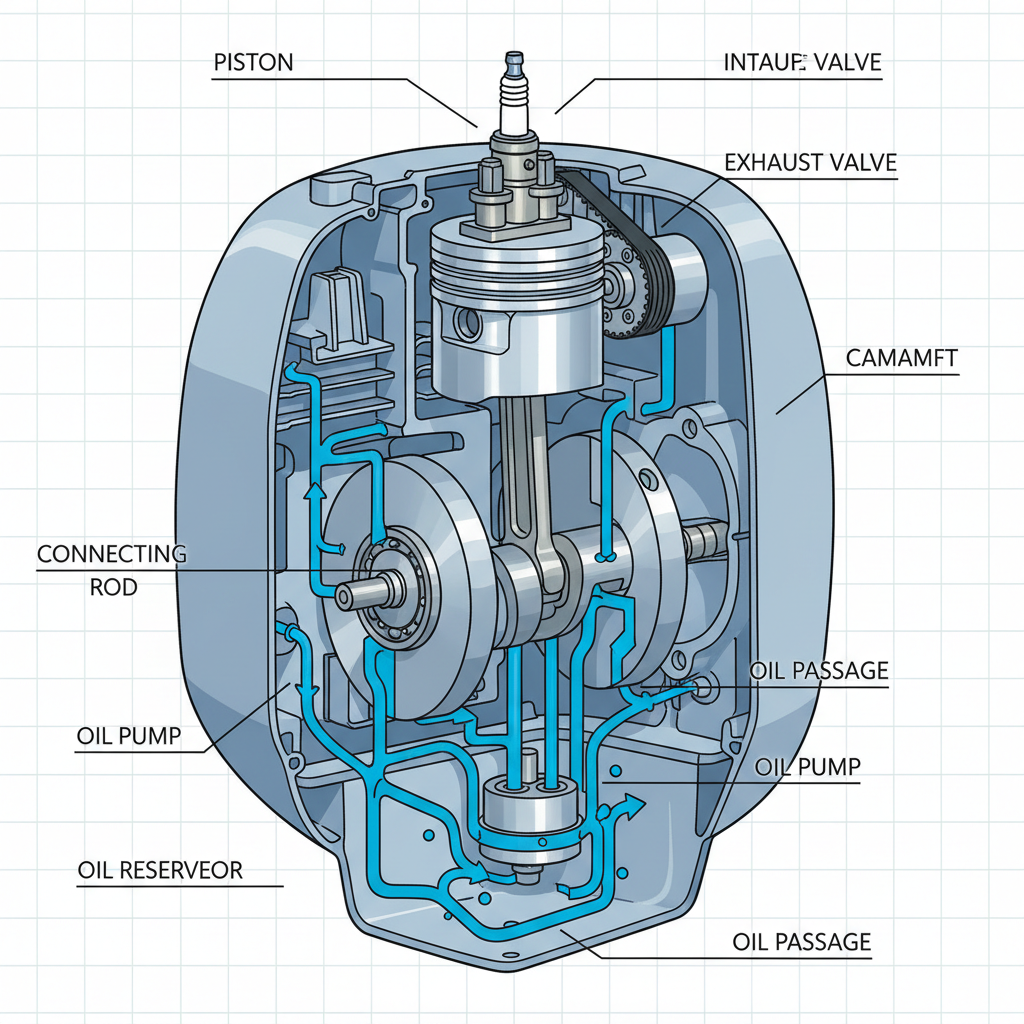
Push lawn mower engines are small four-stroke or two-stroke engines that require regular oil maintenance to function properly. The oil lubricates moving engine parts, reduces friction, and helps dissipate heat. Most residential push mowers use four-stroke engines with dedicated oil systems, meaning oil does not mix with fuel like it does in two-stroke engines.
Most push mower engines require SAE 30 or 10W-30 oil, though some models may specify 5W-30 for colder climates. Checking your owner’s manual is essential because using the wrong oil viscosity can affect engine performance and longevity.
Regular oil changes extend small engine lifespan by reducing wear on internal components. Most manufacturers recommend draining and replacing oil every 50 to 100 hours of operation, or at least once per season for typical homeowners. Neglecting oil changes causes sludge buildup, reduced lubrication, and premature engine failure.
Safety Precautions Before Draining Oil
Taking proper safety steps prevents injury and environmental contamination:
- Warm the engine slightly: Run the engine for 30 seconds before turning it off. Warm oil flows more freely and drains faster than cold oil, which is thicker and more viscous. However, never drain oil immediately after heavy mowing, allow it to cool for 5-10 minutes so it’s warm but not scalding hot.
- Work on a level surface: Always drain oil on flat, level ground to ensure complete drainage and prevent spills.
- Wear protective gear: Wear chemical-resistant gloves to protect your hands from used oil, which can contain harmful contaminants. Safety glasses are recommended to protect against splashes.
- Use an appropriate drain pan: Place a drain pan beneath the drain plug or tilt area. A 5-quart capacity is typical for most push mowers. Never drain oil directly onto soil, concrete, or storm drains.
- Dispose of used oil responsibly: Used oil is an environmental hazard and should never be poured down drains, into the ground, or into municipal waste. Take it to a local recycling center, quick-lube facility, or authorized service center.
Method 1: Using the Drain Plug (Primary Method)
Most push mowers have a drain plug located at the lowest point of the engine crankcase. This gravity-drain method is the most straightforward approach. For additional operational safety benchmarks, see our published testing notes on z890 vs x870e motherboard.
Step-by-step process:
- After warming and stopping the engine, locate the drain plug. On most mowers, it’s a bolt at the bottom or side of the engine block. Consult your owner’s manual if you’re unsure of the location.
- Position your drain pan directly beneath the plug to catch all draining oil.
- Using an appropriately sized wrench or socket (typically 10mm to 14mm), slowly turn the drain plug counterclockwise. Have paper towels ready, a small amount of oil may drip as you loosen it.
- Once hand-tight, carefully unscrew it the rest of the way by hand, keeping your fingers clear of hot oil. If the plug is stuck, apply penetrating oil and wait 5-10 minutes before trying again. Do not force it, as you may strip the threads.
- Allow oil to drain fully for 5-10 minutes. Tilt the mower slightly if needed to help oil flow toward the drain pan, but be cautious about tilting too far.
- Once draining stops, wipe the drain plug clean with a paper towel and inspect the washer. If the washer is damaged or worn, replace it with a new one to prevent future leaks.
- Reinstall the drain plug, tightening it snugly by hand, then with a wrench, firm but not over-tight, which can damage the plug or crankcase.
This method is fastest and cleanest. Most drain plugs require basic hand tools, and the process typically takes 10-15 minutes including cleanup. To compare alternative configurations, check our hands-on review of marshall stanmore iii vs harman kardon onyx studio 8.
Method 2: Using an Oil Suction Pump (Alternative)
An oil suction pump is a manual or electric device that extracts oil through the dipstick tube without requiring a drain plug. This method is valuable for mowers with difficult-to-access or missing drain plugs.
How it works: The suction pump’s intake tube is inserted down the dipstick tube into the crankcase. As you activate the pump (either by pulling a handle repeatedly or turning on the electric motor), it creates negative pressure that draws oil up through the tube into a collection tank. Users looking for related component recommendations can explore our dyson v8 cyclone vs bissell featherweight stick breakdown.
Step-by-step process:
- Remove the dipstick or oil level indicator from the mower.
- Insert the suction pump’s intake tube straight down the dipstick hole until it reaches the bottom of the oil reservoir.
- For manual pumps, pull the handle 5-10 times to establish suction and begin drawing oil.
- Continue pumping or run the electric pump until oil flow stops. This typically takes 2-3 minutes for a complete drain.
- Withdraw the pump and dipstick tube, allowing excess oil to drain back into the collection tank.
- Reinstall the dipstick and secure the pump’s collection tank for disposal.
Oil suction pumps work effectively for conventional oil viscosities. They’re especially useful for mowers with sealed or engine-mounted drain pans and cost between $20-$100 depending on type. Electric versions are faster, while manual pumps are affordable and require no electricity. Before finalizing equipment decisions, refer to our comprehensive bissell crosswave hydrosteam vs shark stainforce comparison.
Method 3: Tilting the Mower (Last Resort)
If your mower has neither a drain plug nor a dipstick tube accessible enough for a suction pump, tilting the mower allows gravity to drain oil through the plug opening. This method requires care to avoid fuel leakage and should be reserved for mowers without accessible drain alternatives.
Important consideration: When tilting, the carburetor must face upward. Tilting with the carburetor facing down can cause oil to enter the carburetor, fouling the spark plug and creating starting difficulties.
Step-by-step process:
- Position your drain pan to one side of the mower.
- Identify which direction tilts the mower so the carburetor (usually on the side of the engine) points upward.
- Gently tip the mower to approximately a 45-degree angle, supporting it securely so it won’t slip or tip further.
- Locate the drain plug and remove it carefully, letting oil flow into the pan.
- Allow 5-10 minutes for complete drainage.
- Wipe and reinstall the drain plug before lowering the mower back to level position.
This method carries risks: unintended fuel spillage, loss of footing, or engine damage if done incorrectly. Use it only if other methods are impossible.
Common Challenges and Model Variations
No visible drain plug: Some compact or older mower models lack a traditional drain plug. In these cases, use an oil suction pump, or consult the manufacturer for the specific drain procedure.
Stuck or seized drain plug: If a plug won’t budge, apply penetrating oil (such as WD-40 or PB Blaster) around the plug’s base and wait 15-30 minutes. Gently tap the wrench with a hammer to help break corrosion, then try again slowly. Forcing a stuck plug risks stripping threads or breaking the plug inside the crankcase.
Brand and engine differences: Briggs & Stratton, Honda, Kohler, and Kawasaki engines may have different drain plug locations and configurations. Always consult your specific engine’s manual. Some commercial-grade mowers have spin-on oil filters in addition to the drain plug, which should also be changed during maintenance.
Incomplete drainage: If oil won’t drain fully, the drain hole may be clogged with debris. Gently probe with a small wire or rod to clear the opening, being careful not to damage the plug seat. Extreme cold can also thicken oil, making it drain more slowly.
Proper Oil Disposal and Environmental Responsibility
Used oil is classified as a hazardous material and should never enter landfills, storm drains, or soil. One quart of used oil can contaminate 250,000 gallons of freshwater.
Disposal options:
- Take used oil to a local recycling center or hazardous waste collection facility. Most communities have at least one.
- Visit quick-lube or automotive service shops. Many accept used oil from customers at no charge, regardless of where the oil was changed.
- Contact your municipality’s environmental department for approved disposal locations.
- Some retailers with automotive departments (such as Walmart or AutoZone) accept used oil free of charge.
Store used oil in a sealed, clearly labeled container away from children and pets. Most people keep drained oil in the original jug or a dedicated oil disposal container until disposal day. Never reuse or attempt to recycle used oil at home.
Tools and Materials You’ll Need
Gather these items before beginning the oil drain process:
- Drain pan: 5-quart capacity minimum; plastic or metal
- Wrench or socket set: 10mm to 14mm sizes cover most push mower drain plugs
- Rags or paper towels: For cleanup and wiping components
- Chemical-resistant gloves: Nitrile or latex to protect hands
- Oil suction pump (optional): $20-$100 if your mower lacks a drain plug
- Penetrating oil: Such as WD-40, if drain plug is stuck
- Oil disposal container: Sealed, labeled jug for used oil transport
- Work surface: Cardboard or absorbent mat to catch spills
Frequently Asked Questions About How To Drain Oil From A Push Lawn Mower
Should I drain oil when the engine is hot or cold?
Drain oil when the engine is warm but not hot. Run the engine for 30 seconds to thin the oil, then allow 5-10 minutes for cooling. Warm oil flows faster than cold, viscous oil, but scalding-hot oil can burn your skin. This balance ensures efficient drainage and safe handling.
How often should I drain oil from my push mower?
Most manufacturers recommend draining oil every 50 to 100 hours of operation, or once per season for typical homeowners. Check your manual for the specific interval. Frequent short mowing sessions may require more frequent changes than occasional heavy use.
Can I pour used oil down the drain or into the ground?
No. Used oil is hazardous and illegal to dispose of in municipal waste, storm drains, or soil in most jurisdictions. Always take it to a certified recycling facility or service center. Improper disposal can result in fines and environmental contamination.
What if my drain plug won’t open?
Apply penetrating oil around the plug and wait 15-30 minutes. Tap gently with a hammer to break corrosion, then turn slowly with a properly fitting wrench. If it remains stuck, consult a small engine repair technician rather than risking damage to the plug or crankcase threads.
Wrap-Up: Which Model Delivers True Value?
Draining oil from a push lawn mower is a straightforward maintenance task that most homeowners can perform in 15-20 minutes. The drain plug method works for the majority of mowers, while suction pumps and tilt-and-drain techniques provide alternatives for specific designs. Prioritize safety, warm the engine appropriately, use protective gear, contain spills, and dispose of used oil responsibly at a recycling facility. Regular oil changes keep your mower running reliably for years and prevent costly engine damage.
Draining Oil from a Push Mower
Draining through the fill port or a drain plug is the usual method on a push mower. Set a catch pan beneath the engine and let the oil flow fully before tipping the mower back. General guidance on waste oil handling is available from American National Standards Institute (ANSI).