
Quick Answer: How to Fix Lawn Mower
Quick Answer: Most lawn mower failures fall into three categories: won’t start (usually stale fuel or bad spark plugs), cuts unevenly (dull blades or uneven deck), or runs roughly (dirty air filter or fuel line clog). Start by checking fuel quality, inspecting the spark plug, and cleaning the air filter, these account for roughly 80% of common issues. For gas mowers, drain old fuel and refill with fresh gas; for electric mowers, verify battery charge and cord integrity. More complex repairs like blade sharpening and deck cleaning are manageable for DIYers with basic tools, but internal engine damage, transmission failure, or compromised safety systems require professional repair.
Understand Your Mower Type First
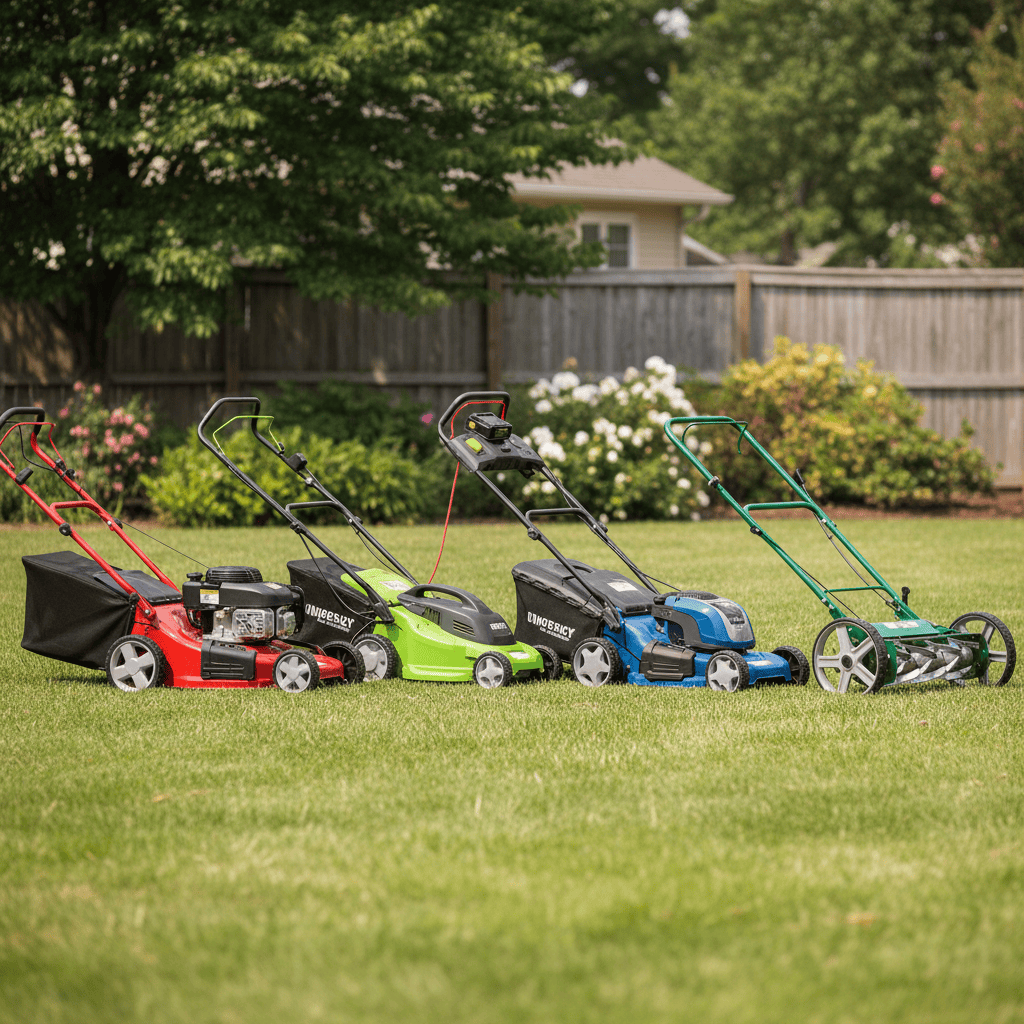
Before troubleshooting, recognize that repair approaches differ significantly by mower category. Gas-powered mowers rely on combustion and are prone to fuel degradation, spark plug fouling, and carburetor clogs. Electric mowers (corded or battery-powered) have fewer moving parts but depend on battery health and electrical connections. Push reel mowers have no engine but require blade alignment and bearing maintenance. Riding mowers add complexity with belts, pulleys, and transmission systems.
Understanding your mower type helps you prioritize which fixes apply. A gas mower won’t start? Check fuel and spark plugs first. An electric mower cuts weakly? Check battery charge and blade sharpness. This framework saves time and prevents wasted effort on irrelevant troubleshooting.
Diagnose the Problem: Common Symptoms and Causes
Won’t Start or Starts Then Dies
Most likely cause: Stale or contaminated fuel. Gasoline degrades over time, especially over winter, creating varnish buildup in the fuel line and carburetor.
- Fix: Drain the old fuel tank completely. Remove the fuel line and let it drain into a container. Refill the tank with fresh gasoline and a fuel stabilizer. Try starting again.
- If that doesn’t work: Check the spark plug. Remove it (turn off the mower first), inspect the electrode for buildup or wear, and replace if corroded or gapped too wide. Cost: $5-$15.
- Electric mowers: Charge the battery fully and verify the cord for cuts or damage. Test with a different outlet if using a corded model.
Cuts Unevenly or Misses Patches
Most likely cause: Dull blade or uneven deck height.
- Check blade sharpness: Turn off and unplug the mower. Tip it on its side (air filter facing up to prevent oil leakage). Look at the blade edge, it should be sharp, not chipped or rounded. A dull blade tears grass instead of cutting it cleanly.
- Sharpen or replace: Clamp the blade in a vise and use a file to sharpen the cutting edge at the original angle (typically 30 to 45 degrees). Maintain balance by filing both sides equally. If the blade is cracked or severely worn, replace it ($15-$40).
- Check deck height: Ensure all four wheels are set to the same height. Uneven wheels tilt the deck, causing one side to cut shorter. Adjust height settings on the wheels to match front and back, left and right.
Vibrates Excessively or Makes Noise
Most likely cause: Loose blade, bent blade, or internal engine problem.
- Check blade tightness: With the mower off and unplugged, spin the blade by hand. It should be firm and not wobble. Tighten the blade bolt if loose (use the correct wrench to avoid stripping it).
- Inspect blade balance: A bent or dented blade creates vibration. If the blade is bent, replace it, a bent blade cannot be safely straightened.
- Listen for grinding or knocking: These sounds suggest internal engine damage (broken crankshaft, seized bearing). This requires professional repair or replacement.
- Check belts and pulleys (riding mowers): Worn or frayed belts cause noise and vibration. Visually inspect for cracks or damage. Replacement typically requires basic mechanical skill.
Weak or Poor Cutting Power
Most likely cause: Dirty air filter, spark plug fouling, or carburetor clog. Before finalizing equipment decisions, refer to our comprehensive z890 vs x870e motherboard comparison.
- Clean or replace air filter: A clogged filter starves the engine of air, reducing power. Most air filters are foam or paper cartridges. Remove and either wash the foam filter with soap and water (let dry completely) or replace the paper cartridge ($10-$20).
- Clean the carburetor: If the mower has sat unused, fuel varnish can clog the carburetor’s small jets. Spray carburetor cleaner into the small ports and jets. For stubborn clogs, the carburetor may need to be removed and soaked, which requires more skill.
- Check fuel line for kinks or clogs: A pinched or clogged fuel line starves the engine. Replace if damaged.
Preventive Maintenance to Avoid Future Problems
Seasonal Storage
Proper off-season storage prevents most starting problems:
- At the end of mowing season: Run the engine for 5 minutes to warm up the fuel. Add fuel stabilizer to the tank and run for another 2 to 3 minutes to circulate it through the fuel line and carburetor. This prevents varnish buildup.
- Drain or replace oil: Old oil accumulates moisture and contaminants. For gas mowers, drain and replace with fresh oil before storage.
- Store in a dry, cool place: Moisture promotes rust and fuel degradation. Keep the mower in a garage or shed, not outdoors.
- Battery maintenance (electric): Charge the battery fully before storage. Disconnect the battery if storing for more than a month.
Regular Service Schedule
- Before each mowing season: Inspect spark plug, check air filter, sharpen blade, verify fuel quality.
- Every 50 hours of use: Change engine oil (gas mowers), clean air filter, inspect blade.
- Every 100 hours of use: Replace air filter, check spark plug gap, inspect belts (riding mowers).
- Annually: Service carburetor, drain old fuel, replace spark plug, sharpen blade.
Step-by-Step DIY Fixes for Common Issues
Replace a Spark Plug
- Turn off the mower and let it cool for 5 minutes.
- Locate the spark plug wire (usually a thick rubber boot on the engine). Pull it off gently.
- Use a spark plug socket to unscrew the old plug.
- Check the gap (distance between electrodes) on the new plug, consult your manual for the correct gap, typically 0.025 to 0.035 inches.
- Screw in the new plug hand-tight, then snug it with the socket. Don’t overtighten.
- Reconnect the spark plug wire and try starting.
Sharpen the Blade Safely
- Safety first: Turn off the mower, unplug electric models, and remove the spark plug wire on gas models to prevent accidental starting.
- Tip the mower on its side with the air filter and carburetor facing up (to prevent oil leakage into the air filter).
- Mark the top of the blade with tape so you can verify balance after sharpening.
- Clamp the blade in a vise. Using a metal file, sharpen the cutting edge in smooth strokes, maintaining the original angle (typically 30 to 45 degrees).
- File both sides equally to maintain blade balance. An unbalanced blade causes vibration.
- Check balance by hanging the blade on a nail through its center, it should stay level on both sides.
- Reinstall the blade, tighten the bolt firmly, and reconnect the spark plug wire.
Clean or Replace the Air Filter
- Locate the air filter housing (usually a round or rectangular plastic box on the engine).
- Unscrew the cover and remove the filter.
- Foam filter: Wash with warm soapy water, squeeze gently (don’t wring), and let dry completely before reinstalling.
- Paper filter: Tap out loose dirt over a trash bin. If heavily clogged, replace with a new filter ($10-$20).
- Reinstall the filter and cover, ensuring the cover seals tightly.
Drain and Replace Fuel
- Turn off the mower and let it cool.
- Locate the fuel valve (usually at the base of the fuel tank) and turn it to the “Off” position.
- Disconnect the fuel line and drain old fuel into a container.
- Reconnect the fuel line and turn the fuel valve back to “On.”
- Fill the tank with fresh gasoline (not older than 30 days).
- Add fuel stabilizer according to the product instructions.
- Run the engine for 2 to 3 minutes to circulate the fresh fuel.
When to Stop and Call a Professional
Know your limits. Some repairs are better left to professionals: For broader ecosystem context, read through our operational guide on marshall stanmore iii vs harman kardon onyx studio 8.
- Internal engine damage: Grinding, knocking, or loss of compression indicates crankshaft or valve problems. Repair costs often exceed $200-$400, sometimes approaching the cost of a new mower.
- Transmission or drive system failure (riding mowers): Loss of power transmission, slipping belts despite adjustment, or difficulty shifting gears requires professional expertise and specialized tools.
- Fuel system clogs (carburetor removal and rebuild): If carburetor cleaning spray doesn’t work, the carburetor may need complete removal and soaking. This takes time and skill.
- Safety system failures: Broken emergency stops, blade clutch malfunctions, or faulty interlocks should never be ignored. These prevent serious injury.
- Electrical issues (electric mowers): Battery pack failure, motor burnout, or charging system problems require specialized diagnostic equipment.
Cost-benefit analysis: If repair costs exceed 50% of a new mower’s price, replacement often makes more sense. A used entry-level push mower costs $150-$300 new; professional repairs exceeding $100-$150 may not justify the cost.
Tools and Safety Gear You’ll Need
Essential Tools
- Socket or wrench set (for blade and spark plug bolts)
- Metal file (for blade sharpening)
- Screwdrivers (Phillips and flat-head)
- Fuel siphon or drain pan
- Spark plug socket
- Vise or clamp (for holding blade while sharpening)
Safety Gear
- Work gloves (cut-resistant for blade handling)
- Safety glasses (debris and spark plug removal)
- Shop rags or paper towels
- Carburetor or contact cleaner
- Fuel stabilizer
Safety Precautions
- Always turn off and unplug the mower before any maintenance or repair.
- Remove the spark plug wire on gas mowers to prevent accidental starting.
- Wait for the engine to cool (at least 5 minutes) before touching or servicing.
- Secure the blade with a vise when sharpening to prevent it from spinning.
- Never reach under the deck while the engine is running, even if it seems to be idling harmlessly.
- Tip the mower carefully to the side, avoid tipping forward, which forces oil into the air filter.
- Dispose of old fuel and oil properly, take them to a recycling center, not down the drain.
Buyer FAQs: How To Fix A Lawn Mower Solved
How often should I sharpen my lawn mower blade?
For typical residential use (mowing weekly), sharpen the blade every 20, 25 hours of running time, or roughly twice per season. Signs of dullness include ragged grass tips, uneven cutting, and increased vibration. If you mow frequently or hit rocks and sticks, sharpen more often. A sharp blade cuts cleanly and reduces engine strain, improving fuel efficiency and cutting quality. For troubleshooting and reliability insights, consult our in-depth dyson v8 cyclone vs bissell featherweight stick report.
Why won’t my mower start after sitting all winter?
Stale fuel is the most common culprit. Gasoline breaks down after 30 days, forming varnish that clogs the fuel line and carburetor. Prevention is simple: add fuel stabilizer before storage and run the engine for a few minutes to circulate it. If your mower didn’t receive this treatment, drain the old fuel, refill with fresh gas, and try starting again. If it still won’t start, check the spark plug and air filter next.
Can I repair my lawn mower myself, or do I need a professional?
Most basic repairs, spark plug replacement, air filter cleaning, blade sharpening, and fuel system flushing, are well within DIY capability and require only common tools. However, internal engine damage (grinding sounds, loss of power), transmission problems (on riding mowers), and safety system failures require professional expertise. If you’re unsure whether a repair is safe, ask a small engine technician before attempting it yourself. A 15-minute consultation is often worth the safety benefit.
Is it cheaper to repair or replace my lawn mower?
Compare repair costs to a new mower’s price. If repairs exceed 40 to 50% of replacement cost, replacement often makes sense. A mid-range push mower costs $250-$400 new; if repairs exceed $100-$200, you’re in the replacement zone. However, if your mower is less than 3 years old and the repair is simple (spark plug, blade sharpening), DIY fixes are nearly free. Older mowers approaching 10+ years of age are worth repairing only if the cost is minimal.
Repair Safety Background
Before you open the deck, disconnect the spark plug wire and let hot parts cool, then work through the problem one step at a time. For a wider view of outdoor machine safety, American National Standards Institute (ANSI) is worth a look.