

Quick Answer: How To Mow Lawn When Wet?
Mowing a wet lawn is generally not recommended because wet grass clumps, sticks to the mower, and can spread disease, while wet soil is more prone to compaction and ruts. If you must mow wet grass, raise the mower deck to avoid scalping, use a sharp blade, mow slowly, and clear clippings frequently to prevent clumping. However, the safest choice…
Why Mowing Wet Grass Is Risky
Mowing wet grass creates several interconnected problems for both your lawn and your equipment. When grass blades are wet, they stick together and to the mower deck, causing clippings to clump rather than discharge cleanly. This buildup reduces cutting efficiency and can clog the mower entirely, requiring frequent stops for cleanup.
Wet conditions also promote fungal lawn diseases. Mowing spreads fungal spores across the lawn through clippings, tool contact, and debris. Diseases like rust and leaf spot thrive in wet environments, and mowing when grass is wet accelerates their spread throughout your yard.
Soil compaction is another significant concern. Wet soil is softer and more easily compressed by mower wheels, creating ruts and bare patches that recover slowly. The weight of the mower leaves lasting impressions in saturated ground, damaging soil structure and grass health. Additionally, wet grass can wrap around the blade and axle, increasing wear on equipment components and potentially causing mechanical damage.
When You Might Need to Mow Wet Grass
Although mowing wet grass carries risks, circumstances sometimes make it unavoidable. Prolonged periods of rain may leave no dry window before grass becomes overgrown. If grass reaches heights where leaving it uncut poses safety concerns, such as obscuring hazards or becoming difficult to mow even when dry, you may need to proceed despite wet conditions.
Similarly, if neglecting to mow would result in scalping (removing more than one-third of the blade length when conditions finally dry), mowing wet becomes the lesser of two evils. Heavy rain followed by a sunny week can create rapid growth that exceeds safe mowing delay. In these edge cases, proceeding with wet mowing using proper technique minimizes damage compared to allowing severe overgrowth.
How to Mow Wet Grass Safely
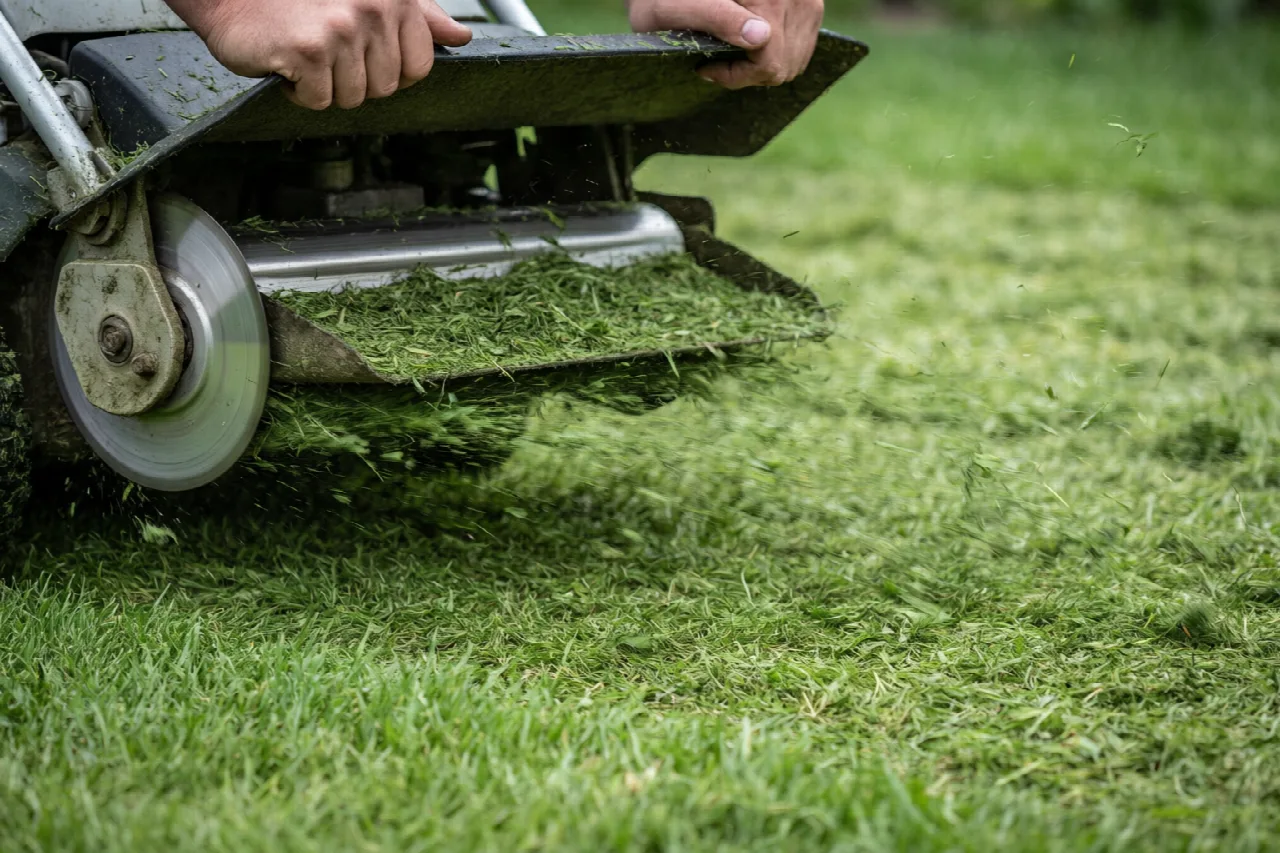
If you must mow wet grass, specific techniques reduce damage to lawn and equipment. Start by raising the mower deck to the highest safe setting for your grass type. This prevents scalping and reduces the blade’s contact with wet soil, decreasing compaction and rut formation.
Use a sharp blade, as wet grass requires cleaner cuts to avoid tearing and disease entry points. Dull blades shred wet grass worse than dry, compounding damage. Mow slowly to allow clippings to discharge properly without clogging. Stop frequently to clear wet debris from the mower deck using a stick or brush, never place hands near blades.
Consider mulching or side-discharge rather than bagging, as wet clippings pack heavily in bags and adhere to discharge chutes. Vary your mowing direction each session to avoid creating permanent ruts in compacted soil. Return the next day if possible to complete areas you couldn’t safely cover, rather than forcing the mower through saturated spots. To evaluate matched hardware tolerances, consult our detailed overview of marshall stanmore iii vs harman kardon onyx studio 8.
How to Protect Your Lawn and Equipment
Post-mowing care is critical after wet-grass mowing. Clear all wet clippings from the mower deck immediately, as they dry and cement to metal, becoming difficult to remove and promoting rust and corrosion. Wipe down the mower and allow it to dry completely before storage.
Inspect your lawn for ruts and areas of severe compaction. Avoid walking or mowing over these zones for several days, giving soil a chance to dry and recover. Mark affected areas if needed to remind yourself. Check your blade sharpness after wet mowing, wet grass and debris dull blades faster, so sharpening or replacement may be necessary before the next mow. When planning workspace deployment, consider the engineering criteria outlined in our dyson v8 cyclone vs bissell featherweight stick guide.
Keep mower maintenance current: check oil levels before wet mowing, as wet conditions increase wear on engine components. Inspect the air filter for moisture and debris accumulation. Drain fuel before winter storage if mowing in fall moisture to prevent rust in the tank.
When to Wait Instead of Mowing
In most cases, waiting for the lawn to dry yields better results than mowing wet. Grass typically dries within 24 to 48 hours after rain, depending on temperature, humidity, and sun exposure. Test dryness by walking through the lawn, if grass springs back upright and you leave no footprints or dark trails, it’s dry enough to mow safely. For additional operational safety benchmarks, see our published testing notes on bissell crosswave hydrosteam vs shark stainforce.
Early morning dew often disappears by mid-morning once the sun strengthens. Plan mowing for afternoon when surface moisture has evaporated, but avoid late-evening mowing when dew forms. If rain is forecast within 24 hours after mowing, consider postponing to avoid the same wet-mowing problems.
Waiting until the lawn dries protects both your investment in the lawn and your equipment. The minor delay in mowing is outweighed by the prevention of disease, compaction, equipment wear, and the superior cut quality you’ll achieve on dry grass.
Frequently Asked Questions About Mowing Wet Grass
Can you mow wet grass with an electric mower? Electric mowers are generally safer in wet conditions than gas models because they eliminate spark plug and fuel concerns. However, wet grass still clumps and clogs the deck, and soil compaction remains a problem regardless of mower type. Observe all the same precautions.
Does mowing wet grass dull the blade faster? Yes. Wet grass and embedded soil particles accelerate blade dulling compared to dry mowing. Wet clippings also stick to the blade, increasing friction and wear. Plan on sharpening more frequently if you mow wet regularly.
Should I bag wet clippings? Bagging wet clippings is generally not recommended. They pack heavily, overload the bag system, and often fail to discharge cleanly, leaving clots on the lawn. Mulching or side-discharging is preferable when grass is wet.
Related Maintenance and Operating Guides
To keep your equipment running at peak operating efficiency, explore our related technical walkthroughs and maintenance tutorials:
- Consult our detailed breakdown on residential zero-turn lawn mower guide.
- Consult our detailed breakdown on heavy-duty chainsaw buyer guide.
Technical Standards and Compliance
Mechanical safety standards, operational tolerances, and protective gear guidelines align with benchmark specifications established by the American National Standards Institute (ANSI).









