Quick Answer: How to Start a Lawn Mower Without a Key
Push and walk-behind mowers have no ignition key — pull the starter cord and the engine starts. Riding mowers, zero-turn mowers, and electric-start walk-behinds use a keyed ignition switch; the fastest fix is a universal or OEM replacement key (under $10, no wiring required). If the key is lost and unavailable, you can bypass the starter solenoid with a screwdriver or jumper wire, or hotwire the ignition switch directly — both are emergency-only methods covered step by step below.
Does Your Mower Even Need a Key? (Push vs. Riding Mower)
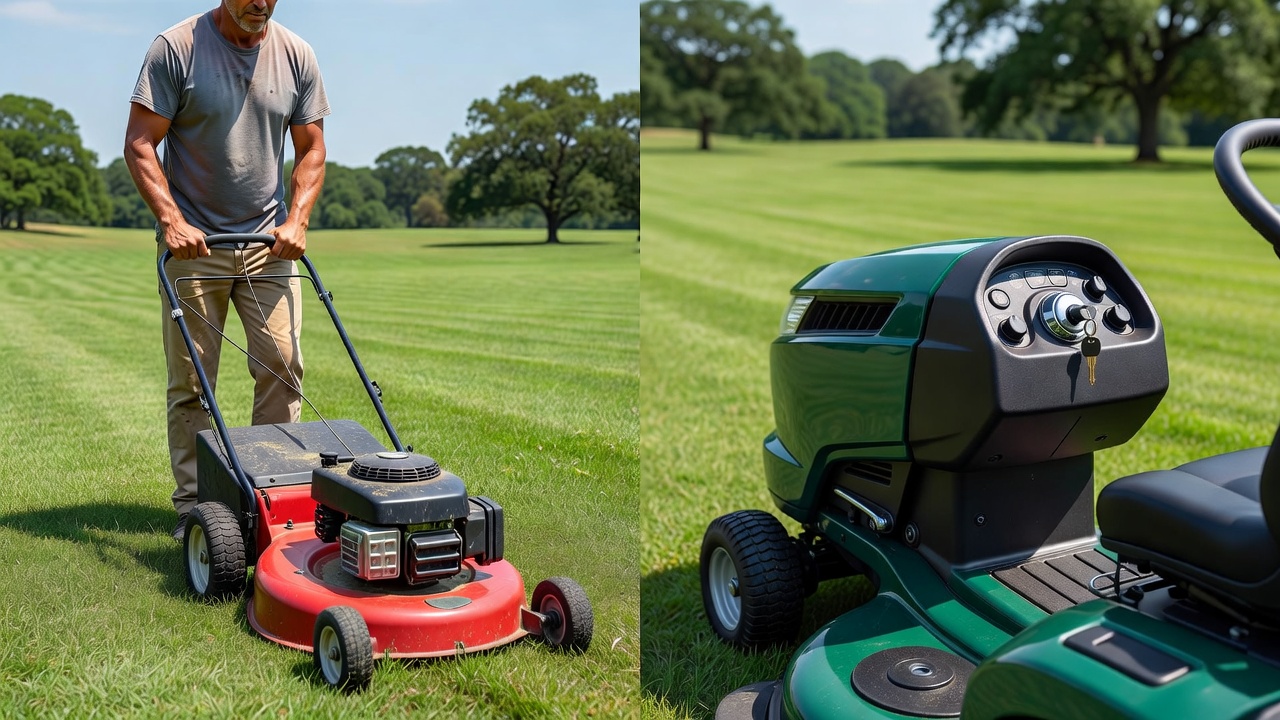
Before touching any wires, confirm whether your mower actually uses a key. Mower types fall into two categories:
| Mower Type | Ignition Key Required? | Start Method |
|---|---|---|
| Walk-behind / push mower (gas) | No | Pull-start cord only |
| Self-propelled walk-behind (gas) | Rarely | Pull-start cord; some models have a primer bulb |
| Electric-start walk-behind | Sometimes | Push-button or key switch + pull cord backup |
| Riding lawn mower | Yes | Keyed ignition switch |
| Zero-turn mower | Yes | Keyed ignition switch |
| Garden tractor | Yes | Keyed ignition switch |
If your mower is a standard gas-powered push or walk-behind model, skip to the push mower section — there is no key problem to solve. If it is a riding mower, zero-turn, or electric-start model, continue reading for the appropriate fix.
Safety and Legal Disclaimer Before You Start
Bypassing an ignition system carries real electrical, mechanical, and legal risks. Read these points before proceeding:
- Ownership requirement: Only attempt any bypass on a mower you own or are explicitly authorized to operate. Bypassing the ignition on equipment you do not own may constitute theft or vandalism under local law. This guide is written for legitimate lost-key or broken-switch scenarios.
- Disconnect the spark plug wire first whenever you work near the ignition system or blade area. Reconnect only when you are ready to start the engine.
- Disengage the blade and PTO (power take-off) before cranking the engine. Most riding mowers have a blade engagement lever or electric PTO switch — confirm it is in the OFF or disengaged position.
- Set the mower in neutral and engage the parking brake before any electrical bypass attempt.
- Fire risk: Crossing the wrong wires can cause sparks, short circuits, or electrical fires. Work in a well-ventilated area away from fuel sources. Keep a fire extinguisher nearby.
- These are temporary field fixes, not permanent solutions. Replace the ignition switch or obtain a proper key as soon as possible.
- Local regulations: In some jurisdictions, tampering with ignition systems on vehicles or equipment operated on public land may be regulated. Consult local ordinances if you intend to use the mower outside private property.
Fastest Fix: Try a Universal or Replacement Ignition Key
Before bypassing any wiring, try a universal replacement key. Many major riding mower brands — including entry-level models from Murray, Craftsman, Husqvarna, and John Deere — use a limited set of standard key cuts that are shared across model lines and even across brands. A single universal key blank frequently fits dozens of different mowers.
Why Universal Keys Work on Many Mowers
Riding mower ignition switches are not high-security locks. Manufacturers prioritize interchangeability for dealer servicing, which means a small number of key profiles cover a wide range of equipment. This is not a security flaw to exploit — it is a designed serviceability feature that benefits legitimate owners who lose their key.
How to Find the Right Replacement Key
- Locate your model number and serial number. These are printed on a deck sticker, typically under the seat, on the frame near the engine, or on the rear of the mower. Record both numbers exactly.
- Search the manufacturer’s parts portal using the model number. Brands including Husqvarna, Cub Cadet, and John Deere offer online parts lookup where you can identify the exact ignition key part number.
- Search Amazon, hardware stores (Home Depot, Ace Hardware), or an OEM dealer using the part number or the search term “universal lawn mower ignition key” plus your brand name. Universal multipacks typically cost under $10 and include several key cuts to try.
- Order OEM directly from the manufacturer’s website or an authorized dealer if you want an exact match with zero trial-and-error.
Average Replacement Key Cost
- Universal key multipack: $5–$10
- OEM single replacement key: $5–$15 depending on brand
- Dealer-sourced key with model lookup: $10–$20 including shipping
This option resolves the lost-key scenario entirely without wiring, risk of damage, or safety concerns. Exhaust this option before moving to any bypass method.
How to Start a Riding Mower Without a Key: Bypass the Solenoid
The solenoid bypass is the most common and accessible DIY emergency start method. The starter solenoid is an electromagnetic relay that connects battery power to the starter motor when the ignition key is turned. Jumping its terminals replicates that action directly, cranking the engine without the key.
Important: This method bypasses the starter circuit only. The ignition switch must still supply power to the engine’s ignition system (coil, spark) for the engine to actually run after cranking. On most riding mowers, turning the key to the “run” position before attempting this bypass is what supplies ignition power — without a key, you may need to also address the ignition wire (see the hotwiring section below) for the engine to fire and sustain.
Tools Required
- Flathead screwdriver (insulated handle) or a short jumper wire with alligator clips
- Safety gloves
- Safety glasses
Step-by-Step: Solenoid Bypass
- Park on a flat surface. Set the parking brake, shift to neutral, and disengage the blade/PTO switch.
- Disconnect the spark plug wire before touching any ignition components. Reconnect it only in step 8.
- Locate the starter solenoid. On most riding mowers, the solenoid is a small cylindrical or rectangular component mounted near the battery, often on the frame or firewall under the hood. It has two large terminals (connected to battery positive and to the starter motor) and one or two smaller terminals (connected to the ignition switch).
- Identify the two large terminals. These are the heavy-gauge cable connections — one runs to the positive battery terminal, the other runs to the starter motor.
- Put on safety gloves and glasses. You are about to create a controlled short — take this seriously.
- Supply ignition power if possible. If the ignition switch is merely missing a key but is otherwise functional, insert a flat screwdriver into the switch slot and turn it to the “run” position (or use a universal key). This energizes the ignition system so the engine can fire once cranked.
- Reconnect the spark plug wire.
- Bridge the two large solenoid terminals. Briefly touch both large terminals simultaneously with the blade of an insulated flathead screwdriver or connect them with a jumper wire. Hold contact for 1–2 seconds maximum. The starter motor will crank the engine. If ignition power is present (step 6), the engine should fire.
- Remove the screwdriver or jumper immediately once the engine starts. Do not hold the connection after the engine fires — this will damage the starter motor.
- Allow the engine to warm up at low throttle before engaging the blade or driving.
If the engine cranks but does not fire: Ignition power is not reaching the engine. Proceed to the hotwiring section to address the ignition wire separately.
How to Hotwire a Riding Lawn Mower (Ignition Switch Bypass)
Hotwiring bypasses the ignition switch entirely by directly connecting the wires that supply power to the ignition system and the starter motor. Use this method when the ignition switch is broken, missing, or non-functional — not just when the key is lost. This is a temporary field repair only; restore the proper ignition switch before regular use.
Tools Required
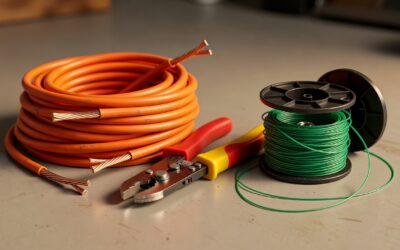
- Wire stripper or sharp knife
- Electrical tape
- Safety gloves and glasses
- Optional: alligator clip jumper wires for clean temporary connections
Understanding the Ignition Wire Colors
Riding mower ignition switches typically use a consistent color-coding convention across major brands, though always verify against your mower’s wiring diagram in the operator manual or a brand-specific service manual before touching any wire:
| Wire Color | Function |
|---|---|
| Red | Battery positive (constant 12V power in) |
| Black | Ground |
| Yellow or Yellow/Red | Ignition / run circuit (powers coil and ignition system) |
| Green or White/Green | Starter wire (triggers starter solenoid) |
| Orange or Purple | Accessories (lights, PTO) — varies by brand |
Confirm wire colors against your specific mower’s wiring diagram before proceeding. Misidentifying wires risks short circuits and component damage.
Step-by-Step: Hotwire the Ignition Switch
- Park on flat ground. Set the parking brake, shift to neutral, disengage the blade and PTO.
- Disconnect the spark plug wire. Do not reconnect until step 9.
- Access the ignition switch wiring. Remove the mower’s hood or dash panel (usually 2–4 screws or clips) to expose the back of the ignition switch and its wire harness connector.
- Disconnect the ignition switch connector. Most riding mowers use a single multi-pin harness plug that pulls straight off the back of the switch. Unplug it.
- Identify the wires using the color guide above and your wiring diagram. Locate the red (battery), yellow (ignition/run), and green or white/green (starter) wires in the harness.
- Strip 1–2 cm of insulation from the red (battery) wire and the yellow (ignition) wire using a wire stripper. Do not let bare wire contact the mower frame or other wires yet.
- Connect the red and yellow wires. Twist the bare ends together or use an alligator clip. This supplies constant battery power to the ignition system, replicating the “key in run position” state. The engine’s ignition system is now live.
- Insulate the connection with electrical tape to prevent accidental grounding.
- Reconnect the spark plug wire.
- Briefly touch the bare end of the green (starter) wire to the red/yellow connection — or to the positive battery terminal directly — for 1–2 seconds. This sends a signal to the solenoid to crank the starter motor. The engine should fire.
- Remove the starter wire contact immediately once the engine starts. Tape the starter wire end with electrical tape so it cannot ground accidentally while the engine runs.
- Do not leave the mower unattended while running in this state. The hotwired connection means anyone can start or tamper with the mower — secure it after use.
Is hotwiring a riding mower the same as hotwiring a car? The principle is identical — you are supplying power to the ignition circuit and triggering the starter — but riding mowers operate at 12V with simpler, less protected wiring. The risk of damage from incorrect wiring is proportionally higher because there is less circuit protection built in. Treat it with equal care.
Starting a Push or Walk-Behind Mower Without a Key
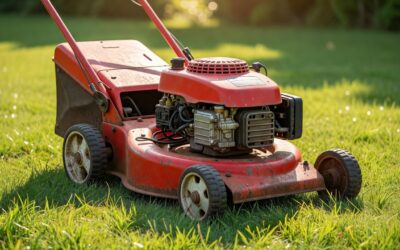
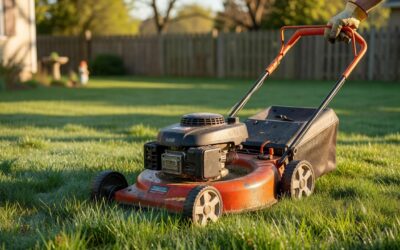
Standard gas-powered push mowers and most self-propelled walk-behind mowers do not have an ignition key. The starting sequence is:
- Prime the engine (press the primer bulb 3–5 times if equipped).
- Set the choke to the closed/start position if the engine is cold.
- Engage the blade/drive bail lever (the handle bar you squeeze to keep the mower running).
- Pull the starter cord firmly in one smooth motion.
If your pull-cord mower will not start, the issue is fuel, carburetor, spark plug, or compression — not a key.
Electric-Start Walk-Behind Mowers
A minority of premium walk-behind models include an electric-start system with a key switch or push button. If the key is lost on one of these models:
- Check the operator manual for the part number of the ignition key — most use a simple generic switch key available at hardware stores.
- Use the pull-cord backup start if the model provides one (most electric-start walk-behinds retain a manual recoil starter).
- Contact the manufacturer’s parts department with the model and serial number for an exact replacement key or switch.
Permanent Fix: Replace the Ignition Switch or Get a New Key Made
Bypassing the ignition is a field repair. Restore proper function as soon as practical using one of these permanent solutions:
Option 1: Order a Replacement Ignition Switch
Riding mower ignition switches are standardized components. A direct OEM replacement or compatible aftermarket switch typically costs $15–$40 and installs with basic hand tools in 20–40 minutes. Search by your mower’s model number on the manufacturer’s parts portal or on Amazon using the term “[brand] [model number] ignition switch.” Disconnect the battery before installation.
Option 2: Have a Locksmith Cut a New Key
An automotive or small-engine locksmith can cut a new key from the lock cylinder itself without needing the original key. Bring the mower’s model and serial number, and confirm the locksmith works on small-engine equipment. Cost varies by region but is typically $20–$50 for a simple cut key.
Option 3: Contact the Manufacturer
Most major mower manufacturers — Husqvarna, John Deere, Cub Cadet, Toro, Craftsman — offer key replacement through their customer service or dealer network. Have the model number, serial number, and proof of purchase ready. The manufacturer or an authorized dealer can supply the correct key or advise on a switch replacement if the cylinder is damaged.
Why Not Leave the Bypass In Place?
Running a mower long-term with a hotwired ignition or a bypassed solenoid creates ongoing risk: exposed wires can ground against the frame and cause electrical fires, the mower becomes easy to start without authorization, and safety interlock systems (seat switch, blade disengagement switch) that are wired through the ignition circuit may no longer function correctly. Repair the switch.
Frequently Asked Questions
Can I use a screwdriver as a permanent ignition key substitute on a riding mower?
No. Inserting a flathead screwdriver into the ignition cylinder to turn it wears down the lock tumblers and can break the switch mechanism entirely. It also leaves the mower unsecured. Use it only as a one-time emergency measure and order a replacement key or switch immediately after.
Will jumping the solenoid damage my riding mower?
Done correctly — briefly bridging the two large solenoid terminals with an insulated screwdriver while in neutral with the blade disengaged — it will not damage the solenoid or starter motor. Holding the contact too long after the engine fires will overheat and damage the starter. One to two seconds of contact is the limit.
Do all riding mowers use the same ignition key?
No, but many entry-level and mid-range models from major brands share a small number of standard key profiles. Murray, Craftsman, Husqvarna, and some John Deere models are widely reported to share compatible keys. Premium, commercial, or newer models increasingly use brand-specific keys. Always verify by model number before purchasing a universal key.
Is it illegal to hotwire a lawn mower?
Hotwiring a mower you own on private property is legal in virtually all jurisdictions. Hotwiring a mower you do not own is theft regardless of where it occurs. Using a bypassed-ignition mower on public land may engage vehicle-tampering statutes in some jurisdictions. Consult local regulations if in doubt, and retain proof of ownership when performing any ignition bypass.