As an Amazon Associate we earn from qualifying purchases. When you buy through our links, we may earn a commission at no extra cost to you. Prices and availability are subject to change on Amazon. Affiliate disclosure ›
How to Use Lawn Mower
Learn how to safely operate a lawn mower from start to finish. This guide covers pre-operation checks, starting procedures, proper mowing technique, safety precautions, and post-mowing maintenance for gas-powered push mowers, riding mowers, and other common types.
Direct Answer: To use a lawn mower safely and effectively: (1) Perform pre-operation checks including fuel, oil, spark plug, and blade inspection; (2) Adjust blade height to 2.5 to 3.5 inches for most grass types; (3) Clear the lawn of debris; (4) Start the mower using the appropriate method for your model; (5) Mow in overlapping passes at a consistent speed while keeping hands and feet away from the blade; (6) Allow the engine to cool and clean the deck after use. The core process applies to all mower types, though specific starting procedures and controls vary.
Understanding Your Lawn Mower Type
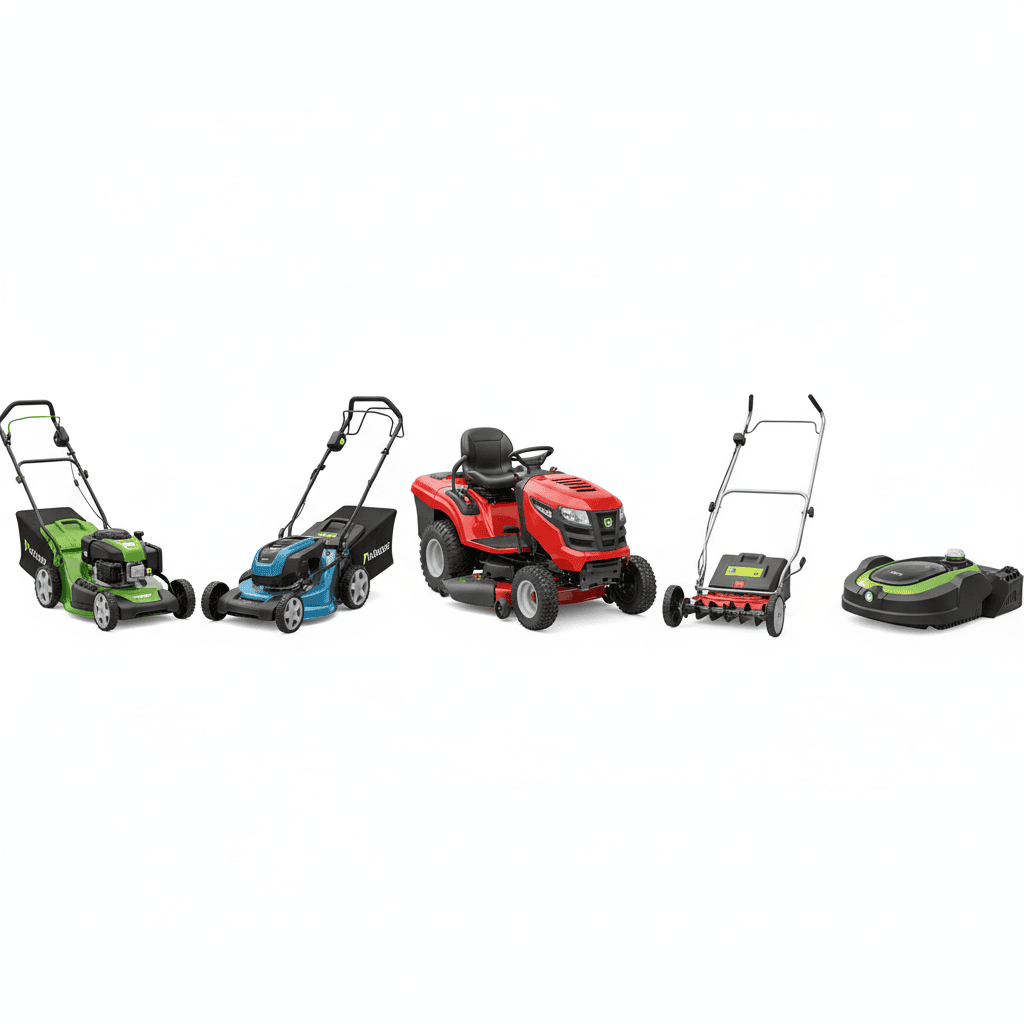
Before learning how to operate a lawn mower, it’s important to identify which type you own or will be using. The most common residential lawn mower is the gas-powered push mower, which you walk behind while controlling the blade engagement and steering. However, several other types are widely available:
Gas-Powered Push Mower: Requires pulling a starter cord or using electric start; most common for residential lawns up to half an acre
Electric Push Mower: Cordless or corded; quieter and lower maintenance than gas models
Riding Mower: Sit-on design for lawns larger than half an acre; more complex controls and safety considerations
Reel Mower: Manual push-powered; no engine; ideal for small lawns and eco-conscious homeowners
Robotic Mower: Autonomous operation; requires setup and regular maintenance but minimal hands-on operation
This guide focuses primarily on gas-powered push mowers with sections addressing other types, as they represent the majority of residential lawn care equipment.
Pre-Mowing Checklist: Essential Preparation and Safety
Before starting your lawn mower, complete this safety and maintenance checklist to ensure safe operation and optimal performance:
Fuel and Oil Inspection
Check the fuel tank level; fill with fresh gasoline if needed (use regular unleaded fuel for most small engines)
Inspect the oil level using the dipstick; top up with the manufacturer-recommended oil grade if low
Replace oil seasonally or after every 50 hours of operation, whichever comes first
For mowers that have been stored, drain old fuel and replace with fresh gasoline
Blade and Spark Plug Inspection
Stop the mower and disconnect the spark plug wire to prevent accidental starting
Inspect the blade for damage, rust, or dull edges; replace or sharpen as needed
Check the spark plug condition; replace if it appears heavily fouled or has excessive gap wear
Ensure the blade is secure and spins freely without obstruction
Safety Gear
Always wear appropriate protective equipment before operating a lawn mower:
Closed-toe shoes with good grip and thick soles (never mow in sandals or barefoot)
Long pants or jeans to protect legs from flying debris
Eye protection or safety glasses to prevent grass and small stones from striking your eyes
Hearing protection if your mower produces loud noise (above 85 decibels)
Adjusting Blade Height and Clearing the Lawn
Setting the Correct Blade Height
Blade height is critical for healthy grass growth and even appearance. Most residential lawns require a cutting height of 2.5 to 3.5 inches. Adjust blade height using the height adjustment levers or knobs typically located near the mower wheels:
Higher cutting heights (3 to 3.5 inches) promote stronger root systems and shade out weeds
Lower heights (2.5 to 3 inches) provide a more manicured appearance but stress the grass
Adjust all four wheels to the same height for even cutting
Make adjustments before starting the mower, never while the engine is running
Clearing Debris
Remove obstacles from your lawn to prevent damage to the mower and projectile hazards: To compare alternative configurations, check our hands-on review of z890 vs x870e motherboard.
Walk the lawn beforehand and pick up sticks, rocks, toys, and other debris
Identify and note any holes, ruts, or uneven areas
Remove low-hanging branches or obstacles that could interfere with mowing
Check for irrigation heads, garden stakes, or other permanent fixtures in the path
Starting Your Lawn Mower: Step-by-Step Procedure
Starting a Gas-Powered Push Mower
The most common starting method for gas-powered push mowers involves these steps:
Check the fuel and oil: Verify adequate levels before starting
Position the mower: Place it on a flat surface with the blade disengaged
Engage the safety bar: Squeeze the handle bar safety lever against the mower’s upper handle (required on all modern mowers)
Set the choke: Move the choke lever to the “cold start” or “on” position (not needed for warm engines)
Prime the engine (if applicable): Press the primer bulb 3 to 5 times to move fuel into the carburetor
Pull the starter cord: With steady force, pull the cord sharply and quickly; repeat if necessary until the engine catches
Release and adjust choke: Once running, gradually move the choke to the “warm” or “off” position
Engage the blade: Once the engine stabilizes, engage the blade using the lever or button on the handle
Starting Alternative Mower Types
Electric (Cordless) Mowers: Press the power button or turn the key; no choke, priming, or pull cord required. Ensure the battery is fully charged. Users looking for related component recommendations can explore our marshall stanmore iii vs harman kardon onyx studio 8 breakdown.
Riding Mowers: Sit in the seat, engage the parking brake, turn the key to start, and adjust throttle and choke as needed. Never start a riding mower from outside the seat.
Reel Mowers: No starting procedure; simply begin pushing. Ensure the blade engagement is set correctly.
Proper Mowing Technique and Patterns
Overlapping Pass Technique
Create an even, professional appearance by mowing in overlapping passes:
Start at one edge of the lawn and mow in a straight line across its length
On the return pass, overlap the previous path by 2 to 3 inches to avoid leaving unmowed strips
Maintain consistent walking speed and blade height throughout each pass
Don’t stop the mower in the middle of the lawn; finish each pass completely
Common Mowing Patterns
Pattern
Method
Best For
Straight Lines
Mow parallel lines across the entire lawn
Most common; creates clean, professional appearance
Diagonal Pattern
Mow at 45-degree angles, alternating direction each week
Reduces soil compaction; adds visual interest
Spiral Pattern
Start at lawn perimeter and spiral toward the center
Smaller yards; efficient collection of clippings
Checkerboard
Mow perpendicular passes to create a checked appearance
Aesthetic preference; alternating patterns
Speed and Consistency
Push at a steady, comfortable walking pace (approximately 3 to 4 mph for residential mowers)
Avoid rushing or mowing too slowly, which can cause uneven cutting or blade clogging
On slopes, mow up and down rather than side to side for safety and even cutting
Allow the mower to do the work; don’t force it through thick or wet grass
Safety Precautions While Operating a Lawn Mower
Critical Safety Rules
Never reach under the mower while the blade is engaged or the engine is running. Always disconnect the spark plug wire before attempting any maintenance or blade clearing.
Keep bystanders away. Establish a safe distance (at least 25 feet) from the mowing area; never allow children to play nearby.
Do not mow in wet conditions. Wet grass causes slipping and reduces traction; wait until the lawn dries after rain.
Wear appropriate footwear. Closed-toe shoes with good grip prevent slips and protect against blade contact.
Keep hands and feet clear of the discharge chute. Debris and clippings are ejected at high speed and can cause injury.
Shut off the engine before clearing clogs. If grass becomes jammed under the deck, stop the mower, disconnect the spark plug, and clear the obstruction by hand.
Never pull the mower toward you. Always push it away from your body to prevent injury if you trip or lose control.
Handling Obstacles and Slopes
Plan your mowing pattern to avoid repeated stops and starts
On slopes, reduce blade engagement to prevent the mower from tilting
Always mow across (perpendicular to) the slope, never up and down
If the slope is too steep for safe operation, use alternative methods or avoid that area
Post-Mowing Maintenance and Storage
Immediate Post-Mowing Care
After each mowing session, complete these essential maintenance tasks:
Allow the engine to cool: Wait 5 to 10 minutes before touching the mower to prevent burns
Disengage the blade: Return the blade engagement lever to the off position
Clean the deck: Use a brush or compressed air to remove dried grass and debris from the cutting deck and undercarriage
Inspect for damage: Check for new damage, loose bolts, or wear that requires attention
Check oil level: Verify oil level and top up if needed (only when the engine is cool)
Seasonal Maintenance
Spring (before first use): Change oil, inspect spark plug, sharpen blade, check fuel system
Mid-season (every 50 hours): Change oil, clean or replace air filter, inspect blade sharpness
Fall (end of season): Drain fuel or add fuel stabilizer, change oil, store mower indoors in a dry location
Winter storage: Keep the mower in a dry garage or shed; drain the fuel tank or add stabilizer to prevent carburetor gum buildup
Operating Riding Mowers and Robotic Mowers
Riding Mower Operation
Riding mowers require a different approach than push mowers and operate similarly to small farm equipment:
Always sit in the operator’s seat before starting; never operate a riding mower standing up or from outside the seat
Engage the parking brake before starting the engine
Use smooth, gradual movements when steering and controlling speed to prevent tipping on slopes
Mow in wide overlapping passes, adjusting blade height with the deck height control lever
Never dismount while the blade is engaged or the engine is running
Before leaving the mower, engage the parking brake and stop the engine
Robotic Mower Setup and Operation
Robotic mowers automate lawn care but require initial setup and ongoing monitoring:
Install the perimeter boundary wire around the lawn’s edge to define the mowing area
Charge the unit fully before first use (typically 60 to 120 minutes)
Set the mowing schedule via the unit’s app or control panel
Clear the lawn of obstacles, wires, and debris before first operation
Monitor the unit during initial operation to ensure it navigates correctly
Return the mower to its charging dock after each session or when the battery depletes
Perform weekly blade inspection and monthly deck cleaning
Troubleshooting Common Mowing Problems
Uneven Cutting
Causes: Blade not sharpened evenly, wheels set to different heights, or uneven ground.
Solution: Check that all four wheels are set to the same height. Sharpen the blade professionally or replace it if damaged. Level any high spots in the lawn if possible.
Grass Clumping
Causes: Wet grass, dull blade, or mowing too quickly.
Solution: Mow only when the lawn is dry. Sharpen the blade regularly. Reduce your mowing speed slightly and allow the mower to process the grass more thoroughly.
Excessive Vibration or Noise
Causes: Unbalanced blade, loose hardware, or debris caught under the deck.
Solution: Stop the mower, disconnect the spark plug, and inspect the blade for damage or imbalance. Tighten all bolts and hardware. Remove any debris from the undercarriage.
Engine Won’t Start
Causes: Old fuel, fouled spark plug, or low oil level.
Solution: Replace old fuel with fresh gasoline. Clean or replace the spark plug. Check and top up the oil level. Refer to your user manual for model-specific troubleshooting.
Common Questions on How Do You Use A Lawn Mower Answered
How often should I sharpen my lawn mower blade?
Sharpen the blade at the start of each mowing season and every 20 to 25 hours of operation. A dull blade tears grass instead of cutting it cleanly, leading to brown tips and susceptibility to disease. Professional blade sharpening typically costs $10-$20 per blade.
What’s the best time of day to mow my lawn?
Mow in the morning or late afternoon when grass is dry and temperatures are cooler. Avoid midday mowing when grass is stressed by heat. Never mow during heavy dew or immediately after rain, as wet grass causes uneven cutting and slipping hazards.
Can I leave grass clippings on the lawn after mowing?
Yes, leaving clippings on the lawn (called “grasscycling”) returns nutrients to the soil and reduces waste. However, if clippings are excessive or form mats, collect them using a mulching mower or bag attachment. Never leave thick clumps, as they can smother the grass beneath.
How do I prevent my lawn mower from rusting?
Store the mower indoors in a dry location, preferably in a garage or shed. After each use, clean the deck to remove moisture and grass debris. At the end of the season, drain the fuel or add fuel stabilizer, change the oil, and cover the mower with a tarp for extra protection against moisture.
Operating a Lawn Mower Safely
Follow the manual for slopes, and keep your feet well behind the blade housing. Garden owners who also till soil may wonder what is a tiller, covered in its own post.