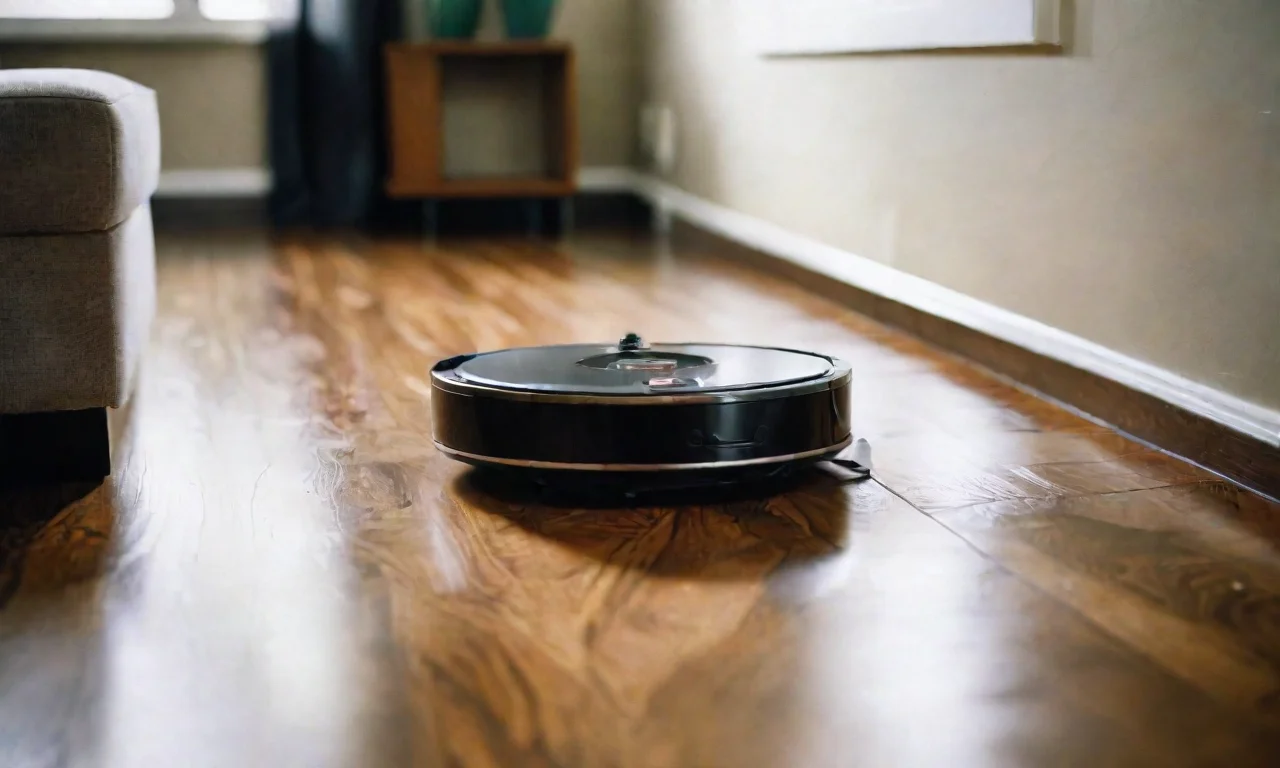
Quick Answer: Choosing the Best I Robot Vacuum
Critical factors to evaluate for the best i robot vacuum in 2026 center on suction strength for embedded dirt removal, systematic LiDAR or AI-based mapping for complete coverage, and self-emptying capacity ranging from 60 to 75 days to minimize upkeep. We assessed top-rated options against these criteria plus battery resume functions, mopping pad lift for carpets, anti-tangle designs, and…

Pros
- Incredibly powerful suction that excels at deep carpet cleaning.
- Advanced AI obstacle avoidance prevents the robot from getting stuck on household clutter.
- Large capacity auto-empty base reduces manual maintenance to once every two months.
- Smart mapping is fast and highly customizable via the Roomba Home App.
Cons
- Does not include a mopping module for wet cleaning.
- The auto-empty process is briefly loud during the debris transfer cycle.
The iRobot Roomba Max 705 Robot Vacuum represents a significant leap forward in automated home maintenance, designed specifically for busy households and pet owners. This model combines extreme suction power with intelligent navigation to deliver a truly hands-free cleaning experience. If you are tired of daily vacuuming chores, this smart appliance offers a robust solution that takes care of itself for weeks at a time.
Exceptional Cleaning Performance and Smart Navigation
At the core of this vacuum is its outstanding 180x power-lifting suction, which works in tandem with dual anti-tangle rubber brushes. This combination ensures that pet hair, fine dust, and heavy debris are lifted from both hard floors and deep carpets without clogging the system. Navigation is handled by ClearView Pro LiDAR and PrecisionVision AI, allowing the robot to map your home in minutes and safely navigate around obstacles like shoes, cords, and pet waste, even in complete darkness.
Hands-Free Maintenance with the AutoEmpty Dock
One of the most convenient aspects of this system is the AutoEmpty Dock. Once the robot completes its cleaning run, it returns to the base, which automatically vacuums out the onboard dustbin into an enclosed bag. This bag traps allergens and fine dust down to 0.7 microns and holds up to 75 days of debris, meaning you only have to think about vacuuming once every couple of months.
Considerations and Verdict
While the performance is top-tier, users should note that the auto-empty process is loud, though it only lasts for a few seconds. Additionally, this is a dedicated vacuum and does not feature mopping functions. Overall, the Roomba Max 705 is a highly reliable, powerful, and genuinely smart vacuum that excels at keeping carpets and hard floors immaculate with minimal human intervention.
Technical Specifications
- Suction Power: 180x stronger than Roomba 600 series in Spot Clean mode
- Navigation: ClearView Pro LiDAR and PrecisionVision AI Technology
- Brush System: Dual Multi-Surface Rubber Brushes and Edge-Sweeping Brush
- Dock Capacity: Up to 75 days of dust and debris containment
- Smart Connectivity: Compatible with Alexa, Google Assistant, Siri, and Roomba Home App
- Floor Compatibility: Carpet, rugs, tile, hardwood, and laminate
Pros
- Efficient self-emptying base reduces manual maintenance for up to two months.
- Superior obstacle avoidance technology protects your belongings from accidental damage.
- Accurate room-by-room mapping enables targeted cleaning through the app.
- Strong suction power handles pet hair and fine dust with ease.
Cons
- The vacuum can struggle with thick high-pile rugs in some floor environments.
- The initial setup and mapping process may require multiple runs to fully optimize.
Performance and Smart Navigation
The iRobot Roomba j8+ review reveals a sophisticated machine designed for those who value convenience and precision. By utilizing advanced iRobot OS, this robot vacuum actively scans your home to build a smart map, ensuring it hits every corner while proactively avoiding cords, toys, and pet accidents. It is the perfect companion for a busy household where floors see daily traffic and unexpected messes.
Maintenance and Design
The standout feature is undoubtedly the Clean Base automatic dirt disposal system. This base station allows the vacuum to empty its own dustbin, holding up to 60 days of debris so you can truly set it and forget it. The build quality feels premium and durable, with a low profile that allows it to navigate under furniture where dust often hides.
Real-World Considerations
While the cleaning performance is excellent on hard floors and low-pile carpets, users should be aware that it may occasionally get hung up on unusually thick rug tassels. The app interface is highly intuitive, allowing you to set specific no-go zones and cleaning schedules with ease. Overall, the Roomba j8+ is a top-tier investment for anyone looking to reclaim their time from daily floor maintenance.
What to Look for When Choosing I Robot Vacuum
Suction Power and Multi-Surface Performance
Suction power determines how thoroughly a i robot vacuum removes dirt, crumbs, and pet hair from various surfaces. Ratings expressed as high Pa values such as 5200Pa or comparative figures like 70X more power-lifting suction versus base series models indicate stronger extraction, especially useful on carpets where debris embeds deeply. Adjustable suction levels enable efficient operation by using lower power on hard floors to extend runtime while ramping up for high-traffic zones or rugs.
Multi-surface brushes, particularly dual rubber anti-tangle designs or self-cleaning rolls, maintain floor contact without hair wrap, improving pickup rates. Carpet detection that auto-boosts suction further optimizes performance. Prioritize these elements when homes include both hardwood and medium-pile carpet to avoid incomplete cleans after a single pass. Users looking for related component recommendations can explore our why robot vacuum keeps getting lost lidar fix breakdown.
Navigation and Mapping Technology
Modern navigation separates efficient i robot vacuum units from older random-path designs. ClearView LiDAR or 360-degree LiDAR systems map homes rapidly, enabling neat row cleaning patterns that cover more area in less time and function reliably in low light. Advanced options add PrecisionVision AI or object recognition to identify and avoid cords, socks, pet waste, and other obstacles in real time, reducing stuck incidents. Users looking for related component recommendations can explore our can robot vacuums cross high thresholds breakdown.
Effective mapping supports room-specific targeting, keep-out zones, and multi-floor storage in the companion app. For homes with complex layouts, LiDAR-equipped models outperform basic infrared or bump sensors. Additional details on this technology appear in our coverage of a robot vacuum with mapping features that enhance overall efficiency.
Self-Emptying Docks and Maintenance Requirements
Self-emptying capability transforms a i robot vacuum into a lower-maintenance tool by automatically transferring debris into a base station bag or bagless chamber. Capacities of 60 to 75 days mean users empty far less often, and enclosed bags trap fine particles including allergens down to 0.7 microns. Some docks also wash mop pads, apply heated drying, and refresh cleaning solution for multi-function models. Before finalizing equipment decisions, refer to our comprehensive roborock qrevo s pro vs dreame l10s pro ultra heat comparison.
Dockless alternatives with onboard dust compactors offer space savings while still achieving weeks of use before emptying. Regular filter checks and brush cleaning remain necessary regardless of dock type. Models with HEPA filtration in the base provide added air quality benefits for allergy-sensitive households.
Battery Runtime and Recharge Resume Functions
Battery performance affects whether a i robot vacuum can finish whole-home cleans without interruption. Runtimes reaching 120 minutes cover larger spaces on a single charge, while automatic recharge-and-resume ensures the unit returns to the dock when low, then continues from the last point. This feature proves essential for multi-room homes or high-suction modes that drain power faster. For broader ecosystem context, read through our operational guide on why is my robot vacuum not dispensing water.
Efficient power management through adjustable suction and systematic navigation extends practical coverage. Units that detect remaining dirt and prioritize high-traffic rooms further optimize limited battery resources. Always verify claimed runtimes against real floor types, as carpet boost modes reduce total minutes available.
Mopping Integration and Carpet Protection
Combo vacuum-and-mop i robot vacuum designs add wet cleaning for hard floors via microfiber pads, spinning DualClean pads, or electronically controlled water tanks with multi-stage flow adjustment. Features like automatic mop pad lift or carpet detection prevent wetting rugs, allowing seamless transitions across floor types without manual pad removal. SmartScrub modes apply extra pressure or multiple passes for stubborn spots such as dried spills.
Water or solution tanks with precise micro-pumps keep pads evenly moist for consistent results. For pure vacuum needs, dedicated models avoid mopping complexity. Homes with extensive hard flooring benefit most from combo units that also auto-wash and dry pads at the dock for multi-week mopping autonomy.
Smart App Control and Customization Options
App and voice integration allow precise control over a i robot vacuum schedule, suction levels, room selection, and cleaning modes (vac only, mop only, or combo). The best interfaces provide filter life estimates, dirt history insights that prioritize frequently soiled rooms, and the ability to create clean zones or keep-out zones. Compatibility with Alexa, Google Assistant, or Siri enables hands-free starts.
Multiple cleaning passes, spot clean modes, and real-time progress tracking increase usefulness for irregular schedules. Models that learn dirt patterns over time and auto-adjust settings deliver more relevant cleans. For compact designs that reach under furniture, consider how slim profiles combine with these smart tools, as covered in discussions of the smallest robot vacuum alternatives.
| Model | Navigation Type | Primary Suction Feature | Self-Empty Duration |
|---|---|---|---|
| iRobot Roomba Max 705 | ClearView Pro LiDAR + PrecisionVision AI | 180x extreme power-lifting suction with dual rubber brushes | Up to 75 days |
| Shark AV2501AE AI Robot Vacuum | 360° LiDAR with Matrix Clean | Powerful suction plus self-cleaning brushroll | 60 days bagless HEPA |
| ROPVACNIC Robot Vacuum and Mop Combo | Advanced sensing and obstacle avoidance | 5200Pa with 3-level adjustable suction | Not Specified |
Robot Traits Under Comparison
Navigation type, the primary suction feature and self-empty duration are the traits for this group of home robots. Maker specifications and product data on Amazon provide the basis, with buyer ratings added where Amazon shows them.
Navigation type is set against the primary suction feature and emptying interval of each model, so readers can see which combinations each unit offers. The figures stay close to what each listing states.
Our Final Editorial Take on Robot Vacuum
The Best Overall I Robot Vacuum is the iRobot Roomba Max 705 Robot Vacuum with AutoEmpty Dock. It combines extreme power-lifting suction, patented dual rubber anti-tangle brushes, ClearView Pro LiDAR mapping, PrecisionVision AI for obstacle and dirt detection, Carpet Boost, and a sealed AutoEmpty dock holding debris for up to 75 days. These elements deliver thorough multi-surface cleaning with minimal user input, making it suitable for most households including those with pets.
The Best Value / Budget Choice is the ROPVACNIC Robot Vacuum Cleaner Robot Vacuum and Mop Combo. At the accessible end of the range it provides 5200Pa suction, 2-in-1 electronic mopping with four-stage water control, multi-mode app and voice operation, self-charging, advanced obstacle sensing, and a no-entanglement design engineered for pet hair. It supplies core automation features without requiring a large dock footprint. For the Best for Pet Hair and Full Combo Cleaning, the iRobot Roomba Plus 505 Combo Robot Vacuum & Mop with AutoWash Dock excels through DualClean extending mop pads with PerfectEdge, SmartScrub deeper cleaning, auto mop lift on carpet, PrecisionVision AI that recognizes pet waste, 75-day auto-empty, and dock functions that wash and heat-dry pads for weeks of mopping support.
These recommendations balance performance data with practical ownership costs. Buyers should match dock size and mopping needs to available space and floor mix. Further options appear in our full vacuum cleaner category and specialized reviews such as the Ecovacs Deebot T20 Omni robot vacuum and mop for additional multi-function comparisons this .
Buyer FAQs: I Robot Vacuum Solved
Is it worth buying a i robot vacuum in 2026?
Yes, buying a i robot vacuum remains worthwhile in 2026 as LiDAR navigation, higher suction, and self-empty docks have matured into reliable mid-range features that free several hours each week. Proper selection based on floor types and pet needs yields consistent long-term value.
How long should a typical i robot vacuum last?
A well-maintained i robot vacuum typically lasts three to five years. Periodic cleaning of brushes and filters plus avoiding extreme temperature storage preserves motor and battery health for maximum service life.
Can these i robot vacuum devices handle pet hair effectively?
Yes, current i robot vacuum models handle pet hair effectively when equipped with anti-tangle dual rubber brushes, high suction modes, edge-sweeping brushes, and HEPA filtration. Self-cleaning rolls and sealed bags further reduce clogging and allergen recirculation.
What is the best navigation system for a i robot vacuum?
LiDAR combined with AI obstacle recognition is the best navigation system for a i robot vacuum because it produces accurate floor maps, enables efficient row patterns, and operates in darkness while avoiding common household objects. This technology consistently outperforms random or basic sensor methods. Related insights can be found in our Dyson vacuum robot analysis for comparative context.
Do I need a self-emptying base with my i robot vacuum?
A self-emptying base is recommended for most i robot vacuum buyers who want 60 to 75 days of hands-free operation and reduced dust exposure during emptying. Models without one still clean well but require more frequent manual bin attention, which may suit smaller spaces or lighter debris loads.
Core Features of Home Robots
Home robots in this category typically combine sensors, brushes, and a rechargeable battery in a single appliance. Each part wears over time, so it helps to know what each component does. Because batteries and chargers involve electricity, general safety information from the International Electrotechnical Commission (IEC) is a sensible reference point.