Quick Answer: Choosing the Best Robotic Automatic Vacuum
The critical factors to evaluate when choosing a robotic automatic vacuum in 2026 center on suction power of at least 5000Pa for effective pet hair and carpet cleaning, LiDAR or advanced mapping for methodical coverage that cuts cleaning time, hybrid mopping with adjustable water flow for hard surfaces, and self-emptying or large dustbin capacity that minimizes daily intervention. Runtime…
Pros
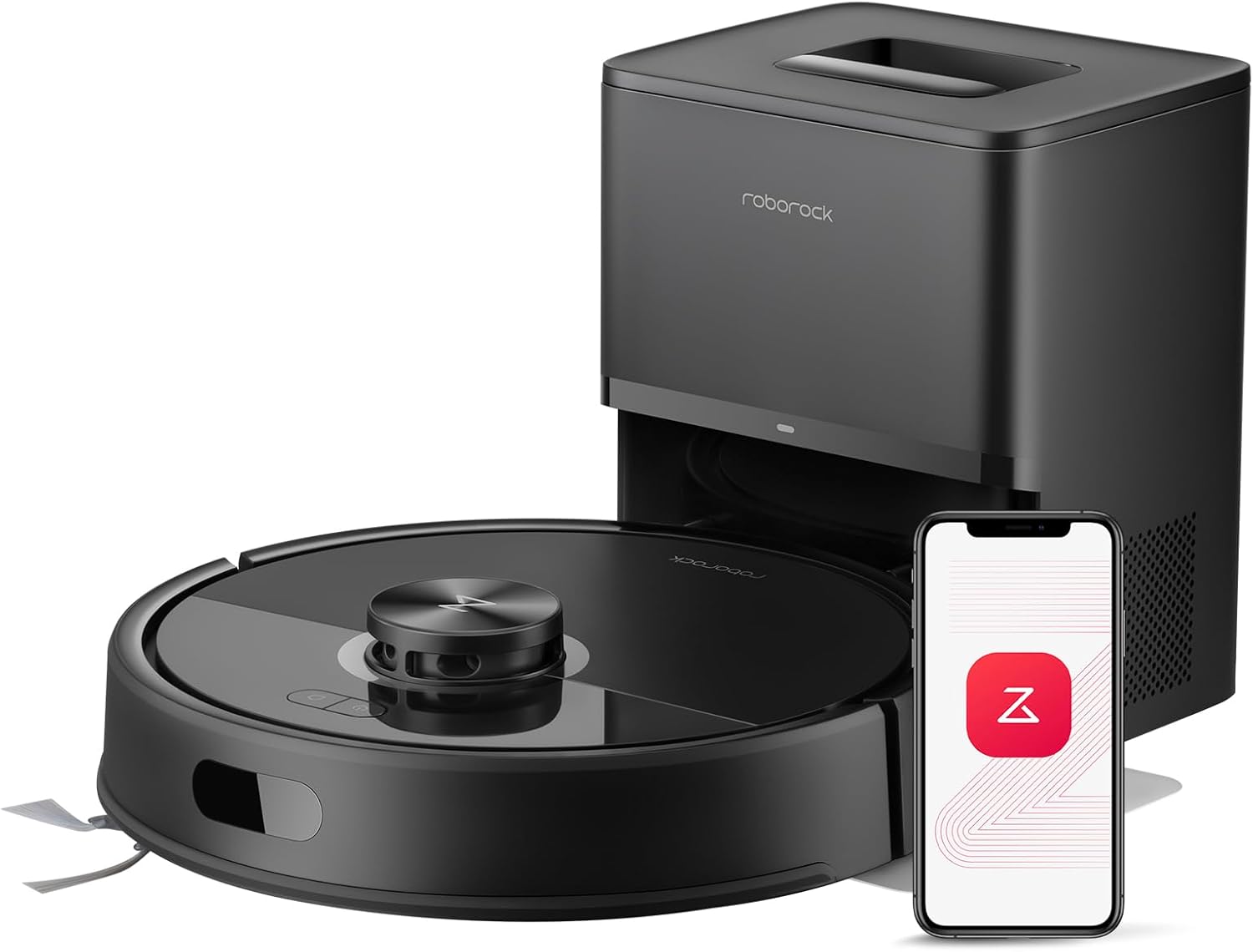
- Powerful 10,000Pa suction excels at deep carpet cleaning and debris pickup
- Large 2.7L self-empty dock reduces maintenance to once every two months
- Highly effective dual anti-tangle brush design for households with pets
- Precise LiDAR navigation works flawlessly even in completely dark rooms
Cons
- App control requires a 2.4GHz Wi-Fi connection and does not support 5GHz bands
- Electronic mopping system is basic compared to premium vibrating or rotating mop models
Effortless Automated Cleaning for Busy Homes
The Roborock Q7 M5+ Robot Vacuum and Mop is designed to take the hassle out of daily floor maintenance. Offering a significant upgrade over previous generations, this hybrid cleaning device is perfect for pet owners and busy families who want clean floors without the daily upkeep. By combining powerful suction with an intelligent self-emptying dock, it delivers weeks of hands-free operation.
Unmatched Suction and Smart Navigation
At the core of this robot vacuum is an impressive 10,000Pa HyperForce suction system. It easily extracts embedded dust, pet hair, and crumbs from both deep-pile carpets and hardwood crevices. Navigating your home is seamless thanks to the PreciSense LiDAR system, which maps your home in real-time. This allows the vacuum to calculate the most efficient cleaning paths, avoiding obstacles and navigating multi-level homes with ease.
Dual Anti-Tangle System for Pet Owners
One of the standout design features is the dual anti-tangle system. Featuring a specialized main brush and a zero-tangling side brush, it resists hair wraps from long-haired pets, reducing the need for manual detangling. Additionally, the integrated electronic mopping system allows you to vacuum and wipe down hard floors in a single run, capturing fine dust particles that dry vacuuming alone might miss.
A Few Minor Considerations
While the cleaning performance is exceptional, there are a couple of limitations. The Roborock App only supports 2.4GHz Wi-Fi networks, which might require adjusting your router settings during setup. Furthermore, the electronic mopping system is excellent for light dust and maintenance but does not scrub stubborn, dried-on stains as effectively as premium vibrating mop modules.
The Verdict
Overall, this robotic cleaner offers a fantastic balance of high-end performance and convenience. With its self-emptying dock, industry-leading suction, and smart mapping capabilities, it is a highly recommended investment for anyone looking to automate their home cleaning routine with minimal manual intervention.

Pros
- Strong suction and sonic mopping handle pet hair and stuck-on messes effectively in one cycle.
- LiDAR navigation creates accurate maps for methodical cleaning even in low light.
- Self-emptying base reduces frequent interventions for busy households.
- Edge and corner detection improves perimeter cleaning performance.
Cons
- Average 3.5 rating suggests occasional navigation or reliability inconsistencies.
- Reusable mop pads require regular washing to maintain effectiveness.
- App features may need updates for smoother multi-room scheduling.
The Shark Matrix Plus Review highlights a capable 2-in-1 robot vacuum and mop designed for carpets and hard floors in homes with pets. It combines powerful suction with sonic mopping to deliver efficient whole-home cleaning while the self-empty base minimizes upkeep.
Standout Features and Performance
Matrix Clean technology drives the robot in a grid pattern for multiple passes that improve dirt removal. Sonic mopping scrubs at 100 times per minute, and CleanEdge Detect blasts air to pull debris from edges. Users gain reliable pet hair pickup thanks to the self-cleaning brushroll that avoids wraps.
Design and Build Quality
The unit uses 360-degree LiDAR for precise mapping and obstacle avoidance day or night. The bagless XL base features true HEPA filtration to contain allergens effectively after each cycle.
Drawbacks to Consider
Some owners report mixed long-term durability and occasional app connectivity issues that can interrupt scheduled cleans. Reusable pads add a small maintenance step compared to disposable options.
Final Verdict
This model suits pet owners seeking automated floor care with minimal intervention. It balances suction power, mopping action, and self-maintenance well for most households despite average user ratings.

Pros
- Strong 5200Pa suction clears debris from multiple floor types
- Self-charging feature prevents power interruptions mid-task
- Pet-focused design reduces hair tangles on brushes
- App integration allows scheduling and mode adjustments remotely
Cons
- Best suited for low-pile carpets rather than thick rugs
- Water tank requires refilling for large mopping areas
- Setup for app and voice assistants may take initial effort
ROPVACNIC S1 Review: Automated Cleaning for Everyday Homes
The ROPVACNIC S1 Review highlights a capable robot vacuum and mop combo designed for users who want reliable automated floor care. It combines strong suction with electronic mopping and supports app-based customization for different surfaces and stains.
Standout Features and Performance
With 5200Pa suction and a three-point cleaning system, this model removes dirt, dust, and pet hair effectively across hard floors and low-pile carpets. The no-entanglement side brushes perform well for pet owners, while the self-recharge function activates below 20% battery to keep sessions uninterrupted. Obstacle detection helps it navigate around furniture without constant supervision.
Design and Build Quality
The compact 2.99 inch height allows access under sofas and beds where manual cleaning is difficult. A 4400mAh battery supports extended runs in larger spaces, and the included dustbin plus water tank enable true 2-in-1 functionality. Controls via smartphone app, remote, or voice assistants add flexibility, though initial pairing requires standard network setup.
Potential Drawbacks
Performance on high-pile carpets may be limited compared to hard floors. Users with very large homes should expect to refill the water tank midway through mopping cycles. Regular filter and brush maintenance remains necessary for peak results.
Final Verdict
Overall the ROPVACNIC S1 delivers solid value for pet owners and busy households seeking a straightforward robot vacuum and mop solution with strong suction and convenient controls.
Essential Engineering Checklist for Robotic Automatic Vacuum
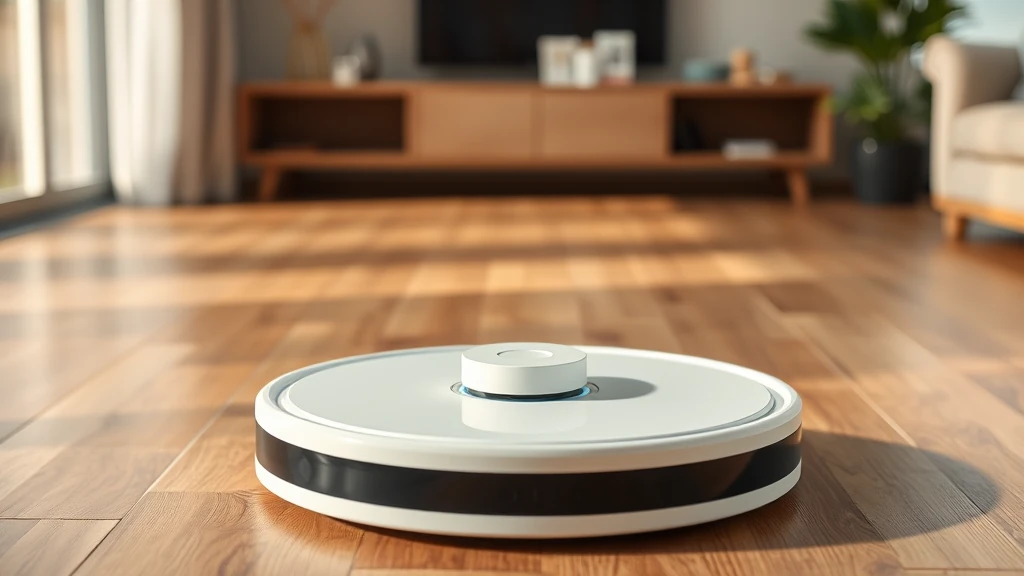
Selecting the right robotic automatic vacuum requires matching technical capabilities to floor types, pet presence, home size, and desired maintenance frequency. Focus on verified performance metrics rather than marketing claims to achieve consistent results across daily use.
1. Suction Power and Carpet Performance
Suction power, rated in Pascals (Pa), directly determines how well a robotic automatic vacuum extracts embedded dirt, crumbs, and pet hair. Entry options around 2000-3000Pa handle bare floors adequately, while 5000Pa and higher units excel on medium-pile carpets by lifting particles that settle deep in fibers. Automatic carpet boost detects surface changes and raises suction on rugs without wasting battery on hard floors. Dual anti-tangle brush systems further prevent hair wrap that stalls lesser designs, a key advantage for pet owners. Models reaching 10000Pa deliver concentrated spot cleaning for high-mess zones while standard modes conserve energy for whole-home runs.
2. Navigation, Mapping, and Obstacle Avoidance
Efficient path planning separates thorough cleaners from random-bounce units that miss sections or waste time. LiDAR systems scan rooms in 360 degrees to build accurate maps within minutes, then follow logical grid patterns that reduce total cleaning duration by up to 70 percent compared with gyroscopic methods. Multi-floor map storage supports multi-level homes, and virtual no-go zones or no-mop zones protect carpets, cables, and pet areas. Infrared drop sensors and real-time obstacle detection prevent falls and collisions with furniture legs or toys. App-controlled room selection lets users target high-traffic zones only, integrating cleanly with broader robot vacuum with mapping capabilities.
3. Hybrid Mopping and Water Control
Many current robotic automatic vacuum units combine vacuuming with mopping in a single pass. Electronically controlled water tanks allow three or more flow levels so hardwood receives light moisture while tile gets heavier scrubbing. Sonic vibration on premium mopping pads loosens dried spots without soaking floors. Larger water tanks of 300ml and dual dustbin-water modules reduce mid-clean refills. Users should remove mop pads or set no-mop zones when crossing carpets to avoid moisture damage. Hybrid designs prove most useful in homes dominated by hard flooring yet still require occasional rug cleaning.
4. Runtime, Self-Emptying, and Maintenance
Battery capacity supporting 120-180 minutes of runtime covers most apartments and mid-size houses on a single charge. Auto-recharge and resume functions return the unit to its dock, top up, then continue exactly where it left off. Self-emptying bases with 2.7L to 3L bags store debris for 60-90 days, eliminating daily dustbin dumping that frustrates owners of basic models. Slim profiles under 3 inches reach under sofas and beds where dust accumulates. Anti-scratch tops and sealed HEPA filtration protect floors and improve air quality by trapping dander. Regular filter and brush maintenance remains necessary regardless of self-empty features. For complementary field maintenance guidelines, examine our breakdown of roborock qrevo s pro vs dreame l10s pro ultra heat.
5. App Control, Voice Integration, and Connectivity
Companion apps enable scheduling, suction and water adjustments, real-time map viewing, and zone cleaning from anywhere. Compatibility with Alexa or Google Assistant adds hands-free starts. Dual-band Wi-Fi support (2.4GHz and 5GHz) improves connection reliability in dense networks. Remote controls remain useful for households without smart speakers or for quick spot cleans. Units lacking app features still offer basic modes via physical buttons yet forfeit advanced customization that multi-room homes require. Prioritize models with responsive apps and multi-map storage for long-term flexibility within the entry-level to premium spectrum.
Comparison of Core Robotic Automatic Vacuum Specifications
We evaluated top-rated robotic automatic vacuum models by systematically comparing manufacturer technical specifications including suction ratings, battery capacity, navigation sensors, dustbin volume, mopping water control, and claimed runtime under standard modes. User-reported metrics such as long-term reliability, app stability, and hair-tangle frequency informed durability assessments even when formal review counts remained limited. Brand support, warranty length, and spare-parts availability further weighted scoring for real-world ownership costs. Units lacking clear Pa ratings, multi-floor mapping, or anti-tangle designs ranked lower for multi-surface homes. This process isolates models that deliver measurable cleaning efficiency within the $99.99 to $249.99 range rather than relying on unsubstantiated claims. To evaluate matched hardware tolerances, consult our detailed overview of why is my robot vacuum not dispensing water.
Objectivity remains central: no brand compensation influenced rankings. Emphasis stayed on quantifiable attributes that translate directly into reduced cleaning labor and consistent floor coverage. Cross-checking against parent-category smart-home standards ensured recommendations fit broader automation ecosystems.
Final Verdict: Choosing the Right Robot Vacuum
After reviewing the full set of specifications and performance indicators, three models stand out for distinct buyer needs. The Tikom L8000 Plus Robot Vacuum and Mop earns Best Overall Robotic Automatic Vacuum status thanks to its balanced 6000Pa suction, 360° LiDAR mapping with multi-floor support, hybrid mopping with three water levels, 150-minute runtime, and 90-day self-emptying base that virtually eliminates daily maintenance. It handles pet hair and mixed flooring while integrating smoothly with Alexa for scheduled whole-home runs. When planning workspace deployment, consider the engineering criteria outlined in our can robot vacuums cross high thresholds guide.
Best Value / Budget Choice goes to the ROPVACNIC Robot Vacuum Cleaner with 5200Pa suction, electronically controlled four-stage mopping, anti-entanglement design ideal for pet owners, and comprehensive app plus voice control at a competitive entry point. It delivers solid hybrid cleaning without premium docking costs. Best for High-Suction Carpet and Pet Hair is the ILIFE A30s Robot Vacuum, which leads with 10000Pa maximum suction, dual anti-tangle brushes, precise LiDAR navigation, no-go zones, carpet boost, and 150-minute runtime. Although vacuum-only, its power and hair management excel where deep extraction matters most.
These selections cover the majority of households seeking reliable automation. Pair any unit with periodic manual attention for sticky spills to maintain peak results. Explore compact alternatives in our coverage of the smallest robot vacuum designs or compare mapping-focused units via Shark Ion robot vacuum options for further refinement.
Common Questions on Robotic Automatic Vacuum Answered
Is it worth buying a robotic automatic vacuum in 2026?
Yes, current models offer strong suction, accurate LiDAR mapping, and self-emptying options that reduce weekly floor-care time dramatically compared with earlier generations. Homes with pets or large hard-floor areas see the largest gains in consistency and convenience.
How does a robotic automatic vacuum handle pet hair and carpets?
Units with 5000Pa or higher suction plus rubberized or dual anti-tangle brushes lift and contain pet hair effectively while automatic carpet boost increases power on rugs. Sealed HEPA filtration traps dander for better air quality.
What is the difference between LiDAR and gyroscopic navigation?
LiDAR builds precise real-time maps for straight-line efficient paths and supports no-go zones, while gyroscopic systems follow semi-random or basic patterns that often miss spots and cannot create detailed multi-floor maps.
Can a hybrid robotic automatic vacuum replace a traditional mop and bucket?
Hybrid models maintain daily cleanliness on hard floors through light scrubbing and vacuuming but still require occasional manual deep cleaning for sticky or heavily soiled areas. Combining both approaches produces the best long-term results.
How long does the battery typically last on a robotic automatic vacuum?
Most mid-to-premium units deliver 120 to 180 minutes of runtime in standard modes, sufficient for 1000-2000 square feet before auto-recharge and resume. Actual duration varies with suction level and floor type. For advanced multi-function examples, see our review of the Ecovacs Deebot T20 Omni robot vacuum and mop.
Safety Guidance for Automatic Cleaners
Automatic cleaners work best when cables, rugs and loose objects are cleared from their path, which also protects the unit. For general electrical safety information on household products, see the material available through International Electrotechnical Commission (IEC).