

What Time Can You Start Mowing? (Quick Answer)
Most U.S. municipalities allow lawn mowing to begin between 8:00 AM and 9:00 AM on weekdays, with some areas permitting 7:00 AM starts. Weekend mowing typically cannot begin until 9:00 AM or 10:00 AM. Since regulations vary significantly by city and county, you should check your local noise ordinance or contact your municipal code enforcement office for exact times in your area.
Understanding Local Noise Ordinances
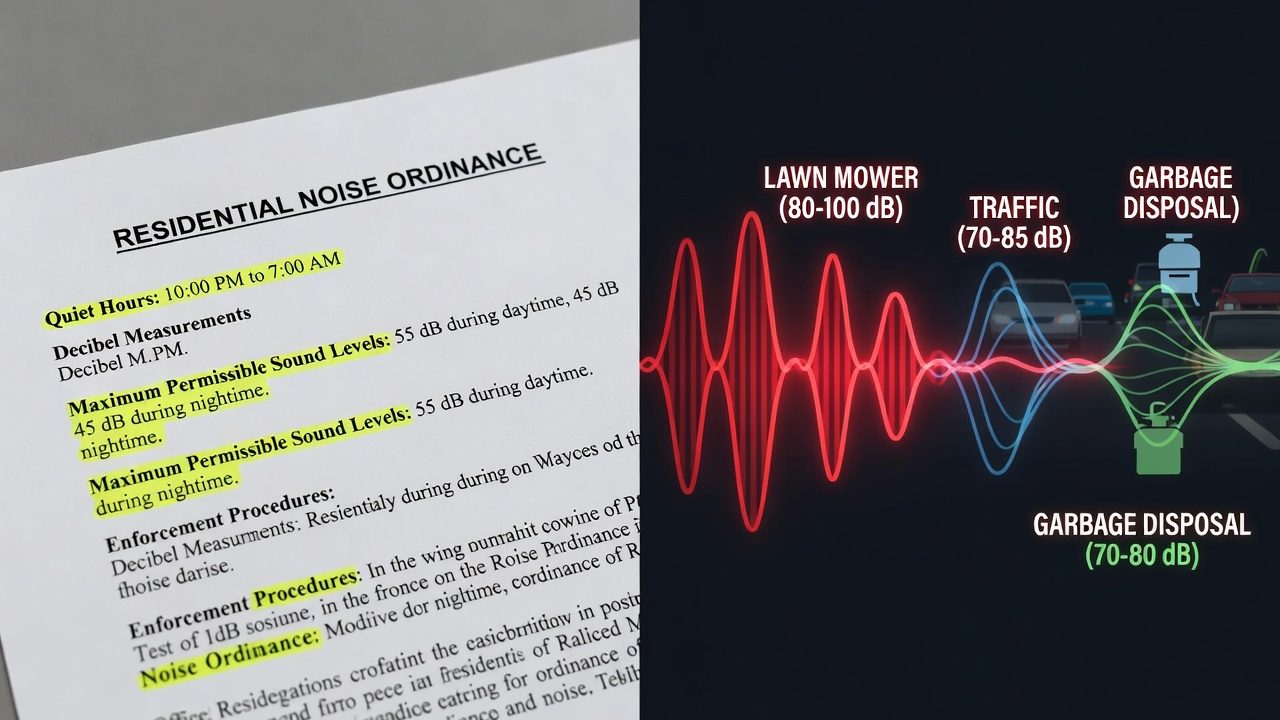
Lawn mowing time restrictions exist because of local noise ordinances, regulations designed to protect residents from excessive noise during early morning, evening, and nighttime hours. These ordinances define “quiet hours,” during which loud activities like mowing are prohibited.
Noise ordinances are enforced by local code enforcement offices, police departments, or municipal authorities. When a neighbor files a complaint about noise violations, enforcement officials investigate and may issue citations or fines. Violating noise ordinance rules can result in fines ranging from $50 to $500 or more, depending on your jurisdiction and whether it’s a repeat offense.
Most residential noise ordinances measure sound levels in decibels (dB). A standard residential lawnmower typically produces 80 to 100 dB of noise, comparable to a garbage disposal or heavy traffic. This is why restrictions exist: to prevent early morning disturbances in densely populated residential areas.
Typical Mowing Time Windows by Region
Weekday Mowing Hours
On weekdays, most U.S. cities permit lawn mowing between 8:00 AM and 9:00 AM as the earliest start time. Some municipalities allow 7:00 AM starts, while others are stricter and require 9:00 AM. Mowing typically must stop by 5:00 PM to 7:00 PM, depending on local rules.
Common quiet hours in residential zones run from 10:00 PM to 7:00 AM, though some areas extend quiet hours until 8:00 AM or 9:00 AM. A few progressive municipalities have established stricter noise limits, particularly in densely populated urban areas or neighborhoods with many elderly residents.
Weekend and Holiday Mowing Hours
Weekend mowing restrictions are almost always more stringent than weekday rules. Most jurisdictions require mowing to start no earlier than 9:00 AM on Saturdays and 10:00 AM on Sundays. Some areas prohibit mowing entirely on Sundays or limit it to afternoons only.
Holidays often fall under the same quiet-hour protections as Sundays. Major holidays like Memorial Day, Independence Day, and Labor Day typically have extended quiet hours, so check your local ordinance before planning holiday yard work.
Urban vs. Rural Differences
Urban and suburban residential areas generally have stricter mowing time restrictions than rural properties. In cities, noise ordinances are enforced more aggressively because more people live in closer proximity. Rural areas may have minimal restrictions, as properties are more spread out and fewer neighbors are affected by noise. To evaluate matched hardware tolerances, consult our detailed overview of marshall stanmore iii vs harman kardon onyx studio 8.
Commercial properties sometimes face different rules than residential properties. If you’re mowing for a business or managing commercial grounds, check whether commercial noise ordinances apply, they may be more lenient during business hours.
Factors That Affect Mowing Time Regulations
Residential Zoning and Property Type
Your property’s zoning classification determines which noise ordinance applies. Residential zones have the strictest mowing time rules, while commercial and industrial zones may have different regulations. Mixed-use neighborhoods sometimes have transitional zoning that affects what times are permitted. When planning workspace deployment, consider the engineering criteria outlined in our dyson v8 cyclone vs bissell featherweight stick guide.
If you live in a homeowners association (HOA), additional restrictions may apply beyond municipal ordinances. Some HOAs establish earlier or later mowing cutoff times, prohibit mowing on certain days, or restrict noise levels further than local law requires.
Seasonal Variations
In regions with distinct seasons, mowing time regulations may vary. During growing season (typically spring and summer), mowing is common and restrictions are in place. In winter, many areas have no mowing regulations because lawn maintenance isn’t necessary, though snow removal equipment may have different rules. For additional operational safety benchmarks, see our published testing notes on bissell crosswave hydrosteam vs shark stainforce.
Some municipalities adjust quiet hours seasonally. For example, summer quiet hours might extend later (allowing 7:00 AM starts) to accommodate longer daylight hours, while winter quiet hours may be stricter.
Weekday, Weekend, and Holiday Distinctions
Most ordinances differentiate between weekdays, weekends, and holidays. Weekdays permit earlier mowing starts because many people are away at work. Weekends have later start times to protect people sleeping in. Holidays receive Sunday-level protections or stricter rules.
How to Find Your Local Mowing Time Requirements
Step 1: Check Your Municipal Code Online
Most cities and counties publish their noise ordinances online through municipal websites. Search for “[your city] noise ordinance” or “[your county] code enforcement.” Look for sections titled “Noise Regulations,” “Quiet Hours,” or “Residential Noise Limits.”
Many municipal codes specify exact times, decibel levels, and exemptions. For example, a typical ordinance might read: “No person shall operate lawn maintenance equipment between 9:00 PM and 8:00 AM on weekdays or before 10:00 AM on weekends.”
Step 2: Contact Your Local Code Enforcement Office
If you cannot find the ordinance online or it’s unclear, call your city or county code enforcement office directly. They can provide exact mowing hours, explain how violations are enforced, and answer questions about your specific property.
Have your address ready when you call, as zoning or neighborhood-specific rules may apply.
Step 3: Ask Your Neighbors or HOA
Long-term residents or your HOA can clarify what times are customary in your neighborhood. While informal practice doesn’t override local law, it provides insight into community expectations and what times have caused complaints in the past.
Best Practices Beyond Time Restrictions
Minimize Noise During Permitted Hours
Even during allowed mowing times, you can be a considerate neighbor. Maintain your mower regularly, a well-maintained engine runs quieter than a neglected one. Use a mulching mower instead of a bagging mower when possible, as mulching mowers are generally quieter.
Consider alternative lawn care equipment. Reel mowers and electric mowers are significantly quieter (60 to 70 dB) than gas-powered mowers and may be acceptable during earlier or later hours.
Choose Optimal Days and Times
Mow during mid-morning or early afternoon when many people are away or occupied indoors. Avoid mowing when neighbors are likely enjoying their yards or when windows are open for ventilation. If possible, coordinate with neighbors about preferred mowing days.
Avoid mowing on days when neighbors may have guests, are hosting outdoor events, or when community noise is already elevated.
Respond to Complaints Professionally
If a neighbor complains about your mowing time, listen respectfully and verify what your ordinance actually permits. If you’re within legal hours, explain this calmly. If you’re violating the ordinance, adjust your schedule.
A proactive, neighborly approach prevents escalation to formal code enforcement complaints and helps maintain community relationships.
Buyer FAQs: What Time Can I Start Mowing My Lawn Solved
Can I mow my lawn at 7:00 AM?
It depends on your local noise ordinance. Some municipalities permit 7:00 AM starts on weekdays, while others require waiting until 8:00 AM or 9:00 AM. Check your municipal code or contact your local code enforcement office to confirm the exact early-morning time permitted in your area.
What happens if I mow outside permitted hours?
Violating local noise ordinances can result in citations, fines (typically $50-$500), or both. Repeat violations may lead to escalating penalties. Some jurisdictions can also issue nuisance complaints that appear on your property record or lead to civil disputes with neighbors.
Are electric and battery-powered mowers exempt from mowing time restrictions?
Most municipalities do not exempt quieter equipment from mowing time restrictions. However, because electric mowers produce less noise, code enforcement may be less likely to receive or pursue complaints. Some forward-thinking ordinances offer reduced restrictions or earlier start times for low-noise equipment, check your local ordinance for such provisions.
Can my HOA set mowing times stricter than city law?
Yes, in most cases. HOAs can establish rules stricter than municipal ordinances, though they cannot permit activities that violate city law. If your HOA prohibits mowing before 9:00 AM but your city allows 8:00 AM, you must follow the HOA’s stricter rule.
Related Maintenance and Operating Guides
To keep your equipment running at peak operating efficiency, explore our related technical walkthroughs and maintenance tutorials:
- Consult our detailed breakdown on residential zero-turn lawn mower guide.
- Consult our detailed breakdown on heavy-duty chainsaw buyer guide.
Technical Standards and Compliance
Mechanical safety standards, operational tolerances, and protective gear guidelines align with benchmark specifications established by the American National Standards Institute (ANSI).









