Quick Answer: Lawn Mower Battery Voltage
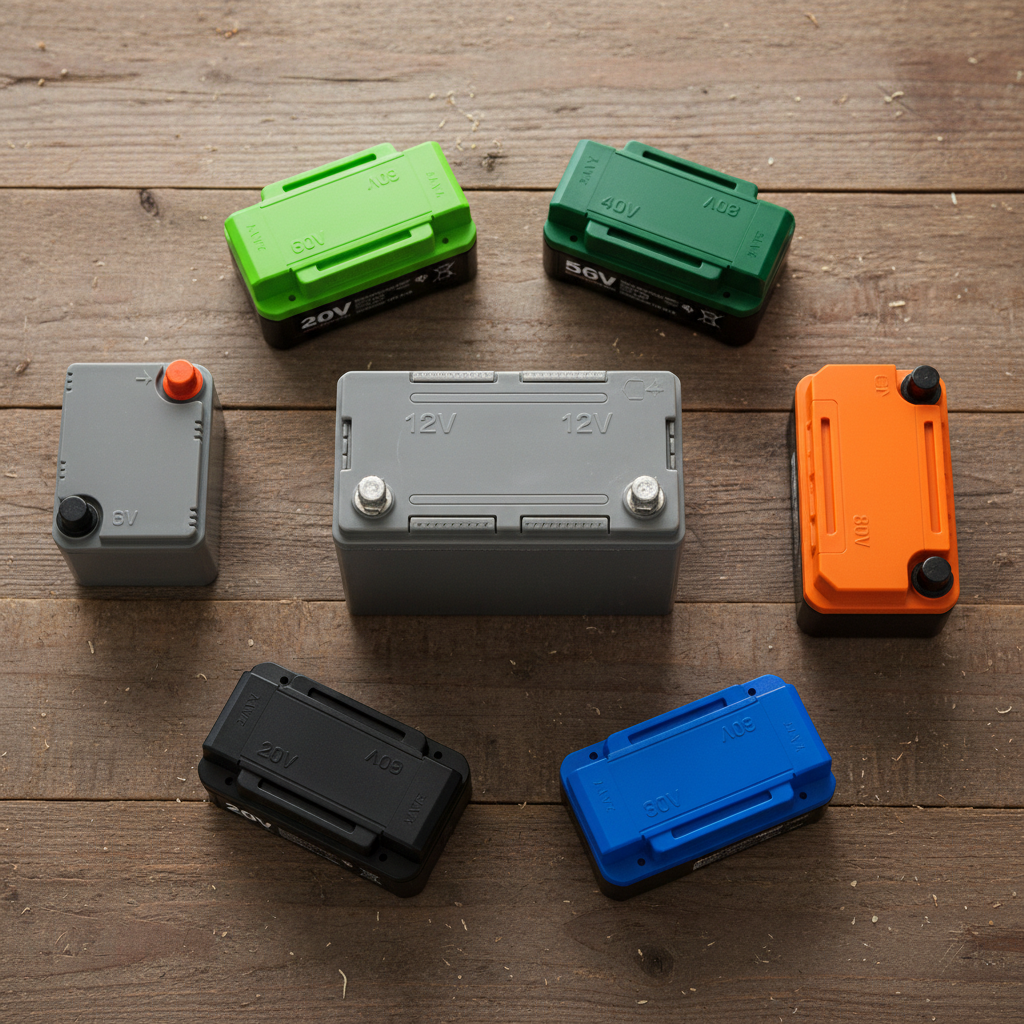
Most riding lawn mower and lawn tractor starter batteries are 12V lead-acid. Some older or compact riding mowers use 6V. Cordless push mowers use lithium-ion batteries ranging from 20V to 120V depending on brand platform (40V, 56V, 80V). Zero-turn and commercial mowers may use 24V or 36V systems. The correct voltage depends on your mower type and whether the battery powers the engine starter or the drive system.
Quick-Reference: Lawn Mower Battery Voltage by Mower Type
| Mower Type | Battery Voltage | Chemistry |
|---|---|---|
| Riding lawn mower (standard) | 12V | Lead-acid |
| Older/compact riding mowers | 6V | Lead-acid |
| Cordless push mower (Ryobi, Greenworks) | 40V | Lithium-ion |
| Cordless push mower (EGO) | 56V | Lithium-ion |
| Cordless push mower (Greenworks commercial) | 80V | Lithium-ion |
| Cordless push mower (DeWalt) | 20V MAX (18V nominal) | Lithium-ion |
| Zero-turn mower | 12V or 24V | Lead-acid |
| Commercial/large zero-turn | 24V or 36V | Lead-acid or lithium |
Starter Battery vs. Drive Battery: Why This Matters
Before shopping for a replacement, understand that gas-powered mowers have two separate power systems:
- Starter battery: A 12V (or 6V) lead-acid battery that cranks the engine to start it. After the engine runs, an alternator charges this battery. This is what most riders mean when they ask about their mower battery voltage.
- Drive battery: A lithium-ion pack (20V–120V) that powers the cutting deck, transmission, or wheels on a cordless or all-electric mower. This is the sole power source for battery-operated equipment.
Cordless push mowers use only a drive battery — they have no gas engine or starter battery. Confusing these two types is the most common reason people buy the wrong replacement and experience starting failures or charging problems.
12V Batteries: The Standard for Riding Mowers and Lawn Tractors
The vast majority of gas-powered riding mowers, lawn tractors, and garden tractors use a 12V lead-acid starter battery. This voltage has been the industry standard for over 50 years.
Why 12V?
12V systems offer the right balance of:
- Sufficient power to crank modern engines reliably
- Affordable, widely available replacement batteries (U1 group size is the common standard)
- Compatibility with standard automotive charging systems and alternators
- Low enough voltage to be safe for residential users
How to Identify a 12V Battery
Check the battery itself for a label showing voltage, or look at your owner’s manual. The battery terminal layout also differs: a 12V battery has two terminals (positive and negative), while a 6V battery has the same terminal configuration but smaller overall size.
Cold Cranking Amps (CCA): What It Means
When replacing a 12V mower battery, pay attention to Cold Cranking Amps (CCA), which measures the battery’s ability to start your engine in cold weather. A typical riding mower battery ranges from 300 to 600 CCA. Always match or exceed the CCA rating specified in your owner’s manual; using a lower CCA battery may result in hard starts or failure to start in winter.
6V Batteries: Older and Smaller Riding Mowers
Some older lawn tractors, garden tractors, and small utility mowers were manufactured with 6V lead-acid systems. If your mower is vintage (1990s or earlier) or a compact model from a budget brand, it may have a 6V battery.
How to Avoid a Costly Mistake
Do not assume your mower uses 12V. Installing a 12V battery into a 6V mower will damage the electrical system, burn out the alternator, and possibly start a fire. Similarly, a 6V battery in a 12V mower will not provide enough power to crank the engine reliably.
Always check:
- The label on your existing battery
- Your owner’s manual (usually in the mower deck compartment or online)
- The mower’s model number (cross-reference on the manufacturer’s website)
20V to 120V: Cordless Push Mower Battery Voltages by Brand
The cordless mower market uses proprietary battery platforms that are not interchangeable between brands. Each manufacturer has locked customers into their ecosystem by using unique voltages and connector designs.
Major Cordless Mower Battery Platforms
- DeWalt 20V MAX: The 20V MAX designation refers to peak voltage; the nominal (working) voltage is approximately 18V. Most DeWalt cordless mowers use this platform.
- Ryobi and Greenworks 40V: Both brands offer 40V lithium-ion systems. These batteries are fast-charging and suitable for residential yards up to 1 acre.
- EGO 56V: EGO’s 56V platform is designed for more power and runtime on larger properties and commercial-grade cordless equipment.
- Greenworks 80V: Greenworks’ commercial-grade 80V system is built for extended runtime and heavy-duty cutting on 1+ acre properties and professional landscapers.
- Husqvarna 40V: Husqvarna also offers a 40V cordless platform, separate from their gas mower business.
What Does “20V MAX” or “40V” Actually Mean?
Lithium-ion batteries are marketed using peak voltage (the highest voltage when fully charged), but they operate at a lower nominal voltage during use. A “20V MAX” DeWalt battery peaks at 20V when new but runs at approximately 18V nominal. Similarly, a “40V” battery may peak at 40V but nominal is closer to 36V. This difference causes confusion when comparing runtimes and power across platforms—a higher advertised voltage doesn’t always mean more runtime.
Battery Interchangeability: Are They Compatible?
No—cordless mower batteries are not interchangeable between brands. Each manufacturer uses proprietary connectors and charging protocols. You cannot use a Ryobi battery on an EGO mower or vice versa. When selecting a cordless mower, commit to one brand’s battery ecosystem if you want flexibility to purchase multiple tools and batteries over time.
24V and 36V Systems: Commercial and Zero-Turn Mowers
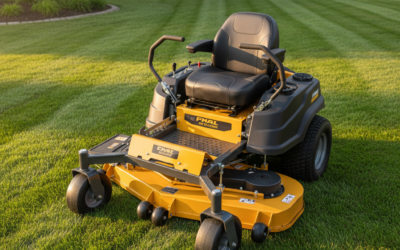
Larger commercial mowers and some zero-turn models use higher-voltage systems for increased cutting power.
Dual 12V Lead-Acid Wiring in Series
Many zero-turn mowers use two 12V lead-acid batteries wired in series to produce 24V. This configuration provides extra cranking power and runtime for larger decks and hydraulic systems. If you own a zero-turn mower, check your manual to see whether it has one battery or two before attempting a replacement.
Commercial 36V Systems
Some commercial mowers and professional-grade zero-turn models use proprietary 36V lithium-ion or lead-acid battery systems. These are typically supplied by the mower manufacturer and not available at consumer battery retailers. Always consult your dealer for replacement parts on commercial equipment.
How to Find the Correct Battery Voltage for Your Specific Mower
Follow this step-by-step process to avoid buying the wrong battery:
- Inspect the existing battery: Open the mower’s battery compartment and look for a label showing voltage (6V, 12V, etc.) and CCA rating. Take a photo for reference.
- Check the owner’s manual: Your manual lists the exact battery type, voltage, and CCA requirement. Most manuals are available free on manufacturer websites by model number.
- Look up the mower model number: Find the model number on a sticker or engraving on the mower frame (usually near the engine or under the seat). Enter it into the manufacturer’s website to access product specs and battery compatibility.
- Contact the manufacturer or dealer: If you cannot find the information online, call the mower’s customer service line with your model number. They will confirm the correct battery voltage and part number.
- Verify battery group size and CCA: For lead-acid batteries, confirm the group size (e.g., U1) and ensure the CCA matches or exceeds the original specification.
What Happens If You Use the Wrong Voltage Battery?
Using an incorrect voltage battery in your mower creates several risks:
- Under-voltage (e.g., 6V in a 12V mower): Insufficient power to crank the engine; weak or failed starts, especially in cold weather.
- Over-voltage (e.g., 12V in a 6V mower): Damage to the alternator, voltage regulator, starter motor, and wiring. Risk of fire or electrical system failure.
- Warranty voidance: Many mower warranties exclude damage caused by incorrect battery installation.
- Battery damage: An incorrect charger can overcharge or undercharge a replacement battery, shortening its lifespan.
Always verify the correct voltage before purchasing or installing a replacement.
Frequently Asked Questions
Can I replace a 12V mower battery with a lithium-ion battery?
Not directly. Lithium-ion starter batteries for lawn mowers are rare and expensive. Most lithium replacements are sold as aftermarket upgrades, not OEM parts, and may void your warranty. Stick with the battery voltage and chemistry your mower was designed for. If you want lithium-ion benefits, consider upgrading to a cordless mower platform (40V, 56V, or 80V).
How long does a lawn mower battery last?
A lead-acid starter battery typically lasts 3–5 years with proper maintenance. Lithium-ion cordless mower batteries last 3–7 years depending on usage, charging habits, and temperature exposure. Both types degrade faster if left uncharged for long periods or exposed to extreme cold.
What is the difference between Group 24 and U1 battery sizes?
Group 24 and U1 are two common lead-acid battery group sizes. U1 batteries are smaller and designed for smaller engines and lawn equipment. Group 24 batteries are larger and provide more capacity. Riding mowers typically use U1; always check your manual to confirm the correct group size for your mower.
Can I charge a cordless mower battery with a different charger?
No. Cordless mower batteries must be charged with the manufacturer’s charger or a compatible third-party charger designed for that voltage platform. Using the wrong charger can damage the battery, reduce its lifespan, or create a fire risk. Always use the charger that came with your mower or purchase a replacement from the mower brand.