

The Short Answer: Who Makes the Best Zero Turn Mower?
No single brand makes the best zero turn mower for every buyer. Husqvarna, John Deere, Toro, Ferris, Scag, and Gravely consistently rank as the most trusted names across independent consumer reviews and professional landscaper surveys. The best choice depends on yard size, terrain type, budget, and whether the use case is residential, prosumer, or full commercial. Homeowners with under 2 acres get strong value from Husqvarna or Cub Cadet; prosumers and professional landscapers lean toward Ferris, Scag, or Toro for durability and cut quality.

Pros
- Powerful 80V brushless motor delivers 32HP gas-equivalent performance with quiet fume-free operation and no engine maintenance.
- Complete kit includes four 6.0Ah batteries and 600W charger for substantial runtime up to 1.5 acres.
- SmartCut technology and 42-inch heavy-duty steel deck ensure consistent cuts without bogging in tough conditions.
- Versatile towing up to 350 lbs and optional cargo hauling plus comfort features like high-back seat and LED lights.
- Strong 4-year limited warranty and full compatibility with the Greenworks 80V tool ecosystem.
Cons
- Rear utility cargo bed for 200 lb hauling is sold separately and not included in the kit.
- Runtime of up to 1.5 acres varies with conditions and may require recharging or battery swaps on larger properties.
- As a fully cordless model continuous operation depends on battery levels unlike gas engines with unlimited runtime.
The Greenworks 80V 42" CrossoverT Cordless Riding Lawn Tractor is a ready-to-mow zero-emission tractor designed for homeowners managing medium to large lawns. It features a reinforced 42-inch stamped steel deck of 12-gauge construction along with premium comfort elements such as a high-back padded seat with foldable armrests. The overall build emphasizes durability and user convenience right out of the box with the included battery and charger set.
Performance centers on the 80V TruBrushless motor that provides 32HP gas-equivalent power with instant torque and quiet fume-free operation. SmartCut technology senses grass conditions and automatically adjusts power to maintain a consistent cut even in tall thick or wet areas. The four 6.0Ah batteries support runtime for up to 1.5 acres depending on conditions while dual LED headlights and a 7-position deck height range from 1.5" to 4.5" add practicality. Front and rear attachments further allow towing up to 350 lbs for added yard utility.
Key considerations include that the rear utility storage bin capable of hauling 200 lbs is sold separately so full cargo functionality requires an extra purchase. Runtime remains condition-dependent and may fall short for properties significantly larger than 1.5 acres without using the 600W charger or swapping batteries. The cordless design prioritizes ease and low maintenance but trades off the continuous runtime of traditional gas models.
This tractor delivers strong value for eco-conscious owners of residential properties who want gas-like power without the emissions noise or upkeep. It suits those who already use or plan to expand into the Greenworks 80V family of tools and who appreciate the 4-year limited warranty. Users with exceptionally large or commercial-scale lawns should evaluate battery logistics carefully before purchase.

Pros
- Delivers strong 21 horsepower equivalent power comparable to gas riding mowers.
- Provides up to 1.5 acres of runtime on a full charge with the six included batteries.
- Features low-maintenance dual brushless motors without belts for greater durability.
- Offers versatile 12-position cutting height adjustment from 1.5 to 4.5 inches.
- Includes digital controls for blade settings, drive speeds, and cruise control.
Cons
- Limited to 1.5 acres of cutting per charge without purchasing additional batteries for bigger lawns.
- Requires recharging time for the six 56V batteries after each use session.
- Relies solely on battery power with no hybrid or gas backup option for extended operation.
The EGO Power+ TR4204 is a cordless electric riding lawn mower built as a modern tractor alternative for residential use. It features a robust 42-inch stamped steel deck and arrives ready to go with six 56V 6.0Ah batteries plus a charger, creating an immediate impression of convenience and solid construction free from gas engine complexity.
Performance shines through its equivalent 21 horsepower output and top speed of 6 MPH, allowing efficient coverage of up to 1.5 acres on a single charge. Dual brushless cutting motors operate without belts for added durability and less upkeep, while the digital display lets users select three blade settings, three drive speeds, and cruise control. The 12 adjustable heights ranging from 1.5 to 4.5 inches combined with anti-scalp wheels deliver precise results across varied terrain.
Drawbacks center on battery dependency, as larger properties beyond 1.5 acres require extra batteries and recharging intervals can interrupt workflow. The fully electric design eliminates fuel storage needs but demands access to power sources between sessions.
This mower suits homeowners with medium to large yards who value quiet, emission-free operation and reduced maintenance. Those seeking expandable battery capacity for bigger areas will find the EGO Power+ TR4204 a strong long-term investment in cordless lawn care.
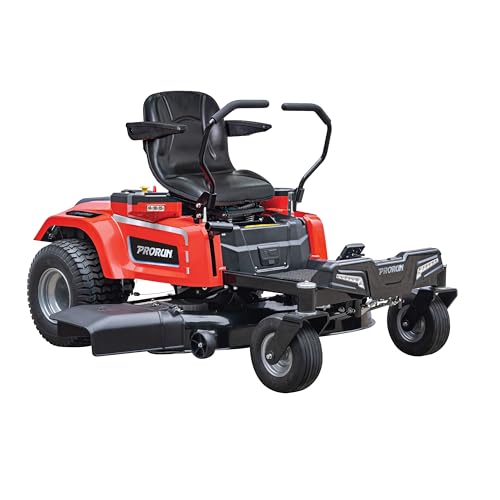
Pros
- High-efficiency brushless motors maximize power output and durability over traditional motors
- Up to 2 acres runtime with three included 10.0 Ah batteries supports substantial mowing sessions
- Zero-emission operation with gas-equivalent 20 HP power for quieter environmentally friendly use
- Six-port auto-switchover battery system provides flexible extended runtime options
- Durable 42-inch steel deck plus included mulch and towing kits add immediate functionality
Cons
- Runtime is limited to approximately 70 minutes or 2 acres which may require recharging for larger properties
- Fully battery-dependent design means performance relies on charge levels and spare battery availability
- 42-inch deck size may require more passes on expansive lawns compared to wider commercial models
The PRORUN PZT60V42 is a fully electric 60V zero-turn riding lawn mower built for residential and light commercial use. Its primary design centers on a robust 42-inch 14-gauge stamped steel twin blade deck powered by direct-drive brushless motors, giving an immediate impression of solid construction and modern battery-focused engineering. The mower arrives complete with three 10.0 Ah batteries, a charger, mulch kit, and towing kit for ready-to-work versatility.
In performance terms, four high-efficiency brushless motors deliver power equivalent to a 20 HP gas engine while producing zero emissions. The system supports up to 2.0 acres or 70 minutes of runtime, and six battery ports with auto switchover intelligently manage all PRORUN 60V battery sizes for continuous operation. A washout port on the steel deck further simplifies post-mow maintenance during real-world sessions.
Potential drawbacks include the finite 70-minute runtime window which can limit coverage on larger properties without spare batteries or recharge breaks. As a fully electric model, it also depends entirely on battery charge levels rather than continuous fuel refills, and the 42-inch deck width may demand extra passes compared with wider traditional options.
Overall the PRORUN PZT60V42 offers strong value for homeowners and small-property managers who want gas-like cutting power without emissions or noise. Those with medium-sized lawns seeking quiet efficient zero-turn performance and included accessories will benefit most from this electric mower.

Pros
- Strong 24HP FR730 engine power for demanding cutting conditions
- Wide 54-inch FAB deck reduces total mowing time
- Zero turn design delivers excellent maneuverability
- Fabricated deck supports durable everyday operation
Cons
- Sparse details beyond engine and deck leave other features unspecified
- Gas-powered FR730 engine needs regular fuel and maintenance
- Large 54-inch deck size may feel oversized on compact properties
The Husqvarna Z254F is a zero turn mower from the established Husqvarna brand in the riding lawn mowers category. It centers on a solid build that pairs a 24HP 726cc FR730 engine with a 54-inch FAB deck for straightforward residential grass care.
Performance stems directly from the listed specifications. The FR730 engine delivers the horsepower needed for steady operation across typical lawns while the wide FAB deck completes passes efficiently. Zero turn handling improves control in real yard layouts based on the model design.
Considerations arise from the limited data available. Secondary elements such as comfort features fuel capacity or extras receive no mention and the gas engine format involves routine upkeep. The large deck suits open areas better than confined spaces.
The Husqvarna Z254F provides the most value for owners of medium or large properties who want reliable engine power and a broad cutting width. Users with smaller lots or those seeking extensive accessory options should weigh the core specs carefully before purchase.
What Does “Best” Actually Mean for a Zero Turn Mower?
“Best” shifts depending on who is operating the mower and under what conditions. A residential homeowner mowing a flat half-acre twice a week needs a completely different machine than a landscaper running 8-hour shifts across uneven commercial properties. Before any brand is evaluated, five criteria define what separates a great zero turn mower from an average one:
- Cut quality: Evenness of cut across varying grass types and speeds — a function of deck design, blade tip speed, and airflow engineering.
- Engine reliability and longevity: Rated engine hours before major service intervals, and the reputation of the engine manufacturer (Kawasaki, Kohler, or Briggs & Stratton).
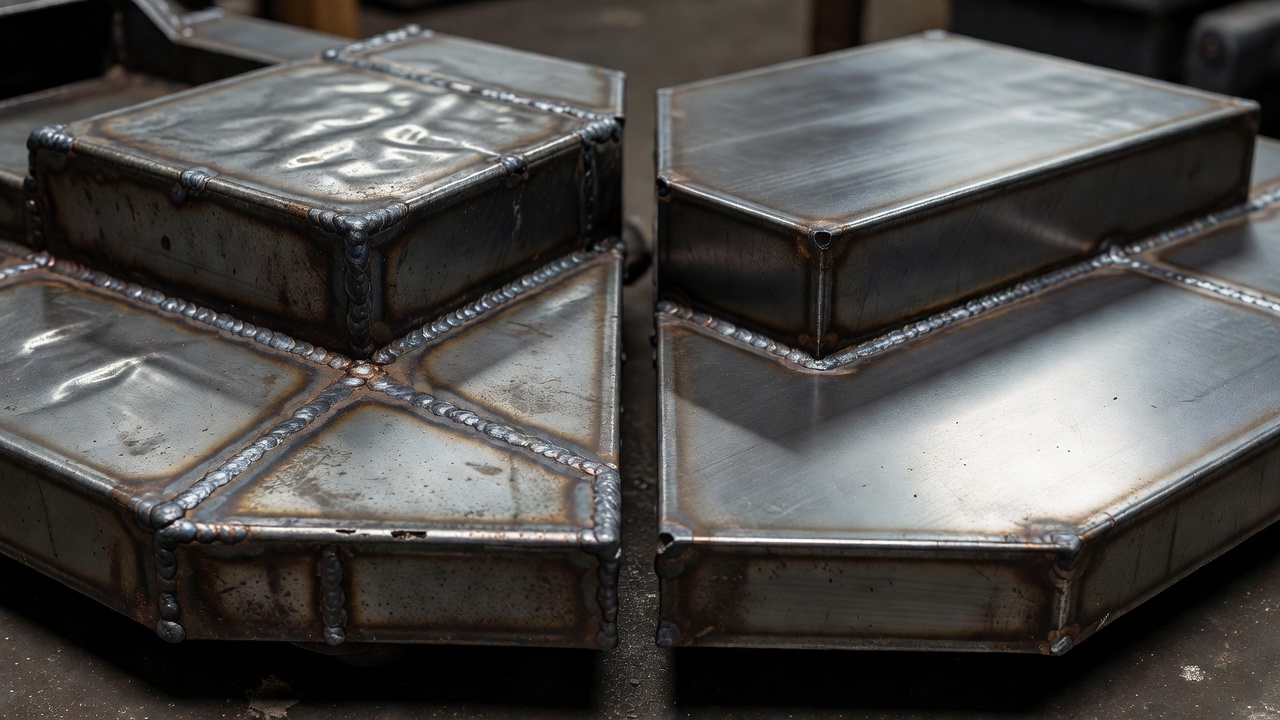
- Durability of frame and deck: Welded steel frames and fabricated decks outlast stamped decks under heavy use cycles.
- Price-to-value: What the machine delivers relative to its cost — different thresholds apply for a homeowner spending $4,000 versus a landscaper spending $12,000.
- Serviceability: Dealer network proximity, parts availability, and warranty coverage — factors that matter most when a machine is down and a job is waiting.
Price-to-value diverges sharply between residential and commercial buyers. A homeowner running a mower 40 hours per season has no need for a 2,000-hour commercial frame rating. Understanding your actual duty cycle before choosing a brand prevents both overspending and under-buying. For complementary field maintenance guidelines, examine our breakdown of jbl partybox club 120 vs sony srs xv500.
Who Makes the Most Trusted Zero Turn Mower Brands?
The zero turn mower market splits into three tiers: legacy commercial brands, mainstream residential manufacturers, and emerging electric specialists. Each brand occupies a distinct position. For complementary field maintenance guidelines, examine our breakdown of jbl partybox club 120 vs sony srs xv500.
Husqvarna
Husqvarna is the most recognized zero turn brand among homeowners and the entry point for prosumer buyers. The Swedish manufacturer produces a wide range of residential and mid-range commercial units with strong dealer support across North America. Husqvarna’s lineup spans stamped-deck residential models up to fabricated-deck commercial units, making it one of the most accessible brands across price tiers. Known for ergonomic lap bar steering and consistent cut quality on flat to moderately uneven terrain. To evaluate matched hardware tolerances, consult our detailed overview of z890 vs x870e motherboard.
John Deere
John Deere carries the strongest brand trust of any outdoor power equipment manufacturer in North America, built on a dealer network and parts infrastructure that rivals any competitor. John Deere zero turn mowers skew toward homeowners and estate-level buyers rather than professional landscapers, with their residential Z300 and Z500 series covering most sub-3-acre use cases. The brand’s advantage is dealer proximity and resale value; the trade-off is that commercial landscapers often find competing brands deliver better duty-cycle durability at equivalent price points.
Toro
Toro is one of the few brands equally respected by homeowners and professional landscapers. The MyRIDE suspension system on select commercial models and Toro’s TURBO FORCE cutting decks are referenced frequently in professional landscaping publications as benchmarks for cut quality and operator comfort. Toro competes across all three price tiers and has one of the deepest commercial zero turn lineups in the industry. To evaluate matched hardware tolerances, consult our detailed overview of z890 vs x870e motherboard.
Ferris
Ferris is differentiated almost entirely by its patented suspension system — a full suspension platform that absorbs ground impact across rough and uneven terrain. This engineering focus makes Ferris the dominant choice for professional operators working on properties where terrain irregularity causes operator fatigue over multi-hour shifts. Ferris machines are positioned squarely in the commercial and upper-prosumer segments, typically starting above $7,000. The suspension advantage is documented in Ferris product engineering specifications and is widely cited in independent field comparisons for rough-terrain performance.
Scag Power Equipment
Scag has one of the strongest reputations among professional landscapers for commercial-grade zero turn mowers. Scag machines are built around fabricated welded-steel decks, high-displacement Kawasaki and Kohler engines, and frame construction rated for sustained heavy-duty use cycles. The brand does not compete in the entry-level residential market — Scag’s positioning is deliberately commercial, and its reputation reflects that focus. Landscaping professionals consistently rank Scag among the top two or three brands for cut quality and machine longevity under commercial duty cycles. When planning workspace deployment, consider the engineering criteria outlined in our marshall stanmore iii vs harman kardon onyx studio 8 guide.
Gravely
Gravely, now owned by Ariens, occupies the upper-mid and commercial segments with fabricated-deck machines built for durability under extended use. Gravely is particularly noted for its Pro-Turn series and strong Kawasaki and Kohler engine options. The brand shares dealer infrastructure with Ariens, which expands service access. Professional landscapers recognize Gravely as a reliable commercial option that competes directly with Scag and Toro at similar price points.
Cub Cadet
Cub Cadet targets the residential and entry-level prosumer market. Its zero turn lineup offers competitive pricing against Husqvarna for homeowners with 1–3 acres, with adequate cut quality and accessible dealer support through major retailers. Cub Cadet does not compete at the commercial level but represents a strong value proposition for residential buyers who want a step above basic entry-level equipment. For additional operational safety benchmarks, see our published testing notes on dyson v8 cyclone vs bissell featherweight stick.
Ariens
Ariens is best known for snow blowers but produces zero turn mowers in the residential and prosumer segments. The brand shares engineering and distribution infrastructure with Gravely. Ariens zero turns are reliable residential options, though the brand carries less zero-turn-specific recognition than Husqvarna or John Deere among homeowner buyers.
Bad Boy Mowers
Bad Boy Mowers is an Arkansas-based manufacturer that competes primarily on price-to-value in the residential and entry-level commercial segments. The brand has grown rapidly through aggressive pricing and wide retail distribution. Compared to legacy manufacturers, Bad Boy Mowers carries less long-term reliability data and a thinner dealer network for service and parts. It is a viable option for budget-conscious buyers but warrants closer evaluation of local dealer support before purchase. To compare alternative configurations, check our hands-on review of bissell crosswave hydrosteam vs shark stainforce.
EGO Power+
EGO Power+ leads the battery-electric zero turn segment, a category that has moved from novelty to viable alternative for residential buyers in recent years. EGO’s Z6 zero turn offers runtime and torque specifications that compete with entry-level gas models for properties under 1 acre. The brand’s limitation is runtime — recharge time and battery degradation over multi-hour sessions still restrict EGO to lighter residential duty cycles. For homeowners prioritizing low noise, zero emissions, and reduced maintenance, EGO is the most credible electric option currently available.
How Yard Size Should Drive Your Brand and Model Decision
Acreage is the single most practical filter for narrowing brand and model selection.
- Under 1 acre: A 42–48 inch cutting deck with a 20–22 HP engine is sufficient. Husqvarna, Cub Cadet, and EGO Power+ (electric) compete effectively at this scale. Spending above $5,000 is difficult to justify for sub-acre lots mowed weekly.
- 1–3 acres: A 48–54 inch deck with 22–25 HP is the practical range. Husqvarna’s mid-range lineup, John Deere’s Z500 series, Toro’s residential and lower prosumer models, and Bad Boy Mowers all compete here. This is the most contested segment in the market.
- 3+ acres (residential or commercial): A 54–72 inch fabricated deck with 25+ HP from a commercial-rated engine becomes necessary for time efficiency and machine durability under sustained use. Scag, Ferris, Toro commercial, and Gravely are the primary brands at this scale. Deck width matters more than raw horsepower at this acreage — a wider deck reduces passes per session, directly cutting operating time.
How Budget Shapes Which Brand Is “Best” for You
Price tier determines which brands are even in the competitive set for a given buyer.
| Price Tier | Approximate Range | Brands in Tier | Key Trade-offs |
|---|---|---|---|
| Entry-level | ~$3,000–$4,500 | Bad Boy Mowers, Cub Cadet, Ariens, Husqvarna (base models) | Stamped decks, lower-displacement engines, limited suspension, shorter warranty coverage |
| Mid-range | ~$5,000–$8,000 | Husqvarna (pro models), John Deere, Toro, Gravely, EGO Power+ (electric) | Fabricated or reinforced decks, Kawasaki or Kohler engine options, improved ergonomics, stronger dealer support |
| Commercial-grade | $10,000+ | Scag, Ferris, Toro commercial, Gravely Pro-Turn | Full fabricated frames, 2,000+ hour engine ratings, suspension systems, commercial warranty terms, maximum deck widths |
Commercial-grade zero turn mowers are rated for significantly higher engine hours than residential units — a distinction documented in manufacturer durability specifications across brands like Scag, Ferris, and Toro. Homeowners rarely accumulate enough annual hours to justify a commercial-grade purchase on durability grounds alone, though terrain difficulty and cut-quality standards can warrant the upgrade.
Warranty coverage varies meaningfully by brand and tier. Commercial-grade units from Scag, Ferris, and Toro typically carry separate warranties for the frame, engine, and deck — each with different terms. Verifying warranty scope before purchase, not after, is the correct approach.
Gas vs. Electric Zero Turn Mowers: Does Engine Type Change the Best Brand?
For the vast majority of buyers, gas remains the default power source — but the electric segment is no longer dismissible.
Gas Engine Brands: Kawasaki, Kohler, and Briggs & Stratton
The engine manufacturer inside a zero turn mower is a meaningful quality signal independent of the mower brand itself. Kawasaki engines are widely regarded as the most reliable option in commercial zero turn mowers, a reputation supported by their prevalence in the commercial lineups of Scag, Gravely, Ferris, and Toro at the upper tier. Kohler engines are a credible commercial alternative with strong parts availability. Briggs & Stratton powers most entry-level and mid-range residential units — reliable for homeowner duty cycles but rated for fewer operating hours than Kawasaki or Kohler commercial engines. When evaluating any gas zero turn mower, confirm which engine manufacturer powers the specific model under consideration.
Battery-Electric: EGO Power+ and the Emerging Segment
Battery-electric zero turn mowers from EGO Power+ represent the most developed electric option for residential use. Comparative test data on EGO’s Z6 platform shows runtime and torque figures that compete with gas models on sub-acre flat terrain. Greenworks is the secondary electric competitor. The limitations — recharge time, battery degradation under sustained heat, and cost of replacement battery packs — make electric zero turns a poor fit for commercial operators or homeowners with more than 1–1.5 acres of mowing. For buyers who prioritize noise reduction, zero emissions, and elimination of fuel and oil maintenance, EGO is the credible choice at the residential scale.
Key Features to Evaluate Before Choosing a Brand or Model
Brand reputation sets the ceiling; individual model specifications determine whether a machine meets your actual requirements.
- Cutting deck width: Match deck width to acreage. 42–48 inches for under 1 acre; 48–54 inches for 1–3 acres; 54–72 inches for 3+ acres or commercial use.
- Deck construction: Fabricated (welded steel) decks are more durable under sustained use than stamped decks. Fabricated decks are standard on commercial-grade machines.
- Horsepower: Higher horsepower improves performance on slopes and through thick grass, but is secondary to deck width for time efficiency on large properties. Match HP to terrain, not just acreage.
- Lap bar steering vs. steering wheel: Lap bar (dual hydrostatic lever) steering is the standard zero turn control interface, offering maximum maneuverability. Steering wheel zero turn mowers (sometimes called zero-turn hybrids) trade some maneuverability for a more familiar driving feel — suitable for buyers uncomfortable with lap bar controls but not the preferred choice for experienced operators.
- Suspension system: Seat suspension is standard across most mid-range and commercial units. Full-platform suspension — most notably Ferris’s system — is the premium option for rough or uneven terrain and reduces operator fatigue over long sessions.
- Ground speed: Commercial units typically offer 10–13 mph top ground speed versus 7–8 mph on residential models. Higher ground speed reduces mowing time on large properties but requires a deck design capable of maintaining cut quality at speed.
- Dealer proximity and parts availability: A zero turn mower is a mechanical system that will require service. A brand with no authorized dealer within a reasonable distance is a liability — particularly for commercial operators where downtime has direct revenue consequences.
Residential vs. Commercial Zero Turn Mowers: Which Category Do You Actually Need?
The residential-versus-commercial distinction is the most consequential decision most buyers make — and the one most frequently misunderstood.
Residential zero turn mowers are engineered for homeowner duty cycles: typically 40–100 hours per season, flat to moderately uneven terrain, and seasonal storage. Frames, decks, and engine ratings reflect this lighter use profile. Stamped decks are common. Engine warranties are shorter. These machines are not designed to run daily for 6–10 hours.
Commercial zero turn mowers are built for sustained daily operation — fabricated welded frames, Kawasaki or Kohler engines rated for 2,000+ hours, wider decks for efficiency, and suspension systems that protect operators across full workdays. MSRP for commercial-grade units from brands like Scag, Ferris, and Toro typically exceeds $10,000 based on current manufacturer and major retailer listings.
Prosumer zero turn mowers occupy the middle ground — machines priced between $5,000 and $9,000 with fabricated or reinforced decks and commercial-sourced engines, designed for homeowners with large properties (3+ acres) or light professional use. Husqvarna, Toro, Gravely, and John Deere all produce prosumer-tier machines.
Homeowners can operate commercial zero turn mowers, but the cost premium is rarely justified by duty-cycle requirements alone. A landscaper or lawn care professional mowing 5+ properties per day should not use a residential unit — frame and engine ratings will not support that load, and warranty terms will not cover commercial use on a residential-classified machine.
How to Choose the Right Zero Turn Mower Brand for Your Situation
Follow this sequence to arrive at a defensible brand shortlist:
- Define your acreage. Under 1 acre, 1–3 acres, or 3+ acres — this determines the deck width and engine power range you need.
- Identify your use case. Homeowner (seasonal, light duty), prosumer (large residential property or occasional professional use), or commercial (daily multi-property operation). This determines the frame and engine rating required.
- Set a realistic budget. Entry-level (~$3,000–$4,500), mid-range (~$5,000–$8,000), or commercial-grade ($10,000+). Brands in your tier are the only relevant comparison set.
- Assess your terrain. Flat and open terrain suits most brands. Significant slopes (15+ degrees) require higher HP and appropriate tire configuration. Rough or uneven terrain warrants serious consideration of Ferris’s suspension platform.
- Verify dealer proximity. Confirm an authorized dealer for any brand you are considering is within a serviceable distance. Parts availability and service turnaround time are not abstract concerns — they have direct cost consequences when a machine is down.
- Test drive before purchase. Lap bar steering has a learning curve. Operator comfort — seat ergonomics, lap bar positioning, visibility — varies enough between brands that an in-person test is the only reliable way to assess fit.
- Compare warranty terms on the specific model. Engine, deck, and frame warranties are often separate. Read the actual warranty document, not the marketing summary.
After completing this sequence, the realistic shortlist for most buyers narrows to two or three brands. At that point, the decision between them typically comes down to dealer relationship, local parts availability, and personal preference established during a test drive.
Everything You Need to Know: Who Makes The Best Zero Turn Lawn Mower FAQ
Which zero turn mower brand do professional landscapers prefer?
Professional landscapers most frequently use Scag, Ferris, Toro, and Gravely at the commercial level. These brands are built for sustained daily duty cycles with fabricated decks, Kawasaki or Kohler engines, and commercial warranty terms. Husqvarna is also present in the professional segment at the prosumer and light-commercial tier.
Is a $3,000 zero turn mower worth buying, or should I spend more?
An entry-level zero turn mower in the $3,000–$4,500 range is a legitimate option for homeowners with under 1.5 acres of flat terrain mowing fewer than 80 hours per season. The trade-offs — stamped deck, shorter engine life rating, limited suspension — are acceptable at that duty cycle. Buyers with larger properties, rough terrain, or higher frequency use should budget into the mid-range tier to avoid premature wear and serviceability problems.
Are battery-electric zero turn mowers good enough to replace gas?
For residential properties under 1–1.5 acres, EGO Power+ offers a viable electric alternative. Runtime and torque on EGO’s current platform are competitive with entry-level gas models on flat terrain. For properties larger than 1.5 acres, sustained commercial use, or steep slopes, battery-electric zero turns are not yet a complete replacement for gas — runtime limitations and recharge time create practical gaps in operational continuity.
What is the most important thing to check before buying a zero turn mower?
Dealer proximity and parts availability. Cut quality and brand reputation matter — but a zero turn mower that cannot be serviced locally within a reasonable timeframe creates direct cost consequences. Confirm an authorized service dealer is accessible before committing to any brand, regardless of how strong its reputation is nationally.
For more hands-on benchmarks and buying recommendations, consult our guides on high-CFM commercial leaf blower guide.
Mechanical safety standards, operational tolerances, and protective gear guidelines align with benchmark specifications established by the American National Standards Institute (ANSI).









