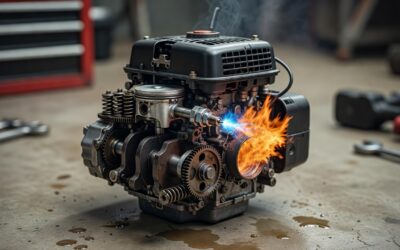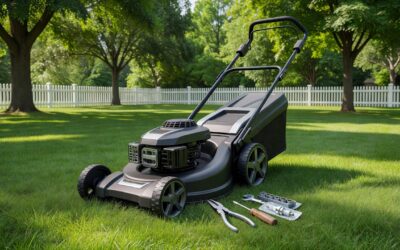
A lawn mower backfires when unburned fuel ignites outside the combustion chamber, typically in the intake manifold or exhaust system. This usually happens due to an improper fuel-air mixture, carbon buildup, ignition timing issues, or exhaust leaks. Backfiring often occurs at shutdown or startup and is generally preventable through regular maintenance like using fresh fuel, cleaning the carburetor, and replacing the spark plug.
What Is a Backfire vs. an Afterfire?
When your lawn mower makes a loud bang or pop, the sound alone doesn’t tell you exactly where the problem originates. Understanding the difference between a backfire and an afterfire helps you diagnose the issue more accurately.
What Exactly Happens When a Lawn Mower Backfires?
A true backfire occurs when combustion happens in the intake manifold or through the carburetor rather than inside the combustion chamber. The fuel-air mixture ignites prematurely or continues burning after the intake valve opens, sending a pressure wave backward through the intake system. This typically produces a sharp, loud crack that seems to come from the front of the engine near the air filter and carburetor.
Is a Backfire Different From an Afterfire?
Yes. An afterfire (sometimes called an afterburn or exhaust pop) occurs when unburned fuel enters the hot exhaust system and ignites there. The combustion happens in the muffler, exhaust pipe, or exhaust port rather than the intake. Afterfires usually sound like pops, bangs, or rumbling from the muffler area at the rear of the engine.
Why Do People Confuse These Two Conditions?
Both phenomena involve fuel burning in the wrong place at the wrong time, and both produce sudden loud noises that startle operators. Many owner’s manuals and even some technicians use “backfire” as a catch-all term for any unexpected combustion noise. The distinction matters because the root causes differ: backfires typically point to intake-side issues like lean mixtures or timing problems, while afterfires usually indicate rich mixtures, exhaust leaks, or shutdown-related fuel accumulation.
Common Causes of Lawn Mower Backfiring
Several mechanical conditions can cause fuel to ignite outside the combustion chamber. Most involve the fuel-air mixture, ignition system, or exhaust pathway.
Improper Fuel-Air Mixture From Carburetor Issues
The carburetor’s job is to mix gasoline and air in the correct ratio for combustion. When this mixture drifts too rich (too much fuel) or too lean (too little fuel), incomplete combustion results. A lean mixture burns slowly and may still be burning when the intake valve opens for the next cycle, causing a backfire through the carburetor. A rich mixture leaves unburned fuel that can ignite in the hot exhaust, causing an afterfire. Common carburetor problems include clogged jets, worn needle valves, incorrect float levels, and vacuum leaks around gaskets.
Carbon Buildup on Valves and in the Combustion Chamber
Over time, carbon deposits accumulate on intake and exhaust valves, piston crowns, and the combustion chamber walls. These deposits retain heat and can act like glow plugs, igniting the fuel-air mixture before the spark plug fires (pre-ignition) or continuing to burn after the normal combustion event. Carbon buildup on valve seats can also prevent valves from sealing completely, allowing combustion gases to leak past during the compression or power stroke.
Ignition Timing Problems
Small engines rely on a flywheel key and magneto system to fire the spark plug at the correct moment relative to piston position. If the flywheel key shears (often from hitting a solid object), the timing shifts. Advanced timing fires the plug too early, potentially causing backfire through the intake. Retarded timing fires too late, leaving unburned fuel to exit into the exhaust where it can afterfire. A worn or damaged flywheel key is one of the most common timing-related causes.
Exhaust Leaks and Damaged Mufflers
Cracks in the exhaust manifold, loose flange bolts, or a deteriorated muffler can draw fresh air into the hot exhaust stream. This oxygen mixes with unburned fuel exiting the cylinder, creating conditions for afterfire. A damaged muffler also changes backpressure, which can affect how completely fuel burns in the cylinder.
Worn or Fouled Spark Plugs
A spark plug with an eroded electrode, excessive gap, or heavy carbon fouling may produce a weak or inconsistent spark. This leads to misfires where fuel enters the cylinder but doesn’t ignite. That fuel then travels into the exhaust system, where residual heat ignites it. A plug that’s too cold for the engine can also foul more quickly, while one that’s too hot may cause pre-ignition.
Sudden Throttle Changes
Rapidly moving the throttle from high to low RPM (or shutting off the engine at full throttle) creates a momentary rich condition. The governor closes the throttle plate, but fuel already in the intake tract continues flowing into the cylinder. With reduced airflow, this fuel doesn’t burn completely and exits into the exhaust, where it ignites. This is a common cause of shutdown afterfire.
Why Backfiring Happens at Shutdown

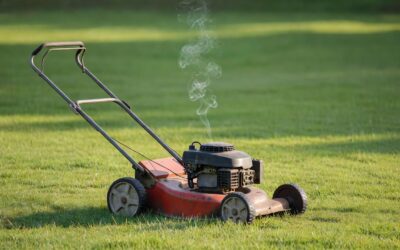
Shutdown backfiring—often a single loud bang as the engine stops—is one of the most common complaints. It’s usually an afterfire rather than a true backfire.
Why Does My Lawn Mower Backfire When I Turn It Off?
When you move the throttle to the “stop” position or turn the key off, the ignition system stops firing. However, the engine continues rotating for several revolutions due to inertia. During these final rotations, the piston still draws fuel-air mixture into the cylinder, but without spark, that mixture doesn’t burn. It gets pushed into the hot exhaust system, where the muffler’s retained heat ignites it.
Is Shutdown Backfiring Normal?
An occasional single pop at shutdown is common on many small engines and by itself doesn’t indicate a serious problem. It becomes concerning when it happens every time, produces multiple bangs, or is accompanied by other symptoms like hard starting, rough running, or power loss.
What Causes Fuel to Ignite During Shutdown?
The sequence is straightforward: ignition cuts off, engine coasts down, unburned mixture enters the exhaust, and residual heat in the muffler (which can exceed 600°F during operation) provides the ignition source. Engines with richer idle mixtures, those shut down at high RPM, or those with exhaust leaks that introduce extra oxygen tend to exhibit this more noticeably.
Why Backfiring Happens at Startup
Startup backfires typically occur through the intake (true backfires) and often indicate flooding or ignition issues.
Why Does My Lawn Mower Backfire When I Start It?
If the engine cranks but doesn’t start immediately, each rotation draws more fuel into the cylinders. When the spark finally occurs—whether from the ignition system or a hot carbon deposit—this accumulated fuel can ignite explosively in the intake manifold or cylinder with the intake valve still open.
Can Flooding Cause Startup Backfires?
Yes. Over-priming, a stuck carburetor float, or repeatedly attempting to start a flooded engine fills the combustion chamber and intake tract with liquid fuel or an overly rich mixture. When ignition finally occurs, the resulting combustion can be violent enough to damage the air filter housing, carburetor gaskets, or even the starter mechanism.
How Does a Cold Engine Contribute to Backfiring?
Cold engines require richer mixtures to start. The choke restricts air to achieve this. If the choke sticks partially closed after the engine starts, or if the operator leaves it on too long, the overly rich mixture can cause rough running and afterfiring as unburned fuel reaches the exhaust. Conversely, a choke that doesn’t close fully creates a lean condition that can cause intake backfires during cranking.
Why Backfiring Happens While Running
Backfiring or afterfiring under load—while you’re actually mowing—points to problems that worsen with increased fuel demand.
Why Does My Lawn Mower Backfire While Mowing?
Under load, the engine needs more fuel and air. If the carburetor can’t deliver enough fuel (lean condition), combustion becomes slow and incomplete. The flame front may still be propagating when the intake valve opens, causing a backfire. A partially clogged main jet, restricted fuel line, or failing fuel pump (on equipped models) can all create this lean condition only under load.
Can a Lean Condition Cause Backfiring Under Load?
Yes. A lean mixture burns hotter and slower. At high RPM under load, there’s less time for complete combustion. The slow burn can extend into the intake stroke. Lean conditions also increase exhaust temperatures, making afterfire more likely if any fuel escapes unburned.
How Does Governor Response Affect Backfiring?
The governor maintains engine speed by adjusting the throttle as load changes. If the governor hunts (oscillates between open and closed), it creates rapid mixture fluctuations. Each sudden throttle closure creates a momentary rich condition; each opening creates a lean spike. This cycling can produce rhythmic popping from the exhaust. Governor hunting often stems from worn linkage, incorrect spring tension, or internal wear in the governor gear assembly.
How to Prevent Lawn Mower Backfiring
Regular maintenance addresses most backfiring causes before they become problems.
Use Fresh, Clean Fuel and Add Stabilizer for Storage
Gasoline degrades over time, losing volatility and forming gums and varnishes that clog carburetor passages. Use fuel less than 30 days old for best results. If you store the mower for more than a few weeks, add a fuel stabilizer to fresh gasoline before filling the tank, then run the engine long enough to draw the treated fuel through the carburetor. Drain the tank and carburetor for extended off-season storage.
Clean or Rebuild the Carburetor Annually or As Needed
Even with fresh fuel, small passages in the carburetor can accumulate deposits. An annual cleaning—removing the bowl, cleaning jets with carburetor cleaner and compressed air, and inspecting the float needle and seat—prevents mixture problems. If the mower sits unused for months, a full rebuild with a new gasket kit may be necessary.
Replace Spark Plugs at Regular Intervals
Consult your owner’s manual for the recommended replacement interval, typically every 25-100 operating hours or annually. Use the exact plug type specified; heat range and reach matter. Check the gap with a feeler gauge even on new plugs. A fresh plug ensures reliable ignition and complete combustion.
Check and Clean Air Filters
A restricted air filter creates a rich mixture; a damaged or missing filter lets dirt into the engine, accelerating wear and carbon buildup. Inspect the filter before each use. Clean foam pre-filters with soap and water (let dry completely, then lightly oil). Replace paper elements when dirty or damaged. Never run the engine without the complete air filter assembly.
Inspect the Muffler and Exhaust System for Leaks or Damage
Visually inspect the muffler, exhaust pipe, and manifold for cracks, holes, or loose connections. Check the exhaust gasket where the manifold meets the cylinder head. Tighten flange bolts to specification if you have a torque wrench. Replace damaged components. A sound exhaust system maintains proper backpressure and prevents oxygen from entering the exhaust stream.
Avoid Sudden Full-Throttle Changes
Operate the throttle smoothly. When finishing mowing, reduce throttle to idle and let the engine run for 15-30 seconds before shutting off. This clears unburned fuel from the combustion chamber and lets the muffler cool slightly, reducing shutdown afterfire.
Basic Troubleshooting Steps
If your mower is backfiring, these safe checks can help identify the cause.
Inspect the Spark Plug Condition
With the engine cool, remove the spark plug. A healthy plug shows a light tan or gray insulator. Black, sooty deposits indicate a rich mixture. White or blistered insulator suggests a lean condition or overheating. Wet fouling (raw fuel smell) points to flooding or ignition failure. Replace if in doubt; plugs are inexpensive.
Check the Air Filter
Remove the air filter cover and inspect the element. Is it clean, properly oiled (if foam), and seated correctly? A clogged filter restricts air; a damaged one admits dirt. Either can cause mixture problems leading to backfiring.
Look for Exhaust Leaks
With the engine running (in a well-ventilated area), feel around exhaust joints for escaping gases—use a piece of paper or cardboard, not your hand. Listen for changes in exhaust tone that might indicate a crack. Sooty streaks around gaskets or flange joints are telltale signs.
Verify Fuel Freshness
If the fuel is more than 30 days old (or unknown age), drain the tank and carburetor bowl. Refill with fresh gasoline. Old fuel is a leading cause of carburetor issues and mixture problems.
Check for Loose Connections
Ensure the spark plug wire is firmly seated on the plug. Check that the carburetor mounting bolts are snug (don’t overtighten). Verify the throttle and choke linkages move freely without binding.
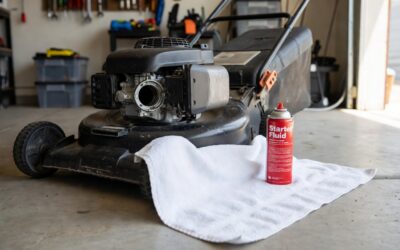
Safety note: Perform all checks with the engine cool. Disconnect the spark plug wire before reaching near moving parts. Never use starting fluid to diagnose backfiring—it’s highly flammable and can cause severe engine damage. Work in a well-ventilated area away from open flames or sparks.
When to Consult a Professional
Some backfiring causes exceed reasonable DIY repair.
When Should I Take My Lawn Mower to a Repair Shop?
Seek professional help if: basic maintenance (fresh fuel, new plug, clean air filter, carburetor cleaning) doesn’t resolve the issue; you suspect a sheared flywheel key (requires flywheel removal); the carburetor needs internal adjustment or replacement; there are signs of internal engine damage (excessive smoke, knocking, metal particles in oil, loss of compression); the mower is under warranty (unauthorized repairs may void coverage); or you’re uncomfortable working on fuel or ignition systems.
Is Backfiring a Sign of Serious Engine Damage?
Occasional mild backfiring, especially at shutdown, rarely indicates serious damage. However, frequent or severe backfiring under load can stress engine components. Repeated intake backfires can damage carburetor gaskets, the air filter housing, or reed valves (on equipped engines). Severe afterfires can damage muffler baffles. Persistent backfiring often signals an underlying issue—lean mixture, timing problem, or valve trouble—that will worsen if ignored.
Can Backfiring Damage My Engine?
Yes, in extreme cases. Violent intake backfires can crack carburetor bodies or intake manifolds. Repeated afterfires can blow out muffler baffles or damage exhaust valves. Chronic lean conditions that cause backfiring also cause overheating, which can score cylinder walls, burn valves, or seize pistons. Addressing the root cause promptly prevents secondary damage.
Your owner’s manual remains the best reference for model-specific maintenance intervals, torque specifications, and troubleshooting flowcharts. When in doubt, a qualified small-engine technician can diagnose the issue with proper tools—compression tester, leak-down tester, timing light—and perform repairs safely.