

Direct Answer: The most common reasons a lawn mower starts then dies are old or contaminated fuel, a clogged carburetor or fuel filter, a dirty air filter, or a faulty spark plug. Start troubleshooting with fuel (use fresh gas), check the air filter, and test the spark plug before moving to more complex repairs like carburetor cleaning.

Pros
- Large-size design named in product title
- Sharpening and balancing functions listed
- Listed as a new upgraded version

Pros
- Adjustable 15-to-45-degree range in title
- Sharpening and balancing functions listed

Pros
- Sharpener and balancer functions in title
- 15-to-45-degree adjustable setting listed
- Built for lawn mower blade maintenance
Pros
- Includes replacement gaskets and a 98079-55846 spark plug
- Matches Honda HRR216 and HRS216 lawn mower models
- Designed around the 16100-Z8B-901 carburetor specification
Cons
- Restricted to select Honda GCV160 mower applications
- Installation requires basic mechanical tools and skills
Understanding Why Your Lawn Mower Starts Then Dies
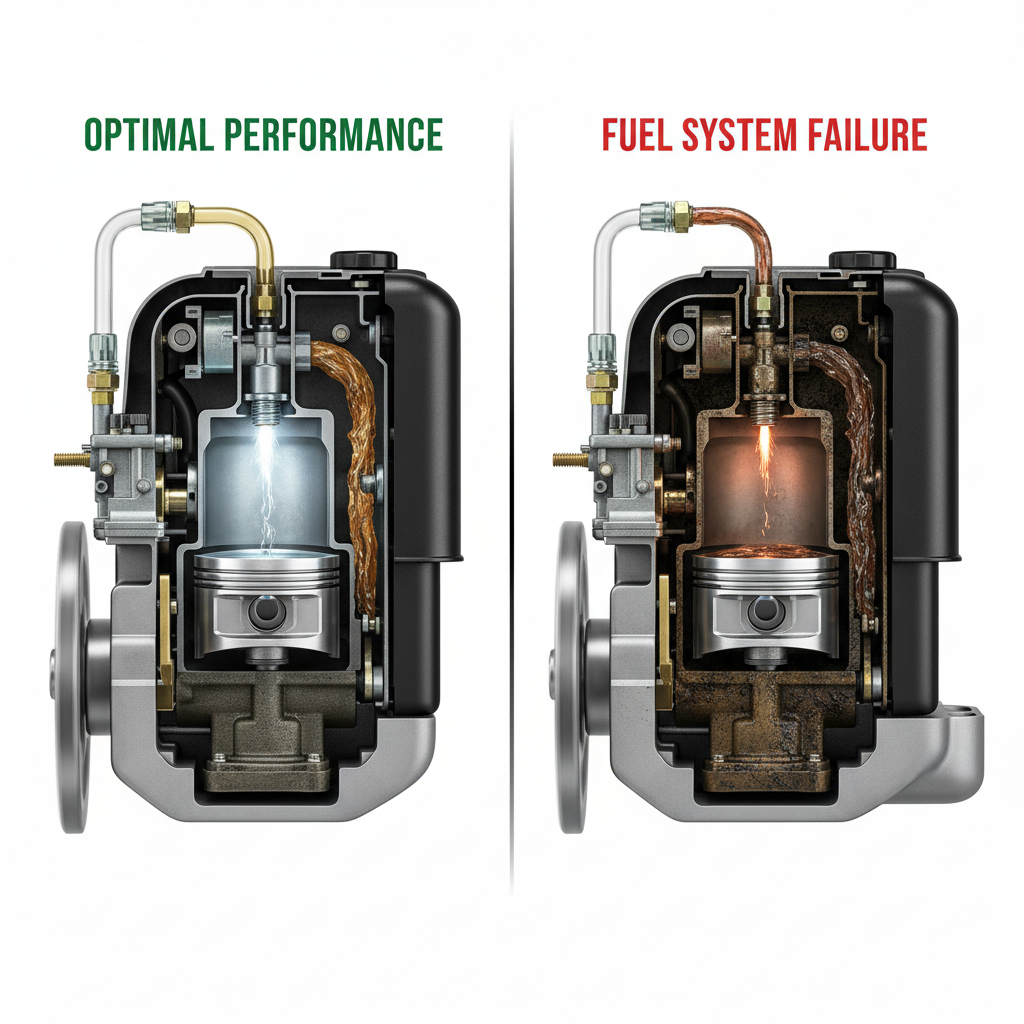
When a lawn mower starts immediately after you pull the cord or turn the key but then stalls within seconds or minutes, you’re experiencing a classic small engine problem. This “start then die” pattern happens because the engine receives enough initial fuel and spark to turn over, but something prevents it from running continuously.
Small engines like those in lawn mowers are simpler than car engines, but they’re also more sensitive to fuel quality and maintenance. Unlike vehicles that sit in garages, mowers often sit unused for months between seasons. During storage, fuel degrades, moisture accumulates in the tank, and components can become clogged or corroded. When you finally try to start the mower, the engine fires up briefly on residual fuel or fumes, but then dies because the fuel system can’t deliver consistent fuel to keep the engine running.
Key Factors to Consider Before Troubleshooting
Before you start diagnosing the problem, gather some information about your specific mower:
- Type of mower: Is it a push mower, riding mower, self-propelled, or electric? Most start-then-die issues affect gas-powered models.
- How long has it been stored? If the mower sat unused for more than a few months, fuel degradation is the likely culprit.
- When was it last serviced? Regular maintenance (spark plug replacement, air filter cleaning) prevents many issues.
- What fuel did you use? Old gas or gas with ethanol can cause starting problems, especially in small engines.
- Does it start with a pull cord or electric starter? This helps you understand the engine type and battery condition (if electric).
Step-by-Step Diagnostic Guide: From Simple to Complex
Follow this troubleshooting sequence, starting with the most common and easiest fixes: For additional operational safety benchmarks, see our published testing notes on jbl partybox club 120 vs sony srs xv500.
Step 1: Replace or Refresh the Fuel
Why this matters: Old gasoline is the #1 reason lawn mowers start then die. Fuel begins to degrade within 30 days of purchase, especially if it contains ethanol (which attracts moisture). After several months in storage, gas becomes gummy and leaves varnish deposits in the carburetor and fuel lines. For additional operational safety benchmarks, see our published testing notes on jbl partybox club 120 vs sony srs xv500.
What to do: To compare alternative configurations, check our hands-on review of z890 vs x870e motherboard.
- Drain the old fuel completely from the tank. Remove the fuel cap and tip the mower to empty the tank into a container. Do this outdoors or in a well-ventilated area.
- If you can’t drain the tank easily, use a fuel siphon pump to extract the fuel.
- Refill the tank with fresh, high-octane gasoline (87 octane or higher works for most mowers).
- Consider adding a fuel stabilizer like Sta-Bil to prevent future degradation.
- Try starting the mower. If it still dies after a few seconds, move to Step 2.
Step 2: Inspect and Clean or Replace the Air Filter
Why this matters: A clogged air filter restricts oxygen flow to the engine. The mower may start because the choke restricts fuel temporarily, but once the choke opens for steady running, insufficient air reaches the carburetor, and the engine dies.
What to do: To compare alternative configurations, check our hands-on review of z890 vs x870e motherboard.
- Locate the air filter housing (usually a plastic or metal box on the top or side of the engine). Consult your manual if unsure.
- Remove the filter cover (typically held by clips or a single bolt).
- Inspect the air filter. If it’s dark, clogged with debris, or visibly dirty, replacement is needed.
- For a foam filter, you can clean it: wash with warm soapy water, rinse thoroughly, let it dry completely, and reinstall.
- For a paper filter, replacement is recommended (they’re inexpensive: $10–$25).
- Install a new filter if needed, close the cover, and test the mower.
Step 3: Check and Test the Spark Plug
Why this matters: A worn or fouled spark plug may ignite the initial fuel charge but lose spark intensity as the engine runs, causing it to stall. This is especially common after long storage or if the plug has accumulated carbon deposits. To compare alternative configurations, check our hands-on review of z890 vs x870e motherboard.
What to do: To compare alternative configurations, check our hands-on review of z890 vs x870e motherboard.
- Locate the spark plug (usually a thick black cable with a boot connector on top of the engine).
- Pull the boot off gently (do not pull the wire itself).
- Use a spark plug socket and ratchet to unscrew the plug. Note the gap size (usually 0.028–0.040 inches).
- Inspect the plug: Look for heavy carbon buildup, oil fouling, or a gap that’s too wide.
- If the plug looks bad, replace it with the manufacturer’s recommended type (check your manual for the correct model).
- If the plug looks acceptable, clean it with a wire brush to remove carbon, then reinstall it.
- Ensure the gap is correct by checking with a feeler gauge or replacing with a pre-gapped plug.
- Reconnect the boot and test start the mower.
Step 4: Investigate Fuel Delivery Issues (Carburetor and Fuel Filter)
Why this matters: If fuel, air, and spark are all present but the mower still dies, the problem may be a clogged carburetor or fuel filter preventing consistent fuel flow.
What to do: To compare alternative configurations, check our hands-on review of z890 vs x870e motherboard.
- Check the fuel filter: Locate the fuel filter (usually a small cylinder in the fuel line between the tank and carburetor). If it’s visibly clogged or dark, replace it (typically $5–$15).
- Clean or rebuild the carburetor: This is more complex. The carburetor has small jets and passages that can become clogged with varnish from old fuel. If you’re comfortable with mechanical work, you can remove the carburetor, disassemble it, soak the parts in carburetor cleaner, and reassemble it. Alternatively, use a carburetor cleaning spray while the carburetor is still mounted (spray cleaner directly into fuel inlets and the carb body). If this doesn’t work, consider professional service or carburetor replacement ($50–$150 for parts and labor).
- Test the mower after cleaning.
Step 5: Check the Choke and Fuel Shutoff Valve
Why this matters: The choke enriches the fuel mixture for cold starts. If the choke doesn’t open properly or gets stuck, the engine runs too rich and dies when trying to lean out for steady operation. Users looking for related component recommendations can explore our marshall stanmore iii vs harman kardon onyx studio 8 breakdown.
What to do: To compare alternative configurations, check our hands-on review of z890 vs x870e motherboard.
- Locate the choke lever or dial on your mower (usually near the carburetor or on the handlebar).
- Ensure the choke is set to the correct position for a warm engine (typically the “off” or “run” position for a mower that’s already warm).
- If the choke lever sticks or doesn’t move smoothly, apply penetrating oil (like WD-40) and work it back and forth gently.
- If your mower has a fuel shutoff valve, ensure it’s set to the “on” position.
When to Seek Professional Help
If you’ve completed all these steps and the mower still starts then dies, consider these scenarios:
- Engine compression is low: If the mower is very old or has been heavily used, internal engine wear can prevent consistent running. A compression test requires professional equipment.
- Carburetor damage is severe: Sometimes old fuel leaves deposits that cleaning alone won’t fix. The carburetor may need professional ultrasonic cleaning or replacement.
- Ignition system failure: Issues with the magneto or ignition module (more common on older mowers) typically require professional diagnosis.
- Fuel pump failure: Some mowers (especially riding mowers) have electric fuel pumps that can fail, requiring specialized testing.
For any of these issues, take the mower to a local small engine repair shop. The cost of diagnosis ($50–$100) is often worth avoiding further frustration. Before finalizing equipment decisions, refer to our comprehensive dyson v8 cyclone vs bissell featherweight stick comparison.
Prevention Tips for Future Storage
To avoid this problem next season:
- Use fresh fuel with a stabilizer every time you mow if the mower will sit for more than a week.
- Run the mower for 5–10 minutes after adding stabilized fuel to circulate it through the system.
- Before long-term storage (fall/winter), run the mower until it dies to empty the carburetor and fuel lines.
- Store the mower in a dry location with the fuel cap vented or loosened slightly to prevent moisture buildup.
- Replace the air filter and spark plug annually or every 50 hours of use.
- Change the oil if your mower has a 4-stroke engine (most do); use the manufacturer’s recommended oil type.
Common Questions on Why Does My Lawn Mower Start Then Die Answered
Can a bad spark plug cause a mower to start and then stall?
Yes. A worn or carbon-fouled spark plug may produce enough spark to ignite the initial fuel charge, especially when the choke is engaged and fuel is rich. However, as the engine runs and the choke opens, the spark weakens or becomes intermittent, causing the engine to misfire and die. Replacing the spark plug often fixes this issue. For broader ecosystem context, read through our operational guide on bissell crosswave hydrosteam vs shark stainforce.
How does old gas cause a lawn mower to die after starting?
Old gasoline loses its volatility and forms varnish and gummy deposits. When fuel sits in the mower’s tank for months, these deposits coat the carburetor jets and fuel lines, restricting fuel flow. The engine may start briefly on remaining vapors or residual fuel, but once steady running begins, the clogged carburetor cannot supply enough fuel, and the engine stalls.
What are the signs of a clogged carburetor on a lawn mower?
A clogged carburetor typically causes the engine to start but run roughly, surge erratically, or die after a few seconds. You may also notice difficulty starting in the first place, black smoke from the exhaust (indicating too-rich fuel), or fuel leaking from the carburetor overflow tube. Cleaning or replacing the carburetor usually resolves these issues.
Should I use ethanol-free gas in my lawn mower?
Yes, if available. Ethanol-free gasoline (sometimes labeled “recreational fuel” or “marine fuel”) is ideal for small engines because ethanol absorbs moisture, which can degrade fuel and damage the carburetor. Ethanol-free gas also resists varnish formation during storage. It’s typically $0.20–$0.50 more per gallon but worth the investment for equipment that sits unused for long periods.
For more hands-on benchmarks and buying recommendations, consult our guides on heavy-duty chainsaw buyer guide, as well as high-CFM commercial leaf blower guide.
Mechanical safety standards, operational tolerances, and protective gear guidelines align with benchmark specifications established by the American National Standards Institute (ANSI).









