Direct Answer: Why Your Car Sounds Like a Lawn Mower
If your car sounds like a lawn mower, you’re likely experiencing one of five common mechanical issues: valve train noise (ticking or clattering from the cylinder head), engine knock (pinging from carbon buildup or low-octane fuel), a worn timing chain (rattling from the front of the engine), an exhaust leak (popping or rattling from underneath), or spark knock in high-compression engines. The exact cause depends on when the noise occurs, your vehicle type, age, and mileage. Most require professional diagnosis, though some clues can be gathered through listening location and RPM correlation.
Most Common Causes of Lawn Mower Engine Noise
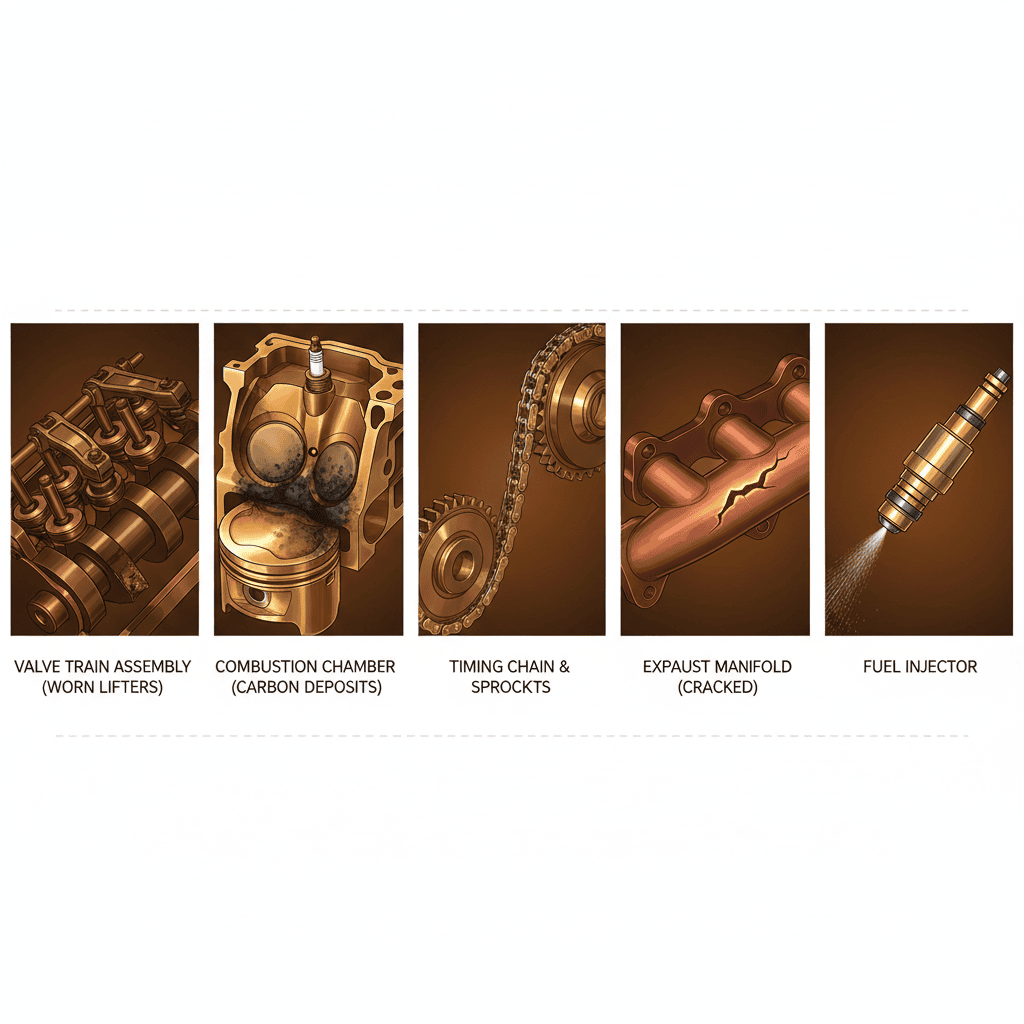
1. Valve Train Noise (Valve Tick or Clatter)
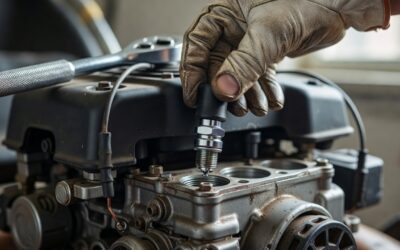
The valve train—which includes pushrods, rocker arms, lifters, and valve springs—produces a distinctive ticking or light clattering sound when components wear or when valve clearance increases. This noise resembles a lawn mower’s rhythmic popping because it occurs in rapid succession with each engine cylinder firing.
Why it happens:
- Worn hydraulic lifters or solid lifters with excessive clearance
- Stretched or worn timing chains that allow valve timing to drift
- Low or dirty oil reducing lubrication to valve train components
- Worn rocker arms or pushrods
How to identify it: The noise is most audible at idle or low RPM and may diminish slightly as engine temperature rises. It comes from the top of the engine (cylinder head area) and maintains a steady rhythm with the engine speed.
Urgency: Moderate. While not immediately dangerous, valve train noise indicates wear that will worsen. Ignoring it can lead to bent valves or damaged cylinder heads, resulting in costly repairs.
2. Engine Knock (Spark Knock or Detonation)
Engine knock—also called detonation or spark knock—occurs when fuel ignites prematurely or unevenly inside the combustion chamber, creating a metallic pinging or knocking sound. This mimics a lawn mower’s engine because both produce rapid, repetitive metallic pops.
Why it happens:
- Using low-octane fuel in a high-compression engine
- Carbon deposits in the combustion chamber reducing effective octane rating
- Incorrect ignition timing (advanced too far)
- Engine running too hot due to cooling system issues
- Extreme acceleration or high load on the engine
How to identify it: Spark knock occurs during acceleration or under load, not typically at idle. The sound is a metallic pinging or rattling that becomes worse when accelerating uphill or towing. Switching to premium fuel temporarily can help confirm diagnosis.
Urgency: Moderate to high. Prolonged engine knock damages pistons, rings, and cylinder walls. If the knock is severe or constant, reduce driving and seek diagnosis promptly.
3. Worn Timing Chain
The timing chain synchronizes the crankshaft and camshaft rotation, ensuring valves open and close at precise moments. A worn chain stretches, creating slack that produces a distinctive rattling noise from the front of the engine, especially at startup.
Why it happens:
- Normal wear over high mileage (typically 80,000+ miles)
- Inadequate oil changes leading to chain and sprocket wear
- Worn chain guides or tensioners failing to maintain tension
- Manufacturing defects in certain vehicle makes/models
How to identify it: Timing chain noise is a rattling sound from the front center of the engine, loudest during cold starts or when first accelerating. As the engine warms, hydraulic tensioners may take up slack, reducing the noise temporarily.
Urgency: High. A broken timing chain causes catastrophic engine damage, often requiring complete engine replacement. If you suspect timing chain wear, have it inspected promptly.
4. Exhaust Leak
A crack or hole in the exhaust manifold, catalytic converter, or exhaust pipe allows gases to escape before the muffler, producing a loud popping, crackling, or rattling sound that resembles a lawn mower or motorbike.
Why it happens:
- Rusted or corroded exhaust components
- Loose or damaged exhaust manifold gaskets
- Physical damage from impact or debris
- Thermal stress from repeated heating and cooling
How to identify it: The noise comes from underneath the car, especially noticeable during acceleration. The sound is often described as a deep rumble, pop, or crack rather than a high-pitched ticking. You may also notice fuel smell or visible rust.
Urgency: Low to moderate. An exhaust leak is typically not dangerous but reduces fuel efficiency and increases emissions. Repair when convenient, though some leaks (especially near the engine) may affect performance.
5. Spark Knock and Low-Octane Fuel Issues
High-compression engines require higher-octane fuel to prevent premature combustion. Using regular (87-octane) fuel in a car designed for premium (91-93 octane) causes the same pinging sound as engine knock.
Why it matters:
- Modern turbocharged and supercharged engines demand premium fuel
- Older cars with high compression ratios are equally sensitive
- Fuel quality varies by season and region
How to identify it: If the pinging starts immediately after filling up with regular fuel and stops after switching to premium, fuel octane is the culprit.
Urgency: Low if occasional, moderate if persistent. While temporary knock rarely causes damage, chronic under-fueling damages engine internals over time.
Quick Diagnostic Steps to Pinpoint the Noise
Before visiting a mechanic, gather information to narrow down the cause:
Listen Carefully and Observe Patterns
- When does it occur? Note whether the noise appears at idle, during acceleration, under load (towing/hills), or continuously. This single detail eliminates multiple causes.
- Where does it originate? Is it from the engine bay (valve train or timing chain), underneath the car (exhaust), or diffuse? Open your windows and have someone rev the engine while you listen from outside.
- How does RPM affect it? Does the noise frequency increase with engine speed? Valve train and timing chain noise scale with RPM, while exhaust leaks may have a more fixed character.
- Is it recent? Sudden onset suggests exhaust leak or spark knock. Gradual worsening suggests valve train or timing chain wear.
Check the Obvious
- Fuel type: Verify you’re using the correct octane rating (check your owner’s manual or door jamb label). Try premium fuel for one tank if spark knock is suspected.
- Oil level: Low oil exacerbates valve train noise. Check with the dipstick and top up if needed.
- Engine temperature: Does the noise change as the engine warms? Valve train noise often decreases as hydraulic components expand and adjust.
Visual Inspection
- Look underneath for visible cracks, rust, or loose components in the exhaust system.
- Check engine oil color and condition. Dark, dirty oil indicates it’s time for a change.
- Inspect visible belts and hoses for cracks or wear.
Vehicle Factors That Affect Diagnosis
Vehicle Age and Mileage
Older vehicles with higher mileage are more prone to valve train noise, timing chain wear, and exhaust rust. Cars under 50,000 miles with lawn mower sounds are more likely experiencing spark knock or exhaust leaks. Vehicles between 80,000-120,000 miles frequently develop timing chain and valve train issues.
Engine Type: Gasoline vs. Diesel
Diesel engines naturally produce a loud, rhythmic knocking sound (diesel knock) due to their high compression ratios and combustion characteristics. This is normal and different from the lawn mower noise described here. However, diesels are equally susceptible to valve train, timing chain, and exhaust issues.
Fuel Type Considerations
Your owner’s manual specifies minimum octane requirements. Premium fuel (91-93 octane) provides better combustion stability in high-compression or turbocharged engines. Using regular fuel below the recommended grade increases knock risk. Conversely, using premium in an engine designed for regular fuel offers minimal benefit.
Make and Model Reliability Patterns
Certain vehicles are known for timing chain issues (some Honda and Nissan models), while others have documented exhaust manifold cracking problems. If your car has a known issue, that narrows diagnosis significantly. Check your vehicle’s forums or service bulletins for common problems.
When to Seek Professional Mechanical Service
Which Sounds Indicate Urgent Repair
Seek immediate service for:
- Severe rattling from the front of the engine (possible timing chain failure)
- Loss of power, rough idle, or check engine light accompanying the noise
- Loud popping with visible smoke or fuel smell
- Noise that worsens dramatically over days or weeks
Schedule service within a week for:
- Persistent valve train ticking that doesn’t improve with fresh oil
- Constant spark knock even with premium fuel
- Obvious exhaust rust or visible damage
What to Tell Your Mechanic
Provide specific information to accelerate diagnosis:
- “The noise sounds like [ticking/rattling/popping] and occurs during [idle/acceleration/all the time].”
- “It’s loudest from the [top/front/underneath] of the engine.”
- “It started [suddenly/gradually] and has [improved/worsened] over [time period].”
- “I’m using [regular/premium] fuel, and the car has [X] miles on it.”
Diagnostic Tools Mechanics Use
Professional mechanics employ several tools to pinpoint causes:
- Stethoscope: Isolates noise location and character with precision.
- Timing light: Checks ignition timing accuracy.
- Compression tester: Measures cylinder pressure to detect timing chain slack or valve leakage.
- Borescope: Visually inspects inside the cylinder for carbon buildup or valve damage.
- Scan tool: Reads engine sensors and detects knock sensor signals or timing issues.
Prevention and Maintenance Tips
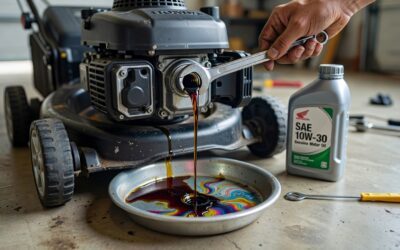
Regular Oil Changes
Oil is the lifeblood of engine health. Fresh, clean oil lubricates valve train components, reduces carbon buildup, and helps timing chain tensioners function properly. Follow your manufacturer’s recommended service interval (typically every 5,000-10,000 miles, depending on engine and oil type).
Use Quality Fuel
Top-tier gasoline from major brands contains detergents that reduce carbon deposits. While premium fuel isn’t necessary for all engines, using the grade specified in your owner’s manual prevents knock and combustion issues. Avoid fuel from unfamiliar or discount stations if possible.
Monitor Engine Temperature
An overheating engine increases knock risk and accelerates wear on valve train components. Ensure your cooling system is functioning properly—check coolant level, inspect belts and hoses, and have the radiator flushed according to schedule.
Address Issues Early
A small valve tick or minor spark knock today becomes an expensive engine rebuild tomorrow. If you notice unusual noises, don’t ignore them. Early diagnosis and repair prevent compounding damage.
Frequently Asked Questions
Is a lawn mower-like engine noise dangerous to drive with?
It depends on the cause. A minor valve tick from a dirty oil change is annoying but not immediately dangerous. However, severe timing chain rattling or spark knock can cause engine damage if ignored. When in doubt, have a mechanic diagnose it. Continuing to drive with suspected timing chain wear risks catastrophic engine failure.
Can I fix a lawn mower sound myself?
Simple fixes like changing oil or switching to premium fuel can resolve some causes at home. However, most lawn mower noises—timing chain wear, valve train damage, exhaust leaks, and internal engine issues—require professional diagnosis and repair. Attempting DIY fixes on these problems risks worsening damage.
How much does it cost to repair lawn mower-like engine noise?
Costs vary dramatically by cause: an oil change costs $30-75, premium fuel might be an extra $5-10 per fill-up, an exhaust manifold repair ranges from $200-800, valve train work costs $500-2,000+, and timing chain replacement ranges from $800-3,000+. A professional diagnosis (typically $75-150) helps you avoid expensive guesses.
Will my check engine light come on for lawn mower sounds?
Not always. Valve train noise, timing chain rattle, and exhaust leaks may not trigger a check engine light. However, spark knock usually activates the knock sensor, and certain valve train issues can trigger misfire codes. If a light appears alongside the noise, it’s a valuable diagnostic clue to share with your mechanic.