How to Change Lawn Mower Oil: Quick Answer
To change oil on a standard 4-stroke lawn mower: Warm the engine briefly, then turn it off and let it cool slightly. Locate the oil drain plug (usually on the engine’s bottom or side), unscrew it, and drain old oil into a catch pan. If your mower has an oil filter, replace it by unscrewing the old one and hand-tightening a new one. Add the recommended oil type (typically 10W-30 or 5W-20 for most mowers) until the dipstick shows full. Check the level, then dispose of old oil at a recycling center or auto parts store—never pour it down drains or into trash.
Understanding Your Lawn Mower’s Oil Type: 4-Stroke vs. 2-Stroke
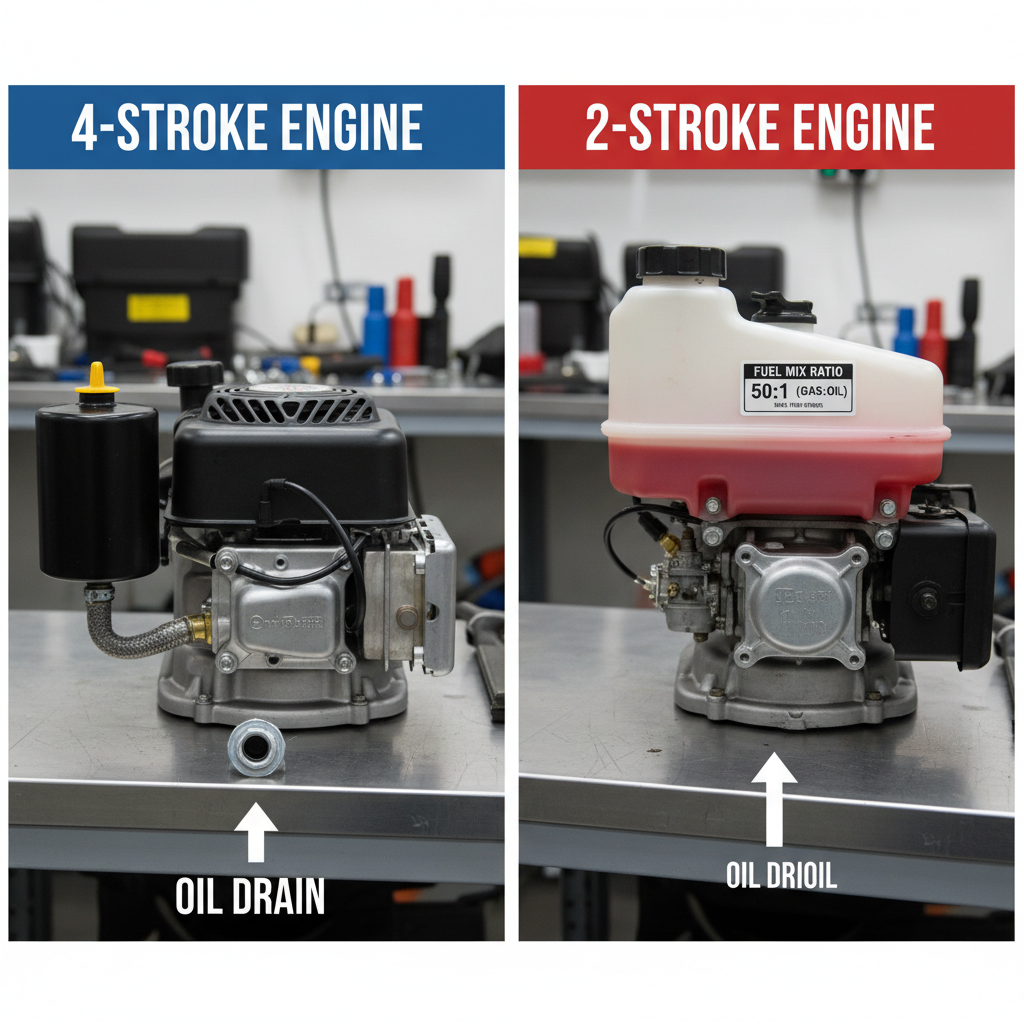
Before you begin an oil change, you must identify whether your lawn mower has a 4-stroke or 2-stroke engine. This distinction is critical because the maintenance approach differs significantly.
4-stroke mowers have a separate oil reservoir and require traditional oil changes where old oil is drained and replaced with fresh oil. Most residential push mowers and riding mowers use 4-stroke engines. These engines have four distinct strokes in their combustion cycle and rely on clean oil for lubrication.
2-stroke mowers (common in some string trimmers, chainsaws, and older equipment) do not have a separate oil reservoir. Instead, oil is mixed directly with gasoline at a specific ratio (typically 50:1 or 32:1, depending on the manufacturer). If you own a 2-stroke mower, you will not perform a traditional oil change; instead, you’ll mix oil and fuel before each use. Attempting a traditional oil change on a 2-stroke engine can damage the equipment.
Check your mower’s manual or look for labeling on the engine to confirm the engine type. Most residential lawn mower owners have 4-stroke equipment.
Essential Supplies and Safety Preparation
Gather the following items before starting:
- New oil (correct SAE grade for your mower—consult the manual)
- Oil filter (if your mower has one)
- Drain pan or container to catch old oil
- Socket wrench or adjustable wrench for the drain plug
- Oil filter wrench (if applicable)
- Dipstick or oil-level indicator
- Rags or paper towels
- Safety glasses and work gloves
Safety first: Always work on a level surface and ensure the mower is off. Never attempt an oil change with a running or hot engine. Allow the engine to cool for 5-10 minutes after operation, but warm it slightly beforehand—this allows the oil to flow more freely during draining. Wear safety glasses to protect against splashes and gloves to protect your skin.
Step-by-Step Process: Draining Old Oil
1. Warm the Engine Briefly
Start the engine and let it run for 30 seconds, then turn it off. This warming helps the oil flow more easily when draining. Allow the engine to cool for 5 minutes before proceeding—you want warm oil (not hot) for optimal drainage.
2. Locate the Oil Drain Plug
Consult your mower’s manual to find the oil drain plug. On most push mowers, the drain plug is located on the bottom of the engine block. On riding mowers, it may be underneath the mower deck or on the side of the engine. The plug is typically a bolt or cap with a hex head (requiring a socket wrench).
Position your drain pan directly beneath the plug to catch all old oil. If your mower is tilted during drainage, ensure you tilt it away from the carburetor and air filter to prevent oil from contaminating these components.
3. Remove the Drain Plug and Drain Old Oil
Use your wrench to turn the drain plug counterclockwise. Once loose, carefully unscrew it by hand—old oil may still be warm. Slowly remove the plug and allow all oil to drain completely into the pan. This may take 5-10 minutes. Once drainage slows significantly, wipe the plug clean with a rag.
4. Reinstall the Drain Plug
Screw the drain plug back in by hand, then use your wrench to tighten it snugly. Do not over-tighten, as this can strip the threads on the engine block. Hand-tight plus a quarter turn with the wrench is usually sufficient.
Replacing the Oil Filter (If Applicable)
Not all lawn mowers have replaceable oil filters. Small push mowers typically use cartridge filters or no filter at all, while larger riding mowers often have spin-on filters (similar to car filters).
If your mower has a spin-on filter: Locate the filter (usually near the top of the engine) and position your drain pan underneath. Use an oil filter wrench to turn the filter counterclockwise about three-quarters of a turn until oil begins dripping, then continue by hand. Once the filter is loose, carefully unscrew it and drain any remaining oil into the pan.
Before installing the new filter, lightly coat the rubber gasket (the seal on top of the filter) with fresh oil. Screw the new filter onto the engine by hand until the gasket contacts the mating surface, then turn it an additional three-quarters turn. Do not use a wrench to tighten—hand-tight is correct.
If your mower has a cartridge or foam filter: These are often located inside the engine’s air filter housing. Remove the housing cover, locate the filter, and follow the manual’s instructions for removal and replacement. Cartridge filters are typically washed and reused rather than replaced, though some manufacturers recommend replacement every few seasons.
Adding New Oil and Checking the Level
1. Determine the Correct Oil Grade
Your lawn mower’s manual specifies the correct SAE grade. Common recommendations include:
- 10W-30: Suitable for most climate conditions and the most widely recommended grade
- 5W-20 or 5W-30: Better for cold climates
- 10W-40: Better for hot climates or high-load engines
Always use the grade specified in your manual. Using the wrong grade can affect engine performance, fuel efficiency, and longevity.
2. Add New Oil
Locate the oil fill cap (usually on top of the engine, labeled “Oil” or with an oil can symbol). Unscrew the cap and set it aside. Slowly pour new oil into the opening, using a funnel to prevent spills. Do not overfill—this can cause engine damage.
3. Check the Oil Level with the Dipstick
Most lawn mowers use a dipstick for oil level checking. Wipe the dipstick clean with a rag, then reinsert it fully into the oil fill opening. Remove it again and check where the oil level reaches on the indicator marks. Add oil incrementally until the level reaches the “full” mark. Do not exceed this level.
Some mowers have sight glasses instead of dipsticks—check the manual for the correct fill level indicator.
4. Replace the Fill Cap
Screw the oil fill cap back on firmly to prevent oil leaks and contamination.
Important Differences for 2-Stroke Mowers
If you own a 2-stroke lawn mower (such as a gas-powered string trimmer or some older equipment), the oil maintenance process is entirely different.
2-stroke engines require oil to be mixed with gasoline before use. The oil lubricates the engine as it burns with the fuel. The common mixing ratios are:
- 50:1 (2% oil)—Most common for modern 2-stroke mowers
- 32:1 (3% oil)—Sometimes specified for older models or high-load equipment
- 40:1 (2.5% oil)—Alternative ratio for some equipment
Always consult your manual for the correct ratio. To prepare fuel for a 2-stroke mower, measure the required amount of 2-stroke oil and add it to gasoline in a separate container, shake vigorously to mix, then pour into the mower’s fuel tank.
Do not attempt a traditional drain-and-refill oil change on a 2-stroke engine. These engines have no separate oil reservoir and no drain plug. Attempting to drain oil will damage the engine.
When to Change Lawn Mower Oil
Regular oil changes keep your mower running smoothly and extend engine life. Maintenance intervals vary:
- Every 50 operating hours: Most manufacturers recommend an oil change after 50 hours of operation, or annually if the mower is used seasonally
- Spring maintenance: If your mower is stored over winter, change the oil in spring before intensive use
- Mid-season (for heavy use): If you operate your mower frequently, change oil again after another 50 hours
- At the start of each season: A good practice for residential mower owners is to change oil once yearly before the mowing season begins
Neglecting oil changes leads to engine wear, reduced performance, and premature failure. Check your mower’s manual for manufacturer-specific recommendations.
Proper Disposal of Used Oil
Never dispose of used lawn mower oil in household trash, down drains, or onto soil. Used oil contaminates groundwater and harms ecosystems. Proper disposal is both environmentally and legally responsible.
Safe disposal options:
- Auto parts retailers: Stores like AutoZone, O’Reilly, and NAPA typically accept free used oil drop-off from customers
- Municipal recycling centers: Most communities offer free used oil disposal through hazardous waste collection events or permanent drop-off locations
- Service stations and repair shops: Many local garages accept used oil for free or a small fee
- Quick-lube facilities: If you have your mower serviced professionally, shops typically dispose of oil for you
Store used oil in a sealed container away from children and pets until you can dispose of it properly. Do not mix used oil with other substances or liquids, as this complicates recycling.
Common Mistakes to Avoid
- Overfilling the oil: Excess oil can damage the engine, increase emissions, and foul the spark plug. Always use the dipstick to verify the fill level.
- Using the wrong oil grade: Incorrect viscosity affects engine performance and efficiency. Always follow the manual’s specification.
- Skipping the filter replacement: If your mower has a filter, replace it at every oil change. A clogged filter reduces oil circulation and engine performance.
- Over-tightening the drain plug or filter: This can strip threads on the engine. Hand-tight plus a quarter turn is usually correct.
- Changing oil on a hot engine: Let the engine cool slightly to prevent burns and allow safe handling of components.
- Draining oil onto soil or into drains: This is environmentally harmful and often illegal. Always use a drain pan and dispose of oil properly.
Frequently Asked Questions
How often should I change my lawn mower oil?
Most manufacturers recommend an oil change every 50 hours of operation, or annually if you use your mower seasonally (typically once per mowing season). Heavy users should change oil twice per season. Check your mower’s manual for specific guidance. Changing oil more frequently than recommended is safe and may extend engine life; changing it less often risks engine damage.
Can I use car oil in my lawn mower?
Yes, if the car oil meets your mower’s SAE grade specification. For example, if your mower manual recommends 10W-30, standard automotive 10W-30 is acceptable. However, synthetic blends or full synthetic oils designed for mowers may provide better protection in extreme temperatures. Always verify the grade matches your manual’s requirement before using any oil.
What should I do if I accidentally overfill the oil?
If the oil level exceeds the “full” mark on the dipstick, drain the excess into a pan using the drain plug, or carefully remove oil from the fill opening using a syringe or pump. Excess oil can cause smoking, blue exhaust, plug fouling, and engine damage. Always check the level carefully after adding oil and aim for the middle of the acceptable range marked on the dipstick.
Do all lawn mowers have oil filters?
No. Most small push mowers rely on cartridge or foam filters within the air filter housing rather than spin-on filters. Larger riding mowers often have spin-on oil filters. Consult your manual to confirm whether your specific mower requires a dedicated oil filter replacement. Even without a spin-on filter, regular air filter maintenance is essential for engine health.
Is it normal for my lawn mower to burn oil between changes?
Slight oil consumption is normal in small engines—losing up to a half quart between oil changes is typical. However, excessive oil burning (requiring top-ups every few hours of use) may indicate worn piston rings, valve seals, or other internal damage. If you notice excessive smoke or rapid oil depletion, have your mower serviced by a professional.