

Quick Answer: How To Drain Lawn Mower Gas?
To drain lawn mower gas safely, turn off the engine and allow it to cool completely in a well-ventilated area. Locate the drain plug beneath the fuel tank or access the carburetor bowl, place a fuel-safe container underneath, and open the valve to release the fuel. If your mower lacks a drain plug, use a hand-operated siphon pump to extract…
Why You Need to Drain Lawn Mower Gas
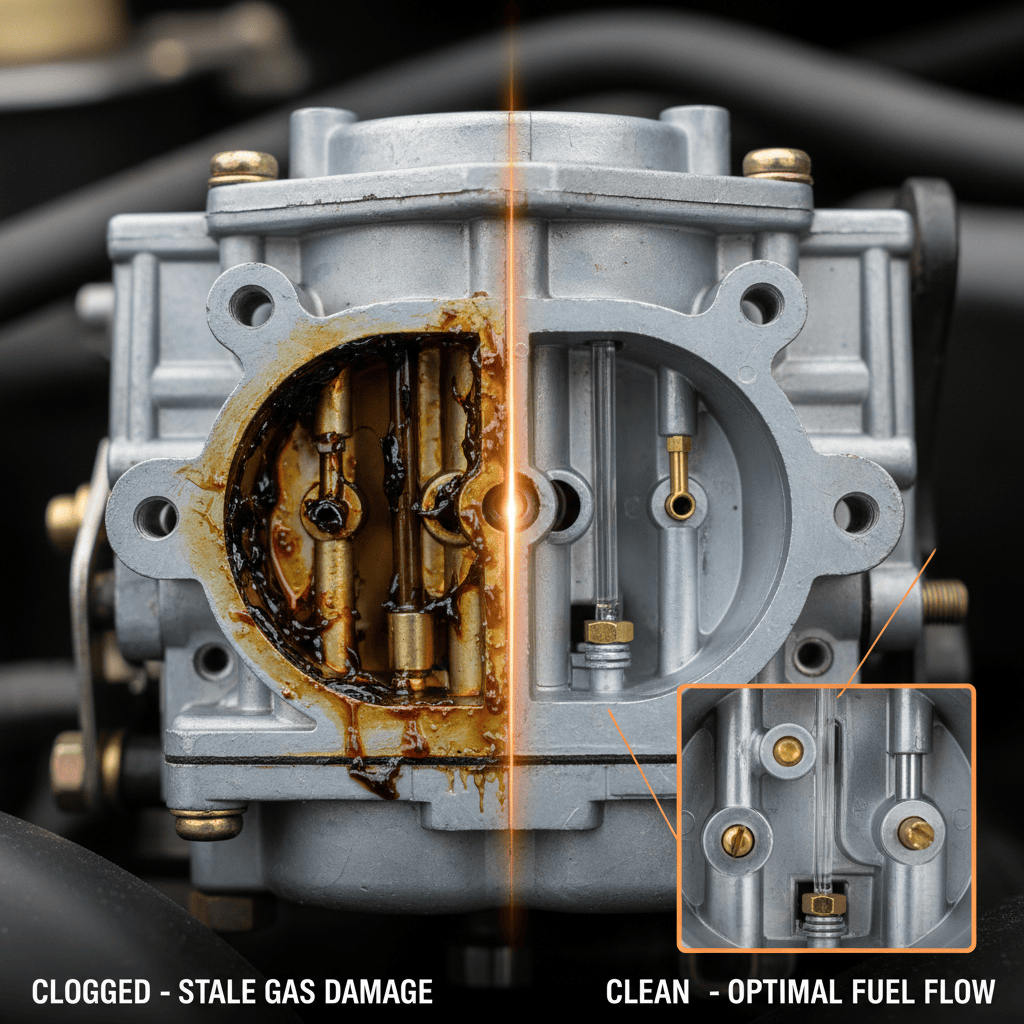
Leaving gasoline in a lawn mower for extended periods, especially over the winter, leads to fuel degradation. Gasoline typically begins to break down within 30 to 60 days, causing the formation of varnish and gummy deposits. These residues clog the carburetor, preventing the engine from starting or running smoothly. Draining the fuel is essential for seasonal storage to protect the engine’s integrity and avoid costly repairs.
Safety Precautions Before You Start
Safety is paramount when handling flammable liquids. Always work in a well-ventilated, outdoor area away from open flames, sparks, or heat sources. Wait at least 30 minutes after running the engine to ensure the muffler and engine block have cooled. Wear chemical-resistant gloves and eye protection to prevent skin and eye irritation from fuel splashes.
Tools and Materials You’ll Need
- Fuel-safe container (approved for gasoline storage)
- Siphon pump (if no drain plug is present)
- Adjustable wrench or screwdriver (for drain plug/carburetor access)
- Safety gloves and goggles
- Rags for cleaning up potential spills
How to Drain Gas from a Push Mower
Most push mowers do not have a dedicated fuel tank drain plug. Instead, you will likely need to drain the fuel through the carburetor bowl. Locate the nut at the bottom of the carburetor float bowl. Place your container directly underneath, loosen the nut or remove the bolt, and allow the fuel to drain. Once empty, tighten the bolt back into place securely.
How to Drain Gas from a Riding Mower or Zero-Turn Mower
Riding and zero-turn mowers often feature larger fuel tanks that may include a fuel line shut-off valve. To drain these, locate the fuel line running from the tank to the fuel filter or engine. Place a container under the line, disconnect the hose (using pliers to slide the clamp back), and allow the fuel to drain into your container. Reattach the hose firmly and ensure the clamp is in the correct position to prevent leaks.
Draining Gas Without a Drain Plug: Siphon Method
If your mower design makes accessing the fuel line or carburetor difficult, a siphon pump is the most effective solution. Insert the intake tube of the siphon pump into the fuel tank fill neck and place the discharge tube into your fuel-safe container. Operate the pump until the tank is empty. This method is generally the safest and cleanest way to remove the majority of fuel from any mower type. Readers comparing setup options can review our technical analysis on z890 vs x870e motherboard.
How to Properly Dispose of Used Lawn Mower Fuel
Never pour old gasoline down the drain, into the sewer, or onto the ground, as this violates EPA environmental regulations and can contaminate groundwater. Contact your local municipal waste department to find a certified hazardous waste facility. Many cities host collection days specifically for household hazardous waste, including old gasoline and oil.
Post-Drainage Maintenance Steps
After draining the tank, start the engine and let it run until it stalls to clear any remaining fuel from the carburetor lines. This ensures no residual fuel remains to form varnish. Once the engine dies, turn the ignition to the ‘off’ position. Before storing the mower, check the air filter and oil levels to ensure the machine is ready for the next season. For complementary field maintenance guidelines, examine our breakdown of marshall stanmore iii vs harman kardon onyx studio 8.
Draining Gas for Different Scenarios
The procedure remains largely the same regardless of whether you are prepping for storage, performing a repair, or flushing contaminated fuel. However, if you suspect fuel contamination (water or debris), it is recommended to also replace the fuel filter after the tank has been drained and before refilling with fresh, stabilized fuel.
Frequently Asked Questions About How To Drain Lawn Mower Gas
Can I leave gas in the mower if I use a fuel stabilizer?
Yes, if you plan to store the mower for a shorter period, a high-quality fuel stabilizer can prevent degradation for several months. However, for long-term winter storage, draining the system is still the most reliable method to prevent damage. To evaluate matched hardware tolerances, consult our detailed overview of dyson v8 cyclone vs bissell featherweight stick.
How do I know if my fuel is contaminated?
Signs of contaminated fuel include the engine sputtering, difficulty starting, or visible debris/discoloration in the fuel tank. If you notice these symptoms, it is best to drain the tank completely and clean the fuel system.
Is it safe to reuse the drained gasoline?
If the gasoline was drained because it is old or contaminated, it should not be reused in your mower. It is better to dispose of it properly and start fresh with new, high-quality fuel mixed with a stabilizer. When planning workspace deployment, consider the engineering criteria outlined in our bissell crosswave hydrosteam vs shark stainforce guide.
Related Maintenance and Operating Guides
To keep your equipment running at peak operating efficiency, explore our related technical walkthroughs and maintenance tutorials:
- Consult our detailed breakdown on residential zero-turn lawn mower guide.
Technical Standards and Compliance
Mechanical safety standards, operational tolerances, and protective gear guidelines align with benchmark specifications established by the American National Standards Institute (ANSI).









