How to Start a Push Mower
To start a standard gas-powered push mower, place it on flat ground, ensure it has fresh fuel and adequate oil, and open the fuel shutoff valve if present. Set the choke to the start position, press the primer bulb 3-5 times, hold the blade control bar against the handle, and pull the recoil starter cord in a smooth, firm motion until the engine fires. For a manual reel mower, simply lower the cutting unit and push it forward.
Understanding What a Push Mower Is
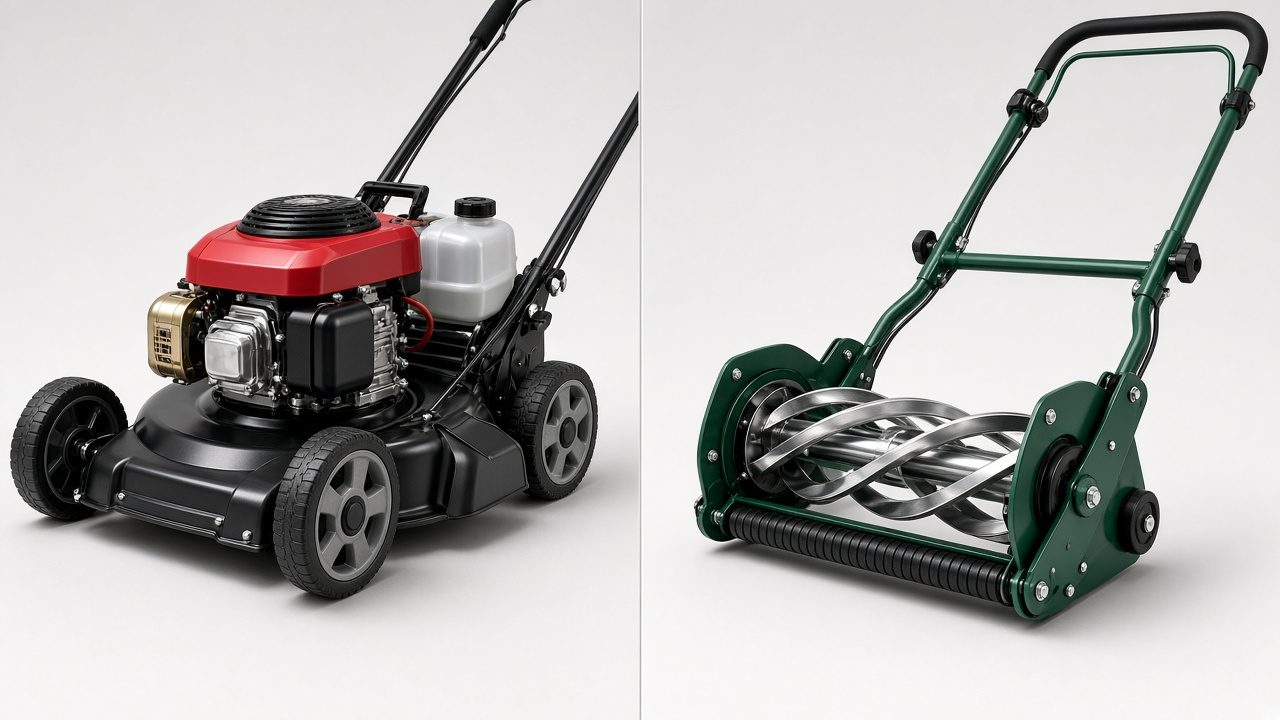
Before starting, it’s crucial to know which type of push mower you have, as the procedures are fundamentally different.
- Gas-Powered Push Mower: This is a walk-behind mower with a small internal combustion engine. It requires fuel, oil, and a starting procedure involving a recoil starter, choke, and primer.
- Manual Reel Mower: This is a human-powered mower with a cylinder of blades that spin when pushed. It has no engine, fuel, or electrical components. You “start” mowing by simply pushing it.
This guide focuses primarily on the gas-powered model, as it requires a specific starting sequence.
Key Factors to Check Before Starting
Performing these simple checks before each use ensures your mower starts reliably and runs safely.
- Check the Engine Oil Level: Use the dipstick to ensure oil is between the “full” and “add” marks. Low oil can cause severe engine damage or trigger a safety shutdown.
- Use Fresh Fuel: Gasoline can degrade in as little as 30 days. Stale fuel can varnish carburetor parts, making starting difficult. Use fresh fuel and consider a fuel stabilizer if the mower will sit unused.
- Inspect the Area: Always start and operate the mower on a flat, clear surface free of debris, rocks, or toys that could become dangerous projectiles.
- Open the Fuel Shutoff Valve: If your mower has a fuel valve (usually a small lever near the engine), turn it to the “ON” or “OPEN” position to allow fuel to flow.
Step-by-Step Instructions for Starting a Gas Push Mower
Follow this sequence for a cold start. If the engine is warm, you may not need the choke or primer.
1. Prepare the Mower
Place the mower on a flat, level surface. Engage the parking brake if your model has one. Ensure the discharge chute or mulch plug is securely in place.
2. Set the Choke (If Engine is Cold)
The choke lever restricts air flow to create a richer fuel mixture for starting. Move it to the “START” or fully closed position.
3. Prime the Engine (If Equipped)
If your mower has a red or black rubber primer bulb, press it firmly 3 to 5 times. This injects a small amount of fuel directly into the carburetor. Do not over-prime, as this can flood the engine.
4. Engage the Blade Control Bar
Hold the blade control bar (also called a dead-man switch or operator presence control) firmly against the mower handle. This safety bar must be held down for the engine to run and the blade to engage.
5. Pull the Recoil Starter Cord
Grasp the starter handle firmly. Pull the cord out in a smooth, quick motion until you feel resistance, then give it a strong, final pull. Do not yank or let the cord snap back. Repeat 2-3 times if necessary.
6. Adjust Choke and Throttle After Starting
Once the engine fires and runs, move the choke lever to the “RUN” or halfway position. If your mower has a throttle control, set it to a desired speed. After the engine warms up for 30-60 seconds, you can move the choke fully to “RUN.”
How Starting Differs for a Manual Reel Mower
A manual reel mower requires no engine starting. To begin mowing:
- Adjust the cutting height to your desired setting.
- Lower the cutting reel to the ground.
- Simply push the mower forward at a steady pace. The forward motion spins the reel and the bedknife to cut the grass.
Safety Tips and Troubleshooting Common Starting Problems
Safety First
- Wear Protection: Always wear closed-toe shoes, long pants, and safety glasses.
- Keep Clear of Discharge: Never stand behind or in front of the discharge chute while starting or operating.
- Start Without Blade Engagement: For safety, some mowers require you to start the engine with the blade disengaged, then engage it once running. Consult your manual.
Troubleshooting
- Engine Doesn’t Start: Recheck fuel, oil, and choke settings. Ensure the spark plug wire is firmly connected. Try priming again (if applicable).
- Engine Starts Then Dies: The engine may be cold. Ensure the choke is in the start position. Move the choke to “RUN” only after the engine is warm.
- Hard to Pull Cord: The blade may be engaged or stuck. Ensure the blade control bar is released and check for debris wrapped around the blade. Never force a stuck cord.
If problems persist after basic troubleshooting, refer to your owner’s manual for model-specific guidance or consult a small engine repair professional.
Frequently Asked Questions
Why won’t my push mower start even with fresh gas?
Common causes include a dirty air filter, a fouled or disconnected spark plug, stale fuel in the carburetor, or a clogged fuel line. Start by checking the spark plug connection and cleaning or replacing the air filter.
How many times should I pull the starter cord?
For a properly prepared cold engine, it should start within 3-5 pulls. If it doesn’t start after 5-6 pulls, stop to avoid flooding the engine. Re-check your starting procedure (choke, primer, fuel) and try again.
Do I need to hold the blade bar down to start the mower?
Yes. The blade control bar is a critical safety feature. Holding it against the handle is required to complete the ignition circuit and allow the engine to start and run. Releasing it will stop the engine and disengage the blade.