Should You Mow Wet Grass? The Direct Answer
No, you should not mow the lawn when it’s wet. Wet grass clogs your mower deck, produces ragged and uneven cuts, compacts and damages soil structure, creates serious slip and fall hazards, and can spread fungal diseases across your lawn. The best practice is to wait 24–48 hours after rain before mowing, or mow in late morning once morning dew has dried.
Why Wet Grass Damages Your Mower
Wet grass behaves very differently than dry grass, and the consequences for your equipment are immediate and costly.
Clogging and Reduced Cutting Efficiency
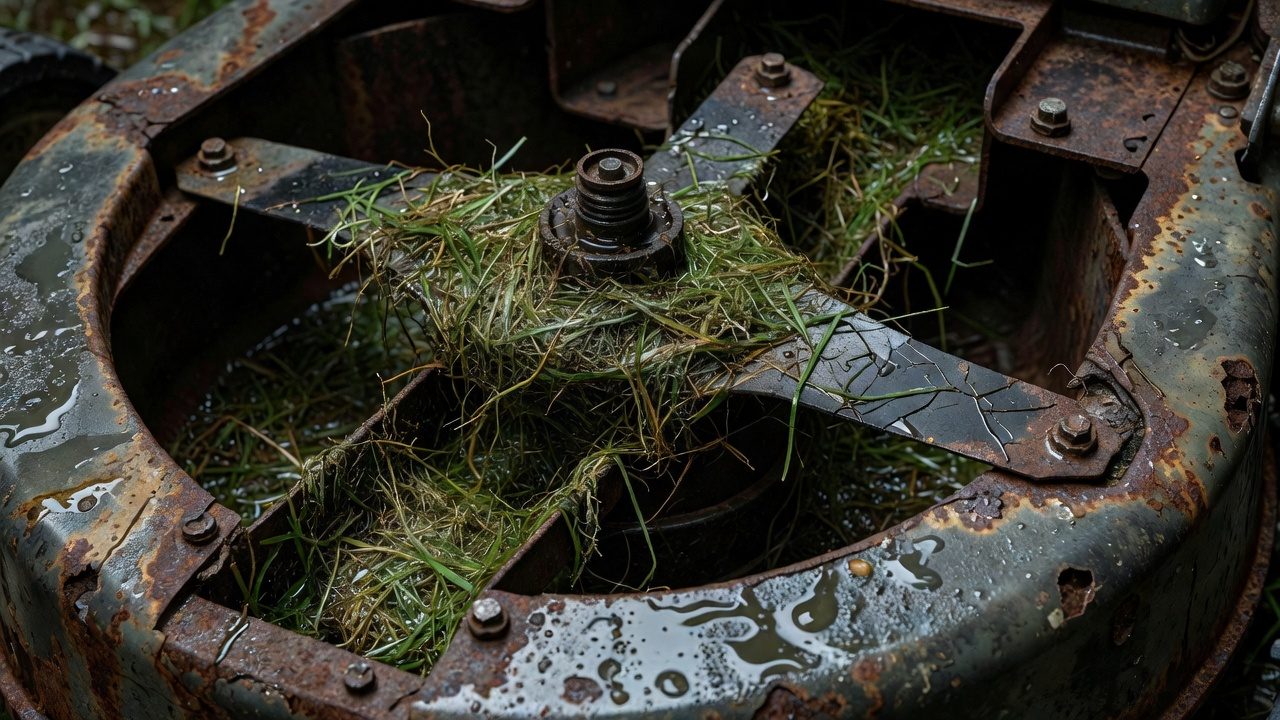
When you mow wet grass, clippings stick together and clump inside the mower deck instead of being discharged cleanly. Wet grass is heavier and adhesive, so it wraps around the blade spindle, accumulates on the deck housing, and blocks the discharge chute. This buildup forces your mower to work harder, reduces cutting efficiency, and can stall the engine entirely. You’ll spend more time clearing clogs than you do mowing.
Rust, Corrosion, and Engine Problems
Moisture left inside the mower deck after wet-grass mowing promotes rust on metal components, including the blade, spindle, and undercarriage. If you don’t clean the deck thoroughly—a time-consuming task after every wet mow—corrosion accelerates. Additionally, moisture in the fuel system can degrade gasoline and damage the carburetor. On electric mowers, wet conditions increase the risk of short circuits and battery damage if water contacts the motor or electrical connections.
Blade Dulling and Uneven Wear
Wet grass creates more friction and drag on the blade compared to dry grass. The added resistance dulls blades faster, requiring more frequent sharpening. This accelerates wear and increases maintenance costs over the mowing season.
How Wet Mowing Damages Lawn Health and Soil
The damage from wet mowing extends beyond your equipment. Your lawn and soil suffer structural and biological harm.
Soil Compaction and Water Retention Problems
Mower wheels sink deeper into wet soil because the ground is softer and cannot support the weight as effectively. This causes soil compaction—pressing soil particles together and reducing pore space. Compacted soil drains poorly, retains excess water, and restricts root growth. Your lawn will experience poor drainage, standing water, and weakened grass in heavily trafficked mowing paths. Recovery from soil compaction can take months or even years.
Ragged Cuts and Grass Stress
Wet grass bends and flexes rather than cutting cleanly. Blades tear and shred the grass tissue instead of making a precise cut, leaving ragged, bruised edges. These damaged leaf tips turn brown and gray within days, making your lawn look thin and unhealthy. Grass plants stressed by poor cuts are also more vulnerable to disease and take longer to recover and regrow.
Disease Spread
Many fungal lawn diseases—including dollar spot, anthracnose, and rust—thrive in wet conditions and spread through mower contact. When you mow wet grass infected with fungal spores, your mower becomes a vector, carrying disease to every part of the lawn you cut. The combination of wet conditions, open wounds on grass leaves, and disease transmission creates ideal conditions for widespread lawn infection.
How Long Should You Wait After Rain?
The general guideline is to wait 24–48 hours after rain before mowing. This timeframe allows:
- Soil to firm up and support mower weight without compaction
- Grass blades to dry completely
- Surface water and excess moisture to evaporate or drain
In humid climates or after heavy rain, you may need to wait longer. Conversely, light rain followed by wind and sun might allow mowing within 24 hours if the grass is visibly dry to the touch.
The Best Time of Day to Mow
Late morning (9 a.m. to noon) is the optimal mowing window. By this time, morning dew has evaporated, grass is dry, and the soil has warmed and firmed up slightly. Avoid mowing:
- Early morning: Dew still covers the grass, creating wet-mowing conditions.
- Late afternoon or evening: Dew begins forming again, and wet conditions return.
- Immediately after rain: Soil is saturated and grass is soaked.
On consistently dry days, mid-morning to early afternoon is your safest window.
How to Tell If Grass Is Dry Enough to Mow
Use these simple checks:
- Walk through the lawn: If your shoes get wet or grass clings to your feet, it’s too wet to mow.
- Touch the grass blades: Pinch a handful of grass. If it feels damp or water beads form, wait longer.
- Observe the soil: Press your finger into the soil. If it feels soft and muddy rather than firm, compaction risk is high.
- Check for standing water: If puddles or wet patches exist anywhere in the lawn, mowing will cause damage.
What If You Must Mow Soon?
If urgent circumstances force you to mow before ideal conditions, these strategies reduce—but do not eliminate—damage:
Raise Your Mower Deck
Set your mower to a higher cutting height than usual. This reduces blade contact time with wet grass and lessens stress on the plant. You can return to your normal cutting height after the lawn dries.
Sharpen Your Blades Beforehand
Sharp blades cut more cleanly through wet grass than dull blades. Before any wet-condition mowing, ensure your blades are sharp. This won’t prevent all damage but will reduce the severity of ragged cuts.
Use a Mulching Mower (With Caution)
Mulching mowers recirculate clippings through the deck multiple times rather than discharging them. They handle wet grass somewhat better than bagging mowers because clippings stay inside longer and dry partially. However, mulching mowers still struggle with very wet grass and require thorough deck cleaning afterward.
Mow on Windy Days
Wind helps dry grass faster. If rain is followed by strong wind and sun, conditions improve more quickly than on calm, humid days. Check the grass with the touch test before assuming wind is sufficient.
Clean Your Mower Immediately
After wet-grass mowing, clean the deck, undercarriage, and blade thoroughly with a hose or pressure washer (on low setting). Dry all components completely before storing the mower. This removes clippings and moisture that promote rust and corrosion.
Frequently Asked Questions
Can morning dew on grass be mowed?
Light morning dew is often acceptable if it’s the only moisture present. If dew is heavy enough that your shoes get wet walking through the lawn, wait until it evaporates (typically by mid-morning). The same wet-grass risks apply to heavy dew as to rain.
What if I mowed wet grass already—will my lawn recover?
Yes, your lawn will recover, but recovery takes time. Brown, ragged leaf tips will regrow healthy tissue within 1–2 weeks. If soil compaction occurred, it may take months for drainage and root penetration to fully restore. Avoid mowing that area again until the lawn has dried and recovered.
Does rain type matter—light drizzle versus heavy downpour?
Both saturate grass and soil. Light drizzle may dry faster than heavy rain, potentially reducing wait time, but the underlying risks remain the same. When in doubt, follow the 24–48 hour guideline.
Is it safer to bag or mulch when mowing damp grass?
Bagging is slightly safer because clippings are removed from the mower deck immediately. Mulching mowers recirculate wet clippings, which increases clogging and buildup. If you must mow damp grass, bagging reduces immediate mower strain, though both methods create the same lawn and soil damage.
Summary: Best Practices for Lawn Mowing
Protect your mower and lawn by following these guidelines:
- Wait 24–48 hours after rain before mowing.
- Mow in late morning once dew has evaporated and grass is dry to the touch.
- Check grass and soil moisture before starting—if your shoes get wet walking through, it’s too early.
- Sharpen blades regularly to ensure clean cuts, especially before mowing in less-than-ideal conditions.
- Clean your mower deck thoroughly if you do mow damp grass.
- Raise your cutting height on damp-grass days to reduce plant stress.
By respecting these conditions, you’ll extend your mower’s lifespan, maintain a healthier lawn, and avoid the frustration of equipment clogs and poor cutting results.