

Direct Answer: How to Speed Up Your Lawn Mower
Lawn mower speed increases through three approaches: maintenance-based improvements (sharpening blades, cleaning filters, engine tuning) that cost little and deliver immediate gains; mechanical upgrades (pulley ratio changes, belt replacements, deck adjustments) that require moderate mechanical skill; and advanced modifications (engine displacement changes, carburetor tuning, fuel system upgrades) that demand expertise and carry warranty risks. Most operators see the best results from maintenance and blade optimization before attempting engine modifications.
Understanding Lawn Mower Speed: What Actually Matters
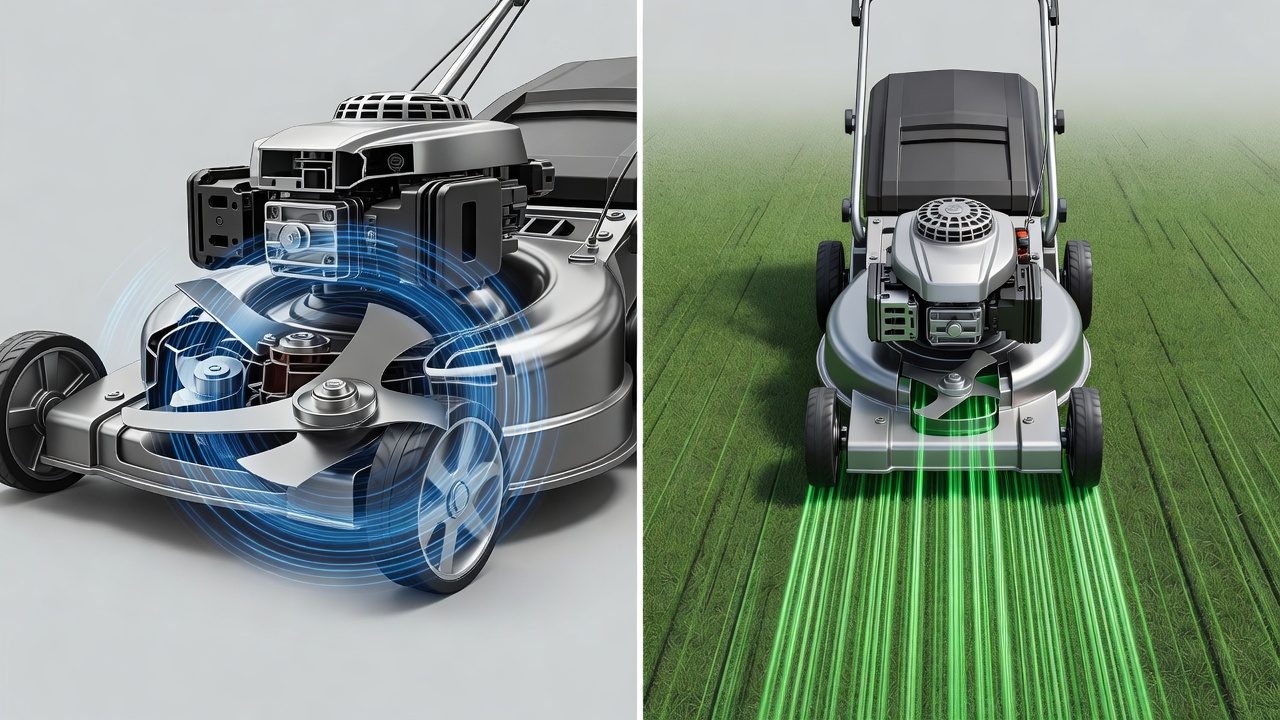
When discussing lawn mower speed, two separate metrics matter: blade RPM (rotations per minute of the cutting blades) and ground speed (how fast the mower moves forward). Many people conflate the two, but they serve different purposes.
Blade RPM determines cutting efficiency, faster-spinning blades create a cleaner cut and handle taller or denser grass more effectively. Ground speed affects how quickly you finish mowing your lawn. Some modifications increase RPM while others boost forward speed; the most effective upgrades target both.
Engine power, blade design, pulley configuration, and belt tension all influence these metrics. A well-maintained mower with sharp blades can outperform a neglected high-powered mower, so maintenance provides better returns than expensive modifications for most homeowners.
Quick Maintenance Wins: Boost Speed Without Modifications
Before considering upgrades, optimize what you already have. These tasks take 1-4 hours and cost under $50:
Blade Sharpening and Inspection
Dull blades tear grass rather than cut cleanly, forcing the engine to work harder and slowing forward progress. Sharp blades cut efficiently, reducing engine load and allowing faster operation. Sharpen blades every 20-50 hours of mowing time, depending on grass type and terrain. If blades are bent or cracked, replace them entirely, damaged blades cannot cut cleanly regardless of sharpness.
Air Filter Cleaning
A clogged air filter restricts oxygen to the engine, reducing power output and RPM. Check your air filter every month during mowing season. Clean foam filters with warm soapy water; replace paper filters when visibly dirty. Many mowers regain 10-15% of lost power simply from filter replacement. For troubleshooting and reliability insights, consult our in-depth z890 vs x870e motherboard report.
Spark Plug Replacement
Old or fouled spark plugs reduce ignition efficiency, lowering engine performance. Replace spark plugs annually or every 100 hours of operation. Use the manufacturer-recommended heat range, upgrading to a colder or hotter plug than specified can cause problems. A fresh spark plug costs $5-15 and often noticeably improves responsiveness.
Fuel System Maintenance
Old fuel gums up carburetors and fuel lines, restricting fuel flow. At the end of each mowing season, either drain old fuel or add fuel stabilizer. Before the next season, replace the fuel if it sat over winter. Clean carburetors if you notice sluggish acceleration or uneven RPM. Fresh, clean fuel burns more efficiently and allows the engine to reach full operating speed. Readers comparing setup options can review our technical analysis on marshall stanmore iii vs harman kardon onyx studio 8.
Belt Inspection
Worn or slipping belts fail to transmit full engine power to the blades and wheels. Inspect belts for cracks, fraying, or glazing. If the belt looks shiny rather than textured, it’s slipping, replace it. A new belt costs $20-60 and immediately restores power transmission efficiency.
Mechanical Upgrades: Pulley Ratios, Belts & Deck Adjustments
Once maintenance is complete, mechanical modifications provide moderate speed increases without engine modifications. For complementary field maintenance guidelines, examine our breakdown of dyson v8 cyclone vs bissell featherweight stick.
Pulley Ratio Changes
Pulleys work like gears: different-sized pulley combinations change the mechanical advantage between engine and blade/wheel speed. Smaller engine pulleys or larger driven pulleys increase blade and ground speed. This modification requires removing belt covers and measuring pulley diameters. Most mowers use 3-4 inch pulleys; changing to a 2.5-inch engine pulley and 4.5-inch blade pulley can increase blade RPM by 20-30%.
Important: Verify pulley compatibility with your mower model before purchasing. Incorrect ratios can overload the engine or cause belt slippage. Consult your manual or contact the manufacturer for safe ratio ranges. To evaluate matched hardware tolerances, consult our detailed overview of bissell crosswave hydrosteam vs shark stainforce.
Heavier-Duty Belts
Standard belts slip under high load. Upgrading to reinforced or cogged belts (with teeth) maintains power transmission more effectively. A cogged belt matched to your current pulley setup costs $30-80 and can recover power loss from belt slippage without changing RPM targets.
Cutting Deck Height and Angle
Lower cutting heights increase blade engagement with grass, requiring more engine power but improving efficiency. If your mower cuts at 2.5 inches, lowering to 2 inches forces harder work but can speed cutting if your engine has reserve power. Conversely, raising deck height reduces resistance and allows faster forward motion. Adjust height incrementally and monitor engine load, if the engine bogs down, you’ve gone too far.
Engine Tuning & Fuel Optimization
Engine-level modifications increase available power and RPM.
Carburetor Tuning
Most lawn mower carburetors include adjustment screws for idle speed and air-fuel mixture. Slightly leaning the mixture (reducing fuel) increases RPM and can improve acceleration. This requires careful adjustment, too lean causes engine damage. Many carburetors also have idle speed screws; increasing idle from 1,500 to 2,000 RPM gives constant baseline speed improvement.
Note: Carburetor tuning should be done by someone comfortable with small engines. Incorrect settings can reduce engine life or cause starting problems.
Spark Plug Upgrade
Using a premium spark plug rated for your engine’s specs can improve combustion efficiency. Cold-range plugs (higher heat rating) work better in demanding conditions. Verify the correct plug range in your manual, an incompatible plug can foul or overheat.
Fuel Grade Optimization
Most residential mowers run on regular gasoline. However, switching to mid-grade (89 octane) or premium fuel (91+ octane) can improve combustion efficiency and allow slightly higher RPM without pre-detonation (engine knock). The cost difference ($0.20-0.40 per gallon) may offset gains for many users, so test small quantities first to evaluate whether you notice performance improvement.
Advanced Modifications: What to Consider Before Attempting
More aggressive modifications carry higher risks of warranty voidance and engine damage.
Engine Displacement Increases
Larger pistons or longer strokes increase engine power directly, but require machine shop work and cost $200-800. These modifications may void warranties entirely and require professional installation.
Intake and Exhaust Optimization
Upgrading to a high-flow air intake or modified muffler can improve power output by allowing easier engine breathing. Aftermarket air intake kits cost $40-150 but require careful installation to avoid introducing dust. Modified mufflers reduce back-pressure but increase noise significantly.
Transmission Modifications
Some mowers use variable-speed transmissions or CVTs. Adjusting transmission settings or upgrading belts can improve ground speed, but incorrect adjustments cause transmission failure. Manufacturer specifications must be followed precisely.
Safety Considerations & Performance Trade-offs
Faster mowers increase injury risk and operational challenges:
- Blade contact hazards: Higher blade speeds increase severity of contact injuries. Ensure all safety guards remain in place.
- Loss of control: Faster ground speed makes steering and stopping more difficult, especially on slopes or uneven terrain.
- Engine stress: Over-revving engines shortens lifespan and risks catastrophic failure. Never exceed manufacturer RPM limits.
- Warranty voidance: Most modifications void manufacturer warranties. Check your warranty before modifying the engine or transmission.
- Diminishing returns: Each modification produces smaller gains. The difference between a maintained mower and one with pulley upgrades is noticeable; the difference between upgraded and heavily modified often isn’t proportional to cost and risk.
Step-by-Step Prioritization Guide
Phase 1: Maintenance (Week 1-2)
- Sharpen or replace blades
- Replace air filter
- Replace spark plug
- Clean or replace fuel filter
- Inspect and replace belts if worn
- Expected gain: 10-20% power and efficiency improvement
Phase 2: Optimization (Week 3-4)
- Fine-tune carburetor idle and mixture
- Inspect pulley condition and measure sizes
- Test mid-grade or premium fuel
- Adjust cutting deck height for optimal engagement
- Expected gain: Additional 5-10% improvement
Phase 3: Upgrades (Month 2+)
- Research pulley ratio options for your model
- Install cogged belts if needed
- Consider high-flow air intake if comfortable with disassembly
- Expected gain: 15-25% blade speed increase if all changes implemented
Phase 4: Advanced (Month 3+)
- Carburetor rebuild or professional tuning
- Engine displacement modifications if desired performance not achieved
- Note: Only pursue if previous phases didn’t meet goals and you’re comfortable with warranty risks
Buyer FAQs: How To Make A Lawn Mower Fast Solved
What’s the easiest way to make a lawn mower faster?
Blade sharpening delivers the fastest, cheapest improvement. Dull blades force the engine to work harder, effectively slowing your mowing speed. Sharpen blades every 20-50 mowing hours. Air filter cleaning and spark plug replacement take 30 minutes each and often restore 10-15% lost power. These three tasks combined typically cost under $30 and require no special tools.
Can you make a mower faster without opening the engine?
Yes. Pulley ratio changes (swapping driven pulleys), belt upgrades, carburetor idle adjustment, and deck height optimization all improve speed without engine disassembly. These modifications are accessible to homeowners with basic mechanical skills and deliver noticeable gains, typically 15-25% increase in blade RPM when combined.
Will modifying my lawn mower void the warranty?
Likely, yes. Most manufacturers void warranties for engine modifications, including carburetor tuning, pulley changes affecting RPM, fuel system modifications, and displacement increases. Maintenance tasks (blade sharpening, filter replacement, belt replacement) typically don’t affect warranty. Check your specific warranty documentation before any modification beyond routine maintenance.
What’s the maximum safe RPM for a residential lawn mower?
Manufacturer specifications list maximum safe RPM, typically 3,000-3,600 for residential mowers. Exceeding these limits risks engine failure, blade damage, and operator injury. Never modify the engine to exceed published RPM limits. If you’re unsure of your mower’s limits, check the manual or contact the manufacturer before making any RPM-increasing modifications.
Conclusion
Lawn mower speed improvements follow a progression: maintenance provides the highest return relative to effort, mechanical upgrades deliver moderate gains with moderate complexity, and engine modifications offer diminishing returns with increasing risk. Start with blade sharpening, air filter cleaning, and spark plug replacement, these tasks take minimal time, cost very little, and often provide the most noticeable performance improvement. Once maintenance is optimized, pulley adjustments and carburetor tuning offer additional speed gains for those comfortable with mechanical work. Advanced modifications should only be pursued if earlier improvements don’t meet your goals and you fully understand warranty and safety implications. The fastest mower is a well-maintained mower; proper maintenance delivers better results than expensive modifications for most homeowners.
Technical Standards and Compliance
Mechanical safety standards, operational tolerances, and protective gear guidelines align with benchmark specifications established by the American National Standards Institute (ANSI).









