Direct Answer: How Much Is a Lawn Mower?
There is no single price for a lawn mower because the cost depends on the type of machine, its power source, brand, and features. In general, you can expect to pay under $100 for a manual push reel mower, $150 to $500 for a corded or basic electric push mower, $200 to $800 for a gas push or self-propelled model, $300 to $1,500 for a battery-powered self-propelled mower, $1,500 to $3,000+ for a riding mower or lawn tractor, and $800 to several thousand dollars for a robotic mower. Your ideal budget depends on your yard size, terrain, and how much mowing convenience you want.
If you only need to maintain a small, flat lawn, a manual reel mower or a basic electric push mower is the most affordable route. If you have a large property or physical limitations, a self-propelled, riding, or robotic mower is worth the higher investment. This guide walks through each price tier so you can turn the simple question “how much is a lawn mower” into a practical purchase plan.
What Determines the Price of a Lawn Mower?
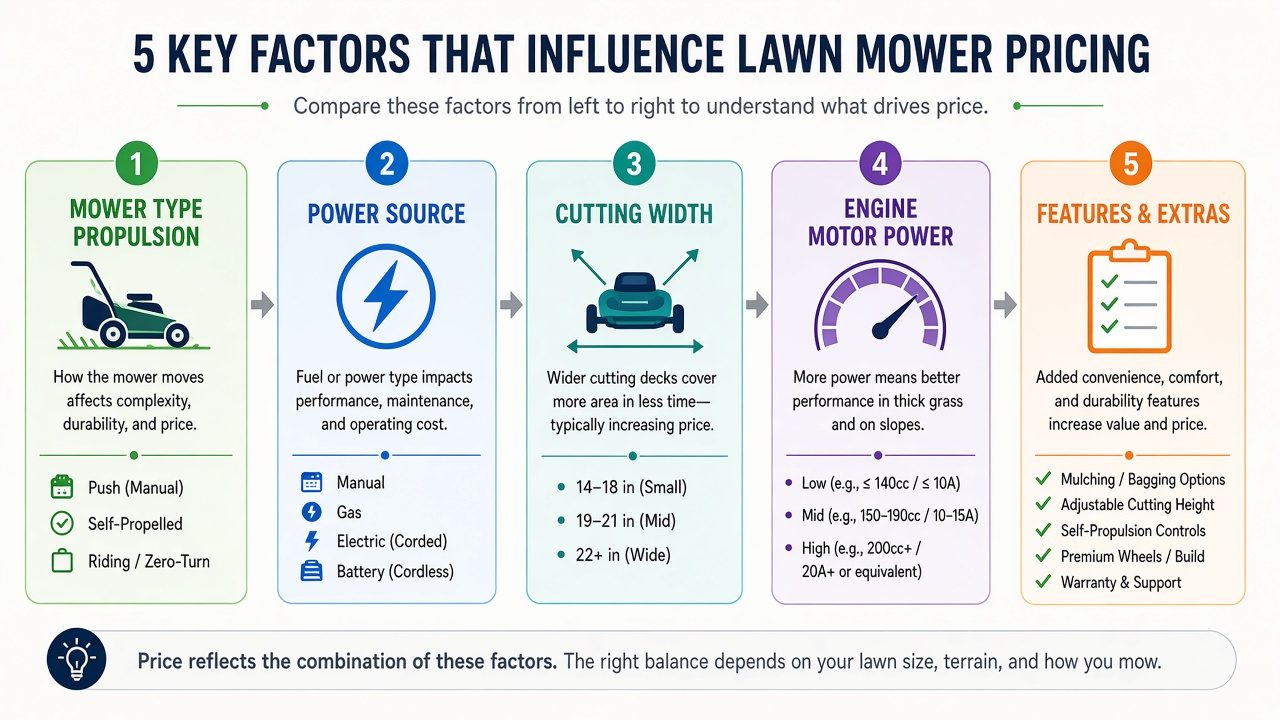
Before you compare price tags, it helps to understand why lawn mowers vary so much in cost. A $90 reel mower and a $3,000 riding mower both cut grass, but they are completely different machines designed for different situations. Here are the main factors that push prices up or down.
Mower Type and Propulsion
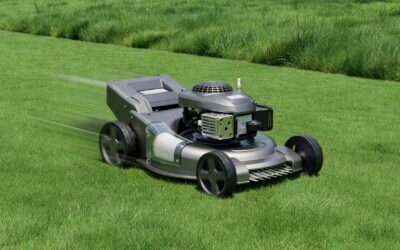
The biggest price driver is the type of mower. A basic manual push reel mower has no engine or motor at all, so it is the least expensive option. A push mower that you walk behind requires you to supply the forward motion, which keeps the price lower. A self-propelled mower adds a drive system that moves the wheels for you, which increases the cost. Riding mowers and lawn tractors replace walking entirely and are priced much higher because they include a seat, steering, a larger engine, and a wider cutting deck. Robotic mowers are the most technologically advanced and can cost as much as a used car, depending on the model and features.
Power Source: Manual, Gas, Corded Electric, or Battery
The power source is the second major factor. Manual reel mowers use only human power, so they are the cheapest to buy and operate. Corded electric mowers are relatively affordable because they have a simple electric motor and no battery pack, but they require an extension cord and an outlet nearby. Gas-powered mowers cost more because they include an engine, a fuel tank, and more complex components. Battery-powered mowers are usually the most expensive among walk-behind options because the battery and charger add significant cost. In general, battery-powered models carry a higher upfront price than comparable gas models, though they eliminate fuel costs and most routine engine maintenance.
Cutting Width and Deck Material
Mowers with a wider cutting width (the width of the deck that actually cuts the grass) cost more because they cover more ground per pass and require a stronger engine or motor. Deck material also matters. Steel decks are common and durable, aluminum decks are lighter and resist rust, and composite decks are lightweight and never rust. Higher-quality deck materials generally raise the price, but they can also extend the life of the mower.
Engine Horsepower or Motor Voltage
Gas mowers with more engine horsepower cost more because they can handle thicker grass, wetter conditions, and larger yards. Battery mowers are rated by motor voltage and battery capacity (amp-hours). A higher-voltage motor and a larger battery provide more power and longer runtime, but they also increase the price. If you have a small yard, you do not need the most powerful motor available, so you can save money by choosing a model that matches your actual cutting conditions.
Features: Mulching, Bagging, and Discharge Options
Features add convenience and cost. A mower that offers mulching (chopping clippings finely and returning them to the lawn), bagging (collecting clippings in a rear bag), and side discharge (ejecting clippings out the side) is more versatile than a basic mower with a single function. Self-propelled drive systems, electric start, height-adjustment levers, LED headlights, and smartphone connectivity for robotic mowers are all features that push the price upward. Before paying extra, ask yourself which features you will actually use every mowing session.
Brand Reputation and Build Quality
Brand reputation and build quality influence pricing as well. Well-established brands with a long history in outdoor power equipment often command higher prices because of their reputation for reliability, parts availability, and customer support. A cheaper, lesser-known brand may have a lower sticker price, but it may also have thinner deck steel, less durable wheels, and harder-to-find replacement parts. When you compare prices, factor in the expected lifespan of the machine and the availability of service and parts, not just the initial cost.
How Much Should You Expect to Pay for a Lawn Mower?
The table below summarizes typical price ranges for the most common lawn mower categories. Use it as a starting point, then refine your budget based on your yard and the features you need.
| Mower Category | Typical Price Range | Best For |
|---|---|---|
| Manual push reel mower | Under $100 | Small, flat, well-maintained lawns; low-maintenance and eco-friendly buyers |
| Corded electric push mower | $150 to $500 | Small to medium yards with easy access to an outdoor outlet |
| Gas push mower | $200 to $500 | Medium yards where you want power without worrying about battery runtime |
| Gas self-propelled mower | $400 to $800 | Medium to large yards, slopes, and uneven terrain |
| Battery-powered self-propelled mower | $300 to $1,500 | Medium to large yards where quiet operation and no fuel handling are priorities |
| Riding mower / lawn tractor | $1,500 to $3,000+ | Large yards (roughly half an acre or more) where walking behind a mower is impractical |
| Zero-turn mower | Typically higher than standard riding mowers | Very large yards where speed and maneuverability around obstacles matter most |
| Robotic mower | $800 to several thousand dollars | Hands-free mowing on established lawns with defined boundaries |
Manual Push Reel Mowers: Under $100
A manual push reel mower is the cheapest way to cut grass. These mowers have no engine, no cord, and no battery, so they are lightweight, quiet, and nearly free to operate. They work best on small, flat lawns with grass that is cut regularly, because they struggle with tall, thick, or wet grass. If your yard is modest and you want the lowest possible cost of ownership, this category is a great place to start.
Corded Electric Push Mowers: $150 to $500
Corded electric mowers offer the convenience of electric power without the added cost of a battery. They are lighter than most gas mowers, start instantly, and require very little maintenance. The trade-off is the extension cord: you must stay within reach of an outlet, and you need to be careful not to run over the cord. For small to medium yards, a corded electric mower is an affordable and reliable choice.
Gas Push and Self-Propelled Mowers: $200 to $800
Gas-powered walk-behind mowers are a traditional and dependable option. A basic gas push mower typically falls in the $200 to $500 range, while a gas self-propelled model usually costs $400 to $800. The self-propelled version is worth the extra money if you have a large yard, a slope, or simply do not want to push the mower yourself. Gas mowers deliver strong cutting power and do not depend on battery charge, but they require fuel, oil changes, air filter maintenance, and occasional tune-ups.
Battery-Powered Self-Propelled Mowers: $300 to $1,500
Battery-powered mowers have become increasingly popular because they are quiet, start instantly, and produce no exhaust fumes. A battery-powered self-propelled model typically ranges from $300 to $1,500, with the higher end of that range buying a larger battery, a wider cutting deck, and a more powerful motor. Before you commit, consider battery runtime and charging time. If your yard is large, you may need a spare battery or a model with a long runtime, and that adds to the total cost.
Riding Mowers and Lawn Tractors: $1,500 to $3,000+
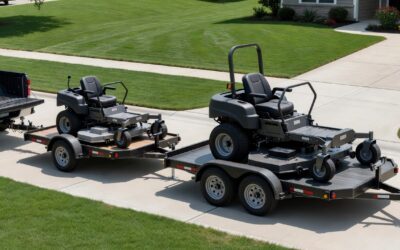
Riding mowers and lawn tractors are designed for large properties where walking behind a mower is impractical. Prices commonly start around $1,500 and can exceed $3,000 for models with larger engines, wider decks, and more comfortable features. A zero-turn mower, which offers exceptional maneuverability and speed, typically costs even more than a standard lawn tractor. If you are mowing half an acre or more, a riding mower can save you significant time and physical effort, making the higher price worthwhile.
Robotic Mowers: $800 to Several Thousand Dollars
Robotic mowers are the most hands-off option. They range from roughly $800 to several thousand dollars, depending on the size of the area they can handle, the quality of the boundary system, and smart features such as app control and scheduling. They are best suited to established lawns with clear boundaries, and they require an initial setup that includes laying a boundary wire or configuring a mapping system. If you value convenience and have a relatively simple lawn, a robotic mower can be a worthwhile investment, but it is also the most expensive category on a per-unit basis.
Key Factors to Consider Before Comparing Prices
Once you understand the price ranges, the next step is to evaluate your own situation. The cheapest mower is not always the best value, and the most expensive one is not always necessary. These factors will help you choose the right price tier.
Yard Size and Terrain
Yard size is the single most important factor in choosing a mower category. A small, flat lawn can be handled by a manual reel mower or a corded electric push mower. A medium yard may justify a gas or battery self-propelled mower. A large property, typically half an acre or more, is where riding mowers become practical. Terrain matters too: slopes and uneven ground are much easier with a self-propelled mower, and they can be dangerous with a riding mower on steep grades.
Battery Runtime and Charging Time
If you are considering a battery-powered mower, check the runtime on a single charge and compare it to the time it takes to mow your lawn. Also check the charging time, because a mower that takes hours to recharge may not be practical if you need to finish the job in one session. If your yard is near the upper limit of the mower’s runtime, budget for an extra battery or a model with a larger capacity.
Ongoing Costs: Fuel, Maintenance, and Battery Replacement
The purchase price is only part of the total cost of ownership. Gas mowers require fuel, oil, air filters, spark plugs, and occasional blade sharpening. Battery mowers require electricity to charge and eventually need a replacement battery, which can be a significant expense. Manual reel mowers have the lowest ongoing costs, mainly blade sharpening and occasional lubrication. When comparing prices, estimate the cost over the life of the mower, not just the price at checkout.
Cutting Width, Deck Material, and Maneuverability
A wider cutting deck means fewer passes, which saves time on a large lawn, but it also makes the mower heavier and harder to maneuver in tight spaces. Deck material affects weight, durability, and rust resistance. Steel is strong and common, aluminum is lighter and corrosion-resistant, and composite is lightweight and rustproof. Choose a cutting width and deck material that match the size of your lawn and the obstacles you need to navigate.
Warranty Coverage
A good warranty can add real value to a mower. Look for coverage on the engine or motor, the deck, and the battery (if applicable). Longer warranty periods and better parts availability can justify paying a little more upfront, especially for battery-powered and robotic mowers, where the battery is a major component. Before you buy, read the warranty terms so you know what is covered and how long the coverage lasts.
Step-by-Step: How to Decide What You Should Pay
Follow this process to turn the broad question “how much is a lawn mower” into a specific budget that fits your yard and your needs.
Step 1: Measure Your Yard and Assess the Terrain
Start by estimating the size of your lawn. If you do not know the square footage, use a measuring wheel, a mapping app, or a simple estimate based on your property lines. Note any slopes, obstacles, and areas that are difficult to mow. This tells you which mower category is appropriate before you ever look at prices.
Step 2: Choose Your Power Source and Propulsion
Decide between manual, corded electric, battery, or gas, and between push and self-propelled. For small flat lawns, manual or corded electric is often enough. For medium lawns, gas or battery self-propelled is a good balance. For large lawns, consider a riding mower or a robotic mower. This step narrows your price range significantly.
Step 3: Shortlist Models Within Your Budget
Once you know the category, research current models and prices at local retailers and online stores. Compare cutting width, deck material, engine or motor power, and features such as mulching, bagging, and side discharge. Create a shortlist of two or three models that fit your budget and your yard requirements.
Step 4: Check Features Against Your Actual Needs
Before paying more for premium features, ask whether you will use them. A mulching mower is useful if you want to return nutrients to the lawn. A self-propelled drive is worth the extra cost if you have a slope or a large yard. A larger battery is only worth it if your yard is large enough to drain a smaller one. Skip features that do not solve a real problem for you.
Step 5: Calculate the Total Cost of Ownership
Add up the purchase price, fuel or electricity costs, maintenance items, and the expected cost of battery replacement or engine service over the life of the mower. A slightly more expensive model with a better warranty, a more durable deck, and lower maintenance needs can be cheaper in the long run than a bargain model that wears out quickly.
Direct Answer: Is There a Single Price for a Lawn Mower?
The short answer is no. A lawn mower can cost anywhere from under $100 to several thousand dollars, and the right price depends entirely on your yard, your physical needs, and the features you value. A manual reel mower is the cheapest option, while riding mowers and robotic mowers sit at the top of the price range.
The best way to use this information is to start with your yard size and terrain, then choose a category, and finally compare models within that category. If you have a small flat lawn, you can confidently budget under $300. If you have a large property, plan for $1,500 or more for a riding mower. If you want hands-free mowing, expect to spend at least $800 on a robotic mower. By matching the mower type to your specific needs, you will get the best value for your money.
Frequently Asked Questions
Why do lawn mower prices vary so much?
Lawn mower prices vary because the category includes very different machines. A manual reel mower has no engine, while a riding mower has a large engine, a seat, and a wide cutting deck. Power source, cutting width, deck material, features, and brand reputation all affect the price. The range reflects the wide variety of yards and user needs that mowers are designed to serve.
Is a battery mower more expensive than a gas mower?
In general, yes. Battery-powered mowers typically have a higher upfront price than comparable gas-powered models because the battery and charger are expensive components. However, battery mowers have lower ongoing costs since they do not require fuel, oil, or spark plugs. Over time, the operating cost difference can narrow the overall gap.
What is the cheapest type of lawn mower?
The cheapest type is a manual push reel mower, which can cost under $100. It has no engine, no battery, and no cord, so it is also the least expensive to maintain. It works best on small, flat, regularly mowed lawns. If you need a powered mower, a corded electric push mower is usually the next most affordable option.
How much should I budget for a mower for a half-acre yard?
For a half-acre yard, a self-propelled gas or battery mower is often a good fit, with typical prices ranging from roughly $300 to $1,500 depending on features. If you prefer not to walk behind a mower, a riding mower or lawn tractor is worth considering, with prices commonly starting around $1,500 and rising from there based on engine size and deck width.