What Does It Mean to Edge with a Weed Eater?
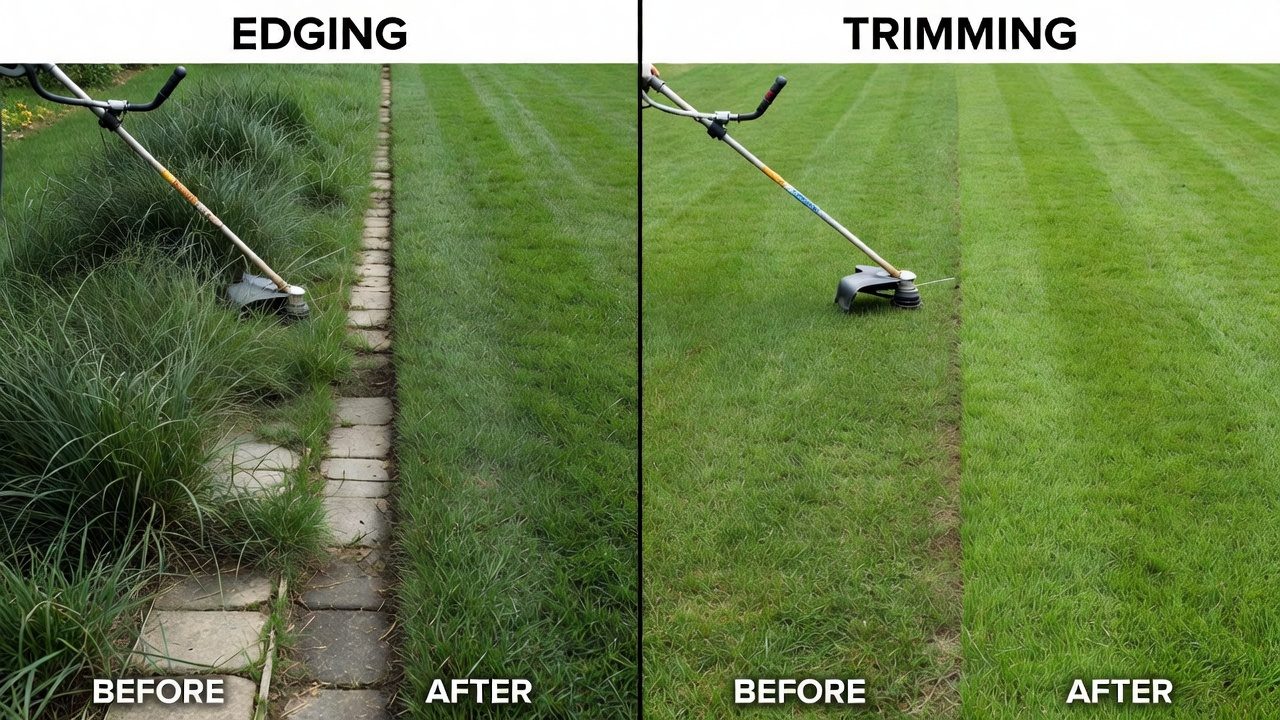
Edging with a weed eater (also called a string trimmer) is the process of creating a clean, defined line along hard surfaces like sidewalks, driveways, patios, and garden borders. It involves holding the trimmer vertically so the spinning string cuts grass and weeds that overhang the edge, resulting in a sharp, professional-looking border.
This is different from trimming, which involves cutting grass to a uniform height across the lawn. Edging focuses specifically on the vertical line where the lawn meets a hard surface. The finished result should be a crisp, straight line that separates the lawn from the pavement or garden bed.
Key Factors to Consider Before You Start Edging
Before you begin edging, consider these important factors to ensure the best results:
- Trimmer Type: Gas, electric, or battery-powered weed eaters can all be used for edging. Electric and battery models are often lighter and easier to maneuver for this task.
- String Condition: Use a fresh, undamaged string or line. Worn or frayed string will not cut cleanly and may break easily.
- Safety Gear: Always wear safety glasses, long pants, and closed-toe shoes to protect against flying debris.
- Trimmer Head Adjustment: Some trimmers have a rotating head that can be adjusted for edging. Check your model’s manual to see if this feature is available.
Step-by-Step Guide: How to Edge with a Weed Eater
Follow these steps for a clean, consistent edge:
- Position the Trimmer Vertically: Hold the weed eater so the cutting string is perpendicular to the ground and parallel to the edge you want to create.
- Start at One End: Begin at one end of the sidewalk, driveway, or garden border.
- Walk Slowly: Move along the edge at a steady, slow pace. Rushing can lead to uneven lines.
- Use a Sweeping Motion: Move the trimmer in a gentle side-to-side or sweeping motion to cut the overhanging grass.
- Maintain Consistent Height and Angle: Keep the string at the same height and angle as you move to ensure a uniform cut.
- Handle Corners Carefully: At corners or curves, slow down and adjust your angle to maintain a clean line.
Common Mistakes to Avoid When Edging
Avoid these frequent errors for the best results:
- Uneven Lines: Walking too fast or changing the trimmer’s angle can create wavy edges.
- Hitting Hard Surfaces: Letting the string strike concrete or brick can wear down the line quickly and may damage the surface.
- Using Dull or Worn String: Old string doesn’t cut cleanly and may break frequently.
- Edging Wet Grass: Wet grass can clump and stick to the trimmer, making it harder to get a clean cut.
How to Maintain Your Edge After Edging
To keep your edges looking sharp between full edging sessions:
- Touch-Up Edging: Perform quick touch-ups every 1-2 weeks during the growing season to maintain the line.
- Check String Condition: Inspect the trimmer line regularly and replace it when it becomes worn or frayed.
- Avoid Over-Cutting: When maintaining an existing edge, be careful not to cut too deep, which can create a trench.
Direct Answer: The Simplest Way to Edge with a Weed Eater
The fastest way to get a clean edge is to hold the trimmer vertically, walk slowly along the border, and use a steady sweeping motion. The most important tip for beginners is to maintain a consistent angle and height throughout the process.
Frequently Asked Questions
How often should I edge with a weed eater?
During the growing season, edging every 1-2 weeks is typically sufficient to maintain a clean look. In slower growth periods, you may only need to edge monthly.
Can I use a weed eater to maintain an existing edge without cutting too deep?
Yes, you can. Simply position the trimmer so the string just grazes the existing edge, removing only the new growth that has overgrown the line.
Is it bad to hit the concrete or brick with the string?
Yes, allowing the string to strike hard surfaces can cause it to wear down quickly and may damage the surface over time. Try to keep the string just above or beside the edge.
What is the most important tip for a beginner edging with a weed eater?
The most important tip is to go slowly and maintain a consistent angle. Rushing is the primary cause of uneven, wavy edges.